Peeling Skin on Feet — Explained by Medical Evidence, Not Myths

Peeling skin on feet is a symptom, not a diagnosis, and can have several different causes. Common reasons include dry skin, friction, fungal infection, eczema, contact irritation, and excessive sweating.
Key Takeaways
- Peeling skin on feet is a symptom, not a diagnosis, and can have several different causes.
- Common reasons include dry skin, friction, fungal infection, eczema, contact irritation, and excessive sweating.
- Pattern matters: itching between the toes suggests fungus, while thick scaling on the soles may have other causes.
- Treatment depends on the cause and may include moisturizers, antifungal medicines, or avoiding irritants.
- Medical care is important if peeling is severe, recurrent, painful, infected, or linked with diabetes or poor circulation.
Peeling skin on feet is usually linked to dry skin, sweat, friction, eczema, or a fungal infection such as athlete’s foot. In many cases it improves with skin care and the right treatment, but ongoing, painful, or spreading peeling should be assessed by a doctor.
What peeling skin on feet usually means
Peeling skin on feet most often means that the outer skin barrier has been irritated, dried out, inflamed, or affected by infection. Common explanations include simple dryness, sweating and friction from shoes, mild dermatitis, sunburn, and fungal infection. The symptom itself is common and does not automatically mean there is a serious problem.
The key to understanding peeling is to look at the full pattern. Doctors consider where the peeling occurs, whether it itches or burns, whether there is redness or odor, and whether the skin is cracked, blistered, or thickened. Peeling only on the heels may point toward dryness and pressure, while peeling between the toes often raises suspicion for a fungal infection.
Because many conditions can look similar, myths can be misleading. Peeling is not always caused by poor hygiene, and it is not always a sign of fungus. A careful history and skin examination help separate common causes from conditions that need more specific treatment.
Common symptoms that can appear with peeling
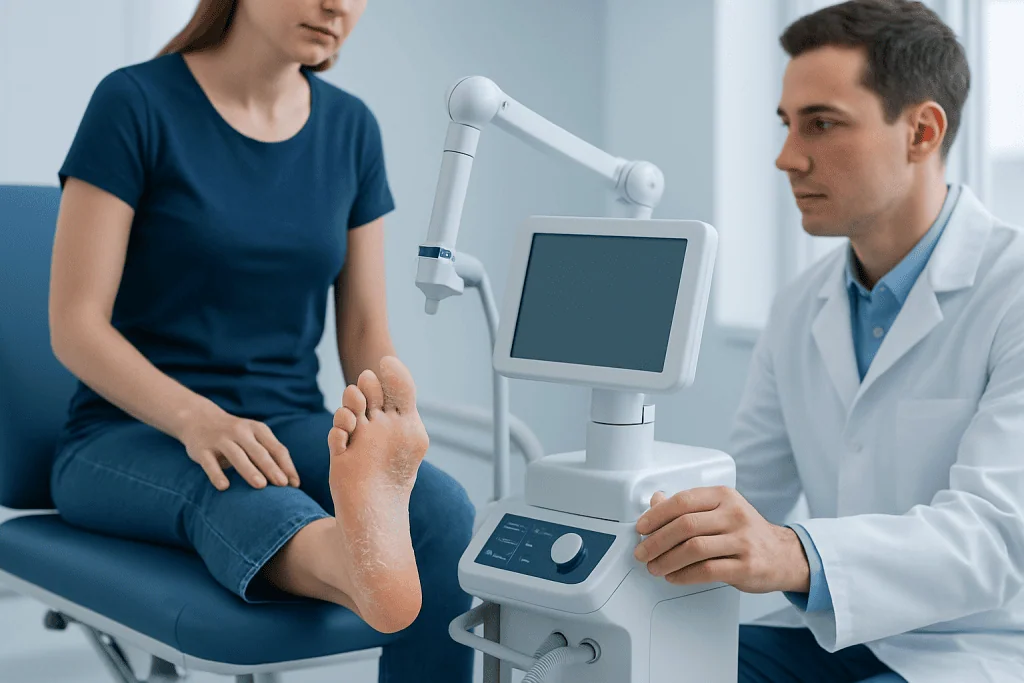
Peeling may happen on the soles, heels, sides of the feet, or between the toes. Some people notice fine flaking after bathing or exercise, while others develop larger sheets of skin coming away from the surface. The skin may feel tight, rough, tender, or unusually sensitive.
Other symptoms often help identify the cause. Itching, burning, redness, and a white soggy appearance between the toes are often seen with athlete’s foot. Thick dry scale, small cracks, and soreness on the heels are more typical of xerosis, which is very dry skin. Eczema can cause redness, itch, and recurrent flare-ups.
Warning signs of skin breakdown include painful fissures, swelling, pus, warmth, or bleeding. These suggest that the skin barrier has been damaged enough to allow irritation or infection. People with diabetes, reduced sensation, or circulation problems should pay particular attention to these changes because even minor foot skin problems can become more complicated.
- Dry flaking or scaling
- Itching or burning
- Redness or rash
- Cracks in the heels or soles
- Blisters or tenderness
- Odor or soggy skin between toes
Causes and risk factors: evidence over myths
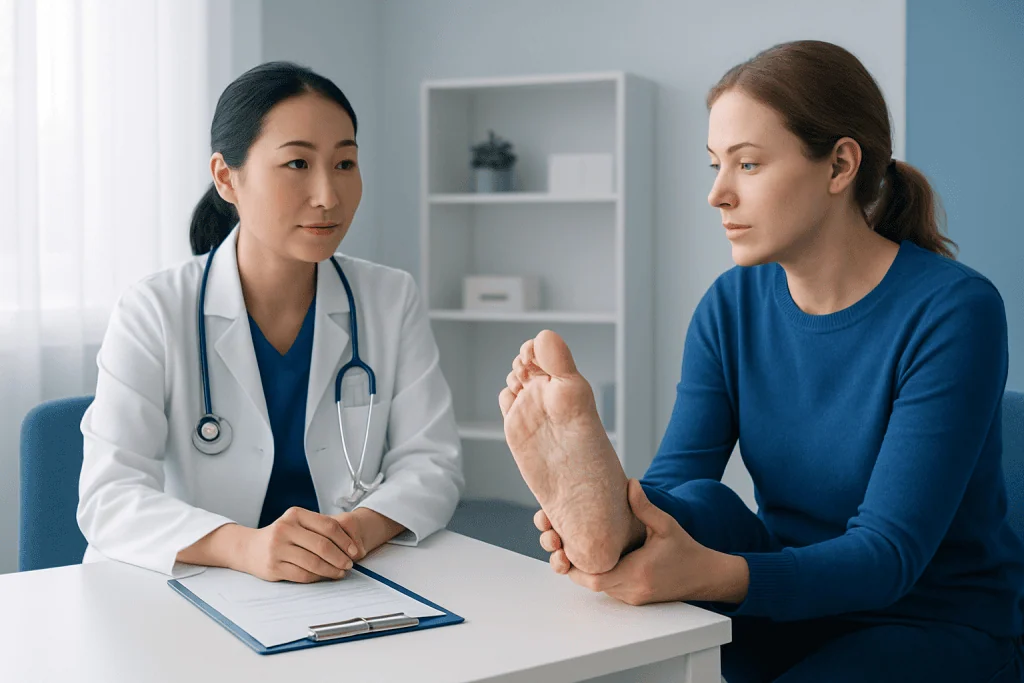
Dry skin is one of the most common causes of peeling skin on feet. The soles do not have oil glands like many other areas of the body, so they can become dry more easily, especially in cold weather, after long hot showers, or with frequent soap use. Pressure and friction can then make the dry outer layer peel.
Fungal infection is another major cause. Athlete’s foot, also called athlete’s foot, may cause scaling, itching, and peeling between the toes or along the soles. It tends to grow in warm, moist environments such as sweaty shoes, locker rooms, and shared showers. Not everyone with peeling has fungus, but it is a common diagnosis when itching and toe-web changes are present.
Inflammatory skin conditions can also affect the feet. Eczema, including dyshidrotic eczema, may cause itch, redness, blisters, and later peeling. Contact dermatitis can follow exposure to shoe materials, adhesives, fragrances, detergents, or topical products. Psoriasis can sometimes produce thicker, sharply defined scaling on the soles that can resemble fungal disease.
Risk factors include prolonged moisture, occlusive footwear, intense sweating, walking barefoot in public wet areas, sensitive skin, and a history of allergies or eczema. Less common causes include sunburn, medication reactions, and, in children, peeling after certain viral illnesses. When the diagnosis is uncertain, it is important not to rely on myths or self-diagnose for long periods.
How doctors diagnose the cause
Diagnosis usually begins with a clinical examination. A doctor looks at the location and appearance of the peeling, asks when it started, and reviews itch, pain, recent product use, footwear habits, sweating, and any past skin conditions. This often provides strong clues before any tests are needed.
If a fungal infection is suspected, a skin scraping may be examined or sent for laboratory testing to look for fungus. This can be helpful when the feet are not responding to standard treatment, when the rash is atypical, or when other conditions such as eczema or psoriasis are possible. In some cases, patch testing may be considered if allergic contact dermatitis is suspected.
Doctors also assess the condition of the nails, since fungal nail infection can occur together with foot fungus and may make recurrence more likely. They may look for cracks, wounds, or signs of bacterial infection, especially in patients with diabetes, immune suppression, or circulatory problems. If there is concern about a broader skin disorder, referral to dermatology evaluation may be appropriate.
Treatment options based on the underlying cause
Treatment for peeling skin on feet depends on what is causing it. For dry skin, the main approach is restoring the skin barrier. Gentle cleansing, avoiding very hot water, and regular use of a thick fragrance-free moisturizer can help reduce scaling and cracking. Products with urea, lactic acid, or similar ingredients may be recommended by a clinician for thicker dry skin.
When a fungal infection is confirmed or strongly suspected, antifungal treatment is usually needed. Many mild cases respond to topical therapy, but more persistent or extensive infection may require medical review and a broader skin treatment plan. It is important to continue treatment for the period advised, even if the skin looks better sooner, because stopping early can allow the infection to return.
If eczema or contact dermatitis is the cause, avoiding the trigger is essential. This may mean changing footwear, socks, detergents, or skin products. A doctor may advise anti-inflammatory treatment to calm the skin and reduce itching. Thick scaling, recurrent fissures, or uncertain diagnoses should not be repeatedly treated with over-the-counter products without reassessment.
Supportive care also matters. Keeping the feet dry, changing socks regularly, rotating shoes, and protecting cracked areas can improve healing. If peeling is associated with nail thickening, severe inflammation, or recurrent fungal infection, a doctor may also evaluate for related nail fungus or other contributing conditions.
Self-care and prevention at home
Good foot care can reduce both discomfort and recurrence. The feet should be washed gently and dried carefully, especially between the toes. Moisturizer is best applied soon after bathing to trap water in the skin, but heavy creams should usually not be placed between the toes if moisture buildup is a problem.
Footwear choices make a difference. Breathable shoes and moisture-wicking socks can reduce sweat retention, while rotating shoes allows them to dry fully between uses. In shared public areas such as pools, gyms, and communal showers, protective sandals can lower exposure to fungi.
People should avoid peeling loose skin aggressively or using harsh scrubs, as this can worsen irritation and create cracks. It is also wise not to share towels, socks, or footwear if a fungal infection is possible. If the peeling is linked to heavy sweating or repeated fungal infection, a doctor may discuss additional preventive measures and, when needed, medical assessment to look for contributing factors.
- Use lukewarm rather than hot water
- Choose fragrance-free cleansers and moisturizers
- Dry carefully between the toes
- Change socks when damp
- Wear breathable, well-fitting shoes
- Avoid walking barefoot in communal wet spaces
When to seek medical care
Medical care is recommended if peeling skin on feet lasts more than a few weeks, keeps returning, or does not improve with basic skin care. Professional assessment is also important when the cause is unclear, the rash is spreading, or symptoms are severe enough to affect walking, sleep, or daily activities.
Prompt review is especially important if there are signs of infection such as increasing redness, warmth, swelling, pus, bad odor, or fever. Deep cracks, bleeding, significant pain, or blisters should also be assessed. People with diabetes, peripheral neuropathy, poor circulation, or weakened immunity should not delay care because even small skin injuries on the feet can become more serious.
If there are concerns about a chronic skin condition, fungal disease that keeps recurring, or foot skin changes linked with nail or sole thickening, targeted evaluation can help. At Acibadem International, multidisciplinary specialists in JCI-accredited hospitals assess and treat foot skin conditions for international patients when needed.
Frequently asked questions
Is peeling skin on feet always athlete’s foot?
No. Peeling skin on feet can happen because of dryness, friction, eczema, contact dermatitis, sunburn, or other skin conditions as well as fungal infection. Itching between the toes and persistent scaling may suggest athlete’s foot, but appearance alone is not always enough for diagnosis.
Can dry skin alone make the feet peel?
Yes. Very dry skin can cause flaking, scaling, and peeling, especially on the heels and soles where pressure is high. Hot water, frequent soap use, low humidity, and tight footwear can make dryness worse.
What is the best moisturizer for peeling feet?
A thick, fragrance-free cream or ointment is often more effective than a light lotion. Products recommended by clinicians may include ingredients that help soften thicker skin, but the best choice depends on whether the skin is simply dry or affected by eczema or another condition.
Should skin between the toes be moisturized too?
Usually this area should be kept clean and dry, especially if sweating or fungal infection is a concern. Heavy creams between the toes can trap moisture and sometimes make fungal growth more likely. A doctor can advise if the toe spaces are very irritated or cracked.
When is peeling skin on feet a sign of infection?
Peeling may be related to fungal infection when it is accompanied by itching, burning, scaling, odor, or soggy white skin between the toes. Bacterial infection is more concerning if there is spreading redness, warmth, swelling, pus, or pain. These symptoms should be assessed by a healthcare professional.
Can people with diabetes ignore mild peeling on the feet?
No. Even mild peeling can lead to cracks that increase the risk of infection, especially if sensation or circulation is reduced. People with diabetes should check their feet regularly and seek medical advice for persistent dryness, peeling, wounds, or color changes.
This article is for general information only and is not a substitute for professional medical advice. Please consult a qualified doctor about your individual situation.
Explore treatments in Turkey — costs, top hospitals & a free quote
JCI-accredited · board-certified surgeons · reply within 24h
Add us as a Preferred Source to see more of our trusted health content across Google Search, AI Overviews and Discover.

More from the Health Library

Scared by Ghost — Explained by Medical Evidence, Not Myths

Subfalcine Herniation: A Complete Medical Overview

Yersinia Enterocolitica — Explained by Medical Evidence, Not Myths

Keratin: A Complete Medical Overview

Face Mask Skin Care: An Evidence-Based Guide for Patients