Stage 4 Cancer: Diagnosis, Outlook, and Modern Treatment Approaches

Stage 4 cancer is also called metastatic or advanced cancer. A stage 4 diagnosis does not mean treatment stops; many therapies can still help.
Key Takeaways
- Stage 4 cancer is also called metastatic or advanced cancer.
- A stage 4 diagnosis does not mean treatment stops; many therapies can still help.
- Symptoms vary widely depending on where the cancer started and where it has spread.
- Diagnosis usually involves imaging, biopsy, and biomarker testing to guide treatment.
- Treatment often combines systemic therapies, symptom relief, and supportive care.
- Early communication with an oncology team helps patients understand goals and options.
Stage 4 cancer means a cancer has spread beyond its original site to distant organs or tissues. While it is an advanced stage, modern treatment can still slow the disease, relieve symptoms, and help many people live longer with better quality of life.
What Stage 4 Cancer Means
Stage 4 cancer means that cancer cells have spread from the place where the cancer first began to distant parts of the body. This process is called metastasis. In many cases, stage 4 cancer can still be treated, even when it cannot be fully cured. Treatment may help shrink tumors, slow growth, control symptoms, and support daily quality of life.
The exact meaning of stage 4 can vary slightly depending on the type of cancer. For example, blood cancers such as leukemia use different staging systems, and some cancers are described using more specific terms. For most solid tumors, however, stage 4 usually indicates spread to another organ, such as the liver, lungs, bones, or brain.
It is also important to know that a stage 4 diagnosis is not the same for every person. Two people may both have stage 4 cancer but have very different disease patterns, treatment choices, and outlooks. The original cancer type, number and location of metastases, tumor biology, overall health, and response to treatment all affect the next steps.
How Stage 4 Cancer May Feel and Present
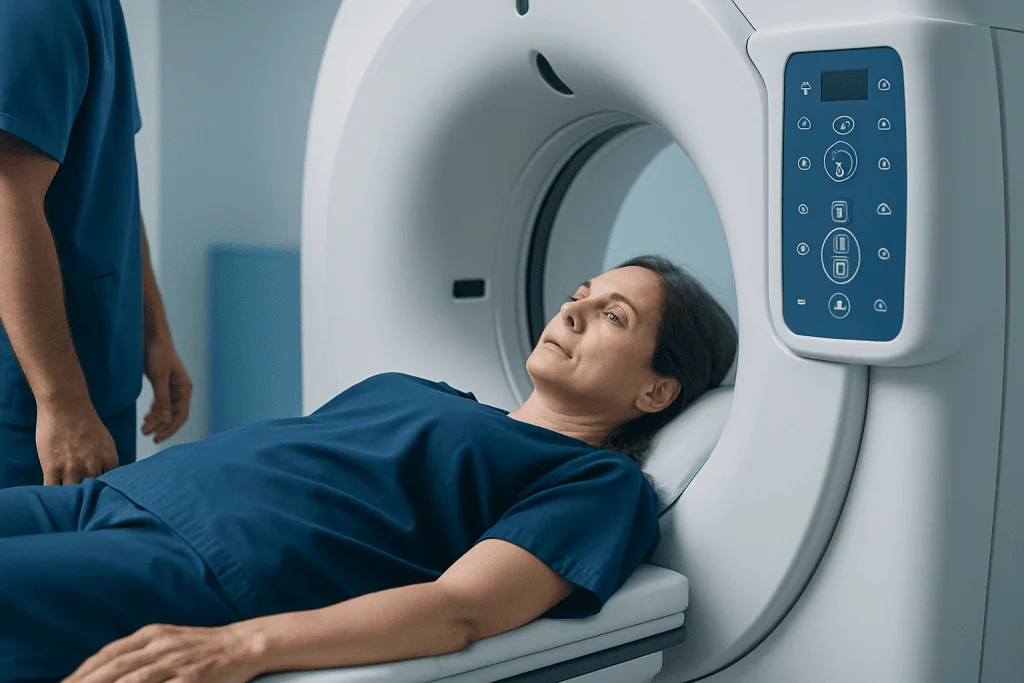
Stage 4 cancer symptoms can be very different from one person to another. Some people feel unwell because of the original tumor, while others notice symptoms related to where the cancer has spread. In some cases, stage 4 cancer is found on scans before it causes obvious symptoms.
General symptoms of advanced cancer may include ongoing fatigue, unintended weight loss, loss of appetite, pain, weakness, or reduced stamina. Some people may also have nausea, sleep changes, or a general sense that their health is declining. These symptoms are not unique to cancer, but they should be medically assessed when they persist.
Symptoms linked to specific metastatic sites may include:
- Bone spread: bone pain, fractures, or high calcium levels
- Lung spread: cough, shortness of breath, or chest discomfort
- Liver spread: abdominal fullness, jaundice, or nausea
- Brain spread: headaches, seizures, balance changes, or confusion
Because symptoms can overlap with many other conditions, doctors rely on examination and testing rather than symptoms alone. Anyone with unexplained, persistent, or worsening symptoms should speak with a qualified doctor promptly.
How Cancer Reaches Stage 4

Cancer reaches stage 4 when malignant cells break away from the primary tumor, travel through the bloodstream or lymphatic system, and establish new tumors elsewhere in the body. This is a biological process influenced by the cancer’s type, grade, genetic features, and ability to invade nearby tissues.
Not every cancer behaves in the same way. Some cancers tend to spread early, while others remain localized for longer. Common examples of cancers that may become metastatic include breast cancer, lung cancer, colorectal cancer, prostate cancer, and melanoma. The organs affected often follow recognizable patterns, but spread can still vary greatly from person to person.
Risk factors for developing advanced cancer may include delayed diagnosis, aggressive tumor biology, incomplete response to earlier treatment, or recurrence after a period of remission. However, stage 4 cancer is not always the result of late detection. Some cancers are biologically advanced before they cause noticeable symptoms, which is why a stage 4 diagnosis should never be viewed as a personal failure.
How Doctors Confirm the Diagnosis
Diagnosing stage 4 cancer usually involves several steps. Doctors begin with a medical history, symptom review, and physical examination. They then use imaging tests to look for the primary tumor and any sites of spread. Common tests include CT, MRI, PET-CT, bone scans, ultrasound, and X-rays, depending on the suspected cancer type.
A biopsy is often needed to confirm the diagnosis. This means taking a sample of tissue or cells from the tumor or a metastatic site and examining it under a microscope. Pathology helps identify the exact cancer type and may show whether the spread is from the original cancer or from a different condition.
Modern cancer care also depends heavily on laboratory and molecular testing. Blood tests may assess organ function, blood counts, and tumor markers in selected cases. Tumor biomarker testing can look for mutations, hormone receptors, or protein targets that guide treatment decisions, including immunotherapy and other targeted approaches. In some patients, genomic profiling adds useful detail about how the cancer may respond to different therapies.
Once the diagnosis is confirmed, the oncology team explains the extent of disease, treatment goals, and likely next steps. This discussion often includes whether treatment is intended to control disease for as long as possible, relieve symptoms, or both.
Modern Treatment Approaches for Stage 4 Cancer
Treatment for stage 4 cancer is individualized. The main options depend on the type of cancer, the organs involved, molecular features, prior treatments, symptoms, and the person’s overall health. Many patients receive systemic treatment, meaning treatment that travels through the body to reach cancer cells wherever they are.
Systemic options may include chemotherapy, hormone therapy, targeted therapy, and immunotherapy. Some cancers respond especially well to biomarker-driven treatment, which can sometimes control disease for meaningful periods. In selected cases, combinations of therapies are used to improve response while balancing side effects and quality of life.
Local treatments can also play an important role. radiation therapy may relieve pain, reduce bleeding, or treat brain or bone metastases. Surgery is less commonly used in stage 4 disease, but it may still be considered for symptom control, removal of limited metastases, or treatment of a primary tumor in carefully selected patients. Supportive procedures, such as draining fluid or stabilizing weakened bones, may also improve comfort and function.
Palliative care is an important part of treatment at any stage of advanced cancer. It focuses on symptom relief, emotional support, nutrition, sleep, and day-to-day well-being alongside cancer treatment. At Acibadem International, multidisciplinary specialists in JCI-accredited hospitals evaluate advanced cancers and tailor treatment plans for international patients based on the cancer type and the person’s needs.
Outlook, Prognosis, and Living With Advanced Cancer
Many people ask whether stage 4 cancer is always terminal. The honest answer is that outlook varies widely. Some stage 4 cancers are very difficult to control, while others can be managed for extended periods with modern therapy. The prognosis depends on the primary cancer type, tumor biology, how far it has spread, response to treatment, and the person’s general health.
Doctors often avoid predicting an exact timeline because individual courses can differ significantly from averages. Instead, they focus on realistic goals: shrinking tumors when possible, slowing progression, preventing complications, preserving organ function, and supporting daily life. For some patients, treatment may lead to long periods of stability.
Living with stage 4 cancer often involves ongoing monitoring and adjustment of care. Follow-up may include repeat scans, blood tests, symptom review, and management of treatment side effects. Emotional support is also important. Counseling, support groups, palliative care, social work, and open communication with family and clinicians can help patients and caregivers cope with uncertainty and make informed decisions.
Self-care and Support During Treatment
Self-care does not replace medical treatment, but it can help people feel stronger and more supported during stage 4 cancer care. A balanced diet, hydration, gentle movement when tolerated, and regular rest may improve energy and function. Practical support with transportation, meals, finances, and medication schedules can also reduce stress for patients and families.
Patients should tell their oncology team about all symptoms, including pain, constipation, poor sleep, breathlessness, anxiety, and low mood. Many of these problems can be managed with medicines, rehabilitation, nutrition support, counseling, or palliative care. Early reporting often leads to better symptom control and fewer urgent hospital visits.
It is also wise to discuss treatment goals and personal priorities. Some people prioritize life prolongation above all else, while others focus more on independence, comfort, or time at home. These preferences can change over time, and they are an important part of shared decision-making.
People considering supplements, special diets, or complementary therapies should check with their doctor first. Some products can interfere with cancer treatment or affect bleeding, liver function, or drug absorption.
When to Seek Medical Care
Anyone with symptoms that could suggest cancer, such as unexplained weight loss, persistent pain, ongoing cough, unusual bleeding, or new neurological symptoms, should seek medical evaluation. People who already have cancer should contact their care team if symptoms worsen, treatment side effects become difficult to manage, or new symptoms appear.
Urgent medical care is especially important for severe shortness of breath, chest pain, sudden weakness, confusion, seizures, uncontrolled vomiting, high fever, or signs of spinal cord compression such as new leg weakness or loss of bladder control. These symptoms do not always mean cancer progression, but they should be assessed quickly.
Regular follow-up matters even when a person feels relatively well. Early evaluation can identify complications, guide timely treatment changes, and address symptoms before they become more difficult to manage.
Frequently asked questions
Is stage 4 cancer always terminal?
Stage 4 cancer is an advanced form of cancer, but it is not the same in every person. Some cancers can be controlled for long periods with modern treatments, even when they cannot be completely cured. Doctors look at the cancer type, spread pattern, biomarkers, and treatment response to estimate outlook.
Can stage 4 cancer go into remission?
Yes, some people with stage 4 cancer can have a partial or complete remission, depending on the cancer type and treatment. In other cases, the disease may become stable for a meaningful period without fully disappearing. Remission does not always mean the cancer is cured, so ongoing follow-up is still needed.
What is the difference between stage 4 cancer and metastatic cancer?
For most solid tumors, stage 4 cancer usually means the cancer is metastatic, which means it has spread to distant parts of the body. The exact staging system can vary by cancer type, so doctors may use slightly different terms. In everyday practice, the two terms often overlap.
How do doctors decide the best treatment for stage 4 cancer?
Doctors consider where the cancer started, where it has spread, how fast it is growing, and whether the tumor has specific biomarkers. They also look at symptoms, previous treatments, organ function, and the person’s preferences and overall health. This helps them build a treatment plan that balances disease control and quality of life.
Is treatment only palliative in stage 4 cancer?
Not always. Many stage 4 cancers are treated with active therapies such as chemotherapy, targeted therapy, hormone therapy, immunotherapy, or radiation to control the disease. Palliative care is often added alongside these treatments to relieve symptoms and improve comfort.
What questions should patients ask after a stage 4 cancer diagnosis?
Helpful questions include what type of cancer it is, where it has spread, what the treatment goals are, and whether biomarker testing is recommended. Patients may also ask about likely side effects, expected follow-up, symptom management, and whether clinical trials are appropriate. Clear communication can make decision-making more manageable.
References
- National Cancer Institute
- American Cancer Society
- World Health Organization
- National Comprehensive Cancer Network
- European Society for Medical Oncology
This article is for general information only and is not a substitute for professional medical advice. Please consult a qualified doctor about your individual situation.
Oncology care in Turkey — second opinion and treatment plan
JCI-accredited · board-certified surgeons · reply within 24h
Add us as a Preferred Source to see more of our trusted health content across Google Search, AI Overviews and Discover.