Alcohol Induced Dementia: A Complete Medical Overview

Alcohol induced dementia describes cognitive decline associated with prolonged heavy alcohol use and related brain injury. Symptoms can include memory problems, poor judgment, slowed thinking, personality changes, and difficulty with daily tasks.
Key Takeaways
- Alcohol induced dementia describes cognitive decline associated with prolonged heavy alcohol use and related brain injury.
- Symptoms can include memory problems, poor judgment, slowed thinking, personality changes, and difficulty with daily tasks.
- Vitamin deficiencies, especially thiamine deficiency, often play an important role alongside the direct effects of alcohol on the brain.
- Early diagnosis, stopping alcohol use, nutritional treatment, and rehabilitation may help stabilize or improve symptoms.
- Doctors also need to rule out other causes of dementia, including stroke, depression, medication effects, and neurodegenerative disease.
Alcohol induced dementia refers to lasting problems with memory, thinking, behavior, and daily function that are linked to long-term heavy alcohol use. It is a serious but sometimes partly reversible condition, especially when recognized early and managed with alcohol cessation, nutrition support, and medical care.
Overview: What alcohol induced dementia means
Alcohol induced dementia is a broad term used when long-term heavy alcohol use leads to lasting problems with memory, attention, judgment, behavior, and the ability to manage everyday life. In clinical practice, doctors may also use terms such as alcohol-related dementia or alcohol-related brain damage. These terms reflect the fact that alcohol can affect the brain in more than one way, including direct toxic effects, repeated nutritional deficiencies, liver-related complications, and injury from falls or head trauma.
This condition is different from the brief confusion or poor concentration that may happen during intoxication or withdrawal. Alcohol induced dementia involves persistent cognitive decline that continues beyond temporary alcohol effects. Some people mainly develop difficulty planning, organizing, or controlling impulses, while others have prominent memory loss.
One related condition is Wernicke-Korsakoff syndrome, which is strongly linked to thiamine deficiency. Wernicke encephalopathy is an acute medical emergency that can cause confusion, balance problems, and eye movement abnormalities. If not treated promptly, it may progress to Korsakoff syndrome, a chronic disorder marked by severe memory impairment.
Although alcohol-related brain injury can be serious, it is important to know that not all damage is progressive in the same way as classic neurodegenerative dementias. In some people, symptoms may stabilize or partly improve with alcohol cessation, nutritional treatment, rehabilitation, and careful medical follow-up.
Symptoms and daily effects

Symptoms of alcohol induced dementia often develop gradually, and family members may notice changes before the person does. Common early signs include forgetfulness, repeated questions, trouble following conversations, poor concentration, and difficulty finishing familiar tasks. A person may also struggle with work responsibilities, money management, medication schedules, or keeping appointments.
Changes in behavior and personality are also common. Some people become more irritable, apathetic, impulsive, or socially withdrawn. Others may show reduced insight, meaning they do not fully recognize the extent of their memory or judgment problems. Because executive function is often affected, planning, decision-making, and problem-solving can become noticeably harder.
Physical and neurological symptoms may appear alongside cognitive changes, especially when nutritional deficiency or broader alcohol-related harm is present. These can include unsteady walking, poor coordination, tremor, numbness in the hands or feet, sleep problems, and mood symptoms such as anxiety or depression.
- Memory loss, especially for recent events
- Reduced attention and slowed thinking
- Poor judgment and difficulty organizing tasks
- Personality or behavior changes
- Balance problems and falls
- Trouble coping independently at home or work
How alcohol damages the brain
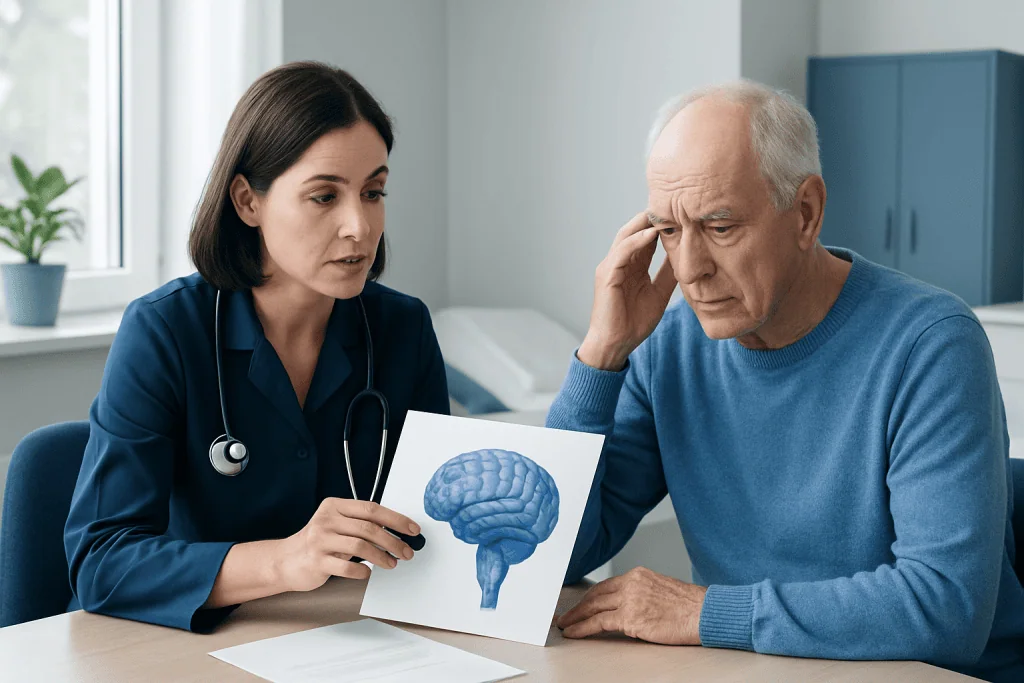
Alcohol induced dementia does not usually result from a single mechanism. Long-term heavy alcohol use can directly injure brain cells and affect communication between different brain regions. Over time, this may contribute to shrinkage in parts of the brain involved in memory, planning, emotional control, and coordination.
Nutritional deficiency is another major factor, especially low thiamine, also called vitamin B1. Heavy alcohol use may reduce appetite, interfere with nutrient absorption, and make it harder for the body to use vitamins properly. Thiamine is essential for brain energy metabolism, so deficiency can lead to serious neurological injury.
Doctors also consider related health problems that may worsen cognitive decline. These include liver disease, repeated episodes of withdrawal, sleep disturbance, head injuries, infections, and vascular disease. In some people, alcohol exposure may coexist with another dementia process rather than being the only cause.
Because symptoms may overlap with other conditions, the assessment often includes consideration of Alzheimer’s disease, depression, stroke, and metabolic disorders. The goal is not only to identify alcohol’s role, but also to find treatable contributors that can be addressed early.
Risk factors and who is more likely to be affected
The main risk factor is prolonged heavy alcohol use, particularly over many years. There is no exact threshold that predicts who will develop alcohol related cognitive decline, because individual vulnerability differs. Genetics, age, body size, diet, coexisting illness, and patterns of drinking can all influence risk.
People with poor nutrition are at higher risk, especially if meals are regularly skipped or weight loss is present. Repeated vomiting, gastrointestinal disease, and poor absorption can further worsen vitamin deficiencies. Risk also increases when alcohol use is combined with smoking, uncontrolled high blood pressure, diabetes, or liver disease.
Older adults may be especially vulnerable because aging itself can reduce cognitive reserve. If a person already has mild memory problems, alcohol may make those changes more noticeable or severe. On the other hand, alcohol-related brain injury can also affect younger adults with long-standing alcohol dependence.
Social factors matter as well. Delayed medical care, isolation, untreated mental health conditions, and limited support for alcohol cessation can all contribute to worse outcomes. Early recognition is important because treatment is more effective before severe disability develops.
Diagnosis and medical evaluation
There is no single test that confirms alcohol induced dementia on its own. Diagnosis is based on a careful medical history, information from family or caregivers, physical and neurological examination, and an assessment of memory and thinking. Doctors ask about drinking patterns, nutrition, medications, mood symptoms, past head injuries, and changes in daily function.
Blood tests are often used to look for vitamin deficiencies, liver dysfunction, thyroid disease, infection, anemia, and other reversible causes of cognitive symptoms. Brain imaging, such as MRI or CT, may help identify stroke, brain shrinkage, bleeding, hydrocephalus, or other structural problems. In selected cases, a more detailed brain MRI can support the evaluation of cognitive decline.
Cognitive screening and formal neuropsychological testing may be recommended to define which mental abilities are affected. This can help distinguish alcohol-related impairment from other causes and establish a baseline for follow-up. If gait disturbance, tremor, weakness, or sensory symptoms are present, the doctor may also examine the peripheral nervous system and balance.
Because memory problems can have many causes, some patients benefit from specialist assessment in neurology or geriatric medicine. The diagnostic process should be individualized, respectful, and nonjudgmental, with a focus on both safety and recovery potential.
Treatment options and recovery
The foundation of treatment is stopping alcohol use safely and as early as possible. This may require supervised withdrawal management, especially if a person has had severe withdrawal symptoms before. Ongoing treatment for alcohol use disorder can include counseling, family support, rehabilitation programs, and medication when appropriate.
Nutritional treatment is a key part of care. Thiamine replacement is often given if deficiency is suspected, and doctors may also correct low levels of other vitamins, dehydration, and electrolyte imbalance. A balanced diet, regular meals, and treatment of liver disease or gastrointestinal problems can support brain recovery and general health.
Rehabilitation can help people regain function or adapt to lasting changes. Depending on the person’s needs, this may involve memory strategies, occupational therapy, physiotherapy for balance, speech and language therapy, and treatment of mood or sleep disorders. If daily activities have become difficult, home safety measures and caregiver support are often necessary.
When another neurological condition is suspected, doctors may investigate further for disorders such as Parkinson’s disease or mixed dementia. In complex cases, coordinated care through neurosciences services or multidisciplinary brain health programs may be helpful. Near the end of the care pathway, some international patients choose centers such as Acibadem International, where multidisciplinary specialists in JCI-accredited hospitals evaluate and treat cognitive and neurological conditions.
Prevention and self-care
The most effective way to prevent alcohol induced dementia is to avoid long-term heavy drinking and seek help early if alcohol use is becoming difficult to control. Reducing alcohol intake sooner rather than later may lower the risk of lasting brain injury. People who already notice blackouts, falls, poor nutrition, or memory changes should not ignore these warning signs.
Good nutrition is especially important. Regular meals, adequate protein, hydration, and attention to vitamins support brain function and overall health. People with long-term alcohol use should not self-treat serious symptoms with supplements alone, because thiamine deficiency and withdrawal can require urgent medical care.
Self-care also includes protecting the brain from further harm. Managing blood pressure, diabetes, sleep problems, and depression can support cognitive health. Avoiding head injuries, reviewing medications with a doctor, and staying physically and socially active may also help maintain function.
Family involvement can make a major difference. Loved ones may help notice subtle changes, encourage medical assessment, and support treatment adherence. Practical steps such as calendars, pill organizers, written routines, and reduced driving or financial risk can improve safety while evaluation is underway.
When to seek medical care
Medical care should be sought if a person develops persistent memory loss, confusion, poor judgment, or sudden changes in behavior that interfere with daily life. Assessment is also important if heavy alcohol use is accompanied by falls, unsteady walking, repeated vomiting, weight loss, poor self-care, or concern from family members.
Urgent evaluation is needed if there are signs of severe withdrawal, new hallucinations, seizures, marked drowsiness, severe confusion, inability to walk steadily, or eye movement problems. These symptoms can indicate a medical emergency, including Wernicke encephalopathy or other serious alcohol-related complications.
Early medical attention matters because some causes of cognitive decline are treatable, and some alcohol-related brain changes may improve if addressed promptly. A qualified doctor can help determine whether symptoms are due to alcohol, another neurological condition, or a combination of factors, and guide the next steps safely.
Frequently asked questions
Is alcohol induced dementia the same as Alzheimer's disease?
No. Alcohol induced dementia is linked to the effects of long-term heavy alcohol use and related nutritional or medical complications, while Alzheimer's disease is a neurodegenerative disorder with a different underlying process. However, symptoms can overlap, and some people may have more than one cause of cognitive decline.
Can alcohol induced dementia be reversed?
Some people improve partially after they stop drinking and receive nutritional and medical treatment, especially when the condition is recognized early. Recovery varies from person to person, and severe or long-standing damage may not fully reverse. The goal is often to stabilize symptoms, improve function, and prevent further decline.
How much alcohol causes dementia?
There is no single amount that predicts who will develop alcohol related brain damage. Risk generally rises with long-term heavy drinking, poor nutrition, repeated withdrawal, and other health problems. A doctor can help assess personal risk in the context of overall health and drinking pattern.
What is the difference between alcohol induced dementia and Wernicke-Korsakoff syndrome?
Wernicke-Korsakoff syndrome is a specific alcohol-related brain disorder strongly associated with thiamine deficiency. Alcohol induced dementia is a broader term that can include chronic cognitive decline from several alcohol-related mechanisms. In practice, the two may overlap in some patients.
What tests are used to diagnose alcohol induced dementia?
Doctors usually combine history, physical and neurological examination, cognitive testing, blood tests, and sometimes brain imaging. They also review mood symptoms, medications, nutrition, and alcohol use history. The main aim is to identify alcohol's role and rule out other treatable causes.
Should someone with memory loss stop drinking suddenly?
Not always without medical advice, because sudden alcohol cessation can cause dangerous withdrawal in people who drink heavily. A doctor can decide whether supervised detoxification is needed. Seeking medical guidance first is the safest approach.
References
- World Health Organization
- National Institute on Alcohol Abuse and Alcoholism
- National Institute on Aging
- Alzheimer's Association
- Merck Manual Professional Edition
This article is for general information only and is not a substitute for professional medical advice. Please consult a qualified doctor about your individual situation.
Dementia in Turkey — costs, top hospitals & a free quote
JCI-accredited · board-certified surgeons · reply within 24h
Add us as a Preferred Source to see more of our trusted health content across Google Search, AI Overviews and Discover.

Neurology
Diagnosis and treatment of disorders of the brain, spinal cord, nerves and muscles.
51 specialists in this unitMore from the Health Library

Cyst Inside the Stomach: A Complete Medical Overview

Bnp Test: What Patients Need to Know

Red Spots on Penis: A Complete Medical Overview

Globulin — Explained by Medical Evidence, Not Myths

Capgras Delusion: A Complete Medical Overview