Male Body Types — Explained by Medical Evidence, Not Myths

Male body types are best understood through body composition, fat distribution, and overall health—not appearance alone. The classic somatotypes can be a rough description, but they do not determine fitness, metabolism, or health destiny.
Key Takeaways
- Male body types are best understood through body composition, fat distribution, and overall health—not appearance alone.
- The classic somatotypes can be a rough description, but they do not determine fitness, metabolism, or health destiny.
- Hormones, genetics, aging, sleep, diet, physical activity, and medical conditions all influence body shape.
- Waist size and where fat is stored may matter more for health than weight alone.
- A sudden or unexplained change in body shape can sometimes point to an underlying medical issue.
Male body types are not limited to a few fixed categories. Medical evidence shows that a man’s body shape reflects body composition, bone structure, genetics, hormones, age, and lifestyle more than simple labels such as ectomorph, mesomorph, or endomorph.
Overview: what male body types really mean
Male body types are broad descriptions of how a man’s body is built and where it tends to store fat and muscle. In medical terms, body type is better understood through body composition, fat distribution, frame size, muscle mass, and metabolic health rather than through appearance-based labels alone.
Many people know the classic three somatotypes: ectomorph, mesomorph, and endomorph. These terms can be useful as general descriptions, but they are not medical diagnoses and they do not predict a person’s future health with certainty. Most men are not purely one type; instead, they have a mix of characteristics that can change over time.
From a health perspective, doctors usually focus on measurable factors such as body mass index, waist circumference, body fat percentage, muscle mass, blood pressure, blood sugar, and cholesterol. These provide a more accurate picture than trying to fit someone into a single body-type category.
The common body-type labels and their limits
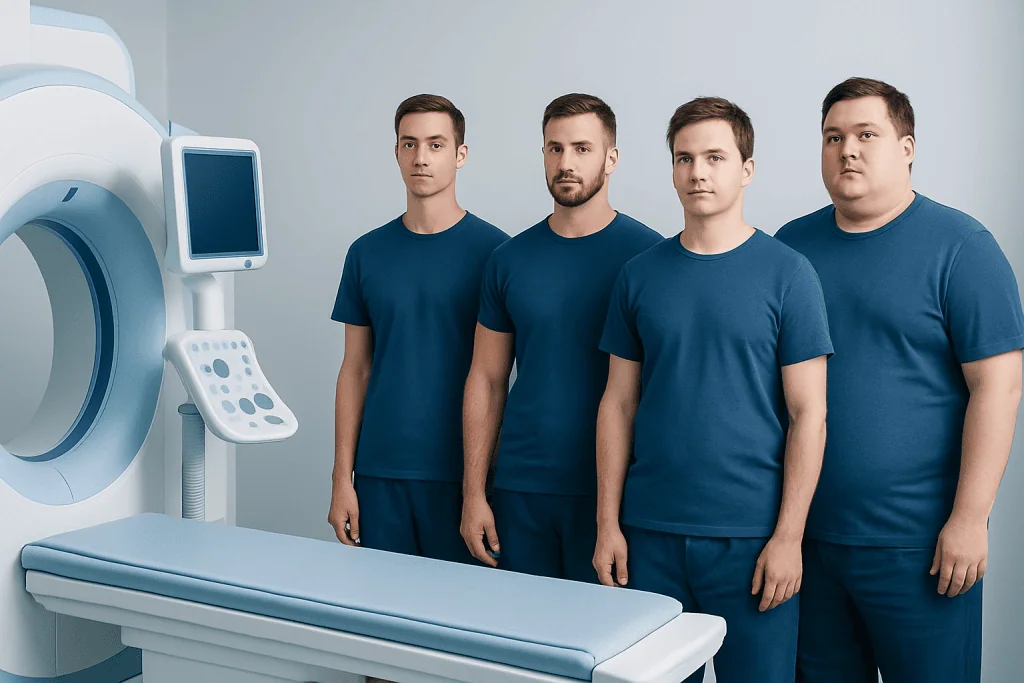
The traditional somatotype model describes three patterns. An ectomorph is typically portrayed as relatively lean with a smaller frame and less body fat. A mesomorph is often described as naturally muscular or athletic. An endomorph is commonly described as having a rounder build and tending to gain fat more easily.
These labels can be easy to understand, but they simplify a much more complex reality. Genetics influence height, shoulder width, pelvis shape, limb length, and natural muscle-building potential. At the same time, lifestyle factors such as diet, resistance training, stress, alcohol use, sleep, and daily activity strongly affect whether a person appears lean, muscular, or carries more body fat.
Importantly, no body type is automatically healthy or unhealthy. A lean man may still have poor metabolic health, and a larger man may have good blood pressure and blood sugar. Even so, carrying excess abdominal fat is associated with a higher risk of conditions such as type 2 diabetes and cardiovascular disease.
- Somatotypes are descriptive, not diagnostic.
- Most men have mixed features rather than one pure type.
- Body type can change with age, hormones, activity, and nutrition.
- Health risk depends more on internal markers than on shape alone.
What shapes the male body: genetics, hormones, and lifestyle
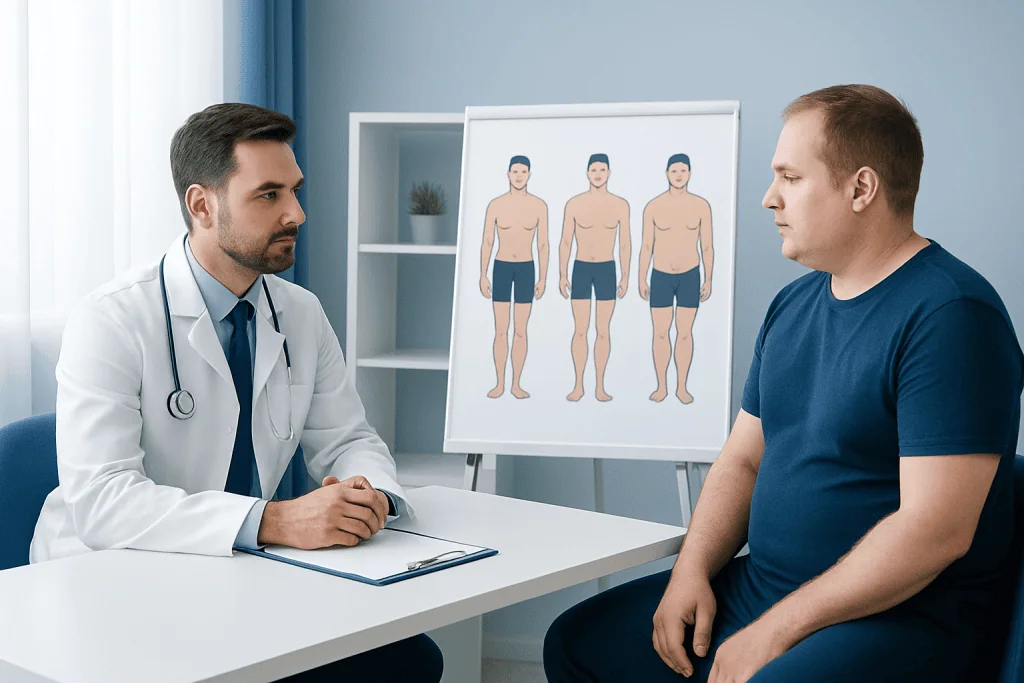
Genetics play a major role in body shape. They help determine a person’s frame size, muscle fiber composition, tendency to store fat in certain areas, and how the body responds to exercise. Some men naturally gain muscle more easily, while others remain relatively lean despite eating more. This variation is normal and does not necessarily reflect discipline or effort.
Hormones are another major influence. Testosterone supports muscle mass, bone health, body hair, and aspects of fat distribution. Thyroid hormones affect energy use and metabolism. Insulin helps regulate blood sugar and fat storage. Cortisol, the body’s stress hormone, can influence appetite, sleep, and where weight is carried. Hormonal imbalance may contribute to changes in weight, reduced muscle mass, fatigue, or increased abdominal fat.
Lifestyle often has a strong effect over time. Resistance training supports muscle retention and bone health, while aerobic activity supports heart and metabolic health. Diet quality, total calorie intake, sleep duration, and alcohol use all affect body composition. Men with central weight gain, fatigue, or unexplained changes may need medical assessment, especially if there is concern about obesity or a hormone-related condition.
Why fat distribution matters more than a simple body label
For health, where fat is stored can matter more than how large or small the body looks overall. Fat around the abdomen, sometimes called central or visceral fat, is more strongly linked to insulin resistance, high blood pressure, abnormal cholesterol, fatty liver disease, and heart disease. In contrast, fat stored more peripherally may carry different risk patterns.
This is one reason doctors often measure waist circumference in addition to weight. A person can have a body weight that seems average yet still have excess abdominal fat and reduced muscle mass. This pattern is sometimes overlooked when attention is focused only on the scale or on outward body shape.
Body composition tools can provide a more detailed view. These may include waist and hip measurements, skinfold testing, bioelectrical impedance, or imaging methods in selected cases. Clinicians may also recommend blood tests to assess glucose, lipids, liver function, thyroid function, or testosterone when symptoms suggest an underlying issue.
When weight gain is significant and affecting health, care may include structured lifestyle treatment and, in some patients, specialist-guided obesity surgery. The right approach depends on the individual’s health status, goals, and medical history.
How male body types change with age
Male body type is not fixed for life. During puberty, rising sex hormones increase muscle mass, bone density, and height. In early adulthood, muscle-building capacity is often relatively strong, especially with regular resistance training. Later in life, men commonly begin to lose muscle mass and gain fat more easily, particularly around the abdomen.
Aging may also bring changes in hormone levels, activity patterns, sleep, and recovery after exercise. Some men notice lower stamina, reduced strength, and a softer body composition even if body weight changes only slightly. This is one reason healthy aging focuses on preserving muscle, not just reducing weight.
Medical conditions can also change body shape over time. Low testosterone, thyroid disorders, chronic stress, sleep apnea, liver disease, medication effects, and insulin resistance can all contribute to body-composition changes. In selected patients with severe obesity and related health problems, bariatric surgery may be discussed as part of long-term treatment.
How doctors assess body type and body composition
There is no single medical test called a “male body type test.” Instead, clinicians assess the body using a combination of measurements, symptoms, medical history, and laboratory data. Height, weight, waist circumference, and blood pressure are often the starting points. Doctors may also ask about exercise habits, sleep quality, family history, medications, alcohol use, and recent changes in weight or strength.
If a hormonal or metabolic issue is suspected, additional tests may be recommended. These can include blood glucose, HbA1c, cholesterol levels, thyroid function tests, liver enzymes, and testosterone or other hormone studies when appropriate. The goal is not to label a person by appearance, but to identify any risks that need treatment or follow-up.
In some cases, concerns about body shape may involve more than metabolism alone. For example, enlarged breast tissue in men can be related to hormones, medications, weight gain, or other causes and may need evaluation for gynecomastia. A careful medical assessment helps separate normal variation from a treatable condition.
Healthy self-care for different male body patterns
The healthiest approach to male body types is to support function, strength, and metabolic health rather than chasing a single ideal look. Men who are naturally lean may benefit from strength training and adequate protein intake to build or preserve muscle. Men who gain abdominal fat more easily may benefit from consistent activity, portion awareness, high-fiber meals, and reducing excess alcohol and ultra-processed foods.
Across body patterns, several habits are consistently helpful: regular resistance exercise, aerobic activity, sufficient sleep, stress management, and long-term eating patterns that are balanced and sustainable. Extreme dieting, rapid bulking, and unregulated supplements can be risky and often do not produce durable results.
Professional support can be useful when body-composition goals are difficult to reach or when symptoms suggest a medical problem. A doctor, endocrinologist, dietitian, or exercise professional can help create a plan based on health markers, not myths. Near the end of the care pathway, some international patients choose evaluation at Acibadem International, where multidisciplinary specialists in JCI-accredited hospitals assess and treat weight, hormonal, and metabolic concerns.
When to seek medical care
Many differences in male body shape are normal. However, medical advice is important if body changes are sudden, unexplained, or accompanied by symptoms. Examples include rapid weight gain or loss, marked fatigue, reduced libido, breast enlargement, muscle loss, swelling, or a clear increase in abdominal size without an obvious reason.
It is also sensible to seek care if there are signs of metabolic disease, such as increased thirst, frequent urination, snoring with daytime sleepiness, elevated blood pressure, or a strong family history of diabetes or heart disease. Men who are concerned about persistent central fat, low muscle mass, or possible hormone imbalance can benefit from a clinical evaluation.
Urgent care is warranted for chest pain, severe shortness of breath, fainting, or other acute symptoms. For non-urgent concerns, a routine appointment allows a qualified doctor to assess body composition, review possible causes, and recommend safe next steps.
Frequently asked questions
Are ectomorph, mesomorph, and endomorph real medical categories?
They are descriptive categories rather than strict medical diagnoses. Some men may recognize features of one or more of these patterns, but most bodies do not fit neatly into a single type. Doctors usually rely on body composition and health markers instead of somatotype labels alone.
Can a man change his body type?
A man may not change his basic bone structure, but body composition can change significantly. Muscle mass, body fat, fitness, and waist size often improve with resistance training, aerobic exercise, sleep, and nutrition. Age and hormones also influence how the body changes over time.
Which male body type is the healthiest?
There is no single healthiest body type by appearance. Good health depends more on factors such as blood pressure, blood sugar, cholesterol, muscle mass, physical fitness, and abdominal fat. A balanced lifestyle and regular medical follow-up matter more than fitting a visual category.
Is belly fat more concerning than fat in other areas?
In general, excess abdominal fat is more closely linked with metabolic and cardiovascular risks than some other fat patterns. It may be associated with insulin resistance, fatty liver disease, and high blood pressure. That is why waist size is often checked during routine health assessments.
Do hormones affect male body shape?
Yes. Testosterone, thyroid hormones, insulin, and cortisol all influence muscle mass, energy use, and fat distribution. If a man has fatigue, reduced strength, low libido, or unexplained body changes, a doctor may consider whether hormone testing is needed.
When should body-shape changes be checked by a doctor?
Medical review is a good idea if changes are sudden, unexplained, or come with other symptoms such as fatigue, breast enlargement, weakness, swelling, or rapid weight gain or loss. A check-up is also helpful for persistent central weight gain or concerns about diabetes risk. A clinician can decide whether testing or treatment is appropriate.
This article is for general information only and is not a substitute for professional medical advice. Please consult a qualified doctor about your individual situation.
Explore treatments in Turkey — costs, top hospitals & a free quote
JCI-accredited · board-certified surgeons · reply within 24h
Add us as a Preferred Source to see more of our trusted health content across Google Search, AI Overviews and Discover.
Check your numbers in seconds
BMI, calories, due date, blood pressure and 30+ more clinical calculators — free, instant, doctor-reviewed ranges.

More from the Health Library

Blastocyst: An Evidence-Based Guide for Patients

Erythritol: A Complete Medical Overview

Widowmaker heart attack: Symptoms, Causes, and Treatment — Complete Patient Guide

Female Anatomy: What Patients Need to Know

Chlamydia Tes: What Patients Need to Know