Female Anatomy: What Patients Need to Know

Female anatomy includes both external structures, such as the vulva, and internal organs, such as the vagina, cervix, uterus, fallopian tubes, and ovaries. The urinary opening, pelvic floor muscles, and breasts are closely related to female health but are distinct from the reproductive organs.
Key Takeaways
- Female anatomy includes both external structures, such as the vulva, and internal organs, such as the vagina, cervix, uterus, fallopian tubes, and ovaries.
- The urinary opening, pelvic floor muscles, and breasts are closely related to female health but are distinct from the reproductive organs.
- Normal anatomy varies from person to person in size, shape, color, and appearance.
- Hormones influence menstruation, fertility, sexual function, and changes across puberty, pregnancy, and menopause.
- Pelvic pain, unusual bleeding, new lumps, discharge with odor, or urinary problems should be evaluated by a qualified doctor.
Female anatomy includes the external genitals, internal reproductive organs, breasts, pelvic floor, and nearby urinary structures. Understanding how these parts are built and what they do can help patients recognize normal changes, support reproductive and sexual health, and know when to seek medical care.
Overview of Female Anatomy
Female anatomy refers to the body structures commonly involved in reproduction, sexual function, menstruation, pregnancy, and pelvic support. It includes external genital structures, internal reproductive organs, the breasts, and the muscles and connective tissues of the pelvic floor. Nearby urinary structures are also important because bladder and urethral symptoms can overlap with gynecologic concerns.
For many patients, learning female anatomy is helpful not only for school or general knowledge, but also for understanding symptoms, medical tests, and treatment choices. Knowing the difference between the vulva and the vagina, for example, can make it easier to describe discomfort accurately and discuss concerns with a clinician.
It is also important to remember that normal anatomy varies. External appearance, breast size, labial shape, vaginal depth, and pelvic muscle tone differ from person to person. Variation does not necessarily mean disease, and many features that patients worry about are entirely normal.
External Anatomy: The Vulva and Nearby Structures
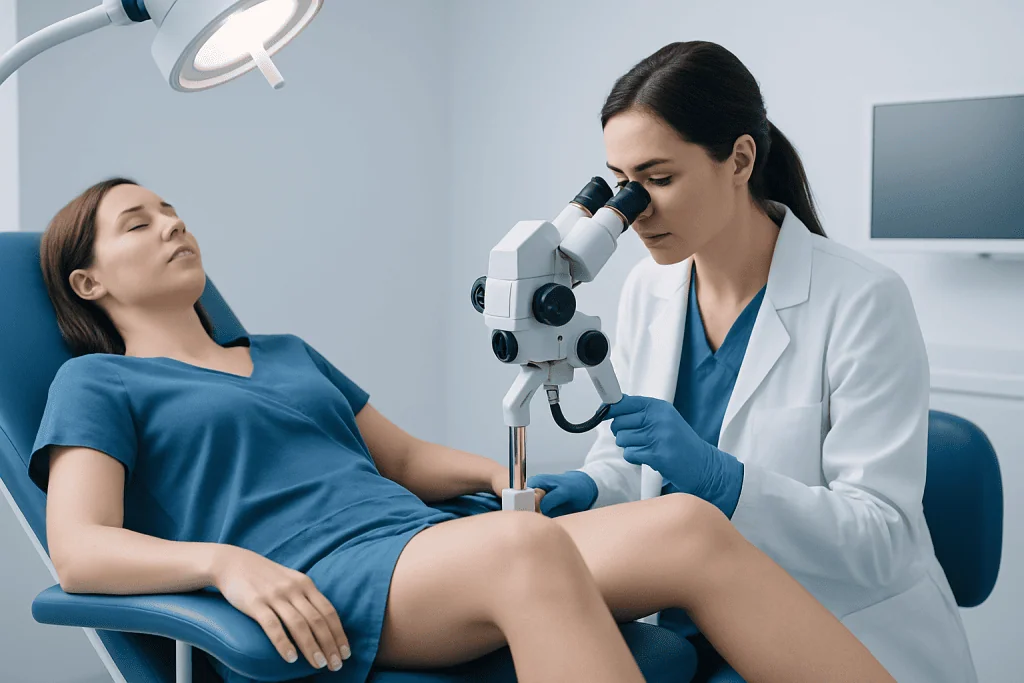
The external part of female anatomy is called the vulva. The vulva includes the mons pubis, labia majora, labia minora, clitoris, and the openings of the urethra and vagina. These tissues help protect internal organs, support sexual sensation, and allow the passage of urine and menstrual flow.
The clitoris is a highly sensitive organ with a visible external portion and deeper internal structures. It plays an important role in sexual pleasure. The urethral opening, where urine leaves the body, sits above the vaginal opening. Because these openings are close together, symptoms such as burning, irritation, or pain may be mistaken for either urinary or gynecologic problems.
Labia come in many sizes, shapes, and colors, and asymmetry is common. Hair growth, skin tone changes, and changes in moisture can occur with puberty, pregnancy, aging, and menopause. Mild differences in appearance are usually normal unless they are accompanied by pain, sores, swelling, itching, or a rapidly changing lump.
Internal Anatomy: Vagina, Cervix, Uterus, Tubes, and Ovaries
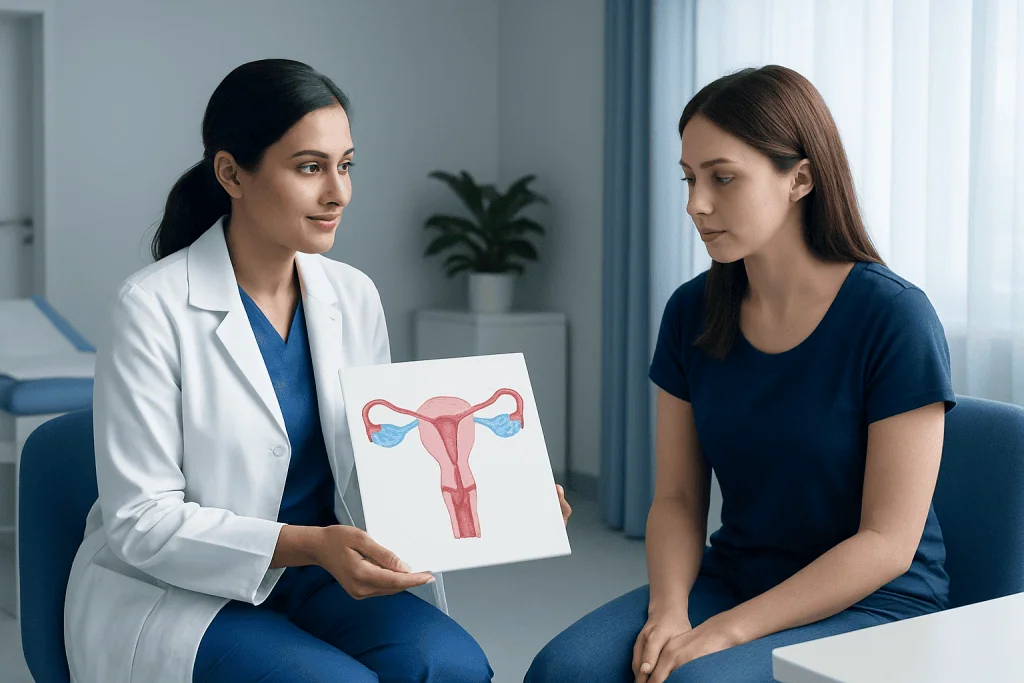
The vagina is a muscular canal that connects the vulva to the cervix. It allows menstrual blood to leave the body and serves as the birth canal during vaginal delivery. The vaginal lining changes throughout the menstrual cycle under the influence of hormones, and normal discharge can vary in amount and texture over time.
The cervix is the lower part of the uterus that opens into the vagina. It produces mucus that changes across the cycle and plays a role in fertility. During screening, a clinician may evaluate the cervix with a pelvic exam and cervical cancer screening tests. The uterus is a hollow muscular organ where a pregnancy can develop. If pregnancy does not occur, the uterine lining sheds during menstruation.
The fallopian tubes extend from the upper uterus toward the ovaries. Fertilization usually happens in a tube, and the resulting embryo then moves into the uterus. The ovaries store eggs and produce hormones such as estrogen and progesterone. Conditions affecting these organs can include ovarian cysts, fibroids, endometriosis, or infection. Patients looking for more information about endometriosis or ovarian cysts may benefit from disease-specific guidance.
Related Structures: Breasts, Pelvic Floor, and Urinary System
Although breasts are separate from the reproductive organs, they are an important part of female anatomy. Breast tissue responds to hormones and may change during puberty, the menstrual cycle, pregnancy, breastfeeding, and menopause. Some breast tenderness before a period can be normal, but a new lump, skin change, or nipple discharge should be assessed.
The pelvic floor is a group of muscles and connective tissues that supports the bladder, uterus, and bowel. These muscles help with bladder and bowel control, sexual function, and pelvic stability. Weakness or injury may contribute to urinary leakage, pelvic pressure, or discomfort during sex, while excessive muscle tension may contribute to pelvic pain.
The bladder stores urine, and the urethra carries urine out of the body. Urinary symptoms such as urgency, burning, leaking, or frequent infections may feel similar to vaginal or pelvic problems. Because of this overlap, a careful history and exam are important. In some cases, treatment may involve urogynecology care or pelvic floor rehabilitation depending on the cause.
How Female Anatomy Changes Across Life Stages
Female anatomy changes throughout life. During puberty, hormones stimulate breast development, hair growth, maturation of the vulva and vagina, and the start of menstruation. Cyclic hormonal changes then continue during the reproductive years, influencing ovulation, cervical mucus, vaginal discharge, and the uterine lining.
Pregnancy leads to major physical changes in the uterus, cervix, breasts, and pelvic floor. After childbirth, tissues gradually recover, but some patients may notice temporary or lasting changes such as pelvic weakness, urinary leakage, scar sensitivity, or changes in vaginal comfort. Follow-up care can help address these concerns safely.
In perimenopause and menopause, estrogen levels decline. This may lead to thinner vaginal tissues, dryness, urinary changes, and shifts in body fat distribution. Menstrual periods become irregular and then stop. These changes are common and manageable, but persistent bleeding after menopause or significant pelvic symptoms should always be evaluated.
Common Symptoms and What They May Mean
Many symptoms involving female anatomy are caused by common and treatable issues. Itching or irritation may relate to contact irritation, infection, skin conditions, or hormonal changes. Unusual discharge may occur with infections or imbalances, while cramping and pelvic pain can be linked to menstruation, ovarian cysts, fibroids, endometriosis, or digestive and urinary causes.
Abnormal bleeding can include very heavy periods, bleeding between periods, bleeding after sex, or any bleeding after menopause. These symptoms do not automatically mean something serious, but they should not be ignored. Similarly, pain during sex, ongoing vaginal dryness, or urinary leakage can have several possible causes and often improve with appropriate care.
Patients should also pay attention to visible changes such as sores, persistent swelling, a breast lump, a bulge at the vaginal opening, or a rapidly enlarging pelvic mass. A symptom diary that notes timing, relation to the menstrual cycle, and associated urinary or bowel symptoms can be useful during a medical visit.
How Doctors Evaluate Female Anatomy and Related Problems
Evaluation usually begins with a medical history and a physical examination. A doctor may ask about menstrual patterns, pain, discharge, sexual health, pregnancies, bladder or bowel symptoms, medications, and family history. Depending on symptoms, the exam may include an external inspection, a pelvic exam, or a breast exam.
Common tests include urine testing, vaginal or cervical swabs, pregnancy testing, and blood tests when needed. Imaging such as pelvic ultrasound is often used to look at the uterus and ovaries. In selected cases, further evaluation may include hysteroscopy, colposcopy, or imaging of the breasts or pelvic floor.
Treatment depends on the cause. It may involve observation, medicines, hormone therapy, pelvic floor physical therapy, or procedures. Some patients with structural problems may be advised to consider gynecologic evaluation and treatment, while fertility-related concerns may lead to fertility and IVF assessment. A multidisciplinary approach is often most helpful when symptoms involve both reproductive and urinary health.
Self-Care, Prevention, and When to Seek Medical Care
Good self-care starts with understanding what is normal for one’s own body. Patients can support genital and pelvic health by avoiding harsh scented products, wearing breathable underwear, practicing safer sex, staying up to date with routine screenings, and seeking help for persistent symptoms rather than self-treating repeatedly. Pelvic floor exercises may help some patients, but they are not right for every problem, especially when pelvic pain is caused by muscle tension.
Routine preventive care may include cervical screening, breast awareness, and age-appropriate imaging or checkups based on personal risk. Menstrual tracking apps or a simple calendar can help patients notice changes in bleeding, pain, or discharge patterns. Maintaining general health through regular movement, sleep, and management of chronic conditions can also support hormonal and pelvic well-being.
Medical care should be sought promptly for severe pelvic pain, heavy bleeding, bleeding after menopause, fever with pelvic symptoms, a new breast lump, foul-smelling discharge, genital sores, painful urination, or symptoms that are persistent or worsening. Patients who are pregnant and have bleeding, pain, or reduced fetal movement should contact a healthcare professional urgently.
For international patients who need assessment or treatment, Acibadem International offers multidisciplinary care through JCI-accredited hospitals, with specialists in gynecology, fertility, breast health, and pelvic floor disorders.
Frequently asked questions
What is the difference between the vulva and the vagina?
The vulva is the external part of female genital anatomy, including the labia, clitoris, and the openings of the urethra and vagina. The vagina is the internal muscular canal that leads from the vulva to the cervix.
Are differences in labia size or shape normal?
Yes. Labia vary widely in size, color, symmetry, and contour, and these differences are usually normal. A clinician should assess changes that are painful, sudden, ulcerated, or associated with a lump or swelling.
What organs are part of the female reproductive system?
The main internal reproductive organs are the vagina, cervix, uterus, fallopian tubes, and ovaries. External structures of the vulva are also part of the reproductive anatomy because they protect internal organs and contribute to sexual function.
Why can pelvic symptoms be hard to identify?
The reproductive, urinary, bowel, and pelvic floor structures lie close together, so symptoms can overlap. Burning, pressure, pain, or urgency may come from more than one system, which is why a careful medical evaluation is helpful.
When should abnormal vaginal bleeding be checked?
Bleeding should be evaluated if it is very heavy, occurs between periods, happens after sex, or occurs after menopause. Medical advice is also important if bleeding is accompanied by dizziness, severe pain, or pregnancy.
Can menopause change female anatomy?
Yes. Lower estrogen levels can make vaginal tissues thinner and drier and may affect the bladder and pelvic floor. These changes are common, and many symptoms can be improved with medical guidance and supportive care.
References
- World Health Organization
- American College of Obstetricians and Gynecologists
- Centers for Disease Control and Prevention
- National Institutes of Health
- Office on Women's Health
This article is for general information only and is not a substitute for professional medical advice. Please consult a qualified doctor about your individual situation.
Explore treatments in Turkey — costs, top hospitals & a free quote
JCI-accredited · board-certified surgeons · reply within 24h
Add us as a Preferred Source to see more of our trusted health content across Google Search, AI Overviews and Discover.

More from the Health Library

Lung Consolidation: A Complete Medical Overview

Laparoscopic surgery: Symptoms, Causes, and Treatment — Complete Patient Guide

Pdo Threads: An Evidence-Based Guide for Patients

Balsamic Reduction: A Complete Medical Overview

Chocolate Chips: What Patients Need to Know