Signs of Liver Damage: Possible Causes and When to Seek Care
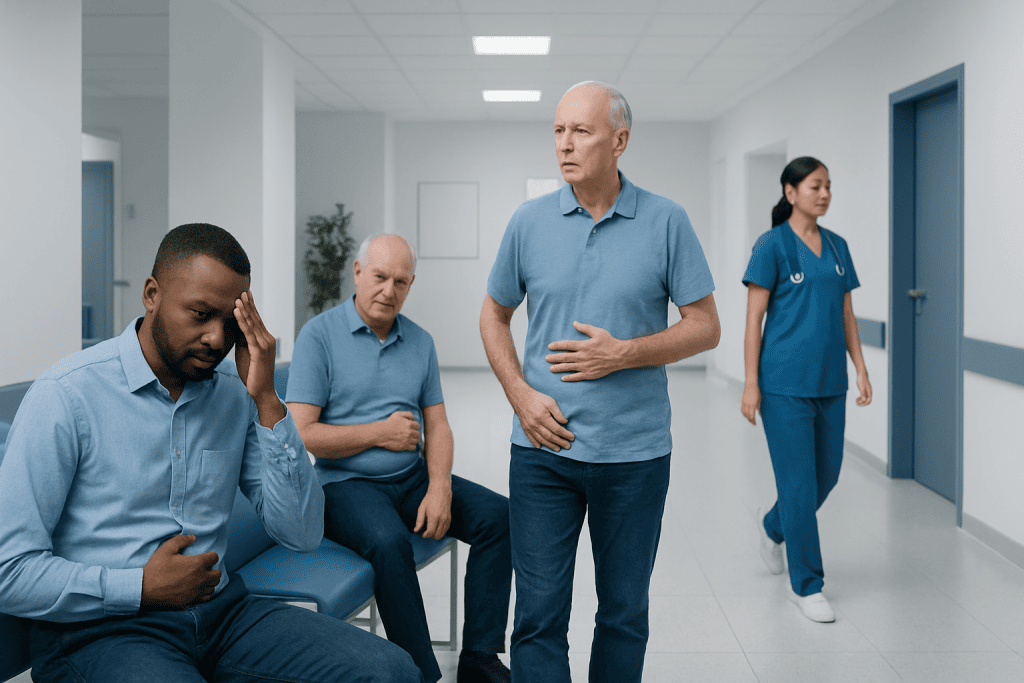
Signs of liver damage may include jaundice, dark urine, pale stools, fatigue, abdominal swelling, itching, and easy bruising. Some liver problems develop silently, so blood tests and imaging may be needed even when symptoms are mild.
Key Takeaways
- Signs of liver damage may include jaundice, dark urine, pale stools, fatigue, abdominal swelling, itching, and easy bruising.
- Some liver problems develop silently, so blood tests and imaging may be needed even when symptoms are mild.
- Common causes include fatty liver disease, viral hepatitis, alcohol-related injury, medication side effects, and blocked bile flow.
- Urgent care is needed for confusion, severe abdominal pain, vomiting blood, black stools, or rapidly worsening jaundice.
- Early medical assessment can help identify reversible causes and prevent complications.
Signs of liver damage can range from subtle symptoms such as fatigue and nausea to more noticeable changes like yellowing of the skin or eyes, dark urine, swelling, and easy bruising. Because these signs can have many causes, including infections, fatty liver disease, alcohol-related injury, medication effects, and bile duct problems, a medical evaluation is important if symptoms persist or worsen.
Overview: what signs of liver damage can look like
Signs of liver damage can include yellowing of the skin or eyes, dark urine, pale stools, ongoing fatigue, nausea, itching, swelling in the abdomen or legs, and easy bruising. Some people notice only vague symptoms at first, while others have no clear symptoms until liver injury is more advanced.
The liver helps process nutrients, remove waste products, make important proteins, and support digestion through bile production. When it is inflamed, scarred, or not working properly, these functions can be affected in ways that show up throughout the body. That is why liver problems may cause skin changes, digestive symptoms, fluid buildup, or changes in energy and concentration.
Not every one of these symptoms means a person has permanent liver damage. Similar symptoms can happen with gallbladder disease, infections, medication side effects, blood disorders, or other digestive conditions. A healthcare professional can evaluate the pattern of symptoms and decide whether the liver is involved.
Common signs and symptoms to notice
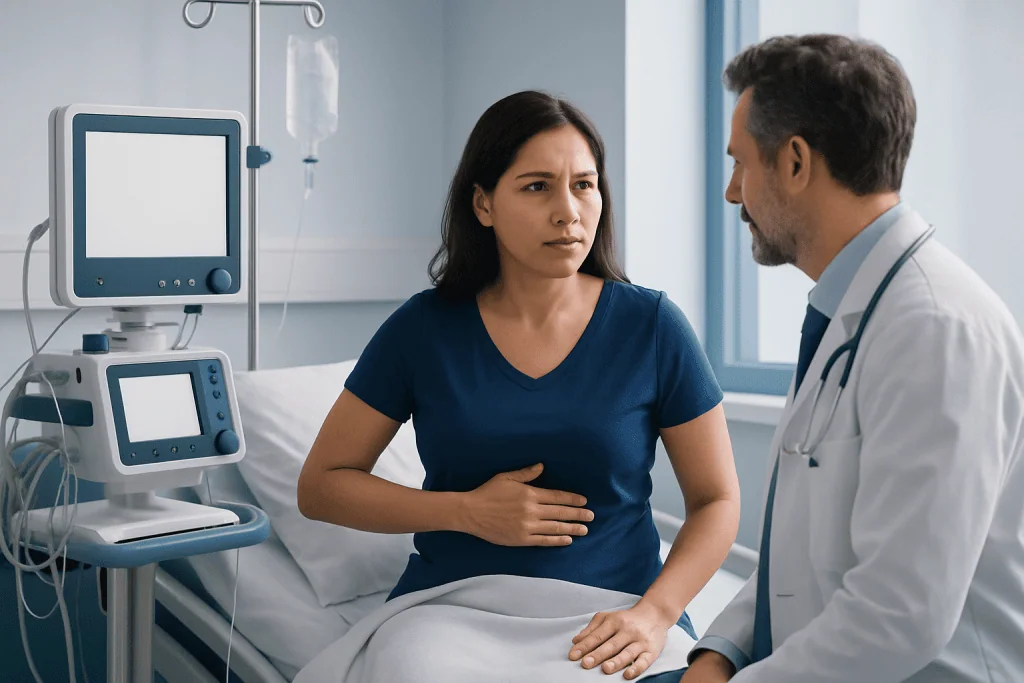
One of the best-known signs of liver damage is jaundice, which is yellowing of the whites of the eyes and skin. Jaundice happens when bilirubin, a yellow pigment, builds up in the blood. It may occur along with dark urine and pale or clay-colored stools, which can suggest problems with bile flow or liver processing.
Many people first notice less specific symptoms such as unusual tiredness, low appetite, nausea, bloating, or discomfort in the upper right side of the abdomen. These symptoms are common and can have many causes, but they are worth discussing with a doctor if they persist, return often, or occur with other warning signs.
Other signs may reflect reduced liver function over time. These can include itching without a clear rash, easy bruising or bleeding, swelling in the ankles or abdomen, and unintentional weight loss. In more advanced disease, symptoms may include muscle wasting, weakness, sleep disturbances, or trouble concentrating.
- Yellow skin or eyes
- Dark urine or pale stools
- Persistent fatigue
- Nausea, poor appetite, or unexplained weight loss
- Abdominal swelling or leg swelling
- Itching, easy bruising, or bleeding
- Confusion, drowsiness, or personality changes
Symptoms can develop suddenly or gradually. A sudden onset may happen with acute hepatitis, toxin exposure, or a medication reaction, while gradual changes can occur with fatty liver disease or long-term scarring known as cirrhosis.
Why liver damage causes these symptoms
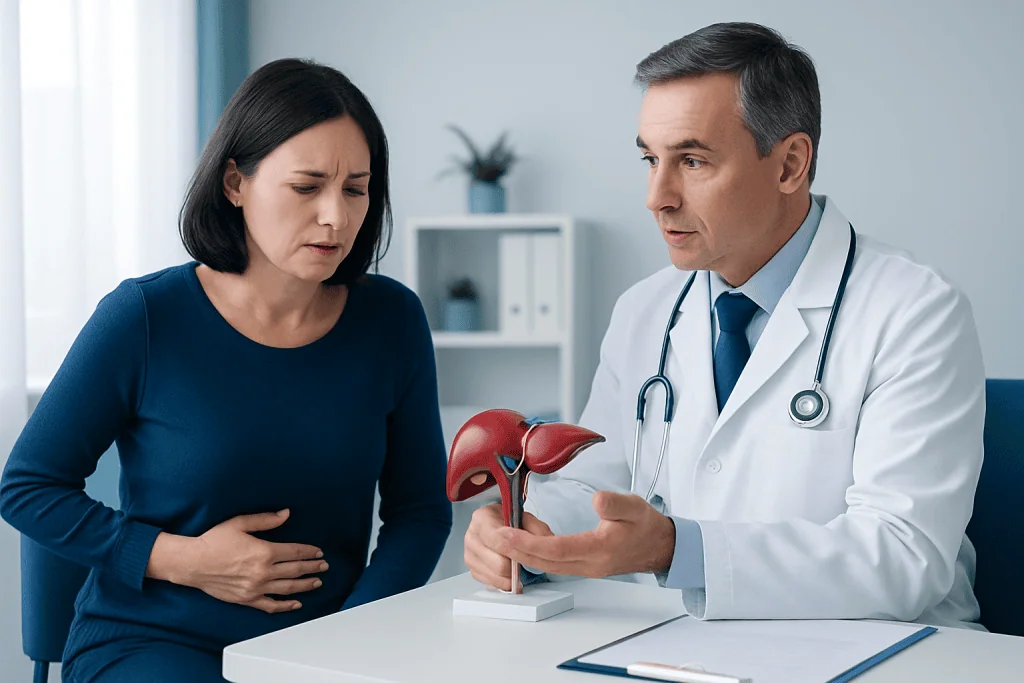
The liver performs many tasks at once, so symptoms depend on which functions are affected. If the liver cannot process bilirubin properly or if bile cannot drain normally, bilirubin may build up and cause jaundice, dark urine, and pale stools. If protein production drops, the body may be more prone to bruising or fluid buildup in the abdomen and legs.
Inflammation in the liver can also trigger general symptoms such as fatigue, nausea, and poor appetite. These symptoms are not unique to liver disease, which is one reason liver problems can be overlooked early on. Routine blood tests sometimes identify liver injury before obvious symptoms appear.
As liver disease progresses, scarring may interfere with blood flow through the liver and increase pressure in nearby veins. This can contribute to abdominal swelling, enlarged veins, or bleeding from the digestive tract. When the liver cannot clear certain toxins effectively, a person may become confused, sleepy, or less alert, a problem that needs prompt medical attention.
Possible causes and risk factors
There are many possible causes of liver damage. Common ones include metabolic dysfunction-associated steatotic liver disease, often called fatty liver disease; alcohol-related liver injury; viral hepatitis; autoimmune liver disease; inherited conditions; and side effects from medications, herbal products, or toxins. Problems affecting bile ducts can also lead to symptoms that look like liver damage.
Risk factors depend on the cause. Excess body weight, diabetes, high cholesterol, and limited physical activity increase the risk of fatty liver disease. Heavy alcohol use can injure the liver over time. Exposure to hepatitis viruses may occur through blood, sexual contact, contaminated food or water in some settings, or transmission from mother to baby, depending on the virus involved.
Some people are more vulnerable because of family history, pre-existing liver disease, or regular use of medicines that can affect the liver. Even over-the-counter products and supplements may contribute in some cases. Because symptoms may overlap, doctors may also consider related conditions such as hepatitis or liver cancer when evaluating persistent jaundice, weight loss, or abnormal liver tests.
Obstruction of bile flow is another important possibility. Gallstones, inflammation, or narrowing of the bile ducts can cause jaundice, dark urine, itching, and pale stools even when the main problem is not widespread liver cell damage. This is one reason a full medical assessment is important rather than assuming the cause based on symptoms alone.
How doctors diagnose liver damage
Diagnosis starts with a careful history and physical examination. A doctor will usually ask about symptom timing, alcohol intake, medications, supplements, travel history, viral hepatitis risk, family history, and other health conditions such as diabetes or obesity. On examination, they may look for jaundice, abdominal tenderness, swelling, skin changes, and signs of chronic liver disease.
Blood tests are often the first step. These may include liver enzymes, bilirubin, albumin, and clotting tests, along with tests for viral hepatitis, autoimmune conditions, iron overload, or other causes based on the person’s history. Blood work can help show whether there is inflammation, impaired liver function, or a problem with bile flow.
Imaging tests may be used to look at the liver and nearby structures. Ultrasound is commonly used first because it can show fatty change, fluid buildup, masses, or bile duct enlargement. In some cases, more detailed assessment with MRI or CT scan can help clarify the cause of symptoms or abnormal blood tests.
When scarring is suspected, doctors may assess liver stiffness with specialized tests, and occasionally a liver biopsy is recommended. The goal is not only to confirm liver injury but also to identify the exact cause, because treatment depends on whether the problem is due to fat accumulation, infection, alcohol, bile duct disease, immune causes, or another condition.
Treatment and self-care depend on the cause
There is no single treatment for all signs of liver damage. Care focuses on the underlying cause and on protecting the liver from further injury. For example, treatment may involve stopping or changing a medication, treating viral hepatitis, managing weight and blood sugar, avoiding alcohol, or addressing a blockage in the bile ducts.
Supportive care may include monitoring blood tests, treating itching, improving nutrition, and managing swelling or other complications if they occur. If a mass or severe structural liver problem is found, doctors may consider further evaluation or procedures, and in selected cases options such as liver transplant may be discussed.
Self-care measures can support overall liver health, but they do not replace medical treatment. It is generally wise to avoid alcohol until a doctor has clarified the cause, use medications only as directed, and be cautious with supplements that claim to “cleanse” the liver. Balanced eating, regular physical activity, and control of diabetes or high cholesterol can be especially helpful in fatty liver disease.
For international patients who need evaluation, Acibadem International’s multidisciplinary specialists and JCI-accredited hospitals diagnose and treat liver-related conditions using coordinated medical, imaging, and surgical care.
When to seek medical care
A person should arrange medical evaluation if signs of liver damage last more than a few days, keep returning, or occur together. This is especially important for jaundice, dark urine, pale stools, unexplained itching, ongoing fatigue, abdominal swelling, or easy bruising. Early assessment can help detect treatable causes before complications develop.
Urgent medical care is needed for severe abdominal pain, vomiting blood, black stools, fainting, rapidly increasing belly swelling, or confusion and extreme drowsiness. These symptoms can suggest serious liver dysfunction or bleeding and should not be managed at home.
People with known liver disease should also seek prompt advice if symptoms suddenly worsen. Anyone who has recently started a new medicine or supplement and develops jaundice, severe nausea, or unusual tiredness should contact a healthcare professional promptly, as drug-related liver injury can sometimes progress quickly.
- Book a routine appointment for persistent fatigue, nausea, itching, dark urine, or pale stools
- Seek prompt care for new jaundice or rapidly worsening swelling
- Go to urgent care or the emergency department for confusion, bleeding, severe pain, or vomiting blood
Can liver damage be prevented?
Not all liver disease can be prevented, but many common causes can be reduced. Limiting or avoiding alcohol, maintaining a healthy weight, staying physically active, and controlling diabetes, blood pressure, and cholesterol all support liver health. Vaccination against hepatitis A and hepatitis B may be recommended for some people.
Safe medication use also matters. People should follow label instructions carefully, avoid taking more than recommended, and tell their doctor about all prescription medicines, over-the-counter products, and supplements they use. This helps reduce the risk of accidental liver injury and harmful interactions.
Regular checkups can be useful for people with risk factors such as obesity, diabetes, heavy alcohol use, viral hepatitis exposure, or family history of liver disease. Because some liver conditions cause few symptoms at first, blood tests and imaging may detect problems earlier than symptoms alone.
Frequently asked questions
What are the earliest signs of liver damage?
Early signs of liver damage can be subtle and may include fatigue, nausea, reduced appetite, mild abdominal discomfort, or feeling generally unwell. Some people have no noticeable symptoms at first, and liver problems are found on routine blood tests.
Does dark urine always mean liver damage?
No. Dark urine can happen for several reasons, including dehydration, certain foods or medicines, blood in the urine, or liver and bile duct problems. It is more concerning when it occurs with jaundice, pale stools, itching, or abdominal symptoms.
Can liver damage cause itching?
Yes. Itching can happen when bile flow is reduced or bile-related substances build up in the body. Itching without a visible rash, especially with jaundice or dark urine, should be discussed with a doctor.
Are signs of liver damage reversible?
Sometimes they are. If the cause is found early, liver inflammation or mild injury from fatty liver disease, alcohol, infections, or medicines may improve with proper treatment and lifestyle changes. More advanced scarring is harder to reverse, which is why early assessment matters.
How do doctors test for liver damage?
Doctors usually begin with blood tests that look at liver enzymes, bilirubin, protein levels, and clotting function. They may also use ultrasound or other imaging and, in some cases, specialized fibrosis testing or a liver biopsy to identify the cause and severity.
When should jaundice be treated as urgent?
Jaundice should be evaluated promptly whenever it is new. It becomes especially urgent if it is accompanied by confusion, severe abdominal pain, fever, vomiting, bleeding, or rapidly worsening weakness, because these may signal a serious underlying problem.
References
- National Institute of Diabetes and Digestive and Kidney Diseases
- American Liver Foundation
- Centers for Disease Control and Prevention
- Mayo Clinic
- World Health Organization
This article is for general information only and is not a substitute for professional medical advice. Please consult a qualified doctor about your individual situation.
Persistent digestive symptoms? Get evaluated in Turkey
JCI-accredited · board-certified surgeons · reply within 24h
Add us as a Preferred Source to see more of our trusted health content across Google Search, AI Overviews and Discover.
Check your numbers in seconds
BMI, calories, due date, blood pressure and 30+ more clinical calculators — free, instant, doctor-reviewed ranges.

More from the Health Library



Related Specialists

Asst. Prof. Dr. Mehmet Karaarslan
Internal Medicine
Assoc. Prof. Dr. Ender Cesur
Psychiatry
Dyt. Begüm Bengi
Nutrition & Diet
Prof. Dr. İlker Yağcı
Physical Medicine & Rehabilitation