Thrombus: What Patients Need to Know

A thrombus is a clot that forms within a vessel or the heart and can interfere with normal circulation. Symptoms depend on location and may include leg swelling, chest pain, shortness of breath, or stroke-like symptoms.
Key Takeaways
- A thrombus is a clot that forms within a vessel or the heart and can interfere with normal circulation.
- Symptoms depend on location and may include leg swelling, chest pain, shortness of breath, or stroke-like symptoms.
- Risk factors include immobility, surgery, smoking, pregnancy, cancer, heart rhythm problems, and inherited clotting disorders.
- Doctors diagnose thrombus using history, examination, blood tests, and imaging such as ultrasound or CT scans.
- Treatment may include blood thinners, clot-removing procedures, and treatment of the underlying cause.
- Urgent medical care is needed for sudden chest pain, breathing difficulty, or signs of stroke.
A thrombus is a blood clot that forms inside a blood vessel or the heart and stays attached to the vessel wall. It can be harmless in some situations, but it may also reduce or block blood flow and lead to serious complications depending on where it forms.
What is a thrombus?
A thrombus is a blood clot that forms inside a blood vessel or within the heart and remains attached to the wall where it developed. In normal healing, clotting helps stop bleeding after an injury. A thrombus is different because it forms where blood is supposed to keep flowing, which can partly or completely block circulation.
The effect of a thrombus depends on its size and location. A clot in a leg vein may cause pain and swelling, while a clot in an artery can suddenly reduce blood supply to an organ or limb. A clot in the heart can also become dangerous if part of it breaks away and travels elsewhere in the body.
Patients often hear the terms thrombus, clot, thrombosis, and embolus used together. A thrombus is the clot itself. Thrombosis refers to the process of clot formation. If a piece of the clot breaks off and travels through the bloodstream, it is called an embolus. For example, a clot in a deep leg vein may lead to deep vein thrombosis and, if it travels to the lungs, a pulmonary embolism.
How a thrombus affects the body
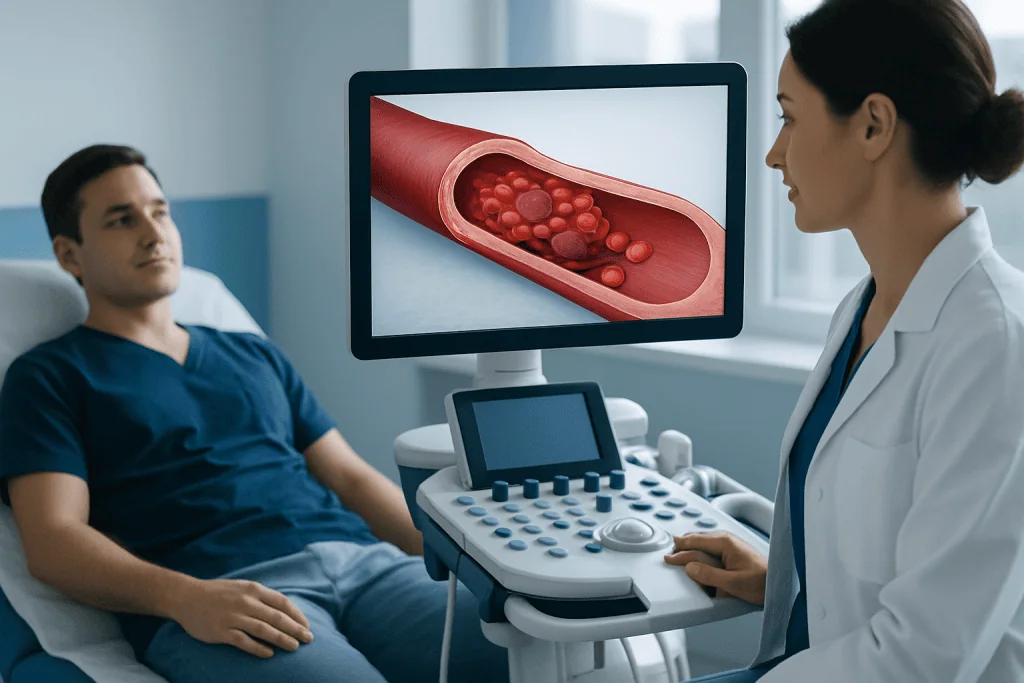
Blood must circulate smoothly to deliver oxygen and nutrients to tissues. A thrombus disrupts this process. In veins, where blood returns to the heart, a clot may cause pressure to build up behind the blockage. This often leads to swelling, discomfort, and warmth in the affected area.
In arteries, the problem is usually more urgent because arteries carry oxygen-rich blood to organs. An arterial thrombus can deprive tissue of oxygen very quickly. Depending on the site, this may cause a heart attack, stroke, bowel injury, or damage to a limb.
Clots in the heart may form when blood pools or does not move normally, such as with certain rhythm disorders or heart muscle weakness. These clots may stay in place or embolize, increasing the risk of stroke or organ damage. Understanding where the thrombus is located helps guide the urgency of treatment and the best next steps.
Symptoms of thrombus

Symptoms vary widely because a thrombus can form in different parts of the body. Some small clots may cause no symptoms at first and are found only during testing. Others cause sudden and noticeable changes that need prompt medical assessment.
A clot in a deep vein of the leg often causes one-sided swelling, pain or tenderness, warmth, and skin color change. A clot that travels to the lungs may cause sudden shortness of breath, chest pain that may worsen with breathing, rapid heartbeat, dizziness, or coughing up blood. These symptoms need urgent evaluation.
An arterial thrombus may cause symptoms linked to reduced blood flow to an organ or limb. Examples include:
- Sudden weakness, facial droop, trouble speaking, or vision changes
- Chest pressure or pain
- Cold, pale, painful, or numb fingers, toes, or limbs
- Severe abdominal pain in some cases
Because symptoms can overlap with other conditions, patients should not try to diagnose a thrombus on their own. A doctor can assess whether symptoms are due to a clot or another medical problem and arrange the right tests quickly.
Causes and risk factors
Many thrombi develop because of a combination of slowed blood flow, changes in the blood that make it clot more easily, and damage to the inner lining of blood vessels. Doctors often think about these three factors together when assessing clot risk. A single risk factor may be enough in some patients, while others develop a thrombus because several risks occur at the same time.
Common risk factors include long periods of immobility, recent surgery, hospitalization, major injury, smoking, obesity, pregnancy, the postpartum period, use of estrogen-containing medications, cancer, and older age. Some medical conditions also raise risk, including inflammatory diseases, dehydration, heart failure, and abnormal heart rhythms such as atrial fibrillation.
Inherited or acquired clotting disorders can also make thrombosis more likely. Family history may be relevant, especially if clots occurred at a young age or without a clear trigger. In some people, no single obvious cause is found, and doctors may look more closely for underlying conditions after a first event.
Risk can differ between venous and arterial clots. Venous clots are more strongly associated with immobility, surgery, and clotting disorders, while arterial clots are often linked to atherosclerosis and cardiovascular risk factors. This is one reason doctors may recommend a broader vascular evaluation in some patients.
How doctors diagnose a thrombus
Diagnosis starts with a medical history and physical examination. The doctor asks about symptoms, timing, recent travel, surgery, medicines, pregnancy, family history, and past clotting events. These details help estimate how likely a thrombus is and which tests are most appropriate.
Blood tests may support the evaluation, but they cannot confirm every clot on their own. A D-dimer test can be useful when the likelihood of a clot is low or moderate, because a normal result may help rule out thrombosis in selected patients. However, D-dimer can be elevated for many other reasons, so abnormal results must be interpreted carefully.
Imaging is usually needed to confirm the diagnosis and define the location. Ultrasound is commonly used for suspected leg vein clots. CT scans may be used to assess clots in the lungs or other parts of the body. Depending on the situation, doctors may also use echocardiography, MRI, or angiography. If there is concern about related conditions such as stroke, evaluation is often urgent and coordinated across specialties.
Once a thrombus is identified, doctors also look for contributing factors and possible complications. This may include heart rhythm assessment, screening for vessel disease, or tests for clotting disorders in selected patients. The aim is not only to treat the current clot but also to reduce the chance of another one.
Treatment options
Treatment depends on the location of the thrombus, the severity of symptoms, the risk of complications, and the patient’s overall health. In many cases, the main treatment is anticoagulation, often called blood-thinning therapy. These medicines do not dissolve an existing clot instantly, but they help prevent the clot from growing and lower the risk of new clots while the body gradually breaks the clot down.
Some patients need more urgent or invasive treatment. If a clot is large, threatens an organ or limb, or causes major breathing or circulation problems, doctors may consider clot-dissolving medication or a procedure to remove or break up the clot. Depending on the case, this may involve thrombectomy or a minimally invasive interventional radiology approach.
Supportive care is also important. This can include pain control, compression therapy in selected leg-vein cases, oxygen support if breathing is affected, and treatment of the underlying condition that contributed to clot formation. Patients with an arterial thrombus may also need evaluation and treatment for cardiovascular disease.
Follow-up matters because treatment length varies. Some people need anticoagulation for a limited period after a temporary risk such as surgery, while others need longer treatment because of recurrent clots, ongoing cancer treatment, or persistent risk factors. In complex cases, a coordinated plan with vascular, hematology, cardiology, or emergency specialists may be helpful, especially when considering cardiovascular surgery or related procedures.
Prevention and self-care
Not every thrombus can be prevented, but many risks can be reduced. Moving regularly during long travel, getting up after surgery as soon as medically safe, staying well hydrated, and following rehabilitation or mobility advice are simple but important steps. Patients at higher risk may be advised to use preventive anticoagulation or compression devices during hospitalization.
Long-term prevention also focuses on overall vascular health. Avoiding smoking, managing blood pressure, controlling diabetes, maintaining a healthy weight, and staying physically active can all support circulation and reduce some clot-related risks. For patients with atrial fibrillation or other heart conditions, taking prescribed medication consistently is especially important.
Self-care should never replace medical treatment for a suspected clot. Massage of a painful swollen leg, unprescribed supplements promoted as blood thinners, or delaying care can be unsafe. Patients should also tell healthcare professionals about all medicines they take, because some drugs and supplements can increase bleeding risk when combined with anticoagulants.
For international patients who need evaluation or ongoing management, Acibadem International’s multidisciplinary specialists in JCI-accredited hospitals diagnose and treat thrombus-related conditions with coordinated care plans tailored to the patient’s clinical needs.
When to seek medical care
Medical attention should be sought promptly for possible symptoms of a thrombus, especially if they are new, unexplained, or one-sided. Examples include swelling or pain in one leg, sudden chest pain, unexplained shortness of breath, or a cold painful limb. Early evaluation can help reduce the risk of complications.
Emergency care is needed right away for warning signs such as severe breathing difficulty, fainting, coughing up blood, sudden weakness or numbness, facial drooping, trouble speaking, or severe chest pressure. These symptoms may suggest a pulmonary embolism, stroke, heart attack, or another urgent condition linked to a clot.
Patients already taking anticoagulants should also contact a doctor if they develop new clot-like symptoms or signs of bleeding such as black stools, vomiting blood, unusual bruising, or severe headache. Follow-up visits are important to monitor treatment, review test results, and adjust the plan if needed.
Frequently asked questions
Is a thrombus the same as a blood clot?
A thrombus is a type of blood clot that forms inside a blood vessel or the heart and stays attached to the wall. The term blood clot is broader and may describe clotting in normal wound healing as well as abnormal clots inside the circulation.
Can a thrombus go away on its own?
Some thrombi may gradually be broken down by the body over time. However, a suspected thrombus should not be left without medical assessment because it can grow, block blood flow, or break off and travel to another part of the body.
What is the difference between a thrombus and an embolus?
A thrombus is the clot where it forms. An embolus is something, often part of a clot, that travels through the bloodstream and can become lodged in a different vessel.
What are the first signs of a thrombus in the leg?
Common early signs include swelling in one leg, pain or tenderness, warmth, and skin redness or discoloration. These symptoms do not always mean a clot is present, but they should be assessed by a clinician, especially if they appear suddenly.
How serious is a thrombus?
The seriousness depends mainly on where the thrombus is located and whether it blocks blood flow or travels to another organ. Some clots are treatable without lasting effects, while others can become medical emergencies if they affect the lungs, brain, heart, or a limb.
Who is most at risk of developing a thrombus?
Risk is higher in people who are immobile for long periods, recovering from surgery, pregnant or postpartum, living with cancer, smoking, or taking certain hormone medications. Some people also have inherited or acquired clotting disorders that increase their risk.
This article is for general information only and is not a substitute for professional medical advice. Please consult a qualified doctor about your individual situation.
Explore treatments in Turkey — costs, top hospitals & a free quote
JCI-accredited · board-certified surgeons · reply within 24h
Add us as a Preferred Source to see more of our trusted health content across Google Search, AI Overviews and Discover.

More from the Health Library

Ozempic Penis: An Evidence-Based Guide for Patients

Coronary Angiogram and Angiography — Explained by Medical Evidence, Not Myths

Pebbling: An Evidence-Based Guide for Patients

Zepbound Storage — Explained by Medical Evidence, Not Myths

Clindamycin: What Patients Need to Know