Horse Chestnut: What Patients Need to Know

Horse chestnut is commonly used for symptoms related to chronic venous insufficiency and varicose veins. Only standardized, processed horse chestnut seed extract should be considered; raw seeds, bark, leaves, and flowers can be toxic.
Key Takeaways
- Horse chestnut is commonly used for symptoms related to chronic venous insufficiency and varicose veins.
- Only standardized, processed horse chestnut seed extract should be considered; raw seeds, bark, leaves, and flowers can be toxic.
- Horse chestnut may interact with medicines and may not be suitable during pregnancy, breastfeeding, or for people with certain medical conditions.
- New leg swelling, severe pain, skin changes, or one-sided symptoms need medical assessment rather than self-treatment alone.
- A doctor can help determine whether vein disease, another circulatory problem, or a different condition is causing the symptoms.
Horse chestnut is a plant-based product most often used to support symptoms linked to poor vein circulation, especially leg heaviness, swelling, and discomfort. It may help some people when properly prepared and medically appropriate, but it is not safe for everyone and should not replace a professional diagnosis.
Overview: What horse chestnut is and what it is used for
Horse chestnut is a tree, and the part most often discussed in health care is horse chestnut seed extract. This extract contains active compounds, especially aescin, that may help reduce fluid leakage from tiny blood vessels and support vein tone. For that reason, it is most commonly used for symptoms related to chronic venous insufficiency, a condition in which leg veins have trouble moving blood back toward the heart.
In practical terms, people usually ask about horse chestnut because of leg swelling, aching, heaviness, tired legs, itching, or visible varicose veins. Some studies suggest that standardized horse chestnut seed extract may improve these symptoms in selected patients. However, it is not a cure for the underlying vein problem, and it should not be used as a substitute for a medical evaluation when symptoms are new, worsening, or affecting only one leg.
It is also important to distinguish safe, standardized products from the raw plant. Unprocessed horse chestnut seeds, bark, leaves, and flowers contain toxic substances and should not be eaten or prepared at home. Patient-safe use refers only to professionally manufactured products that have been processed to remove harmful components and standardized so the amount of active ingredient is more predictable.
How horse chestnut may work in the body
The best-known active component in horse chestnut seed extract is aescin, sometimes written as escin. Aescin is thought to help strengthen the walls of blood vessels and reduce the movement of fluid into surrounding tissues. This may explain why some patients notice less ankle swelling or a feeling of reduced heaviness in the legs.
Horse chestnut is not the same as a blood thinner, and it should not be assumed to treat blood clots. Its role, when used, is supportive and symptom-focused. In patients with vein-related discomfort, it may be considered alongside standard measures such as walking, leg elevation, weight management, and compression therapy, depending on a doctor’s advice.
Because symptoms such as swelling and pain can come from many causes, including heart, kidney, liver, lymphatic, joint, or circulatory problems, the product should be viewed in context rather than as a one-size-fits-all remedy. A symptom that seems minor may sometimes reflect an underlying condition that needs formal assessment.
Possible benefits and who may consider it

Horse chestnut is most often discussed for chronic venous insufficiency and for symptoms associated with varicose veins. Patients with this type of vein problem may describe aching after standing, swelling near the ankles by the end of the day, leg cramps, itching, or a sense of pressure in the calves. For some of these symptoms, standardized horse chestnut seed extract has shown modest benefit in clinical research.
Even when symptoms seem typical, self-diagnosis has limits. One-sided swelling, sudden pain, redness, warmth, skin breakdown, or shortness of breath requires prompt medical attention because these findings can point to a different and more urgent problem. A clinician may also look for related conditions such as deep vein thrombosis or skin complications linked to long-term venous disease.
People who may ask a doctor about horse chestnut include adults with recurring leg heaviness or mild swelling that has already been evaluated and linked to venous insufficiency. In these situations, some clinicians may discuss it as one part of a broader plan. That plan may also include compression stockings, regular movement, avoiding long periods of standing or sitting, and specialist care when symptoms are more advanced.
- Possible symptom targets include leg heaviness
- Mild ankle swelling related to venous disease
- Aching or discomfort after prolonged standing
- Itching or a sense of leg fatigue
Risks, side effects, and who should avoid it
Horse chestnut is not risk-free. Possible side effects include stomach upset, nausea, dizziness, headache, and itching. Some people may also develop an allergic reaction. If a product causes rash, facial swelling, trouble breathing, or severe gastrointestinal symptoms, it should be stopped and urgent medical advice should be sought.
Raw or unprocessed horse chestnut can be poisonous and should never be eaten. Only commercial products specifically labeled as processed horse chestnut seed extract are relevant for medical discussion. Even then, product quality may vary, especially with supplements sold without strong regulatory oversight. This is one reason many doctors encourage patients to discuss any herbal product before starting it.
Caution is especially important for people who are pregnant or breastfeeding, have kidney or liver disease, have a bleeding disorder, or take medicines that affect blood clotting or blood sugar. Depending on a person’s health history, a doctor may advise against horse chestnut altogether. It should also be used carefully in anyone preparing for surgery or a procedure, since supplement use may affect perioperative planning.
Diagnosis: Why leg symptoms should be assessed properly
Because horse chestnut is usually considered for leg vein symptoms, diagnosis matters. Swollen or painful legs are not always caused by varicose veins or chronic venous insufficiency. A doctor will usually ask when the symptoms started, whether they affect one leg or both, whether there is skin discoloration or ulceration, and whether there are related symptoms such as chest pain, breathlessness, or fever.
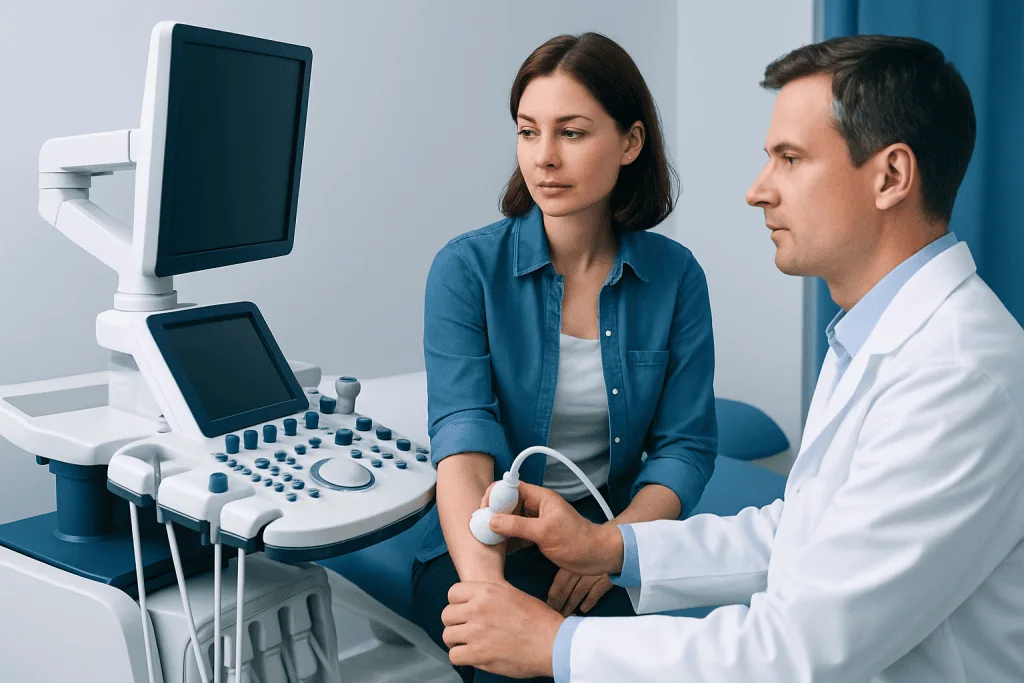
The physical examination may focus on visible veins, swelling patterns, pulses, skin changes, and signs of inflammation. When vein disease is suspected, an ultrasound is often used to look at blood flow and valve function in the leg veins. This can help confirm venous insufficiency and can also help exclude a clot. If another cause is possible, further testing may be recommended.
A proper diagnosis is valuable because treatment depends on the cause. Some patients benefit most from non-drug measures, while others need a vascular procedure or treatment for another condition altogether. In suitable cases, specialist evaluation may lead to options such as varicose veins treatment rather than relying on supplements alone.
Treatment options beyond supplements
When venous disease is confirmed, treatment usually starts with practical measures. Doctors often recommend regular walking, leg elevation when resting, avoiding long periods of immobility, and maintaining a healthy weight if relevant. Compression stockings may also be advised to reduce symptoms and support venous return, although they are not suitable for everyone and should be chosen correctly.
If symptoms are persistent, visible veins are progressing, or skin changes are developing, medical treatment may be more appropriate than self-care alone. Depending on the anatomy of the veins and the severity of disease, minimally invasive procedures may be considered. These may include approaches such as sclerotherapy for selected veins or laser treatment for varicose veins in appropriate cases.
Horse chestnut, if used at all, is generally considered supportive rather than definitive therapy. It does not replace evaluation for significant swelling, ulcers, recurrent inflammation, or suspected clotting. Near the end of the care pathway, patients who need coordinated vascular assessment may also seek help from centers such as Acibadem International, where multidisciplinary specialists in JCI-accredited hospitals diagnose and treat vein-related conditions for international patients.
Safe self-care and practical prevention tips
For people with medically confirmed mild venous symptoms, self-care can make a meaningful difference. Moving the calf muscles regularly helps push blood upward through the leg veins. Walking, changing position frequently during travel or desk work, and elevating the legs when possible may all reduce the feeling of heaviness or swelling by the end of the day.
Skin care also matters, especially if the lower legs feel dry, itchy, or tight. Gentle cleansing and moisturizing may help protect the skin barrier. Tight clothing around the waist or upper legs may worsen discomfort in some people, and supportive footwear can make long periods of standing easier.
Patients should avoid assuming that all natural products are safe. Before using horse chestnut, it is sensible to review current medications and health conditions with a doctor or pharmacist. Choosing reputable products, avoiding homemade preparations, and stopping use if side effects appear are simple but important safety steps.
- Stay active and avoid sitting or standing still for long periods
- Elevate the legs when resting if advised by a clinician
- Use compression garments only if appropriate for the circulation overall
- Protect the skin and report sores or color changes early
When to seek medical care
Medical care should be sought promptly if leg symptoms are sudden, severe, or affect only one side. Warning signs include rapid swelling, significant calf pain, warmth, redness, skin ulceration, fainting, chest pain, or shortness of breath. These symptoms should not be managed with supplements alone.
Even in less urgent situations, a routine medical visit is a good idea if swelling keeps returning, visible veins are worsening, symptoms interfere with daily life, or skin around the ankles becomes darker, thicker, or irritated. These changes can signal chronic venous disease that may benefit from structured treatment.
Patients should also ask for professional advice before starting horse chestnut if they take prescription medicines, have chronic illnesses, or are planning surgery. A clinician can help decide whether the symptoms fit venous insufficiency, whether horse chestnut is reasonable to consider, and whether a more effective treatment plan is needed.
Frequently asked questions
What is horse chestnut mainly used for?
Horse chestnut is mainly used for symptoms related to poor vein circulation in the legs, especially chronic venous insufficiency. People most often ask about it for swelling, heaviness, aching, and discomfort associated with varicose veins.
Does horse chestnut cure varicose veins?
No, horse chestnut does not cure varicose veins. It may help some symptoms in selected patients, but it does not remove damaged veins or correct the underlying valve problem.
Is horse chestnut safe because it is natural?
Not always. Natural products can still cause side effects, allergic reactions, and medicine interactions, and raw horse chestnut can be toxic. That is why it is best discussed with a doctor or pharmacist before use.
Can horse chestnut replace compression stockings or vein treatment?
Usually no. If a clinician has recommended compression therapy or a vein procedure, horse chestnut should not be viewed as an equivalent substitute. It may sometimes be considered as a supportive option, depending on the diagnosis and overall treatment plan.
Who should avoid horse chestnut?
People who are pregnant or breastfeeding, have kidney or liver disease, have bleeding problems, or take certain medicines may need to avoid it. Anyone with a complex medical history should get individualized advice before starting it.
When are leg symptoms too serious for self-treatment?
Urgent care is needed for sudden one-sided swelling, marked pain, redness, warmth, chest pain, or shortness of breath. These symptoms can suggest a clot or another important condition and should not be managed with supplements alone.
This article is for general information only and is not a substitute for professional medical advice. Please consult a qualified doctor about your individual situation.
Explore treatments in Turkey — costs, top hospitals & a free quote
JCI-accredited · board-certified surgeons · reply within 24h
Add us as a Preferred Source to see more of our trusted health content across Google Search, AI Overviews and Discover.

More from the Health Library

Monochrome Virus: An Evidence-Based Guide for Patients

Eye Drops for Pink Eye: What Patients Need to Know

Cerebrospinal Fluid: What Patients Need to Know

Strawberry Birthmark — Explained by Medical Evidence, Not Myths

Nipple Play — Explained by Medical Evidence, Not Myths