Eye Drops for Pink Eye: What Patients Need to Know

Not all pink eye needs antibiotic drops; treatment depends on the cause. Lubricating artificial tears are commonly used to soothe irritation and dryness.
Key Takeaways
- Not all pink eye needs antibiotic drops; treatment depends on the cause.
- Lubricating artificial tears are commonly used to soothe irritation and dryness.
- Bacterial, viral, and allergic conjunctivitis can look similar, so symptoms and exam findings matter.
- Contact lens wearers and people with eye pain, light sensitivity, or blurred vision should seek medical care promptly.
- Good hand hygiene and avoiding shared towels or eye makeup help reduce spread.
Eye drops for pink eye can help, but the right type depends on whether the cause is viral, bacterial, allergic, or irritant-related. Many cases improve with supportive care, while some need prescription treatment after a medical evaluation.
Overview: Which Eye Drops Help Pink Eye?
Eye drops for pink eye can be useful, but there is no single drop that fits every case. Pink eye, also called conjunctivitis, is inflammation of the thin membrane that covers the white part of the eye and the inner eyelids. The best treatment depends on the cause, which may be viral, bacterial, allergic, or related to an irritant such as smoke, chemicals, or contact lens problems.
For many people, preservative-free artificial tears are the first and safest step to ease burning, grittiness, and redness. Antibiotic eye drops only help bacterial conjunctivitis, and allergy eye drops are most helpful when itching and seasonal triggers suggest an allergic cause. Steroid eye drops are not appropriate for routine self-treatment and should only be used under an eye specialist’s supervision.
Because different eye problems can resemble pink eye, an accurate diagnosis matters. Conditions such as corneal infection, dry eye disease, or glaucoma may also cause redness or discomfort, but they require different care. A clinician can help determine whether simple supportive treatment is enough or whether prescription medication is needed.
Understanding the Main Types of Pink Eye
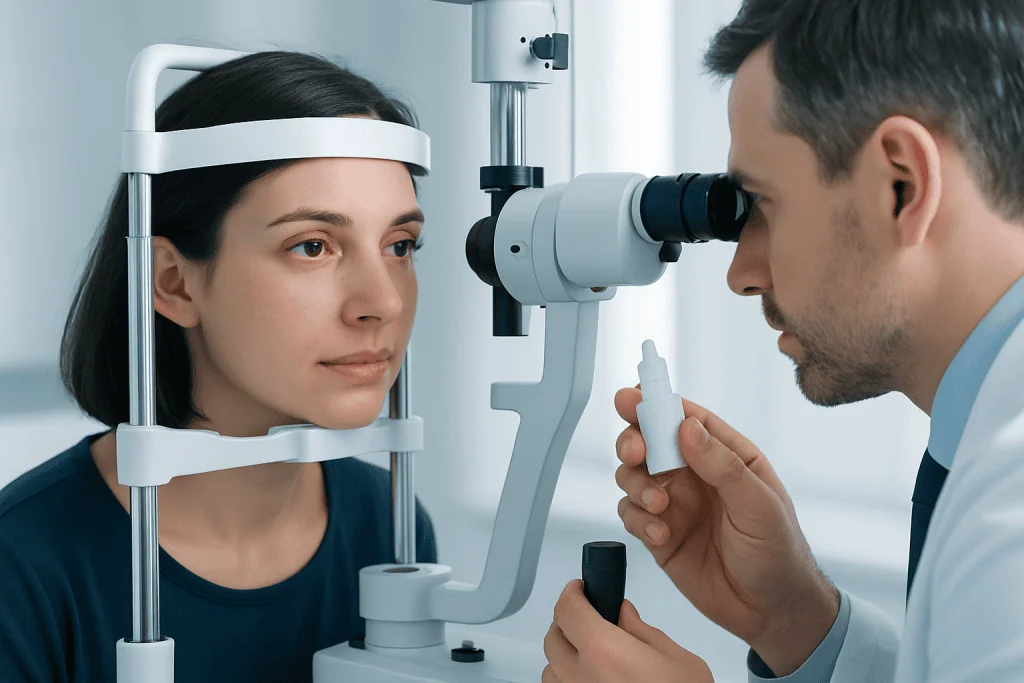
Viral conjunctivitis is a common cause of pink eye, especially when symptoms follow a cold, sore throat, or another upper respiratory infection. It often starts in one eye and then affects the other. Watery discharge, redness, and a gritty sensation are typical, and antibiotics do not treat viruses.
Bacterial conjunctivitis is more likely to cause thicker discharge that may be yellow or green and can make the eyelids stick together, especially after sleep. It may clear on its own in some mild cases, but prescription antibiotic eye drops are sometimes recommended to shorten symptoms or reduce spread in selected situations.
Allergic conjunctivitis usually affects both eyes and is often linked with intense itching, tearing, puffiness, and a history of allergies. Symptoms may flare during pollen season or after exposure to dust, pet dander, or other triggers. Irritant conjunctivitis, by contrast, develops after exposure to a substance that inflames the eye, such as chlorine, smoke, cosmetics, or environmental pollutants.
These categories can overlap in appearance, which is why self-diagnosis is not always reliable. Contact lens wearers deserve special caution because redness and discharge can sometimes signal a more serious corneal problem rather than simple conjunctivitis.
Types of Eye Drops and How They Are Used

Artificial tears are often the most broadly useful eye drops for pink eye. They do not treat infection, but they can wash away irritants and reduce dryness, burning, and discomfort. Preservative-free options may be more comfortable when drops are used frequently or when the eye is particularly irritated.
Antibiotic eye drops or ointments are used for confirmed or strongly suspected bacterial conjunctivitis. A healthcare professional may prescribe them when there is thick discharge, eyelid crusting, or an examination suggesting bacterial infection. These drops should be used exactly as directed, and leftover antibiotics should not be shared or reused for future eye redness.
Antihistamine or combination antihistamine-mast cell stabilizer drops are commonly used for allergic conjunctivitis. They can reduce itching, watering, and swelling when allergens are the main trigger. In some cases, oral allergy treatment may also help, but an eye care professional can guide the best approach for persistent symptoms.
Decongestant “redness relief” drops may make the eyes look less red for a short time, but they do not treat the underlying cause and can sometimes worsen rebound redness with repeated use. Steroid drops may be appropriate in selected eye conditions, but because they can mask infection or raise eye pressure, they should only be prescribed after a proper eye examination, sometimes alongside a detailed eye examination.
How to Tell Which Cause Is More Likely
Certain symptom patterns can offer clues, though they do not replace medical advice. Viral pink eye often causes watery eyes, a gritty feeling, and recent exposure to someone with a cold or conjunctivitis. Bacterial infection is more likely when discharge is thicker and the lids stick together. Allergy-related pink eye typically causes marked itching in both eyes and may come with sneezing or a runny nose.
The time course also matters. Allergy symptoms often return with recurring exposures, while viral conjunctivitis may spread from one eye to the other over several days. Irritant conjunctivitis often begins soon after contact with a triggering substance and may improve once the irritant is removed and the eye is gently rinsed, unless damage has occurred.
Some symptoms suggest that the problem may not be simple pink eye. Significant eye pain, sensitivity to light, a drop in vision, severe swelling, or the feeling that something is stuck in the eye can point to a more serious condition. These situations need prompt assessment and may require tests beyond routine symptom review, including a slit-lamp eye exam or, if another disease is suspected, evaluation related to retinal detachment or other urgent eye disorders.
Diagnosis: When an Exam Is Important
A clinician usually diagnoses pink eye by asking about symptoms, contact lens use, allergy history, illness exposure, and any recent chemical or foreign-body exposure. The eye is then examined for redness pattern, type of discharge, eyelid swelling, corneal involvement, and vision changes. In most uncomplicated cases, laboratory testing is not needed.
Medical evaluation is especially important for newborns, people with weakened immune systems, and anyone who wears contact lenses. Contact lens wear can increase the risk of a corneal infection, which can threaten vision if it is mistaken for ordinary conjunctivitis. People who have had recent eye surgery or eye injury should also be assessed rather than self-treating.
Occasionally, additional testing is needed when symptoms are severe, recurrent, or not improving as expected. An ophthalmologist may look more closely at the front of the eye, check visual acuity, stain the cornea, or consider whether another diagnosis is present. If symptoms are prolonged or unusual, referral for specialist ophthalmology care may be appropriate.
Treatment Options Beyond Drops
Supportive care is an important part of treatment for many cases of pink eye. Cool compresses can reduce swelling and irritation, especially in viral or allergic conjunctivitis. Gently cleaning discharge from the eyelids with clean water and a soft cloth can also improve comfort. Patients should avoid rubbing the eyes, as this may worsen irritation and spread infection.
For viral conjunctivitis, treatment is usually focused on symptom relief while the infection runs its course. Artificial tears, cool compresses, and careful hand hygiene are often enough. Antibiotics do not help viral infections and should not be used unless a clinician suspects a bacterial cause as well.
For bacterial conjunctivitis, prescription eye drops may be recommended. If symptoms are persistent, severe, or linked to contact lens use, the doctor may monitor the patient more closely. In allergy-related cases, avoiding triggers and using allergy-specific treatments often brings the greatest improvement.
If an underlying eye condition is identified, treatment may be different from standard pink eye care. Some patients may need management of dry eye, blepharitis, corneal inflammation, or a separate eye disease. In complex cases, treatment plans may be coordinated through advanced eye care and eye surgery services when needed, although surgery is not a routine treatment for conjunctivitis itself.
Self-Care, Hygiene, and Prevention
Simple hygiene steps can help prevent spread, especially with viral and bacterial conjunctivitis. Hands should be washed often with soap and water, particularly after touching the eyes or applying drops. Towels, pillowcases, washcloths, cosmetics, and contact lens accessories should not be shared.
People with pink eye should stop wearing contact lenses until a healthcare professional says it is safe to restart. Lenses, cases, and eye makeup used around the time symptoms began may need to be replaced to reduce the chance of reinfection. If contact lenses caused irritation, lens hygiene and fit should be reviewed before using them again.
When using eye drops, it helps to avoid touching the bottle tip to the eye, eyelids, or fingers. This lowers the risk of contamination. If more than one type of eye drop is prescribed, spacing them a few minutes apart can help each one work properly.
Environmental measures can also help. Reducing exposure to smoke, pool chemicals, dust, or known allergens may ease irritation and lower the chance of recurring symptoms. For people with frequent allergy-related eye problems, a doctor can advise long-term strategies tailored to the trigger pattern.
When to Seek Medical Care
Medical care should be sought promptly if pink eye symptoms come with moderate to severe pain, sensitivity to light, blurred vision, marked swelling, or a feeling that vision is worsening. These are not typical features of simple conjunctivitis and may indicate a more serious eye problem.
Urgent evaluation is also important for contact lens wearers, people with recent eye injury or surgery, and anyone exposed to chemicals. Babies with eye redness or discharge should always be assessed by a doctor. If symptoms do not improve after a few days of supportive care, or if they keep returning, a professional evaluation is appropriate.
Patients should also ask for medical advice before using leftover prescription drops, steroid drops, or any product borrowed from someone else. Using the wrong drop can delay proper treatment and occasionally make an eye condition worse. Near the end of the care pathway, some patients may benefit from specialist assessment; Acibadem International’s multidisciplinary specialists in JCI-accredited hospitals diagnose and treat eye conditions for international patients.
Frequently asked questions
What are the best eye drops for pink eye?
The best eye drops for pink eye depend on the cause. Artificial tears often help with comfort, while antibiotic drops are used for bacterial infections and antihistamine drops are used for allergies. A medical evaluation may be needed if the cause is unclear.
Do antibiotic eye drops always help pink eye?
No. Antibiotic eye drops help bacterial conjunctivitis, but they do not treat viral or allergic pink eye. Using antibiotics when they are not needed may not improve symptoms and can complicate self-care decisions.
Can pink eye go away without prescription drops?
Yes, many cases do improve without prescription medication. Viral conjunctivitis often gets better with time and supportive care, and mild irritant-related symptoms may settle once the trigger is removed. Persistent or worsening symptoms should be checked by a doctor.
Are over-the-counter redness relief drops a good choice?
They may reduce redness briefly, but they do not treat the underlying cause of pink eye. Frequent use can sometimes lead to rebound redness or irritation. Lubricating drops are often a better first option for symptom relief.
Should contact lens wearers use eye drops on their own for pink eye?
Contact lens wearers should be cautious and usually stop wearing lenses right away. Redness in a contact lens wearer can sometimes be a sign of a corneal infection rather than simple conjunctivitis. Prompt medical assessment is often the safest step.
How long does pink eye usually last?
Duration depends on the cause. Viral conjunctivitis may last several days to a couple of weeks, while allergic symptoms may continue as long as exposure to the trigger continues. Bacterial cases may improve sooner with appropriate treatment, but timelines vary.
This article is for general information only and is not a substitute for professional medical advice. Please consult a qualified doctor about your individual situation.
Explore treatments in Turkey — costs, top hospitals & a free quote
JCI-accredited · board-certified surgeons · reply within 24h
Add us as a Preferred Source to see more of our trusted health content across Google Search, AI Overviews and Discover.

More from the Health Library

Matcha Tea – Matcha Tea: What Patients Need to Know

Antihistamines: A Complete Medical Overview

Hydromorphone: What Patients Need to Know

Wheat: What Patients Need to Know

Sports Injury — Explained by Medical Evidence, Not Myths