Gingivectomy: Candidacy, Procedure Steps, and Recovery Timeline
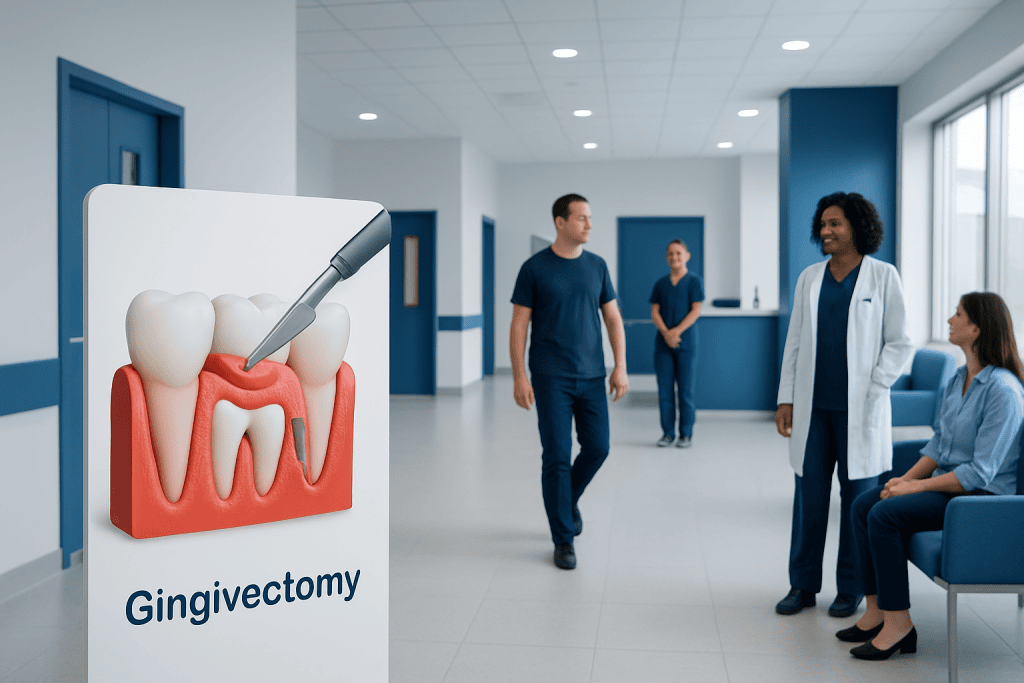
Gingivectomy removes a small amount of gum tissue for health, function, or cosmetic reasons. It may be recommended for gum overgrowth, periodontal pockets, or a gummy smile.
Key Takeaways
- Gingivectomy removes a small amount of gum tissue for health, function, or cosmetic reasons.
- It may be recommended for gum overgrowth, periodontal pockets, or a gummy smile.
- The procedure is usually done with local anesthesia using a scalpel, laser, or electrosurgery.
- Recovery commonly involves soreness, swelling, and a soft diet for several days.
- Good oral hygiene and follow-up visits help support healing and long-term results.
A gingivectomy is a dental procedure that removes excess or diseased gum tissue to improve oral health, reshape the gum line, or help treat periodontal problems. Most people are candidates when a dentist or periodontist identifies gum overgrowth, deep pockets, or a gummy smile, and recovery is usually manageable with proper aftercare.
Overview: what a gingivectomy is and how it works
A gingivectomy is a procedure that removes a carefully measured amount of gum tissue. Dentists and periodontists use it to treat gum disease in selected cases, reduce gum overgrowth, reshape uneven gums, or improve the appearance of a “gummy smile.” The goal is not simply to remove tissue, but to create a healthier gum contour that is easier to clean and maintain.
In practical terms, a gingivectomy works by trimming away tissue that is diseased, enlarged, or covering too much of the teeth. This can reduce deep gum pockets where plaque and bacteria collect, making daily brushing and flossing more effective. In some people, it also helps expose more of the tooth surface so the smile looks more balanced.
The procedure is different from other gum surgeries that involve lifting the gum away from the tooth or reshaping bone. A clinician will first determine whether a gingivectomy is the right choice based on the reason for treatment, the condition of the gums, and how much tissue needs to be removed. If the issue is primarily advanced gum disease, other periodontal treatments may also be needed.
Who may be a candidate for a gingivectomy

A person may be a candidate for gingivectomy when there is excess gum tissue that affects oral hygiene, gum health, or appearance. Common reasons include gum enlargement caused by inflammation, certain medications, orthodontic treatment, or naturally thick gum tissue. It may also be suggested for people whose gums create deep pockets around the teeth that are hard to clean.
Some patients seek gingivectomy for cosmetic reasons, especially when too much gum shows during smiling. In these situations, the dentist will assess whether the gum line alone is responsible or whether the tooth position, lip movement, or jaw structure also plays a role. This helps guide whether gingivectomy alone is enough or whether another approach would be more suitable.
Not everyone is an ideal candidate. If there is significant bone loss, untreated infection, uncontrolled diabetes, smoking-related healing concerns, or a need for more complex periodontal surgery, the dentist may recommend a different treatment plan first. Before proceeding, the clinician usually checks gum health, measures pocket depth, and reviews medications and overall health history.
- Gum overgrowth or enlarged gums
- Periodontal pockets in selected cases
- A gummy smile caused by excess gum tissue
- Difficulty cleaning around the teeth because of gum shape
- Need to improve access for restorative dental care
Step by step: what happens during the procedure
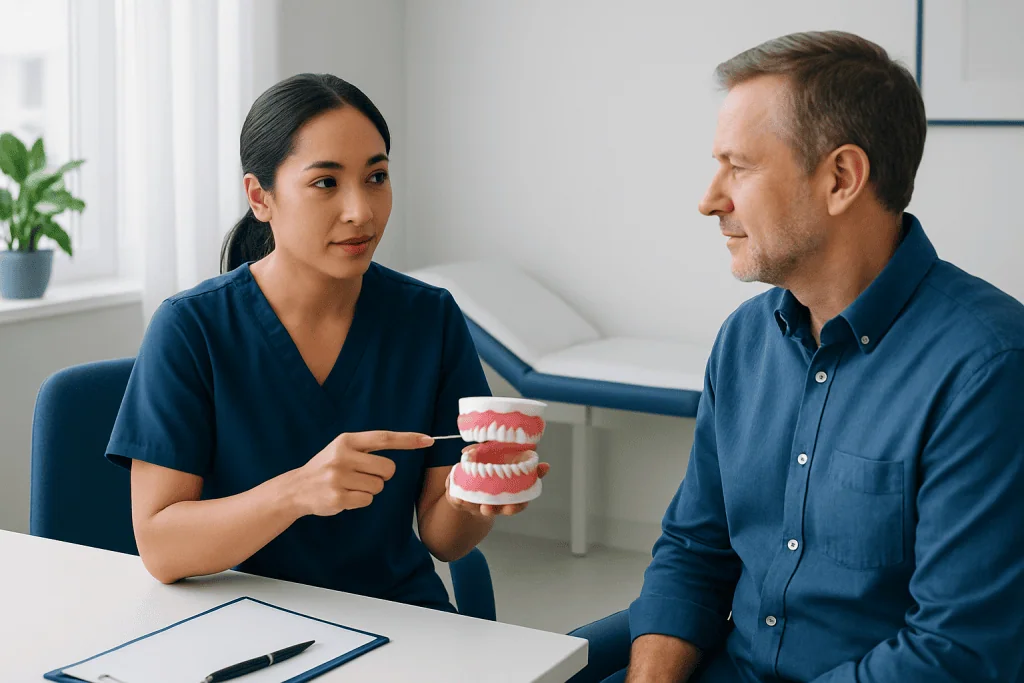
Before the procedure, the dentist or periodontist examines the gums, teeth, and supporting tissues. Dental X-rays or periodontal measurements may be used to plan how much tissue can be safely removed. The treatment area is then numbed with local anesthesia so the patient should feel pressure or movement rather than pain.
Once the area is numb, the clinician marks or identifies the new gum line and removes the excess tissue. This may be done with a traditional scalpel, a dental laser, or an electrosurgical device. Each method aims to achieve the same result: reshape the gums, reduce excess tissue, and create a contour that supports healing and oral hygiene. In some cases, the area is gently cleaned to remove plaque, tartar, or inflamed tissue beneath the gum edge.
After the tissue is reshaped, the dentist checks the gum contour and controls any bleeding. A protective periodontal dressing may be placed over the treated area, although this is not always necessary. Many gingivectomies are completed in one visit, but larger areas or treatment involving several teeth may be divided into stages. If more extensive care is needed, the dentist may combine it with periodontal treatment planning.
Patients are usually able to go home shortly after the procedure. Because numbness can last for a few hours, the care team often advises waiting until normal sensation returns before eating hot foods. Clear aftercare instructions are important because the first few days have the greatest effect on comfort and healing.
Benefits, expected results, and possible risks
The benefits of gingivectomy depend on why it is being performed. When done for periodontal reasons, it can reduce areas where bacteria collect, improve gum shape, and make the teeth easier to clean. This may help support better long-term gum health when combined with good home care and professional follow-up. When done for cosmetic reasons, it can create a more even gum line and make teeth appear longer and more proportionate.
Results are often visible soon after treatment, although the final appearance becomes clearer once swelling settles and healing progresses. If the underlying cause of gum enlargement is controlled, results can be long-lasting. However, gum tissue can become inflamed or overgrow again if plaque builds up, certain medications remain a factor, or follow-up care is neglected.
As with any procedure, gingivectomy has potential risks. These can include bleeding, temporary pain, swelling, sensitivity, infection, or delayed healing. In some cases, removing gum tissue may expose more of the tooth root, which can increase sensitivity to hot or cold foods. There is also a possibility that the final gum contour may need minor adjustment if healing changes the shape more than expected.
The treating clinician balances these benefits and risks by carefully selecting patients and planning the amount of tissue removal. People who are considering a cosmetic gum reshaping procedure may also discuss whether it will be part of broader cosmetic dentistry care to achieve the appearance they want.
Recovery timeline and aftercare
Recovery after gingivectomy is usually straightforward, but healing times can vary depending on how much tissue was treated, the method used, and the person’s general health. During the first 24 to 72 hours, mild bleeding, swelling, tenderness, and sensitivity are common. These symptoms often improve gradually with rest, careful oral hygiene, and following the dentist’s instructions.
Many people return to work or routine daily activities within a day or two, especially after smaller procedures. Eating may need to be adjusted for several days, with softer foods and avoidance of very hot, spicy, crunchy, or acidic items. The dentist may recommend a medicated mouth rinse and may advise brushing gently around the area until the gum begins to heal.
By about one to two weeks, the gum surface often looks and feels much better, though complete healing and stabilization of the gum contour may take several weeks. Follow-up appointments are important so the dentist can check healing, remove any dressing if used, and make sure plaque is not collecting around the treated area. If the gums were reshaped to support future restorations, the dentist may plan the next step once the tissue is stable.
- First 1-3 days: soreness, mild swelling, and careful diet
- First week: gradual improvement in comfort and appearance
- 1-2 weeks: surface healing is usually well underway
- Several weeks: final gum contour continues to settle
Self-care, prevention, and long-term gum health
Good oral hygiene is one of the most important factors in both recovery and prevention of future gum problems. Brushing twice a day with a soft-bristled toothbrush, cleaning between the teeth daily, and attending regular dental cleanings help reduce plaque and inflammation. If a medicated rinse is prescribed, using it exactly as directed can support healing during the early recovery period.
People who developed gum overgrowth because of medications should not stop prescription medicines on their own, but they should discuss concerns with the prescribing doctor and dentist. In some cases, an alternative medicine may be considered. If smoking or vaping is part of daily life, reducing or stopping can help the gums heal better and may lower the risk of recurrent gum disease.
Diet and overall health also matter. Balanced nutrition, hydration, and control of conditions such as diabetes support tissue repair and gum resilience. Ongoing professional care is especially important for people with a history of periodontal disease. In some situations, a dentist may coordinate treatment with dental implants or restorative work once the gums have healed to create a healthier and more functional result.
For international patients who need evaluation or treatment, Acibadem International’s multidisciplinary dental specialists and JCI-accredited hospitals provide diagnosis and care plans tailored to the individual’s oral health needs.
When to seek medical care
A patient should contact a dentist or periodontist if they notice persistent gum swelling, bleeding when brushing, gum tissue covering too much of the teeth, bad breath that does not improve, or discomfort around the gum line. These signs do not always mean gingivectomy is needed, but they do suggest that a professional evaluation is worthwhile.
After a gingivectomy, medical or dental advice should be sought if there is heavy bleeding that does not settle, fever, worsening pain after the first few days, increasing swelling, pus, or difficulty eating and drinking because of pain. These symptoms may indicate a complication or infection and should not be ignored.
Prompt review is also important if tooth sensitivity becomes severe or if the gums appear to be healing unevenly. Early follow-up often allows the care team to adjust aftercare, treat irritation, and protect the final result. In general, a qualified dental professional is the best source of guidance on whether gingivectomy is appropriate and what recovery should look like for a specific patient.
Frequently asked questions
Is a gingivectomy painful?
A gingivectomy is usually performed under local anesthesia, so the area is numb during the procedure. Afterward, mild soreness or tenderness is common for a few days, but many people manage this well with routine aftercare and medications recommended by their dentist.
How long does it take to recover from a gingivectomy?
Initial recovery often takes several days to about one to two weeks, depending on the size of the treated area. The gums may continue to refine their final shape over the following weeks as healing progresses.
Why would someone need a gingivectomy?
A dentist may recommend gingivectomy to remove enlarged or diseased gum tissue, reduce periodontal pockets, or improve the appearance of a gummy smile. It can also help make the teeth and gum line easier to clean and maintain.
What is the difference between a gingivectomy and a gingivoplasty?
A gingivectomy removes gum tissue, often for health-related or functional reasons such as reducing excess tissue or periodontal pockets. Gingivoplasty mainly reshapes healthy gum tissue to improve contour and appearance, although the two procedures can sometimes be done together.
Can gum tissue grow back after a gingivectomy?
Gum tissue can sometimes become enlarged again if the underlying cause is still present, such as plaque buildup, inflammation, or medication-related overgrowth. Good oral hygiene and regular dental follow-up help lower this risk.
When can normal eating and brushing resume?
Many people can resume gentle brushing around the area within a short time, following the dentist's instructions. Softer foods are usually more comfortable at first, and a normal diet is often resumed gradually as tenderness improves.
References
- American Academy of Periodontology
- American Dental Association
- National Institute of Dental and Craniofacial Research
- Mayo Clinic
- Cleveland Clinic
This article is for general information only and is not a substitute for professional medical advice. Please consult a qualified doctor about your individual situation.
Explore treatments in Turkey — costs, top hospitals & a free quote
JCI-accredited · board-certified surgeons · reply within 24h
Add us as a Preferred Source to see more of our trusted health content across Google Search, AI Overviews and Discover.