Can You Live Without a Liver? Causes, Explanations, and Next Steps

A person cannot survive long-term without a functioning liver. The liver filters blood, processes nutrients, helps blood clot, and removes toxins.
Key Takeaways
- A person cannot survive long-term without a functioning liver.
- The liver filters blood, processes nutrients, helps blood clot, and removes toxins.
- Liver damage may not cause symptoms at first, but jaundice, confusion, swelling, or bleeding need prompt medical review.
- Doctors use blood tests, imaging, and sometimes biopsy to assess liver health.
- Treatment depends on the cause and may range from lifestyle changes and medication to a liver transplant.
No, a person cannot live without a liver because it performs essential tasks the body needs every hour of the day. However, many liver-related symptoms are treatable, and even severe liver disease may be managed with urgent care, ongoing treatment, or a liver transplant.
Overview: Can a Person Live Without a Liver?
No, a person cannot live without a liver. The liver is a vital organ that carries out hundreds of tasks needed to keep the body alive, including filtering blood, processing nutrients, making proteins, and helping remove harmful substances.
That said, not every liver-related symptom means the liver is failing. Mild digestive upset, temporary abnormal blood tests, or fatty liver found on a scan can sometimes be managed successfully, especially when identified early. This is why the most helpful first step is not to assume the worst, but to understand what symptoms matter and when medical care is needed.
In rare emergency situations, a badly injured or severely failing liver may no longer support life unless urgent treatment is given. Some people with end-stage liver disease may survive with a liver transplant, which replaces the damaged organ with a healthy donor liver. This is very different from living without a liver; it means living with a functioning transplanted liver.
Why the Liver Is Essential
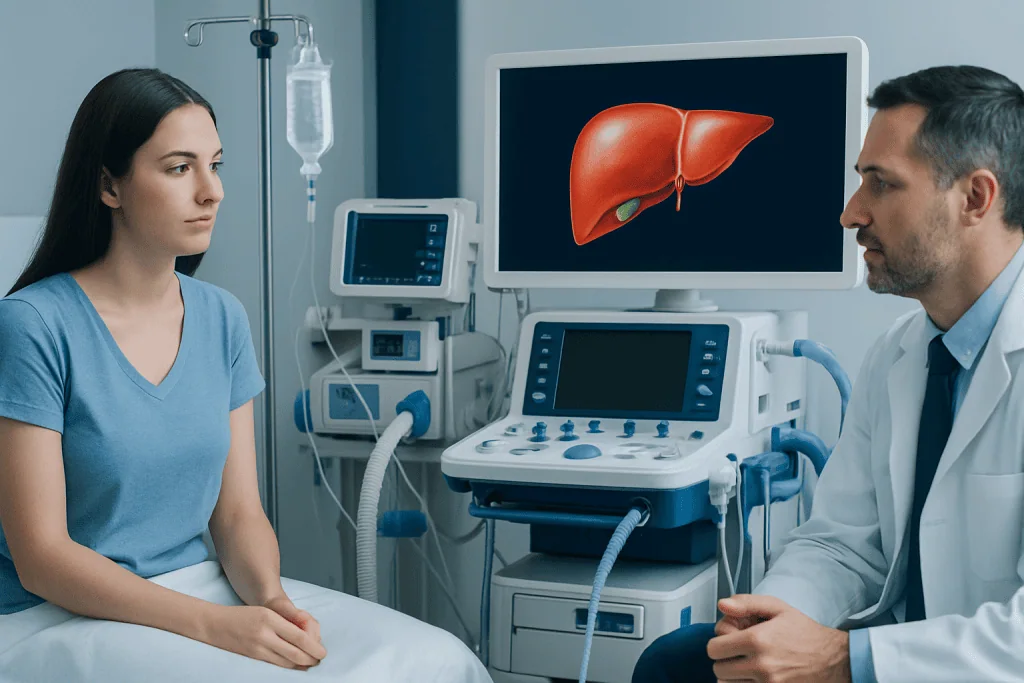
The liver sits in the upper right side of the abdomen and is one of the body’s busiest organs. It helps digest food by producing bile, stores energy in the form of glycogen, regulates certain hormones, and processes medications and alcohol. It also plays an important role in the immune system.
Another key job is making proteins that the body needs for blood clotting and fluid balance. When liver function drops, a person may bruise more easily, bleed more than usual, or develop swelling in the legs or abdomen. This is one reason severe liver disease can become dangerous if not treated.
The liver is also remarkable because it can regenerate to some extent. This means it may recover after some injuries, infections, or surgery if enough healthy tissue remains. However, regeneration has limits. If too much liver tissue is lost or permanently scarred, the organ can no longer meet the body’s needs.
- Filters toxins and waste products from the blood
- Processes nutrients from food
- Makes bile to help digest fats
- Stores vitamins, minerals, and energy
- Produces proteins needed for clotting and circulation
What Happens If the Liver Stops Working?

When the liver stops working properly, toxins and metabolic waste can build up in the body. Blood sugar control may become unstable, clotting factors can fall, and fluid may collect in the belly or legs. The person may also become jaundiced, meaning the skin and eyes turn yellow because bilirubin is not being processed normally.
Liver failure may be acute, meaning it develops quickly over days or weeks, or chronic, meaning it develops over months or years after long-term liver damage. Acute liver failure is a medical emergency and can happen after severe viral hepatitis, poisoning, or a toxic medication reaction. Chronic liver failure often follows cirrhosis, which is advanced scarring of the liver.
As liver function worsens, brain function can also be affected. This is called hepatic encephalopathy and may cause confusion, sleepiness, personality changes, poor concentration, or even coma. Other serious complications include internal bleeding, severe infection, kidney problems, and difficulty breathing from fluid buildup.
Common Causes and Risk Factors
Liver disease has many possible causes. Some are temporary and reversible, while others can lead to long-term damage. Common causes include viral hepatitis, heavy alcohol use, nonalcoholic fatty liver disease, autoimmune liver disease, inherited metabolic conditions, blocked bile ducts, and side effects from certain drugs or supplements.
Fatty liver disease is especially common and may be linked with obesity, type 2 diabetes, high cholesterol, or metabolic syndrome. In some people, fat in the liver causes little harm. In others, it can trigger inflammation and scarring over time. Alcohol-related liver disease can also progress gradually, especially when liver injury continues for years.
Less commonly, liver failure can happen after an overdose of a medication, exposure to toxins, severe infection, or reduced blood flow to the liver. People may also develop scarring from long-standing liver cirrhosis or cancer involving the liver. Understanding the cause matters because treatment is based on the underlying problem, not only on the symptoms.
- Heavy alcohol use
- Hepatitis viruses
- Obesity and diabetes
- Certain medications or herbal products
- Family history of liver disease
- Autoimmune or metabolic disorders
Signs That Need Medical Review
Many early liver problems cause no symptoms at all, which is why routine blood tests sometimes detect them first. When symptoms do happen, they can be quite general, such as tiredness, nausea, poor appetite, itching, dark urine, pale stools, or discomfort in the upper right abdomen.
Some warning signs should prompt prompt medical review. These include yellowing of the skin or eyes, swelling of the belly, vomiting blood, black stools, easy bruising, severe sleepiness, confusion, fainting, or rapid worsening of weakness. These symptoms do not always mean irreversible liver failure, but they do need urgent assessment.
A short practical rule is this: many mild symptoms may have harmless or treatable causes, but new jaundice, unusual bleeding, marked swelling, or mental changes are not symptoms to ignore. If a person has known liver disease and notices these changes, contacting a doctor quickly is especially important.
How Doctors Diagnose Liver Problems
Doctors begin with a medical history and physical examination. They ask about symptoms, alcohol intake, medications, supplements, family history, viral hepatitis risk, weight changes, and any previous liver test abnormalities. On examination, they may look for jaundice, abdominal swelling, tenderness, or signs of chronic liver disease.
Blood tests are often the first step. These may include liver enzymes, bilirubin, albumin, clotting tests, and tests for infection or autoimmune disease. Abnormal results can suggest inflammation, bile duct blockage, reduced liver function, or scarring, but they do not always show the full picture on their own.
Imaging helps show the liver’s structure. Doctors may use ultrasound, CT, or MRI to look for fatty change, cirrhosis, tumors, or blocked bile ducts. In selected cases, additional evaluation such as elastography or liver biopsy may be recommended to assess inflammation or scarring more precisely. If specialists suspect advanced disease or a mass, they may also investigate related conditions such as liver cancer.
Treatment Options and Next Steps
Treatment depends on the cause, severity, and whether the problem is acute or chronic. Some liver problems improve when the trigger is removed, such as stopping alcohol, adjusting a medication, treating a viral infection, or managing weight and blood sugar. Other conditions need long-term specialist care.
If there is acute liver failure, treatment usually takes place in hospital. Doctors may give intravenous fluids, medications, monitoring for brain swelling or bleeding, and supportive care for complications. In specific situations, a targeted antidote or antiviral treatment may help. When liver function is unlikely to recover, transplant evaluation may be necessary.
For chronic liver disease, care often focuses on slowing further damage and preventing complications. This can include dietary guidance, vaccinations, managing portal hypertension, draining fluid if needed, treating encephalopathy, and regular screening. In selected patients, liver transplant is the definitive treatment for end-stage disease. Near the end of the care pathway, patients may benefit from a multidisciplinary review; Acibadem International’s JCI-accredited hospitals and specialists also evaluate and treat liver conditions for international patients.
When to Seek Medical Care
A doctor should be consulted if a person has persistent fatigue, nausea, unexplained weight loss, itching, abdominal swelling, dark urine, pale stools, or yellowing of the skin or eyes. These symptoms may have different causes, but they are worth checking, especially if they last more than a few days or are getting worse.
Urgent medical attention is needed for confusion, severe drowsiness, vomiting blood, black stools, severe abdominal swelling, sudden jaundice, fainting, or signs of overdose or poisoning. These symptoms can point to serious liver dysfunction or another emergency condition.
People with known liver disease should keep regular follow-up appointments even when they feel well. Early review can help prevent complications, monitor blood tests and scans, and allow timely treatment. Avoiding alcohol misuse, discussing medications with a doctor, maintaining a healthy weight, and getting recommended vaccines can all support liver health.
Frequently asked questions
Can someone survive if their liver is removed?
No, a person cannot survive without a functioning liver. If the liver must be removed or can no longer work, survival depends on replacing it with a donor liver through transplantation.
Can the liver heal itself?
The liver has a strong ability to regenerate, which means it can recover from some injuries if enough healthy tissue remains. However, severe scarring, ongoing alcohol damage, or advanced cirrhosis can limit this ability.
What are the first signs of liver trouble?
Early signs can be vague and may include fatigue, poor appetite, nausea, itching, or mild discomfort in the upper right abdomen. Some people have no symptoms at first and only learn about a problem through blood tests.
Is fatty liver the same as liver failure?
No, fatty liver and liver failure are not the same. Fatty liver means fat has built up in the liver, while liver failure means the organ is no longer able to do its essential jobs well enough to support the body.
When is a liver transplant needed?
A liver transplant may be needed when the liver is permanently damaged and can no longer function adequately, or when acute liver failure is unlikely to recover. Doctors decide this based on symptoms, blood tests, complications, and the overall outlook.
Can liver disease be treated without surgery?
Yes, many liver conditions are treated without surgery. Management may include lifestyle changes, stopping alcohol, treating hepatitis, adjusting medications, controlling complications, and close specialist follow-up.
This article is for general information only and is not a substitute for professional medical advice. Please consult a qualified doctor about your individual situation.
Explore treatments in Turkey — costs, top hospitals & a free quote
JCI-accredited · board-certified surgeons · reply within 24h
Add us as a Preferred Source to see more of our trusted health content across Google Search, AI Overviews and Discover.
Check your numbers in seconds
BMI, calories, due date, blood pressure and 30+ more clinical calculators — free, instant, doctor-reviewed ranges.

More from the Health Library

Can You Drink Coffee Before Fasting Blood Work? Here Is What the Evidence Says
Dry Cough and Sore Throat: Common Causes

Is E Coli Contagious? A Doctor-Reviewed Answer

Matcha vs Coffee: Key Differences and How Doctors Tell Them Apart

Is Dementia Hereditary? Causes, Explanations, and Next Steps