Early Signs of Stroke and When to Seek Emergency Care
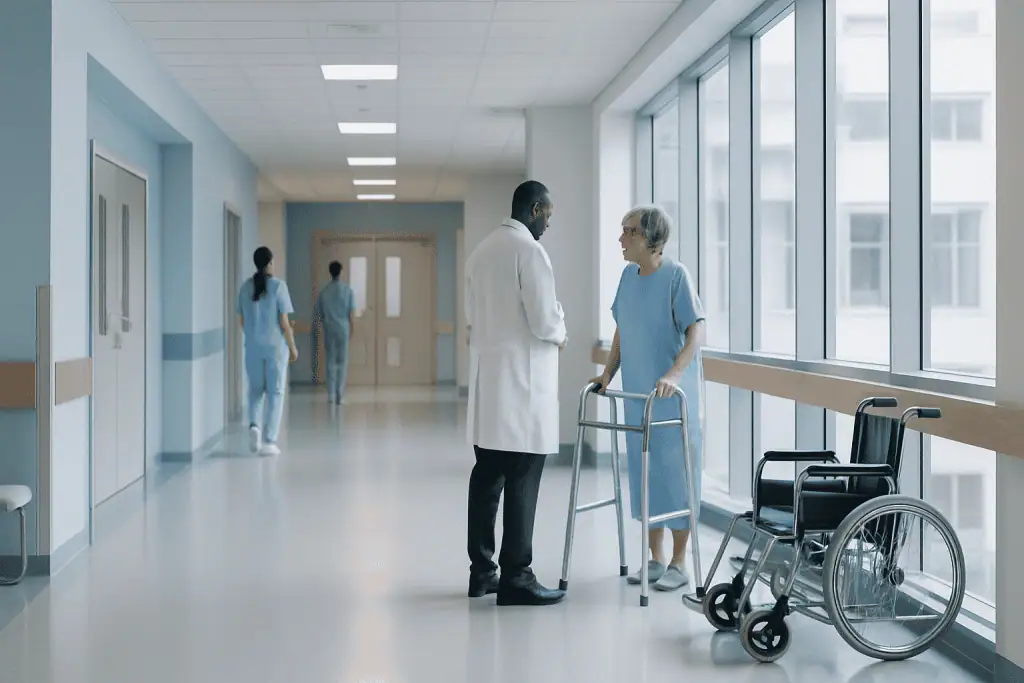
Sudden face drooping, arm weakness, or speech difficulty are key warning signs of stroke. The FAST test helps people quickly recognize common stroke symptoms and act without delay.
Key Takeaways
- Sudden face drooping, arm weakness, or speech difficulty are key warning signs of stroke.
- The FAST test helps people quickly recognize common stroke symptoms and act without delay.
- Call the local emergency number immediately if stroke is suspected, even if symptoms improve.
- The time symptoms started, or when the person was last known to be well, is important for treatment decisions.
- Managing blood pressure, diabetes, cholesterol, smoking, and heart conditions can reduce stroke risk.
Medically reviewed by the Acıbadem International Medical Board — June 20, 2026
A stroke is a medical emergency that happens when blood flow to part of the brain is blocked or when bleeding occurs in the brain. Recognizing early signs and seeking emergency care immediately can help doctors provide timely treatment and support recovery.
Overview
A stroke occurs when the brain is suddenly deprived of normal blood flow or when a blood vessel in the brain bleeds. Because brain cells are sensitive to changes in oxygen supply, early recognition and urgent medical care are essential.
There are two main types of stroke: ischemic stroke, caused by a blocked blood vessel, and hemorrhagic stroke, caused by bleeding in or around the brain. A transient ischemic attack, often called a mini stroke, causes temporary stroke-like symptoms and should also be treated as an emergency warning sign.
Early Signs and Symptoms
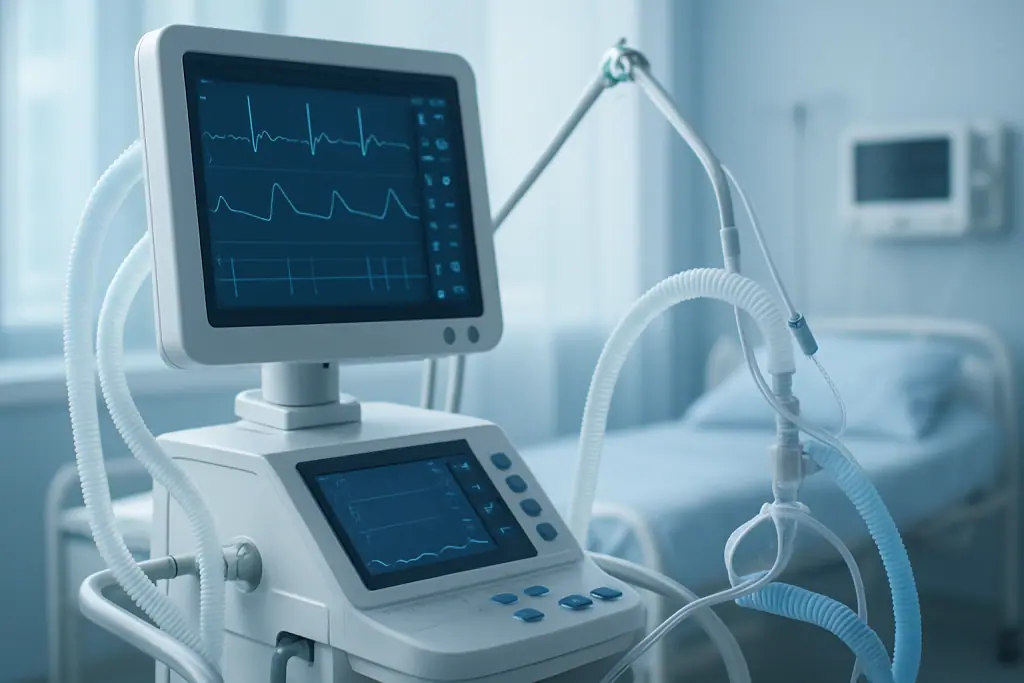
Stroke symptoms usually begin suddenly. They may be mild at first, may come and go, or may be mistaken for tiredness, dizziness, or confusion. Any sudden neurological change should be taken seriously.
- Face: drooping or numbness on one side of the face, especially when smiling.
- Arm: weakness, numbness, or inability to raise one arm.
- Speech: slurred speech, trouble speaking, or difficulty understanding others.
- Time: call emergency services immediately if any of these signs appear.
Other possible symptoms include sudden vision changes, severe dizziness, loss of balance, confusion, trouble walking, a sudden severe headache, or numbness or weakness on one side of the body.
Causes and Risk Factors
Ischemic strokes are often related to blood clots or narrowing of blood vessels. Hemorrhagic strokes may occur when a weakened blood vessel ruptures. In some people, irregular heart rhythms, such as atrial fibrillation, can increase the risk of clot formation.
Common risk factors include high blood pressure, diabetes, high cholesterol, smoking, obesity, physical inactivity, excessive alcohol use, sleep apnea, previous stroke or transient ischemic attack, and a family history of stroke. Age can also increase risk, but stroke can occur in younger adults as well.
Diagnosis in the Emergency Setting
In the emergency department, doctors assess symptoms, check vital signs, perform a neurological examination, and ask when symptoms began or when the person was last known to be well. This timing helps guide treatment options.
Imaging tests such as computed tomography or magnetic resonance imaging may be used to identify whether the stroke is caused by a blockage or bleeding. Blood tests, heart rhythm monitoring, ultrasound, or vessel imaging may also be recommended depending on the situation.
Treatment Options
Treatment depends on the type of stroke, the person’s symptoms, medical history, and how much time has passed since symptoms began. For some ischemic strokes, doctors may consider clot-dissolving medication or a procedure to remove a clot from a large blood vessel.
For hemorrhagic stroke, treatment focuses on controlling bleeding, reducing pressure around the brain, and addressing the cause of the bleeding. Some patients may need intensive monitoring, medication, or a procedure. Rehabilitation, including physiotherapy, speech therapy, and occupational therapy, often plays an important role in recovery.
Prevention and Self-care
Many stroke risk factors can be managed with medical guidance and healthy daily habits. People with high blood pressure, diabetes, high cholesterol, or heart rhythm problems should follow their doctor’s treatment plan and attend regular check-ups.
- Do not smoke, and seek support to quit if needed.
- Choose a balanced diet rich in vegetables, fruits, whole grains, and lean protein.
- Stay physically active as recommended by a healthcare professional.
- Limit alcohol and maintain a healthy weight.
- Take prescribed medicines only as directed by a qualified doctor.
When to Seek Emergency Care
Emergency care should be sought immediately if a person develops sudden face drooping, arm weakness, speech difficulty, vision loss, confusion, severe dizziness, loss of balance, or a sudden severe headache. Do not wait to see if symptoms pass.
Call the local emergency number rather than driving the person to the hospital. Keep the person safe and comfortable, note the time symptoms started or when they were last known to be well, and do not give food, drink, or medication unless instructed by medical professionals.
Frequently asked questions
What is the FAST test for stroke?
FAST stands for Face, Arm, Speech, and Time. It reminds people to look for face drooping, arm weakness, and speech difficulty, and to call emergency services immediately if any of these signs are present.
Can stroke symptoms go away on their own?
Yes, symptoms may improve or disappear, especially during a transient ischemic attack. However, this can still be a serious warning sign, and emergency medical evaluation is needed.
Should someone with suspected stroke be driven to the hospital?
It is safer to call the local emergency number. Emergency teams can begin assessment, alert the hospital, and transport the person to an appropriate stroke-ready facility.
Why is the time symptoms started important?
Some stroke treatments depend on how much time has passed since symptoms began. If the exact time is unknown, doctors will ask when the person was last known to be well.
Can stroke be prevented?
Not all strokes can be prevented, but risk can often be reduced by managing blood pressure, diabetes, cholesterol, heart conditions, smoking, weight, physical activity, and other health factors with medical guidance.
References
- World Health Organization
- American Stroke Association
- Centers for Disease Control and Prevention
- National Institute of Neurological Disorders and Stroke
- European Stroke Organisation
This article is for general information only and is not a substitute for professional medical advice. Please consult a qualified doctor about your individual situation.
Explore treatments in Turkey — costs, top hospitals & a free quote
JCI-accredited · board-certified surgeons · reply within 24h