Ginkgo Biloba Benefits: An Evidence-Based Guide for Patients

Ginkgo biloba is a plant extract commonly used as a dietary supplement for memory, circulation, and balance-related symptoms. Current evidence does not strongly support ginkgo for preventing dementia, and benefits for memory in healthy adults appear limited.
Key Takeaways
- Ginkgo biloba is a plant extract commonly used as a dietary supplement for memory, circulation, and balance-related symptoms.
- Current evidence does not strongly support ginkgo for preventing dementia, and benefits for memory in healthy adults appear limited.
- Some patients may use ginkgo for symptoms such as vertigo or tinnitus, but results are inconsistent and it is not a substitute for medical evaluation.
- Ginkgo can interact with medicines, especially blood thinners, antiplatelet drugs, and some antidepressants or seizure-related medications.
- Side effects are usually mild, but bleeding risk and surgical safety are important concerns.
- Any persistent memory change, dizziness, hearing symptoms, or circulation problem should be assessed by a doctor rather than self-treated.
Ginkgo biloba benefits are often discussed for memory, circulation, and dizziness, but research shows mixed results and generally modest effects. For patients, the most important points are what ginkgo may help, what it likely does not help, and how to use it safely with guidance from a qualified clinician.
Overview: What Are Ginkgo Biloba Benefits?
Ginkgo biloba benefits are often described in relation to memory, concentration, blood flow, dizziness, and age-related cognitive concerns. Ginkgo comes from the leaves of the Ginkgo biloba tree and is sold as a supplement, usually in standardized extract form. While it has a long history of traditional use, modern clinical research gives a more careful picture: some potential benefits appear possible in selected situations, but the overall evidence is mixed.
For most patients, the key question is not simply whether ginkgo is “good” or “bad,” but whether it is likely to help a specific symptom and whether it is safe alongside their health conditions and medications. In real-world care, ginkgo should be viewed as a supplement with limited and condition-specific evidence, not as a proven treatment for major neurological or circulation disorders.
Patients should also know that supplements are not all identical. Product quality, extract standardization, dose consistency, and contamination control can vary between brands and countries. That means outcomes and side effects may differ, and it is wise to discuss any supplement use with a physician or pharmacist before starting it.
What the Evidence Says About Memory, Focus, and Brain Health
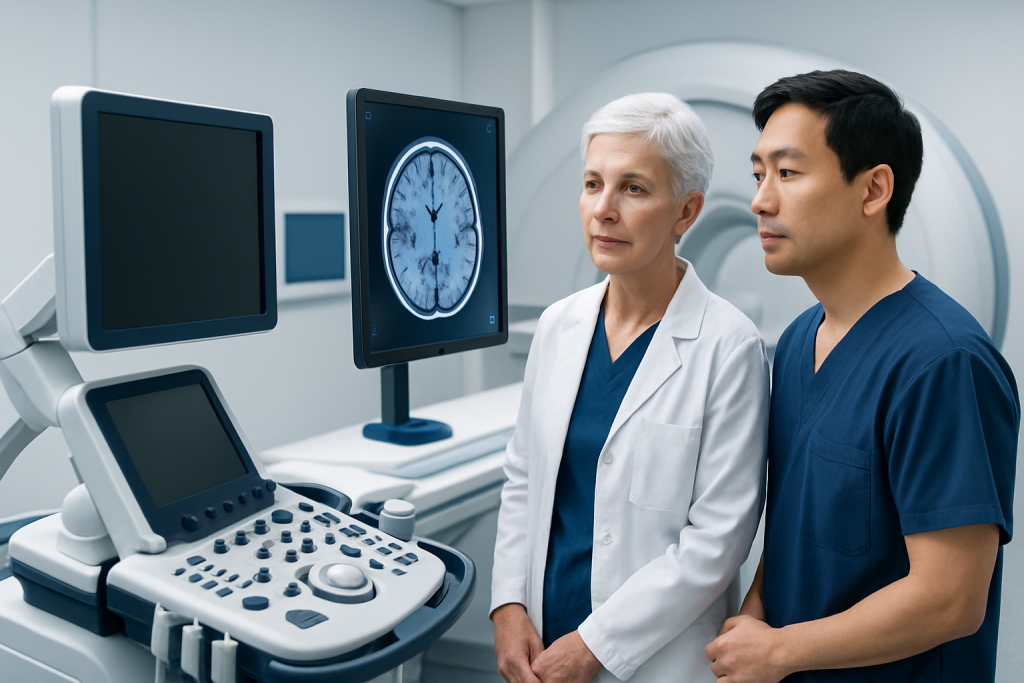
One of the most common reasons people try ginkgo is to support memory or concentration. Research in healthy adults has not shown strong or consistent improvement in everyday memory or thinking. Some small studies suggest mild short-term effects on attention or mental processing, but these findings are not strong enough to conclude that ginkgo meaningfully improves cognition for most healthy people.
Ginkgo has also been studied in people with mild cognitive symptoms and dementia. Here, results remain mixed. Some trials have suggested a small benefit in symptoms or daily functioning in selected patients, especially when a standardized extract is used as part of an overall care plan. However, ginkgo has not been shown to prevent dementia, and it should not replace standard evaluation for conditions such as Alzheimer’s disease.
Because memory problems can have many causes, self-treatment can delay useful care. Medication side effects, sleep disorders, depression, thyroid disease, vitamin deficiencies, and neurological illness can all affect thinking. A proper medical assessment is often more valuable than trying supplements first.
Possible Benefits for Circulation, Dizziness, and Ear Symptoms

Ginkgo is sometimes promoted for circulation because it may influence blood vessel function and blood flow at a small-vessel level. This has led to interest in symptoms such as cold hands and feet, leg discomfort with walking, and age-related vascular concerns. Even so, evidence for meaningful symptom relief in circulation disorders is limited, and ginkgo is not a replacement for diagnosis or treatment of vascular disease.
Some patients also ask about ginkgo for dizziness, vertigo, or ringing in the ears. Research in these areas is variable. A few studies suggest possible benefit in selected patients, especially when symptoms are related to inner-ear or balance conditions, but findings are not consistent enough to recommend ginkgo as a stand-alone treatment. Persistent vertigo or imbalance should be assessed because many causes are treatable, and some need specialist care such as vestibular rehabilitation.
Tinnitus is another area where people commonly try supplements. Although ginkgo has been studied for tinnitus, results have generally been inconsistent, and it has not been reliably shown to improve this symptom. Ear symptoms may be linked to hearing loss, Ménière-type disorders, medication effects, noise exposure, or other ENT conditions, so a clinical evaluation remains important.
How Ginkgo May Work in the Body
Researchers believe ginkgo may act through several biological pathways. Compounds in standardized ginkgo extracts appear to have antioxidant effects and may affect blood vessel tone, platelet activity, and nerve-cell signaling. These actions have made it of interest for conditions involving blood flow, aging, and brain function.
However, a biologically plausible mechanism does not automatically mean a clear clinical benefit. Many supplements show promising laboratory effects but only small or uncertain benefits in people. That is why doctors rely more on well-designed human studies than on theory alone.
Patients may find it helpful to think of ginkgo as a supplement under active scientific interest rather than a proven brain or circulation enhancer. For specific symptoms such as memory decline, balance problems, or poor circulation, doctors usually focus first on identifying the underlying cause and then choosing evidence-based treatment options.
Safety, Side Effects, and Drug Interactions
Ginkgo is often considered “natural,” but natural does not always mean risk-free. Common side effects are usually mild and may include headache, stomach upset, nausea, dizziness, or allergic skin reactions. Not everyone experiences side effects, but patients should stop the supplement and seek advice if new symptoms begin after starting it.
The most important safety issue is bleeding risk. Ginkgo may affect platelet function, so it can be a concern for people taking blood thinners or antiplatelet medicines, including warfarin, direct oral anticoagulants, aspirin, or clopidogrel. It may also be inappropriate before surgery or dental procedures. Patients should tell their care team about all supplements, especially before an operation or invasive test.
Ginkgo may also interact with some antidepressants, anti-seizure medicines, diabetes medicines, and other products that affect bleeding or the nervous system. People with epilepsy or a history of seizures should be especially cautious. Pregnant or breastfeeding individuals, children, and people with complex medical conditions should only use ginkgo if a qualified clinician advises it.
- Discuss ginkgo before using it with prescription medicines.
- Avoid starting it just before surgery, dental work, or procedures.
- Use extra caution if there is a history of bleeding problems or seizures.
- Choose reputable products because supplement quality can vary.
Who Might Consider Ginkgo, and Who Should Avoid It?
Some adults consider ginkgo when they have subjective memory complaints, mild concentration difficulties, dizziness, or a desire to support healthy aging. In selected cases, a doctor may decide that a monitored trial of a standardized ginkgo product is reasonable, especially when the expected benefit is modest and safety issues have been carefully reviewed.
On the other hand, ginkgo is not a good self-care choice for unexplained memory loss, fainting, severe dizziness, sudden hearing changes, chest pain, leg pain with walking, or stroke-like symptoms. Those situations need medical assessment rather than supplements. People being evaluated for Parkinson’s disease, dementia, or vascular disease should not rely on ginkgo in place of formal diagnosis and treatment.
Patients should also avoid assuming that a supplement can replace healthy habits. Sleep, physical activity, blood pressure control, hearing care, smoking cessation, and management of diabetes or cholesterol often have a much greater impact on brain and vascular health than any over-the-counter product.
Practical Self-Care and Safe Use Tips
If a patient and clinician decide that ginkgo is reasonable to try, the safest approach is to use one standardized product from a reputable manufacturer and monitor symptoms carefully. It helps to write down the reason for use, such as concentration concerns or balance-related symptoms, and decide in advance how improvement will be judged. If there is no clear benefit after an appropriate trial, continued use may not be worthwhile.
Patients should not combine multiple supplements for the same goal without medical advice. Products aimed at “brain health” or “circulation” often contain several herbs, vitamins, and stimulants, which can increase the chance of side effects or interactions. This is especially important for older adults and people who take several prescription medicines.
Long-term health protection is more reliably supported by established measures: regular exercise, a Mediterranean-style eating pattern, blood pressure and glucose control, hearing checks when needed, good sleep, and prompt evaluation of new neurological symptoms. If a patient has concerning memory or movement symptoms, specialist assessment and treatments such as neurological rehabilitation may be more appropriate than supplements alone.
When to Seek Medical Care
Medical care should be sought promptly for sudden confusion, one-sided weakness, facial drooping, trouble speaking, new severe headache, chest pain, fainting, or sudden vision loss. These symptoms can signal an urgent condition and should never be attributed to aging, stress, or a supplement issue without assessment.
A non-urgent appointment is also important for gradual memory decline, frequent dizziness, tinnitus, hearing changes, balance problems, or leg pain during walking. These symptoms may have many causes, and some are treatable with targeted care rather than supplements. Depending on the situation, doctors may recommend testing or imaging such as MRI to look for neurological or vascular explanations.
For international patients who need evaluation, Acibadem International’s multidisciplinary specialists and JCI-accredited hospitals diagnose and treat neurological, vascular, and balance-related conditions with individualized care plans. Even when ginkgo is being considered, professional guidance helps ensure that more serious conditions are not missed.
Frequently asked questions
What are the main ginkgo biloba benefits supported by research?
Research suggests that ginkgo biloba may offer modest benefit for some symptoms in selected patients, such as certain balance-related complaints or aspects of cognitive symptoms already under medical care. However, evidence is mixed, and it has not been clearly shown to improve memory in healthy adults or prevent dementia.
Can ginkgo biloba improve memory?
Ginkgo biloba is widely marketed for memory, but studies in healthy adults have not shown strong or consistent improvement. If memory changes are persistent, a medical evaluation is more important than starting a supplement.
Is ginkgo biloba safe to take every day?
Daily use may be acceptable for some adults, but safety depends on medical history, other medicines, and the reason for use. People taking blood thinners, those preparing for surgery, and anyone with a seizure history should speak with a clinician before using it.
What medicines can interact with ginkgo biloba?
Ginkgo can interact with anticoagulants and antiplatelet medicines, which may increase bleeding risk. It may also affect certain antidepressants, anti-seizure medications, and other drugs, so patients should review all supplements and prescriptions with a pharmacist or doctor.
Does ginkgo biloba help with tinnitus or dizziness?
Some people use ginkgo for tinnitus or dizziness, but study results are inconsistent. Because these symptoms can have many causes, including inner-ear, neurological, or vascular conditions, they should be medically assessed if they persist.
Who should avoid ginkgo biloba?
People with bleeding disorders, those taking blood thinners, and individuals with a seizure history should be especially cautious. Pregnant or breastfeeding individuals and children should only use it if a qualified clinician advises it.
This article is for general information only and is not a substitute for professional medical advice. Please consult a qualified doctor about your individual situation.
Explore treatments in Turkey — costs, top hospitals & a free quote
JCI-accredited · board-certified surgeons · reply within 24h
Add us as a Preferred Source to see more of our trusted health content across Google Search, AI Overviews and Discover.

More from the Health Library

Signs That Keytruda Is Working: An Evidence-Based Guide for Patients

Raccoon Eyes: An Evidence-Based Guide for Patients

Fungal Acne: What Patients Need to Know

COPD Alternative Remedies: An Evidence-Based Guide for Patients

Keloids and Piercings: What Patients Need to Know