Leg Lifts: Candidacy, Procedure Steps, and Recovery Timeline

Leg lifts are designed to remove loose skin and improve the shape of the thighs or nearby leg area, not to serve as a weight-loss procedure. The best candidates are generally at a stable weight, in good overall health, and bothered by excess skin, chafing, or contour irregularity.
Key Takeaways
- Leg lifts are designed to remove loose skin and improve the shape of the thighs or nearby leg area, not to serve as a weight-loss procedure.
- The best candidates are generally at a stable weight, in good overall health, and bothered by excess skin, chafing, or contour irregularity.
- Recovery usually happens in stages, with early swelling and soreness improving over weeks and final contour settling over several months.
- Common trade-offs include visible scars, temporary activity restrictions, and the usual surgical risks such as bleeding, fluid buildup, infection, or delayed healing.
- An in-person assessment with a qualified plastic surgeon helps determine whether a medial, outer, or combined leg lift is appropriate.
Leg lifts are body contouring procedures that remove excess skin and reshape the thighs or surrounding leg area, most often after major weight loss, aging-related skin laxity, or long-standing friction and discomfort. For the right candidate, a leg lift can improve contour, mobility, clothing fit, and confidence, but it is still surgery and requires careful planning, recovery time, and realistic expectations.
Overview: what leg lifts are and how they work
Leg lifts are surgical body contouring procedures that remove extra skin and, in some cases, a small amount of underlying fat to improve the shape of the thighs or nearby leg area. In practice, the term most often refers to a thigh lift. People usually consider this surgery when skin has lost elasticity after significant weight loss, aging, pregnancy-related body changes, or long-term stretching of the tissues.
The goal of a leg lift is not general weight reduction. Instead, it is intended to reshape an area that diet and exercise may not fully correct once skin has become loose. Many patients seek treatment because of skin rubbing, irritation, hygiene difficulties, trouble finding comfortable clothing, or dissatisfaction with body contour despite maintaining healthy habits.
Surgeons customize the procedure based on where the loose tissue is located. A medial thigh lift targets the inner thigh, while an outer thigh lift addresses the outer upper thigh and can sometimes overlap with lower body contouring. In selected cases, liposuction may be added to refine contour, but this depends on skin quality and the amount of tissue present. For readers exploring plastic surgery options, a leg lift is usually considered part of post-weight-loss or contouring surgery rather than a stand-alone cosmetic decision in every case.
Who may be a good candidate for leg lifts
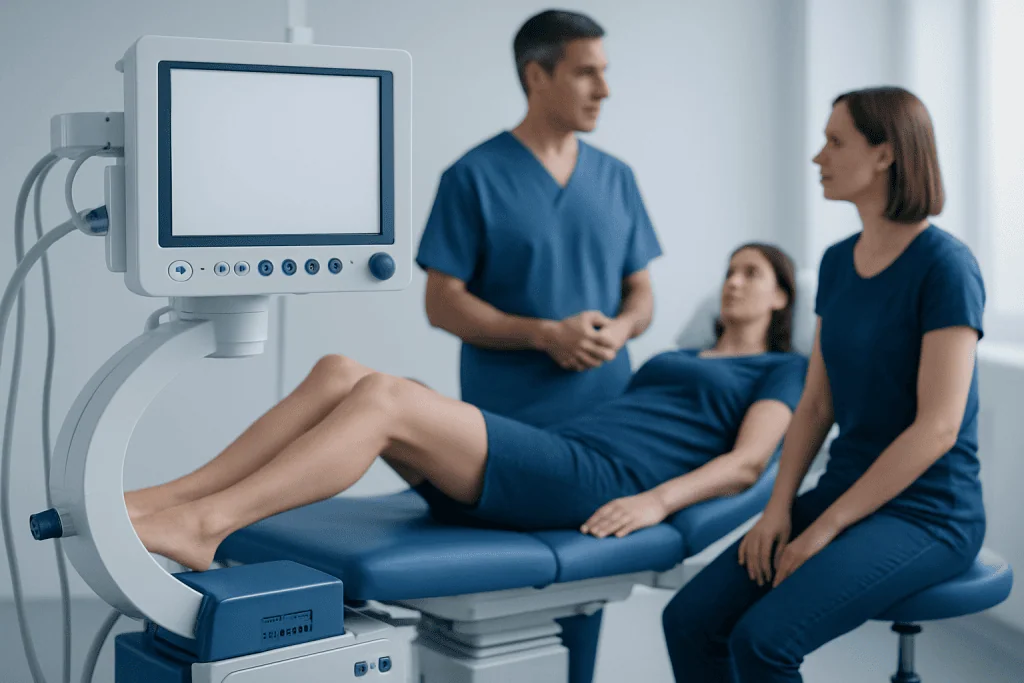
Suitable candidates are usually adults with bothersome excess skin of the thighs or upper legs who are close to their goal weight and have been weight-stable for a period of time. Stable weight matters because further major weight changes after surgery can affect the result. Good candidates also understand that while the contour can improve, scars are a normal part of the operation.
People often seek leg lifts after bariatric surgery or major lifestyle-related weight loss. Others have localized skin laxity from aging, genetics, or previous tissue stretching. A surgeon will look at skin elasticity, fat distribution, muscle tone, prior scars, smoking status, and overall health before recommending surgery.
Some factors can delay or limit eligibility. Uncontrolled diabetes, circulation problems, severe obesity, active skin infection, and smoking increase the risk of wound-healing problems. People prone to swelling of the legs or with a history of blood clots may need more detailed evaluation. If there is concern about obesity or its health effects, addressing broader health goals first may lead to safer and more durable results.
- Best candidates are at a stable weight and in generally good health.
- Skin laxity should be significant enough that non-surgical measures are unlikely to help.
- Expectations should be realistic about scars, recovery, and gradual final results.
- Stopping smoking and optimizing medical conditions are important before surgery.
Procedure types and step-by-step surgery process
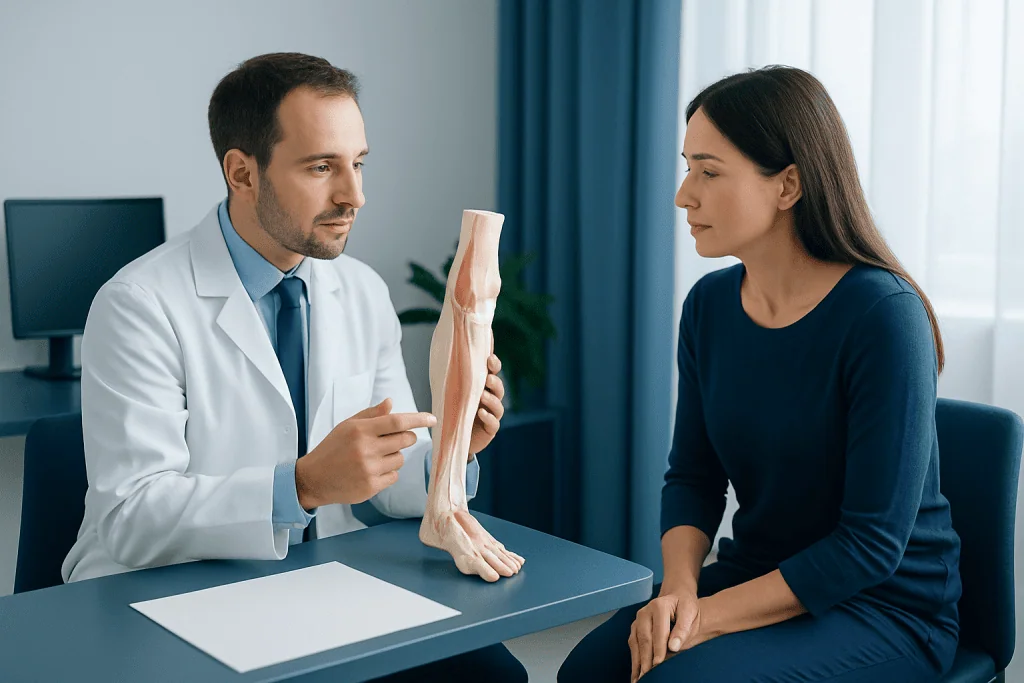
The exact plan depends on the area being treated. The most common approach is a medial thigh lift, where the incision is placed in the groin crease and may extend downward along the inner thigh if more skin needs to be removed. Outer thigh lifts usually involve a longer incision placed where it can be concealed by underwear or along natural body lines. The surgeon marks the skin before surgery to guide precise tissue removal.
Leg lifts are usually performed under general anesthesia. After anesthesia is given, the surgeon makes the planned incision, lifts and reshapes the tissue, removes excess skin, and may remove a limited amount of fat if appropriate. The remaining tissue is then tightened and closed with sutures. In some cases, drains are used temporarily to reduce fluid buildup, and compression garments are applied at the end of the operation.
Patients generally go home the same day or stay overnight depending on the extent of surgery, medical history, and whether additional contouring procedures were done. A leg lift is often discussed alongside post-bariatric surgery planning because skin excess after major weight loss may involve several areas, not just the thighs. When there is also significant fatty fullness, the surgeon may discuss whether liposuction should be staged separately or combined carefully to protect blood supply and healing.
Benefits, limitations, and possible risks
The main benefits of leg lifts are improved contour, reduced skin rubbing, easier hygiene, and better clothing fit. Some people also feel more comfortable during walking or exercise when heavy or mobile skin folds are removed. The changes can be especially meaningful after large weight loss, when health may have improved but excess skin still affects daily comfort.
At the same time, leg lifts have clear limitations. They do not create perfect symmetry, stop natural aging, or replace weight management. The procedure improves shape but cannot guarantee a specific clothing size or a completely scar-free result. Scars are permanent, though they usually fade with time and are placed as discreetly as possible.
As with any operation, complications are possible. These can include bleeding, infection, fluid collection, wound separation, delayed healing, asymmetry, numbness, contour irregularity, and blood clots. Risk is higher in smokers and in people with obesity, poor nutrition, or certain chronic illnesses. Careful preoperative assessment and following aftercare instructions closely can lower many of these risks.
Recovery timeline: what to expect after a leg lift
Recovery after leg lifts tends to happen in phases rather than all at once. In the first few days, swelling, bruising, tightness, and soreness are common. Walking short distances is usually encouraged early to support circulation, but strenuous movement, heavy lifting, and stretching the incision area are limited. Compression garments may be recommended to help manage swelling and support the tissues.
During the first two weeks, many patients gradually become more comfortable with light household activity. The exact timing of returning to work depends on the type of job and the extent of surgery, but desk-based work may be possible sooner than physically demanding work. Drain care, dressing changes, bathing instructions, and scar care vary by surgeon and should be followed carefully.
By several weeks after surgery, much of the early swelling has improved, though residual swelling can last longer. Exercise is usually restarted gradually, beginning with gentle activity and progressing only when cleared by the surgeon. Final contour can take several months to settle as tissues soften and scars mature. Patients considering more extensive reshaping may also hear about body contouring as part of a broader staged recovery plan.
- First few days: rest, short walks, compression, swelling control.
- First 1-2 weeks: limited activity, incision care, follow-up visits.
- Weeks 3-6: gradual return to routine, depending on healing progress.
- Several months: scars mature and final contour becomes easier to assess.
Preparing for surgery and supporting long-term results
Preparation begins with a detailed consultation. The surgeon reviews medical history, medications, allergies, prior operations, and weight changes. Photographs may be taken for planning, and preoperative tests may be ordered depending on age, health status, and the scope of surgery. This visit is also the time to discuss scar placement, whether more than one procedure is being considered, and what result is realistically achievable.
Patients are commonly advised to stop smoking well before surgery, avoid certain medicines or supplements that increase bleeding risk if their doctor recommends it, and arrange help at home for the early recovery period. Good nutrition, hydration, and control of chronic conditions can support safer healing. Weight stability before surgery is one of the most important factors for long-term satisfaction.
After healing, maintaining results depends largely on consistent habits. While removed skin does not return, remaining tissues can still change with aging, gravity, and weight fluctuation. A stable weight, regular physical activity, skin care, and follow-up appointments can help preserve the contour for longer. For international patients seeking coordinated care, Acibadem International’s multidisciplinary specialists in JCI-accredited hospitals diagnose and treat body contour concerns with individualized planning.
When to seek medical care
A consultation is worth considering when excess thigh or leg skin causes repeated chafing, rashes, hygiene difficulty, limitation during walking or exercise, or emotional distress that does not improve with non-surgical measures. Medical review is also helpful when weight has been stable after major loss and the remaining skin significantly affects daily comfort or function.
After surgery, prompt medical advice is important for warning signs such as fever, worsening redness, sudden swelling, new drainage with a bad odor, severe pain not improving as expected, shortness of breath, chest pain, or one-sided calf pain and swelling. These symptoms do not always mean a serious problem, but they should be assessed quickly.
Even when recovery seems to be going well, regular follow-up matters. A surgeon can monitor healing, guide scar care, and help decide when normal activities can safely resume. Personalized advice is always better than comparing recovery with someone else’s timeline.
Frequently asked questions
Are leg lifts the same as thigh lifts?
Often, yes. In everyday use, leg lifts usually refer to thigh lift procedures that remove excess skin from the inner or outer upper leg. The exact technique depends on where loose skin is concentrated and how much reshaping is needed.
Can leg lifts help with weight loss?
Leg lifts are not weight-loss operations. They are contouring procedures meant to remove excess skin and improve shape after weight loss or skin laxity. Most surgeons prefer patients to be near a stable, sustainable weight before surgery.
Will there be visible scars after a leg lift?
Yes, scars are expected after any leg lift. Surgeons place incisions as discreetly as possible, but scar length depends on how much skin must be removed. Scars usually fade over time, although they do not disappear completely.
How painful is leg lift recovery?
Most people experience soreness, tightness, bruising, and swelling rather than severe pain alone. Discomfort is usually strongest in the first days and then gradually improves. Following movement restrictions and wound-care instructions can make recovery smoother.
How long does it take to recover from leg lifts?
Initial recovery often takes a few weeks, but full healing is more gradual. Many patients return to lighter routines earlier than strenuous exercise or physically demanding work. Swelling and scar maturation can continue to improve over several months.
Can liposuction replace a leg lift?
Not always. Liposuction removes fat, but it does not reliably correct significant loose or hanging skin. When skin elasticity is poor, a leg lift may be needed, sometimes with liposuction used selectively to refine contour.
References
- American Society of Plastic Surgeons
- American Board of Plastic Surgery
- National Health Service
- Mayo Clinic
- MedlinePlus
This article is for general information only and is not a substitute for professional medical advice. Please consult a qualified doctor about your individual situation.
Medical weight-loss options in Turkey — costs & eligibility
JCI-accredited · board-certified surgeons · reply within 24h
Add us as a Preferred Source to see more of our trusted health content across Google Search, AI Overviews and Discover.