Opthalmology: An Evidence-Based Guide for Patients
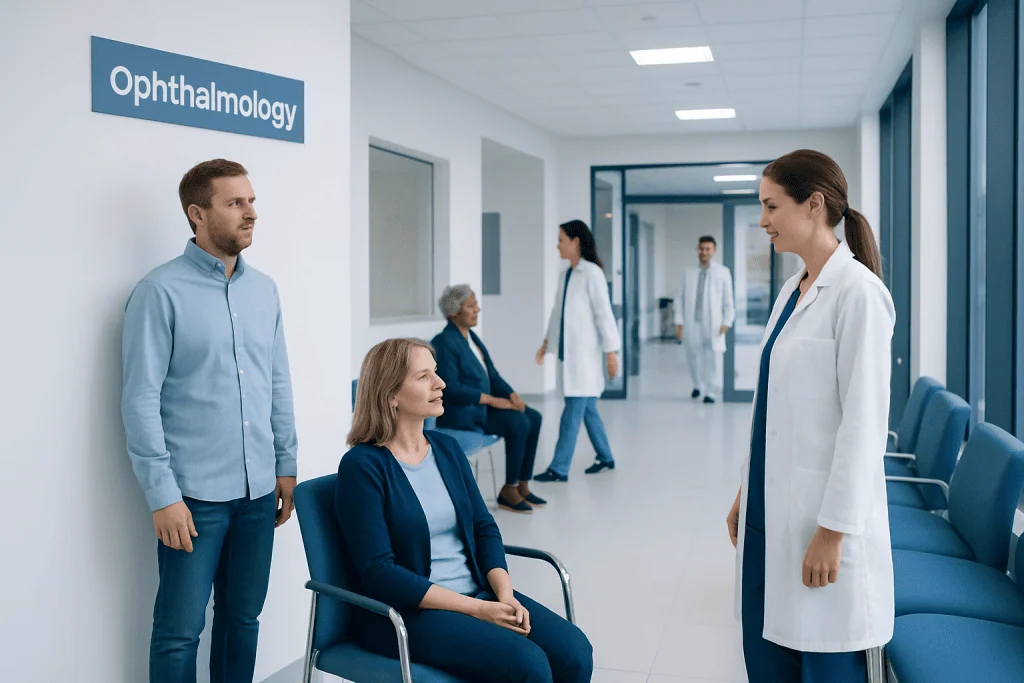
Opthalmology focuses on the health of the eyes, vision, and related structures. An ophthalmologist is a medical doctor trained to diagnose eye disease and perform eye surgery.
Key Takeaways
- Opthalmology focuses on the health of the eyes, vision, and related structures.
- An ophthalmologist is a medical doctor trained to diagnose eye disease and perform eye surgery.
- Regular eye examinations can detect problems early, sometimes before symptoms appear.
- Common concerns include blurry vision, cataracts, glaucoma, diabetic eye disease, and dry eye.
- Urgent symptoms such as sudden vision loss, severe eye pain, or flashes and floaters need prompt medical attention.
Opthalmology is the medical specialty that diagnoses, treats, and helps prevent diseases of the eyes and visual system. For patients, it includes routine eye exams, evaluation of symptoms such as blurred vision or eye pain, and medical or surgical care for conditions that affect sight.
Overview: what opthalmology means for patients
Opthalmology, more commonly spelled ophthalmology, is the branch of medicine devoted to eye health, vision, and the diagnosis and treatment of disorders that affect the eyes. It covers everything from routine eye examinations and glasses prescriptions to the management of chronic eye disease and complex microsurgery.
For patients, the most important point is that opthalmology is not limited to one problem or one age group. Newborns, children, adults, and older people may all need ophthalmic care at different times. Some visits are preventive, while others are prompted by symptoms such as blurry vision, redness, light sensitivity, double vision, or eye discomfort.
An ophthalmologist is a medical doctor who can assess the whole eye, prescribe medicines, monitor long-term conditions, and perform procedures or surgery when needed. This is different from general vision screening alone, because many serious eye diseases can develop gradually and may not cause symptoms in the early stages.
Modern opthalmology also connects eye health with overall health. Conditions such as diabetes, high blood pressure, autoimmune disease, infections, and aging can all affect vision. This is why eye care is often part of broader preventive healthcare, not only a response to symptoms.
What conditions does ophthalmology cover?
Opthalmology covers a wide range of common and complex conditions. Some affect the front of the eye, such as dry eye, conjunctivitis, corneal injury, and cataracts. Others affect deeper structures, including the retina, optic nerve, and blood vessels that support vision.
Frequent reasons for ophthalmology visits include refractive errors, age-related vision changes, eye strain, allergies, infections, and injuries. Specialists also evaluate more serious diseases such as glaucoma, cataracts, retinal tears, macular degeneration, and diabetic retinopathy. In some cases, the eye examination can also reveal signs of neurological or systemic illness.
Ophthalmology may involve subspecialties such as pediatric eye care, retina, cornea, oculoplastics, uveitis, and neuro-ophthalmology. This means a patient may start with a general ophthalmologist and then be referred to a specialist if a more specific diagnosis or treatment plan is needed.
Because eye disease can affect reading, driving, work, balance, and quality of life, timely diagnosis matters. Many conditions are manageable, and some are highly treatable, especially when they are identified early.
Symptoms and warning signs that may need evaluation
Many eye symptoms are mild and temporary, but some deserve medical assessment. Common concerns include blurred vision, difficulty seeing at night, eye redness, burning, watering, itching, foreign-body sensation, and headaches associated with visual tasks. People may also notice trouble focusing, double vision, or increasing sensitivity to light.
Certain warning signs are more urgent because they can indicate problems that threaten vision. These include sudden vision loss, a curtain-like shadow over vision, a sudden increase in flashes or floaters, severe eye pain, significant light sensitivity, chemical exposure, or eye trauma. A sudden onset of these symptoms should not be ignored.
Changes can affect one eye or both eyes. Symptoms in just one eye may still be important, especially if they are new or progressive. Patients sometimes assume a gradual decline is a normal part of aging, but blurred vision can also be linked to cataracts, glaucoma, retinal disease, or uncontrolled blood sugar.
Children may not always describe symptoms clearly. Warning signs in children can include frequent squinting, sitting very close to screens, eye misalignment, poor visual tracking, sensitivity to light, or difficulty at school that may relate to vision. Family members often play a key role in recognizing early concerns.
Causes and risk factors for eye disease
Eye problems can develop for many reasons. Some are related to aging, such as cataracts and age-related retinal changes. Others are inherited or influenced by family history, including some forms of glaucoma, retinal disorders, and refractive errors. Daily habits, workplace exposure, and environmental factors may also contribute to eye strain, dry eye, or injury.
Medical conditions are another major influence on eye health. Diabetes can damage small blood vessels in the retina, high blood pressure can affect circulation in the eye, and autoimmune diseases may trigger inflammation. Thyroid disorders, migraine, some infections, and neurological conditions may also lead to visual symptoms.
Important risk factors include older age, smoking, ultraviolet light exposure, long-term corticosteroid use, eye trauma, and a personal or family history of eye disease. People who wear contact lenses may have a higher risk of corneal irritation or infection if lens hygiene is poor or lenses are worn for too long.
Screen time does not usually cause permanent eye disease by itself, but prolonged device use can worsen digital eye strain and dryness. Simple habits such as regular breaks, appropriate lighting, and blink awareness can help reduce discomfort. Even so, persistent symptoms should still be checked to rule out an underlying condition.
How ophthalmologists diagnose eye problems
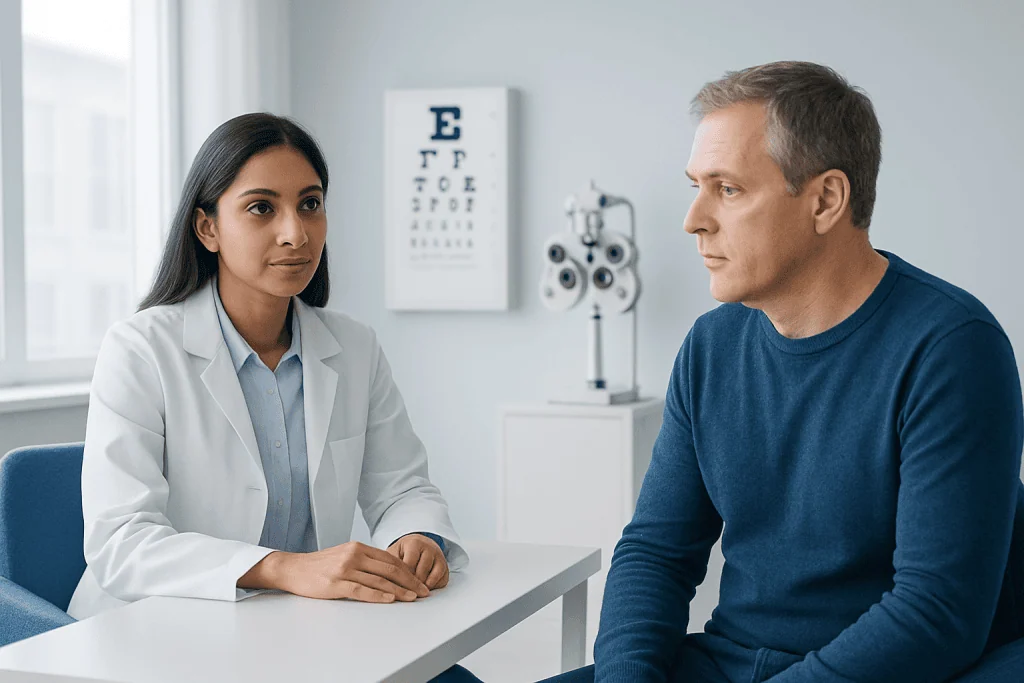
Diagnosis in opthalmology starts with a careful history. The clinician asks about symptoms, when they started, whether one or both eyes are affected, current medicines, past eye problems, medical conditions, and family history. This context often helps narrow down the most likely causes before the examination begins.
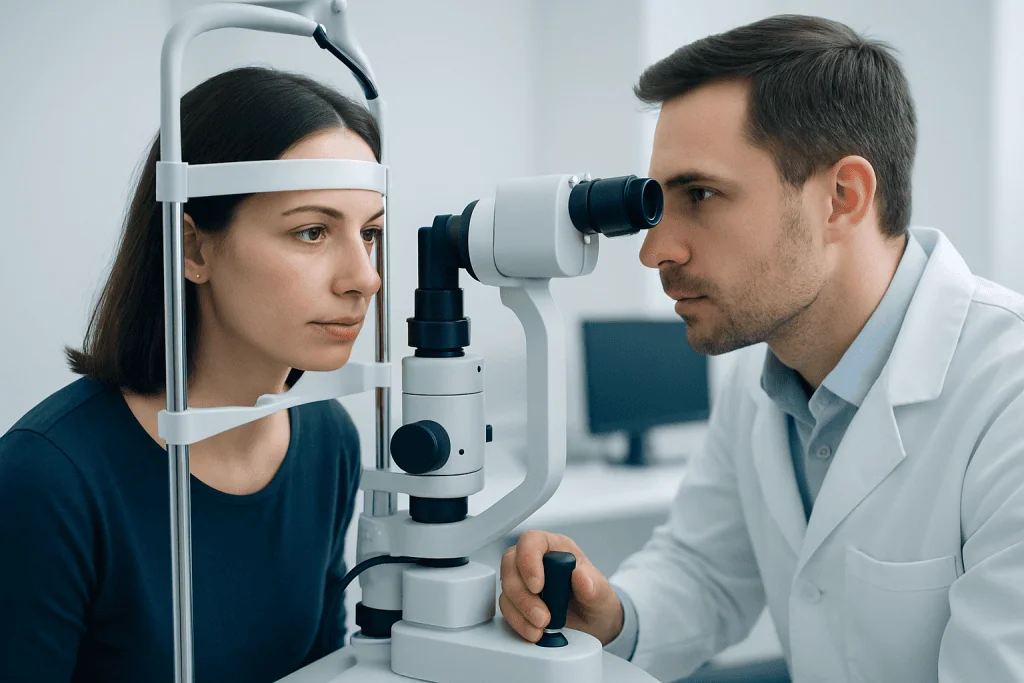
A standard eye examination may include a visual acuity test, refraction, pupil assessment, eye pressure measurement, slit-lamp examination, and a look at the retina and optic nerve after dilating the pupils. Depending on the complaint, additional testing may be needed to assess peripheral vision, corneal thickness, retinal imaging, tear function, color vision, or eye muscle balance.
Imaging and specialized testing are used when more detail is necessary. Optical coherence tomography can help assess the retina and optic nerve. Visual field testing is commonly used when monitoring glaucoma or neurological visual problems. Ultrasound, fluorescein angiography, and other targeted tests may be used in selected cases.
The goal of diagnosis is not only to name the condition but to understand how advanced it is and whether vision is at risk. This helps guide treatment choices, follow-up intervals, and whether the patient should be referred for a procedure such as cataract surgery or laser eye surgery when clinically appropriate.
Treatment options in ophthalmology
Treatment depends on the cause of the problem. Some conditions improve with simple measures such as lubricating eye drops, allergy treatment, warm compresses, or changes in visual habits. Others require prescription medicines, pressure-lowering drops, anti-inflammatory treatment, or injections for diseases affecting the retina.
Surgery is an important part of ophthalmology, but not every eye condition needs an operation. Cataract surgery is commonly performed when clouding of the natural lens begins to interfere with daily activities. Corneal procedures, eyelid surgery, retinal procedures, and glaucoma operations may also be recommended in selected cases to protect or improve vision.
Laser-based treatments can be used for different purposes, including correcting refractive errors, treating some retinal conditions, or helping manage glaucoma. For example, patients with suitable vision goals and eye anatomy may discuss laser vision correction with a specialist, while those with elevated pressure may need medical or procedural management for glaucoma.
Long-term follow-up is often part of care. Chronic eye diseases may not be cured completely, but they can often be monitored and managed effectively. Near the end of the care pathway, some international patients choose centers such as Acibadem International, where multidisciplinary specialists in JCI-accredited hospitals evaluate eye conditions and provide medical and surgical treatment plans tailored to the diagnosis.
Prevention, self-care, and protecting vision
Good eye health involves both preventive care and everyday habits. Regular eye examinations are important because some conditions, especially glaucoma and diabetic retinal disease, can progress quietly before symptoms become obvious. People with diabetes, high blood pressure, a strong family history of eye disease, or previous eye surgery may need more frequent monitoring.
At home, practical self-care can help protect vision. Wearing sunglasses that block ultraviolet light, using protective eyewear for sports or hazardous work, and managing screen use can reduce strain and injury risk. Contact lens users should follow cleaning instructions carefully and avoid sleeping in lenses unless specifically advised by their doctor.
General health habits also support the eyes. Blood sugar control, blood pressure management, smoking cessation, balanced nutrition, and physical activity are all linked with better long-term eye outcomes. If a person already has an eye disease, taking prescribed medication consistently and attending follow-up visits are key parts of prevention.
Self-care should not replace medical review when symptoms persist or worsen. Over-the-counter drops may relieve irritation, but they do not treat every cause of redness or blurred vision. If the diagnosis is uncertain, professional evaluation is the safest next step.
When to seek medical care
Medical care should be sought promptly for any sudden change in vision. This includes sudden blurring, loss of part of the visual field, new flashes and floaters, severe eye pain, marked redness with light sensitivity, or an eye injury. Chemical splashes and penetrating injuries should be treated as urgent emergencies.
Non-urgent symptoms still deserve an appointment if they persist. Examples include gradually worsening vision, repeated headaches linked to visual tasks, ongoing dryness or irritation, frequent tearing, double vision, or difficulty seeing at night. A scheduled examination can clarify whether the cause is minor, treatable, or something that needs close follow-up.
People with chronic conditions such as diabetes should not wait for symptoms before arranging eye checks. Children who show signs of poor visual development should also be assessed early, since some problems are easier to treat when detected in time. Older adults may benefit from routine evaluation even when they feel their vision is acceptable.
If surgery or advanced treatment is being considered, an ophthalmologist can explain the benefits, limitations, recovery expectations, and alternatives. In patients with lens clouding that affects daily life, this may include discussion of cataract treatment and other options based on the examination findings.
Frequently asked questions
What is the difference between opthalmology and ophthalmology?
They refer to the same medical specialty. "Ophthalmology" is the standard spelling, while "opthalmology" is a common misspelling used in searches. Both describe medical care focused on the eyes, vision, and eye disease.
What does an ophthalmologist do?
An ophthalmologist is a medical doctor who examines the eyes, diagnoses eye disease, prescribes treatments, and performs eye surgery when needed. They manage both routine and complex problems, from blurry vision and dry eye to glaucoma, cataracts, and retinal disease.
How often should someone have an eye exam?
The right schedule depends on age, symptoms, overall health, and personal risk factors. People with diabetes, a family history of eye disease, previous eye surgery, or known vision problems often need more regular follow-up. A doctor can recommend the most appropriate interval.
Can eye diseases develop without symptoms?
Yes. Some important conditions, especially glaucoma and diabetic retinal disease, may progress before a person notices obvious visual changes. That is one reason regular eye examinations are important, even when vision seems stable.
When is blurry vision an emergency?
Blurry vision becomes more urgent when it starts suddenly, affects only one eye, or happens with pain, flashes, floaters, weakness, or a dark curtain in the visual field. These features can point to conditions that need prompt assessment to protect vision.
Is screen use damaging the eyes permanently?
Screen use usually causes temporary symptoms such as dryness, fatigue, and trouble focusing rather than permanent eye damage. Taking regular breaks, adjusting lighting, and blinking more often can help. Persistent discomfort should still be evaluated by a qualified eye professional.
This article is for general information only and is not a substitute for professional medical advice. Please consult a qualified doctor about your individual situation.
Explore treatments in Turkey — costs, top hospitals & a free quote
JCI-accredited · board-certified surgeons · reply within 24h
Add us as a Preferred Source to see more of our trusted health content across Google Search, AI Overviews and Discover.
Check your numbers in seconds
BMI, calories, due date, blood pressure and 30+ more clinical calculators — free, instant, doctor-reviewed ranges.

More from the Health Library

Positive Thinking: What Patients Need to Know

Hot Compresses for Acne: An Evidence-Based Guide for Patients

Hemorrhoid Cream: What Patients Need to Know

Pimple on Penice: An Evidence-Based Guide for Patients

Lemongrass: An Evidence-Based Guide for Patients