Understanding Nemaline Myopathy: A Complete Patient Guide
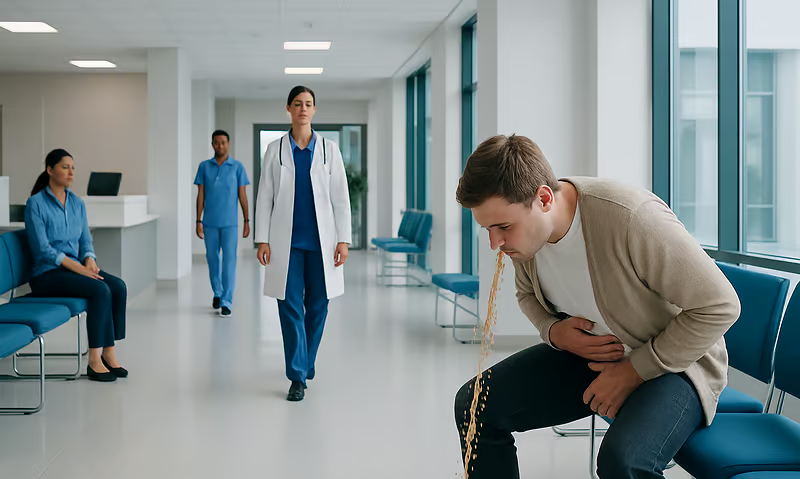
Nemaline myopathy is usually caused by changes in genes involved in muscle structure and function. Symptoms vary widely, from mild lifelong weakness to more severe breathing and feeding problems in infancy.
Key Takeaways
- Nemaline myopathy is usually caused by changes in genes involved in muscle structure and function.
- Symptoms vary widely, from mild lifelong weakness to more severe breathing and feeding problems in infancy.
- Diagnosis often combines medical history, physical examination, genetic testing, and specialized muscle studies.
- Treatment focuses on supportive care such as respiratory support, nutrition, rehabilitation, and monitoring for complications.
- Regular follow-up with a multidisciplinary team can help patients maintain mobility, safety, and daily function.
Nemaline myopathy is a rare inherited muscle disorder that weakens the skeletal muscles used for movement, posture, swallowing, and sometimes breathing. It cannot usually be cured, but timely diagnosis and supportive care can improve comfort, function, and quality of life.
What is nemaline myopathy?
Nemaline myopathy is a rare genetic muscle condition that causes weakness in voluntary muscles, especially those used for movement, posture, facial expression, swallowing, and breathing. It belongs to a group of disorders called congenital myopathies, meaning muscle diseases that are often present at birth or begin early in life. The name comes from rod-like structures, called nemaline bodies, that can be seen inside muscle fibers under a microscope.
The condition does not affect everyone in the same way. Some people have mild weakness and remain active with few limitations, while others have more significant symptoms that need close medical support. Weakness often affects the face, neck, shoulders, upper arms, hips, and legs, but the pattern can differ from one person to another.
Nemaline myopathy is not contagious and is not caused by anything a parent did during pregnancy. It develops because of inherited or new genetic changes that affect proteins needed for normal muscle contraction. Because symptoms and severity vary so much, diagnosis and care are best guided by clinicians experienced in neuromuscular diseases.
How nemaline myopathy affects the body
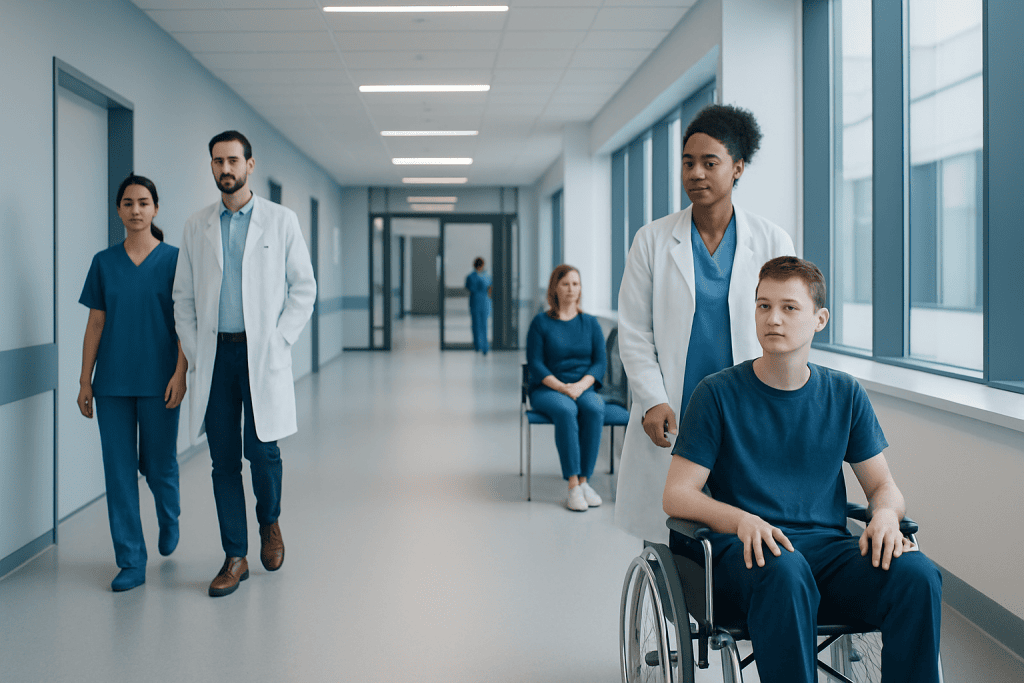
Healthy muscles contract when specialized proteins work together in an organized way. In nemaline myopathy, genetic changes disrupt this system, so the muscles do not generate force as effectively as they should. This leads to reduced muscle tone, weakness, and fatigue with activity.
The muscles most commonly affected are skeletal muscles, which control voluntary movement. Many people have low muscle tone, delayed motor development, difficulty lifting the head, trouble climbing stairs, or reduced endurance. In infants, the earliest signs may include floppiness, feeding difficulties, weak crying, or delayed milestones.
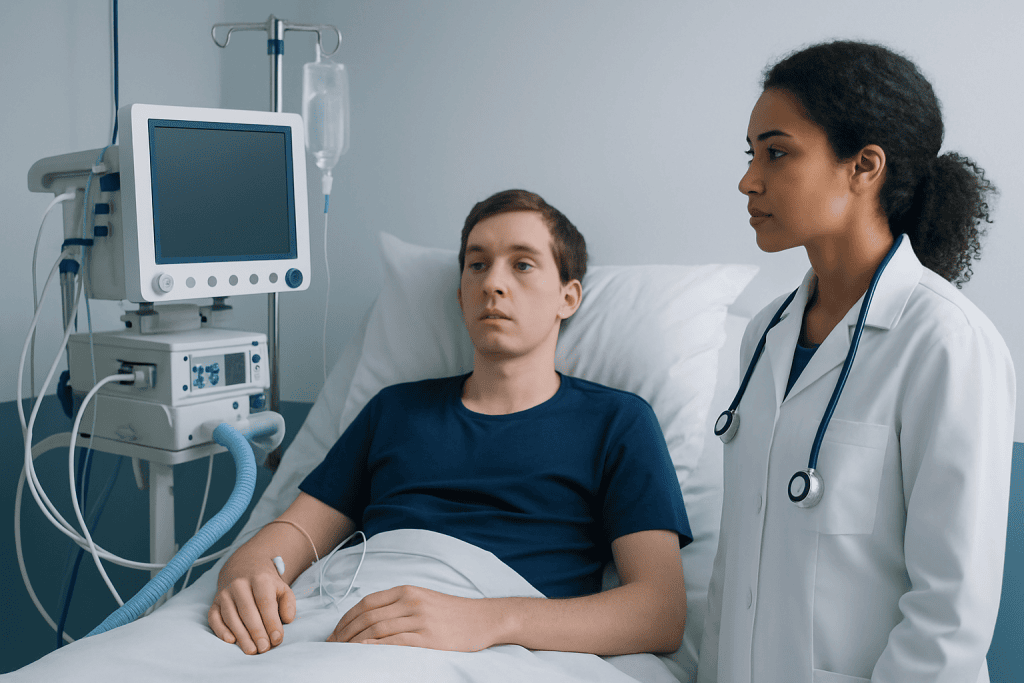
Breathing muscles can also be involved. Even when arm or leg weakness seems mild, some patients may develop sleep-related breathing problems or recurrent chest infections because cough strength is reduced. For this reason, assessment of respiratory function is an important part of care, and some people benefit from specialized support such as respiratory therapy.
Symptoms and possible complications
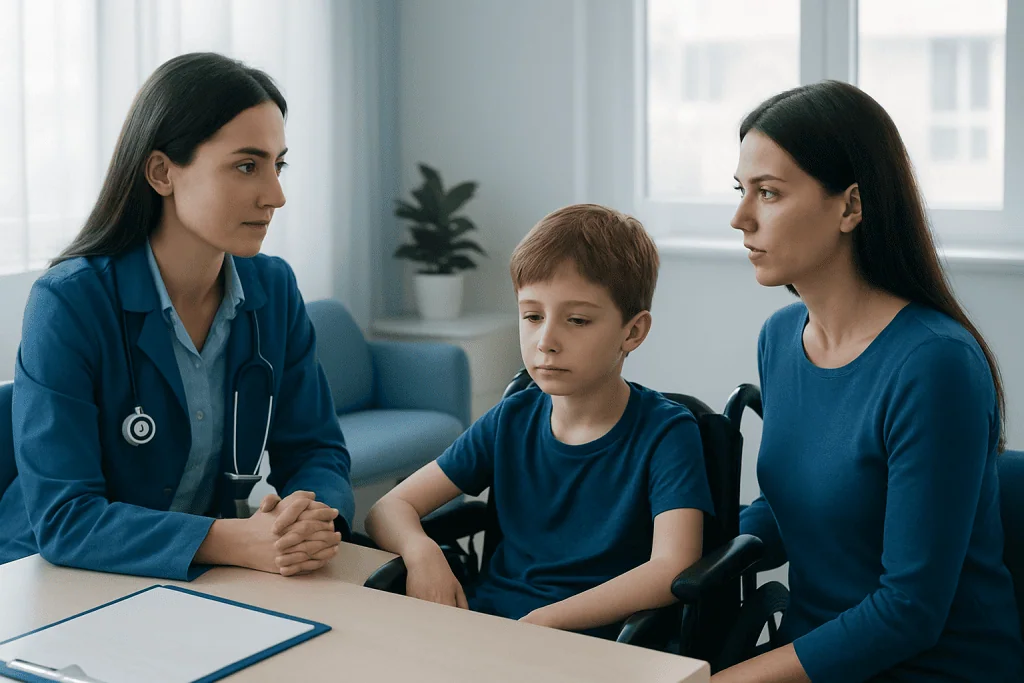
Symptoms of nemaline myopathy can begin before birth, in infancy, during childhood, or sometimes later in life. The most common feature is muscle weakness, but the severity and distribution vary widely. Some children are diagnosed soon after birth, while others are identified only when delays in movement, posture, or endurance become noticeable.
Possible symptoms include:
- Low muscle tone or a “floppy” appearance in babies
- Delayed sitting, standing, or walking
- Facial weakness or reduced facial expression
- Problems sucking, chewing, or swallowing
- Weak neck, shoulder, arm, hip, or leg muscles
- Fatigue and reduced exercise tolerance
- Breathing difficulties, especially during sleep
- Spinal curvature such as scoliosis
Complications depend on which muscles are affected most. Feeding problems can lead to poor weight gain. Weak cough and breathing muscles can increase the risk of respiratory infections or nighttime low oxygen levels. Some people also develop joint tightness, chest wall changes, or spinal problems over time, which is why regular monitoring is important even in milder cases.
Causes and risk factors
Nemaline myopathy is caused by changes in genes that help build and regulate the muscle fiber. Several genes have been linked to the disorder, including genes involved in the thin filament of muscle, which plays a central role in contraction. Different gene changes can produce different patterns of symptoms and severity.
In many families, the condition is inherited. Depending on the gene involved, inheritance may be autosomal dominant or autosomal recessive. In some patients, the genetic change is new and not previously present in either parent. Genetic counseling can help families understand recurrence risk, inheritance patterns, and testing options for relatives.
Risk factors are mainly genetic rather than lifestyle-related. There is no known way to prevent the underlying mutation from causing the disorder in an affected person. However, early recognition of symptoms can reduce complications by allowing supportive treatment to begin sooner. In a broader diagnostic work-up, specialists may also consider other inherited muscle conditions such as muscular dystrophy when symptoms overlap.
How doctors diagnose nemaline myopathy
Diagnosis usually starts with a careful medical history and neurological examination. Doctors look at muscle tone, strength, reflexes, motor development, facial involvement, swallowing, breathing, and family history. Because nemaline myopathy can resemble other neuromuscular conditions, diagnosis often requires several steps.
Genetic testing is now a key part of confirming the condition and identifying the responsible gene. Additional tests may include blood tests, nerve and muscle studies, breathing assessments, sleep studies, and imaging when needed. Some patients may also undergo a muscle biopsy, which can show the characteristic nemaline rods inside muscle fibers.
A clear diagnosis matters because it helps guide monitoring and long-term care. It can also reduce uncertainty for families and support planning for therapies, education, mobility, and home needs. In some cases, a muscle biopsy may be discussed as part of a broader muscle biopsy evaluation when genetic results are incomplete or when doctors need more information.
Treatment options and long-term management
There is currently no single cure that reverses nemaline myopathy in most patients, so treatment focuses on symptom control, safety, and preserving function. Care is often tailored to the person’s age, symptom pattern, and the muscles most affected. A multidisciplinary team may include pediatricians or neurologists, pulmonologists, rehabilitation specialists, dietitians, speech and swallowing experts, orthopedic specialists, and genetic counselors.
Supportive treatments may include physical therapy to maintain strength and flexibility, occupational therapy for daily activities, and speech or feeding therapy when oral motor weakness is present. Nutritional support is important for children who have trouble feeding or gaining weight. In people with swallowing problems, doctors may recommend texture changes, swallowing strategies, or more advanced feeding support when necessary.
Breathing care is a major part of management. Patients may need cough assistance, sleep monitoring, treatment of infections, or noninvasive ventilation if breathing muscles are weak. When mobility, posture, or spine problems develop, braces, mobility aids, and rehabilitation can help maintain independence; some patients may benefit from coordinated physical therapy and rehabilitation.
Care plans should be reviewed regularly because needs can change over time. Close follow-up can help detect respiratory decline, scoliosis, contractures, or nutritional issues early. Near the end of the care pathway, patients seeking coordinated evaluation may wish to know that Acibadem International’s multidisciplinary specialists and JCI-accredited hospitals diagnose and treat complex neuromuscular conditions for international patients.
Daily living, prevention, and self-care
Nemaline myopathy itself cannot usually be prevented because it is genetic, but many complications can be reduced through regular follow-up and practical self-care. Families are often encouraged to keep scheduled visits for breathing checks, growth monitoring, spine assessment, and therapy review. Vaccination, hand hygiene, and prompt attention to chest infections may help reduce respiratory problems.
At home, energy conservation can be helpful. Planning rest breaks, using adaptive equipment, and adjusting activities to match endurance can make daily life easier without discouraging movement. Gentle, individualized exercise under professional guidance may support flexibility and function, but overexertion should be avoided.
Swallowing safety is also important. If meals are tiring, prolonged, or associated with coughing or choking, a clinical review is sensible. Families may also benefit from practical education about positioning, sleep, airway clearance, school participation, and emotional support, especially when the diagnosis is made in infancy or early childhood.
When to seek medical care
Medical advice should be sought promptly if a baby seems unusually floppy, feeds poorly, has a weak cry, or is not meeting expected motor milestones. In older children or adults, ongoing muscle weakness, frequent falls, trouble climbing stairs, swallowing difficulty, or reduced exercise tolerance should be assessed by a qualified doctor.
Urgent care is especially important if there are breathing concerns. Warning signs include fast or labored breathing, pauses during sleep, bluish lips, repeated chest infections, choking episodes, or unusual daytime sleepiness that may suggest nighttime breathing problems. These symptoms do not always mean severe disease, but they should not be ignored.
Because nemaline myopathy is uncommon and symptoms overlap with other conditions, specialist review can be very valuable. Early diagnosis can help families access the right therapies, monitoring, and practical support sooner.
Frequently asked questions
Is nemaline myopathy curable?
Nemaline myopathy is usually not curable at present because it is caused by genetic changes affecting muscle structure. Treatment is aimed at managing symptoms, supporting breathing and nutrition, and helping maintain mobility and daily function.
Is nemaline myopathy always diagnosed in babies?
No. Many cases begin at birth or in early childhood, but some people are diagnosed later because symptoms are mild or progress slowly. The age at diagnosis depends on how early weakness, feeding issues, or breathing problems become noticeable.
Does nemaline myopathy affect life expectancy?
It can, but the outlook varies greatly from person to person. People with mild forms may live into adulthood with good support, while severe early-onset forms can involve significant breathing and feeding complications that need close medical care.
Can children with nemaline myopathy walk?
Some children do walk independently, while others may need braces, walkers, wheelchairs, or other mobility support. Walking ability depends on the severity of weakness, balance, endurance, and whether complications such as contractures or scoliosis develop.
How is nemaline myopathy confirmed?
Doctors usually combine the physical examination with genetic testing and other neuromuscular assessments. In some cases, a muscle biopsy is also used to look for the characteristic nemaline rods within muscle fibers.
Can adults develop nemaline myopathy symptoms later in life?
Yes, some forms can present later, especially when symptoms are milder. Adults may notice fatigue, facial or limb weakness, or breathing issues during sleep, and these symptoms should be evaluated by a neurologist or neuromuscular specialist.
References
- National Institute of Neurological Disorders and Stroke
- MedlinePlus Genetics
- Muscular Dystrophy Association
- National Organization for Rare Disorders
- GeneReviews
This article is for general information only and is not a substitute for professional medical advice. Please consult a qualified doctor about your individual situation.
Joint and spine care in Turkey — expert assessment & treatment
JCI-accredited · board-certified surgeons · reply within 24h
Add us as a Preferred Source to see more of our trusted health content across Google Search, AI Overviews and Discover.