Head Pain and Fever: Possible Causes and When to Seek Care

Head pain and fever are commonly linked to viral infections, flu, COVID-19, sinus infections, and other short-term illnesses. The pattern of symptoms matters: severity, timing, associated congestion, rash, neck stiffness, or neurologic symptoms can help guide the cause.
Key Takeaways
- Head pain and fever are commonly linked to viral infections, flu, COVID-19, sinus infections, and other short-term illnesses.
- The pattern of symptoms matters: severity, timing, associated congestion, rash, neck stiffness, or neurologic symptoms can help guide the cause.
- Urgent medical assessment is important for severe headache, confusion, stiff neck, repeated vomiting, breathing difficulty, or symptoms in very young infants.
- Treatment depends on the cause and may include rest, fluids, fever relief, antiviral or antibiotic treatment when appropriate, and supportive care.
- Most mild cases improve with recovery from the underlying illness, but persistent or worsening symptoms should be evaluated by a doctor.
Head pain and fever most often occur with common infections such as colds, flu, COVID-19, sinusitis, or other viral illnesses. In some cases, however, this combination can point to a more serious problem, especially if it is severe, sudden, or accompanied by neck stiffness, confusion, trouble breathing, or dehydration.
Overview: What head pain and fever can mean
Head pain and fever usually reflect the body’s response to an infection or inflammation. Many people develop this symptom pair during a cold, influenza, COVID-19, sinus infection, stomach virus, or another temporary illness. Fever can make a person feel weak, achy, and dehydrated, all of which may intensify a headache.
In most cases, the cause is not dangerous and symptoms improve as the underlying illness resolves. Still, not every headache with fever is the same. A mild pressure-like headache with nasal congestion suggests a different problem than a sudden, severe headache with neck stiffness or confusion.
It can help to think of head pain and fever as a clue rather than a diagnosis. The most useful details are how quickly symptoms began, where the pain is located, whether there are cold or flu symptoms, and whether any warning signs are present. These details help doctors decide whether home care is reasonable or whether prompt testing and treatment are needed.
Common symptoms and patterns that can help identify the cause
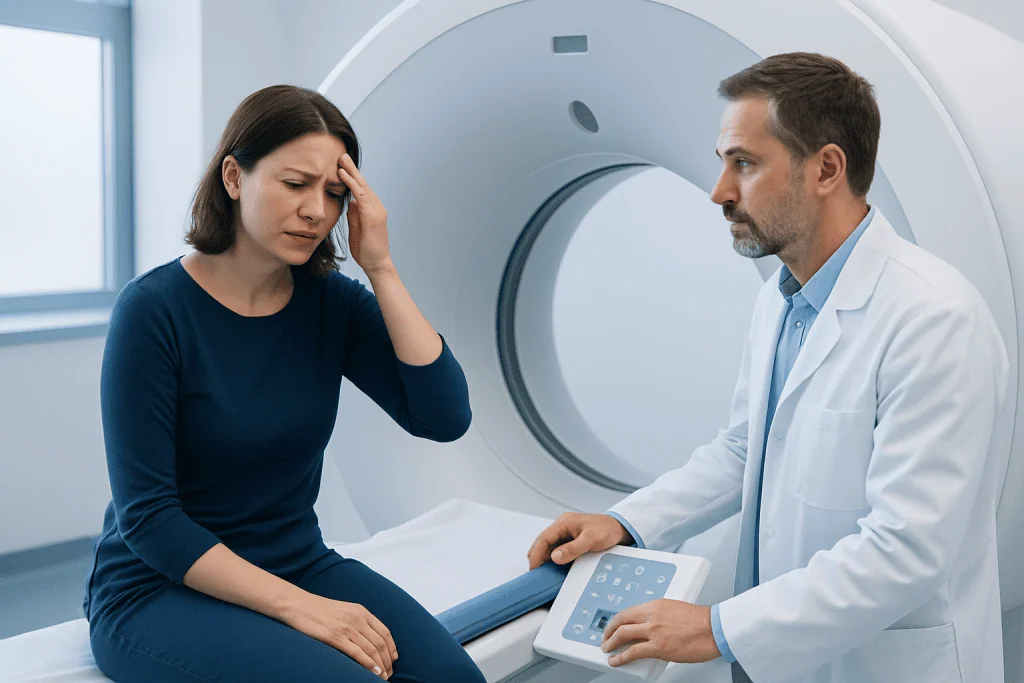
The headache itself may feel different depending on the cause. Some people notice a dull, generalized ache during a viral illness. Others have pressure around the forehead, cheeks, or behind the eyes, which may suggest a sinus problem. Fever may be low-grade or higher, and it may come with chills, sweating, body aches, and fatigue.
Associated symptoms often provide the clearest clues. Nasal congestion, facial pressure, sore throat, cough, and ear fullness can point toward an upper respiratory infection or sinusitis. Nausea, vomiting, diarrhea, and poor appetite may suggest a viral stomach illness with dehydration. Light sensitivity can happen with migraine, but when fever is also present, infection becomes a more important consideration.
Symptoms that deserve extra attention include:
- Severe or rapidly worsening headache
- Stiff neck or pain when bending the neck forward
- Confusion, drowsiness, fainting, or unusual behavior
- Shortness of breath, chest pain, or bluish lips
- Repeated vomiting or inability to keep fluids down
- Rash, especially one that does not fade when pressed
- New weakness, trouble speaking, or seizures
These features do not always mean a dangerous condition is present, but they do increase the need for timely medical evaluation.
Possible causes of head pain and fever

Viral infections are among the most frequent causes of head pain and fever. Influenza, COVID-19, the common cold, and many other viruses can trigger fever, body aches, sinus pressure, and headache. Children and adults may also develop headache from dehydration during an illness, especially if they are not drinking enough fluids.
Bacterial infections can also be responsible. Sinusitis may cause facial pain, pressure, thick nasal discharge, reduced sense of smell, and fever. Ear infections, throat infections, dental infections, or pneumonia may also produce fever with referred head pain. In some cases, the underlying source is elsewhere in the body, but the fever and inflammation make the head hurt.
Less common but more serious causes include meningitis, encephalitis, and brain abscess. These conditions can cause fever with intense headache and may also produce neck stiffness, confusion, vomiting, light sensitivity, or seizures. They are uncommon compared with routine viral infections, but they are important because they require urgent diagnosis and treatment.
Noninfectious causes are also possible. People with migraine may have severe head pain during a separate illness that causes fever, making both symptoms appear linked. Autoimmune or inflammatory conditions can occasionally cause both fever and headache as well. A doctor may also consider migraine or other headache disorders when the pattern is recurrent and infection is not clearly present.
Risk factors and situations that raise concern
Certain groups deserve closer attention when head pain and fever occur. Infants, older adults, pregnant people, and people with weakened immune systems may become unwell more quickly or show less typical symptoms. Individuals receiving chemotherapy, long-term steroids, transplant medicines, or other immunosuppressive treatment should be particularly cautious.
Recent exposure history also matters. Travel, tick bites, close contact with someone who is ill, a recent head injury, recent surgery, or untreated dental problems may increase the likelihood of specific infections or complications. Persistent sinus symptoms followed by worsening fever and one-sided facial pain may suggest a bacterial sinus infection rather than a simple viral cold.
Doctors also pay attention to how the symptoms evolved. A gradual headache with congestion is often less concerning than a thunderclap headache that reaches maximum intensity within seconds or minutes. Repeated episodes of fever and headache, especially with weight loss or night sweats, may require evaluation for a broader range of conditions beyond routine viral illness.
How doctors diagnose the cause
Diagnosis begins with a careful history and physical examination. A doctor will ask when the fever and headache started, how high the temperature has been, whether there are respiratory or digestive symptoms, and whether there is neck stiffness, confusion, rash, or recent exposure to infection. The examination may include checking the ears, throat, sinuses, lungs, hydration status, and neurologic function.
Many mild cases do not require extensive testing. If a viral illness is likely, testing may be limited to flu or COVID-19 screening when it could affect treatment or infection control. If symptoms suggest a bacterial infection, the doctor may order blood tests, throat swabs, urine tests, or chest imaging depending on the suspected source.
When serious causes are possible, more urgent evaluation is needed. This may include brain imaging such as MRI scan or CT, especially if there are neurologic symptoms or concern for complications. In selected cases, a lumbar puncture may be recommended to check for meningitis or encephalitis. If a structural issue or severe headache disorder is suspected, specialist input from neurology may help guide diagnosis and management.
Treatment options and what may help
Treatment depends on the cause rather than the symptom combination alone. For common viral illnesses, care often focuses on rest, fluids, fever reduction, and relief of congestion or body aches. Many people improve with simple supportive care over several days as the infection runs its course.
If dehydration is contributing to the headache, increasing fluid intake can be especially helpful. Oral rehydration may be important if there has been sweating, vomiting, or diarrhea. Some people also find that staying in a quiet room and sleeping more helps the headache settle while the fever improves.
When doctors suspect a bacterial infection, treatment may include antibiotics, though these are not useful for routine viral colds or flu. Antiviral treatment may be considered for influenza or COVID-19 in appropriate situations, particularly for people at higher risk of complications. If a severe secondary headache is suspected, care may involve hospital treatment, intravenous fluids, or other urgent therapies.
Persistent sinus-related symptoms may lead to assessment for endoscopic sinus surgery in select cases, although most sinus infections do not require surgery. If symptoms suggest infection of the central nervous system or another serious neurologic cause, emergency evaluation and close monitoring are essential.
Self-care at home and practical prevention steps
For mild head pain and fever without warning signs, practical self-care can often support recovery. Rest, adequate fluid intake, light meals as tolerated, and avoiding alcohol can help. It may also be useful to dress comfortably, keep the room cool, and monitor temperature and symptom changes over time.
People should follow package directions or a doctor’s advice when using over-the-counter fever or pain relievers. It is wise to avoid taking more than one product with the same active ingredient. Children should only be given medicines that are appropriate for their age, and caregivers should ask a healthcare professional if they are unsure.
Prevention depends partly on the cause, but basic infection-control habits are useful in many situations. These include handwashing, staying home when acutely ill, covering coughs and sneezes, keeping up to date with recommended vaccines, and treating sinus, ear, and dental problems promptly. Good hydration and regular sleep may also reduce the intensity of headache during common illnesses.
When to seek medical care
Medical care is advisable if head pain and fever last more than a few days, keep returning, or are getting worse instead of improving. A doctor should also assess symptoms if there is significant facial pain, trouble breathing, dehydration, a very high fever, or concern for flu, COVID-19, or another infection in someone at higher risk of complications.
Urgent or emergency care is needed for a severe sudden headache, stiff neck, confusion, fainting, seizures, weakness, difficulty speaking, chest pain, or a rash that spreads quickly. Babies younger than three months with a fever should be assessed promptly, even if other symptoms seem mild.
If symptoms are persistent, unexplained, or severe, specialist assessment may be helpful to rule out sinus, neurologic, or infectious causes. Acibadem International’s multidisciplinary specialists and JCI-accredited hospitals evaluate and treat international patients with headache, fever, and related conditions using coordinated diagnostic care.
Frequently asked questions
Is head pain and fever usually a sign of infection?
Often, yes. The most common causes are viral infections such as colds, flu, and COVID-19, as well as sinus or throat infections. However, a doctor may need to rule out other causes if symptoms are severe, unusual, or persistent.
Can dehydration cause a headache when someone has a fever?
Yes. Fever increases fluid loss, and poor appetite, sweating, vomiting, or diarrhea can make dehydration worse. Dehydration can intensify headache and fatigue, so fluids are an important part of home care when a clinician has said it is safe to manage symptoms at home.
When is a headache with fever an emergency?
Emergency care is needed if the headache is sudden and severe or if there is neck stiffness, confusion, fainting, seizures, weakness, trouble speaking, or repeated vomiting. These symptoms can point to serious conditions such as meningitis, encephalitis, bleeding, or severe dehydration.
Can sinusitis cause head pain and fever?
Yes, sinusitis can cause facial pressure, headache, congestion, thick nasal discharge, and sometimes fever. Many sinus infections are viral and improve with supportive care, but bacterial infection may be considered if symptoms are severe, prolonged, or worsen after initial improvement.
Should someone take antibiotics for head pain and fever?
Not unless a doctor believes a bacterial infection is likely. Antibiotics do not treat viral infections, which are the most common cause of headache with fever. A clinician can decide whether antibiotics, antivirals, or supportive care are the most appropriate option.
How long should head pain and fever last before seeing a doctor?
If symptoms last more than a few days, keep returning, or are getting worse, medical advice is sensible. Earlier assessment is also important for infants, older adults, pregnant people, and anyone with a weakened immune system or significant warning signs.
This article is for general information only and is not a substitute for professional medical advice. Please consult a qualified doctor about your individual situation.
Explore treatments in Turkey — costs, top hospitals & a free quote
JCI-accredited · board-certified surgeons · reply within 24h
Add us as a Preferred Source to see more of our trusted health content across Google Search, AI Overviews and Discover.

More from the Health Library

Dental Bridge vs Implant: Key Differences and How Doctors Tell Them Apart

Lower Back and Thigh Pain Female: Possible Causes and When to Seek Care

How Long Does It Take for Tylenol to Work? Here Is What the Evidence Says

Do Men Have Periods? A Doctor-Reviewed Answer

Kidney Cancer Symptoms Explained: Common Triggers and Red Flags

How Much Potassium in Avocado? Causes, Explanations, and Next Steps
Infectious Diseases & Clinical Microbiology Specialists at Acibadem

Prof. Dr. A. Çağrı Büke
Infectious Diseases & Clinical Microbiology
Dr. Ahmad Nejat Ghaffarı
Infectious Diseases & Clinical Microbiology
Assoc. Prof. Dr. Aslıhan Demirel
Infectious Diseases & Clinical Microbiology
Dr. Aytan Seydalıyeva
Infectious Diseases & Clinical Microbiology