Temporal Lobe Epilepsy: What Patients Need to Know

Temporal lobe epilepsy is a form of focal epilepsy, meaning seizures start in one area of the brain. Symptoms may include auras, changes in awareness, unusual sensations, repetitive movements, and post-seizure confusion.
Key Takeaways
- Temporal lobe epilepsy is a form of focal epilepsy, meaning seizures start in one area of the brain.
- Symptoms may include auras, changes in awareness, unusual sensations, repetitive movements, and post-seizure confusion.
- Diagnosis usually combines medical history, neurological evaluation, EEG testing, and brain imaging such as MRI.
- Treatment may include anti-seizure medicines, lifestyle measures, and in selected cases surgery or device-based therapies.
- Medical review is important after any first seizure, injury during a seizure, or seizure lasting longer than expected.
Temporal lobe epilepsy is a type of epilepsy in which seizures begin in the temporal lobe, the part of the brain involved in memory, emotion, and language. It can cause brief episodes of unusual feelings, staring, confusion, or repetitive movements, and many people improve with careful diagnosis and treatment.
Overview: What Temporal Lobe Epilepsy Means
Temporal lobe epilepsy is a common type of focal epilepsy. In this condition, seizures begin in the temporal lobe, an area on each side of the brain that helps process memory, emotions, sounds, and parts of language. Because of where these seizures start, symptoms often involve unusual feelings, changes in awareness, memory-like sensations, or automatic movements rather than dramatic convulsions alone.
Many people ask whether temporal lobe epilepsy is serious or treatable. The answer is that it should always be evaluated, but in many cases it can be managed well with the right treatment plan. Some people become seizure-free with medication, while others may benefit from further options such as epilepsy surgery if seizures continue despite medicines.
Temporal lobe seizures may be subtle and easy to miss, especially at first. A person may briefly stare, stop responding, have a sudden wave of fear or nausea, or make repeated lip-smacking or hand movements. These events can look like daydreaming, panic, or confusion, which is one reason why proper neurological assessment is so important.
How Symptoms Can Feel Day to Day
Symptoms of temporal lobe epilepsy vary from person to person. Some people experience an aura, which is a focal aware seizure that may act as a warning before awareness changes further. An aura can feel like a rising sensation in the stomach, sudden fear, déjà vu, an unusual smell or taste, or a brief sense that the surroundings are strangely familiar or unfamiliar.
During a seizure, awareness may become reduced. The person may stare, seem unable to respond, speak unclearly, or perform repeated automatic behaviors such as swallowing, lip smacking, fidgeting, or picking at clothes. Afterward, there may be tiredness, confusion, headache, or trouble recalling what happened for several minutes.
Not everyone with temporal lobe epilepsy has the same seizure pattern. Some have rare, brief episodes; others have more frequent events that affect school, work, driving, or safety. In some cases, a focal seizure can spread to involve both sides of the brain and lead to a tonic-clonic seizure with stiffening and jerking.
- Aura symptoms such as déjà vu, fear, nausea, or unusual smells
- Staring spells or sudden pause in activity
- Reduced awareness or inability to respond
- Repeated mouth, hand, or swallowing movements
- Confusion, fatigue, or memory gaps after the event
Why It Happens: Causes and Risk Factors

Temporal lobe epilepsy can have different causes. In some people, it is linked to scarring in the inner temporal lobe, often called mesial temporal sclerosis. In others, seizures may be associated with head injury, stroke, brain infection, a developmental difference in the brain, a tumor, or a previous episode of prolonged fever-related seizures in childhood. Sometimes no single cause is found, even after detailed testing.
Risk factors do not always mean a person will develop epilepsy, but they can make it more likely. A history of significant head trauma, central nervous system infections, structural brain changes, or a family history of seizures may increase risk. Doctors also consider whether events that seem like seizures could reflect other conditions such as fainting, sleep disorders, migraine, or panic episodes.
Because the temporal lobe is closely involved in memory and emotion, some people notice effects on concentration, mood, or recall over time, especially if seizures are frequent. A careful assessment helps distinguish temporal lobe epilepsy from other neurological conditions, including epilepsy more broadly and other focal seizure disorders.
How Doctors Make the Diagnosis
Diagnosis begins with a detailed history. The most helpful information often comes from someone who has witnessed the episodes, because the person having the seizure may not remember it clearly. Doctors ask what happened before, during, and after the event, how long it lasted, whether there were triggers, and how recovery looked afterward.
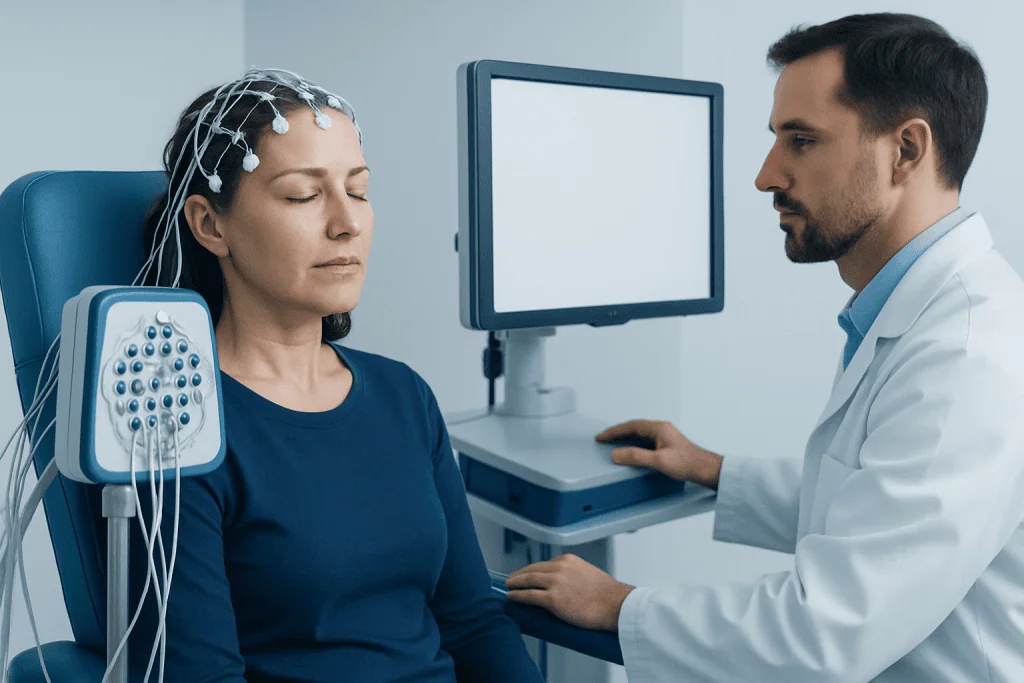
Tests usually include an electroencephalogram, or EEG, which records the brain’s electrical activity. An EEG may show patterns that support a diagnosis of epilepsy, although a normal EEG does not completely rule it out. Brain imaging, especially MRI, is commonly used to look for structural causes in the temporal lobe. Depending on the case, additional blood tests, prolonged video-EEG monitoring, memory testing, or advanced imaging may be recommended.
The goal is not only to confirm seizures but also to identify the type of epilepsy and the exact area where seizures begin. This matters because treatment decisions depend on seizure type, cause, frequency, age, general health, and how symptoms affect daily life. In complex cases, an evaluation by specialists in neurology care may help guide diagnosis and long-term planning.
Treatment Options and Long-Term Management
Anti-seizure medication is usually the first treatment for temporal lobe epilepsy. The choice of medicine depends on the person’s seizure pattern, age, other medical conditions, and possible side effects. Regular follow-up is important because treatment may need adjustment over time, and taking medicine consistently is one of the most important parts of seizure control.
If seizures continue despite trying appropriate medications, doctors may consider drug-resistant epilepsy. At that stage, further testing can help determine whether surgery or another advanced treatment is suitable. For some carefully selected patients, brain and nerve surgery may reduce or stop seizures by removing or treating the seizure focus while protecting important brain functions as much as possible.
Other options may include implanted or device-based therapies in selected cases, as well as support for sleep, mental health, memory, and safety. Treatment is not only about reducing seizures. It also aims to improve independence, learning, work, driving decisions, and overall quality of life. In international referral settings, Acibadem International’s multidisciplinary specialists and JCI-accredited hospitals evaluate and treat temporal lobe epilepsy with coordinated neurological and neurosurgical care.
Prevention, Self-Care, and Living Safely
There is not always a way to prevent temporal lobe epilepsy itself, especially when it is related to a structural brain change or an earlier neurological event. However, people can often reduce seizure triggers and lower the chance of complications by following a treatment plan closely. Taking medicines on schedule, getting enough sleep, managing stress, and avoiding abrupt medication changes without medical advice are practical steps that matter.
Safety planning is also important. Until seizures are well controlled, people may need guidance about driving, swimming alone, climbing heights, bathing unsupervised, or operating machinery. Family members and colleagues can be taught basic seizure first aid, including staying calm, protecting the person from injury, and timing the seizure.
Healthy routines support overall brain health. Limiting alcohol when advised, treating coexisting anxiety or depression, and keeping a seizure diary may help identify patterns and improve care. Some people also benefit from discussing work, school, pregnancy planning, or travel with their doctor so that everyday decisions are made safely and confidently.
When to Seek Medical Care
Medical evaluation is important after any first seizure or any episode of unexplained loss of awareness. A doctor should also review events that are becoming more frequent, changing in pattern, or affecting memory, safety, or daily function. Even brief episodes can be significant if they represent focal seizures.
Urgent medical care is needed if a seizure lasts longer than usual, if repeated seizures happen without full recovery between them, or if the person is injured, pregnant, has diabetes, or has trouble breathing afterward. Emergency care is also appropriate when someone does not wake up as expected or when a seizure occurs in water.
People already diagnosed with epilepsy should contact their care team if medicines cause troublesome side effects, seizures return after a stable period, or pregnancy is planned. Timely assessment can reduce risk and help keep treatment effective. In some cases, further evaluation may also look for related neurological conditions such as brain tumor when imaging or symptoms suggest a structural cause.
Frequently asked questions
What is temporal lobe epilepsy?
Temporal lobe epilepsy is a type of focal epilepsy in which seizures start in the temporal lobe of the brain. This area helps control memory, emotion, and aspects of language and sensory processing, so symptoms can include unusual feelings, awareness changes, and repetitive movements.
What does a temporal lobe seizure feel like?
Some people feel a warning called an aura, such as déjà vu, sudden fear, a strange smell, or a rising feeling in the stomach. Others may briefly stare, stop responding, or feel confused afterward without remembering the event clearly.
Can temporal lobe epilepsy be treated?
Yes. Many people improve with anti-seizure medication, and some become seizure-free. If medicines do not control seizures well enough, doctors may consider surgery or other advanced treatments after detailed testing.
Is temporal lobe epilepsy the same as generalized epilepsy?
No. Temporal lobe epilepsy is a focal epilepsy, which means seizures begin in one specific part of the brain. Generalized epilepsy starts with broader involvement of both sides of the brain from the beginning.
How is temporal lobe epilepsy diagnosed?
Doctors use a combination of medical history, witness descriptions, neurological examination, EEG, and brain imaging such as MRI. In some cases, longer video-EEG monitoring or memory testing is needed to confirm where seizures begin.
When should someone with possible temporal lobe epilepsy see a doctor?
A person should seek medical care after any first seizure, repeated unexplained staring spells, or episodes of lost awareness. Urgent care is needed if a seizure is prolonged, causes injury, happens in water, or is followed by breathing problems or delayed recovery.
References
- World Health Organization
- National Institute of Neurological Disorders and Stroke
- Epilepsy Foundation
- International League Against Epilepsy
- Mayo Clinic
This article is for general information only and is not a substitute for professional medical advice. Please consult a qualified doctor about your individual situation.
Epilepsy in Turkey — costs, top hospitals & a free quote
JCI-accredited · board-certified surgeons · reply within 24h
Add us as a Preferred Source to see more of our trusted health content across Google Search, AI Overviews and Discover.

Neurology
Diagnosis and treatment of disorders of the brain, spinal cord, nerves and muscles.
51 specialists in this unitMore from the Health Library

Farxiga Drug Class: An Evidence-Based Guide for Patients

Copaiba Oil: A Complete Medical Overview

Nummular Eczema: An Evidence-Based Guide for Patients

Cold Sore: An Evidence-Based Guide for Patients

Wrist Tendon Anatomy — Explained by Medical Evidence, Not Myths