Pg Woman: A Complete Medical Overview

Pg woman commonly means a pregnant woman. Pregnancy causes normal physical and emotional changes, but some symptoms need prompt medical review.
Key Takeaways
- Pg woman commonly means a pregnant woman.
- Pregnancy causes normal physical and emotional changes, but some symptoms need prompt medical review.
- Regular prenatal care helps monitor the health of both mother and baby.
- Healthy habits, safe medications, and timely checkups support a safer pregnancy.
- Urgent symptoms such as heavy bleeding, severe pain, or reduced fetal movement should not be ignored.
“Pg woman” usually means a pregnant woman. In medical and everyday use, it refers to a woman who is carrying a pregnancy, and understanding the term is most helpful when paired with clear information about normal changes, prenatal care, and signs that need medical attention.
What does “pg woman” mean?
The term pg woman most often means pregnant woman. It is a shortened form sometimes used in online searches, messages, appointment notes, or informal communication. In healthcare settings, doctors usually use the words pregnant woman or pregnancy, but patients may search for “pg woman” when looking for symptoms, care advice, or information about what to expect.
Pregnancy is a normal biological process in which a fertilized egg develops into an embryo and then a fetus in the uterus. During this time, the body goes through major hormonal, physical, and emotional changes. These changes can cause symptoms such as nausea, tiredness, breast tenderness, frequent urination, and mood shifts, especially in early pregnancy.
Because the term itself is broad, the most useful approach is to explain what a pregnant woman may experience, which symptoms are common, which need medical attention, and how prenatal care supports the health of both mother and baby. This article provides a practical medical overview in clear language, without assuming that every symptom is a problem.
Common signs and symptoms of pregnancy
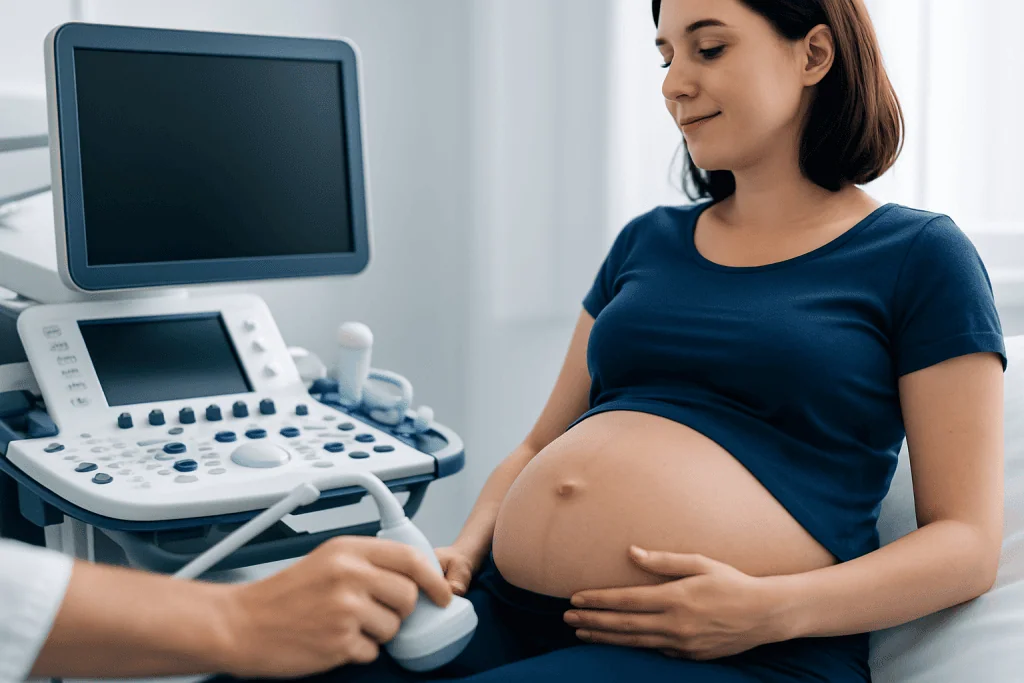
Early pregnancy symptoms can vary widely. Some women notice changes very soon after conception, while others do not recognize pregnancy until a missed period. A missed menstrual period is often the first clue, but it is not the only sign. Nausea, vomiting, food aversions, fatigue, mild cramping, bloating, and breast soreness are also common.
As pregnancy progresses, a pregnant woman may notice a growing abdomen, back discomfort, swelling in the feet or ankles, heartburn, constipation, and changes in sleep. Many of these symptoms are caused by hormone shifts, increased blood volume, and the physical effects of the growing uterus. Although uncomfortable, they are often part of a normal pregnancy.
Emotional changes are also common. A pg woman may feel happy, worried, sensitive, or more easily tired than usual. These responses do not necessarily mean something is wrong. Still, persistent sadness, intense anxiety, or trouble coping deserve medical attention because mental health is an important part of prenatal care.
- Missed period
- Nausea or vomiting
- Breast tenderness
- Fatigue
- Frequent urination
- Bloating or mild cramping
- Mood changes
- Heartburn or constipation later in pregnancy
How pregnancy is confirmed and monitored
Pregnancy is usually confirmed with a urine or blood pregnancy test that detects the hormone human chorionic gonadotropin, also called hCG. Home tests can be accurate when used correctly after a missed period, but a medical evaluation is still important to confirm the pregnancy, estimate how far along it is, and begin prenatal care.
Once pregnancy is confirmed, a doctor may use medical history, physical examination, blood tests, and ultrasound to assess the pregnancy. Ultrasound helps confirm the location of the pregnancy, estimate gestational age, and monitor fetal development. This is especially important when symptoms such as pain or bleeding raise concern about problems like ectopic pregnancy.
Routine prenatal visits are designed to monitor both maternal and fetal health over time. These appointments may include blood pressure checks, urine testing, weight monitoring, blood work, and screening for conditions such as anemia, gestational diabetes, and infections. If needed, clinicians may arrange pregnancy ultrasound or additional testing to better understand symptoms or fetal growth.
Normal body changes in a pregnant woman
Pregnancy affects nearly every body system. Hormones help support the pregnancy but also influence digestion, mood, blood vessels, sleep, and skin. Increased progesterone can contribute to fatigue, constipation, and heartburn. Increased blood volume helps nourish the fetus but can also cause dizziness or a feeling of warmth.
The uterus expands over time, which changes posture and can place pressure on the bladder, stomach, and lower back. This is why many pregnant women experience urinary frequency, reflux, pelvic pressure, or back pain. Mild swelling in the ankles may also occur, especially later in the day or in warmer weather.
Skin changes such as a dark line on the abdomen, nipple darkening, or patchy facial pigmentation can also happen. These changes are often temporary and linked to hormones. Even when symptoms are considered normal, they should still be discussed during prenatal visits so a doctor can distinguish expected changes from signs of illness.
Not every pregnancy looks the same. Some women have very few symptoms, while others feel unwell for weeks or months. The severity of symptoms alone does not always reflect whether a pregnancy is healthy, which is one reason professional monitoring remains important.
Health risks and complications to be aware of
Most pregnancies progress safely, but some conditions need closer supervision or treatment. Examples include severe nausea and vomiting, high blood pressure, gestational diabetes, anemia, thyroid disorders, and infections. A doctor may also watch more carefully if the pregnant woman has a history of miscarriage, preterm birth, cesarean delivery, or chronic health conditions such as diabetes or heart disease.
Bleeding, strong abdominal pain, fainting, severe headache, vision changes, fever, fluid leakage, and reduced fetal movement later in pregnancy can be warning signs. These symptoms do not always mean a serious complication, but they should be assessed promptly. Important conditions that may require urgent care include miscarriage, preeclampsia, preterm labor, and placenta previa in some pregnancies.
Some women are more likely to need specialist follow-up, including those carrying twins or more, women over 35, and women with obesity or autoimmune disease. In these situations, care may involve closer fetal monitoring, laboratory testing, and referral to obstetric specialists. When delivery planning or more advanced evaluation is needed, doctors may discuss options such as obstetric and gynecologic care within a multidisciplinary setting.
Prenatal care, treatment, and healthy lifestyle choices
Prenatal care is the foundation of a healthy pregnancy. It helps identify normal changes, screen for complications, and guide decisions about nutrition, activity, medication safety, and delivery planning. Regular appointments allow the care team to answer questions early rather than waiting until a symptom becomes more troublesome.
Many common pregnancy symptoms can be managed with simple measures. Eating small frequent meals may help nausea. Drinking enough water, increasing dietary fiber, and staying active can support digestion. Rest, good sleep habits, and posture support may ease fatigue and back discomfort. Any medication, supplement, or herbal product should be reviewed with a qualified clinician before use.
Healthy pregnancy habits generally include balanced nutrition, prenatal vitamins as advised by a doctor, avoidance of smoking and alcohol, and safe levels of physical activity. Vaccination recommendations may also be discussed, depending on the stage of pregnancy and the person’s health history. If additional maternal-fetal assessment is required, doctors may recommend perinatology care for higher-risk pregnancies.
Near the end of pregnancy, conversations often shift toward labor, delivery, breastfeeding, and postpartum recovery. Understanding these topics in advance can reduce uncertainty and help a pregnant woman feel more prepared. Care plans are always individualized based on health needs, pregnancy progress, and patient preferences.
When to seek medical care
A pregnant woman should contact a doctor promptly if she has vaginal bleeding, severe abdominal or pelvic pain, persistent vomiting, signs of dehydration, fever, burning with urination, or sudden swelling of the face or hands. These symptoms may have simple explanations, but they can also signal conditions that need treatment.
Urgent medical care is especially important for chest pain, trouble breathing, fainting, seizures, severe headache, vision changes, heavy bleeding, or fluid leaking from the vagina. Later in pregnancy, reduced or absent fetal movement should also be assessed without delay. Quick evaluation can help protect both mother and baby.
It is also appropriate to seek care for symptoms that are not severe but are worrying, persistent, or different from what was expected. Reassurance and guidance are part of good prenatal care. For international patients who need coordinated assessment, Acibadem International’s multidisciplinary specialists and JCI-accredited hospitals diagnose and treat pregnancy-related conditions with individualized planning.
Frequently asked questions
What does pg woman mean?
Pg woman usually means pregnant woman. It is an informal abbreviation often used in searches or messages rather than formal medical writing.
What are the first signs a woman may be pregnant?
Common early signs include a missed period, nausea, breast tenderness, fatigue, and frequent urination. Some women also notice food aversions, bloating, or mild cramping.
Is every symptom in pregnancy normal?
No. Many symptoms are expected in pregnancy, but some need medical review, especially bleeding, severe pain, fever, severe headache, vision changes, or reduced fetal movement later in pregnancy.
When should a pregnant woman have her first doctor visit?
A woman should arrange a prenatal visit soon after a positive pregnancy test or a missed period with suspected pregnancy. Early care helps confirm the pregnancy, estimate gestational age, and identify any immediate concerns.
Can a pregnant woman take regular medicines?
Not always. Some medicines are safe in pregnancy and others are not, so any prescription drug, over-the-counter medicine, vitamin, or herbal product should be reviewed with a doctor or pharmacist.
What symptoms mean urgent care is needed during pregnancy?
Urgent care is needed for heavy bleeding, severe abdominal pain, chest pain, difficulty breathing, fainting, seizures, severe headache, vision changes, fluid leakage, or reduced fetal movement later in pregnancy. These symptoms should not be ignored.
This article is for general information only and is not a substitute for professional medical advice. Please consult a qualified doctor about your individual situation.
Explore treatments in Turkey — costs, top hospitals & a free quote
JCI-accredited · board-certified surgeons · reply within 24h
Add us as a Preferred Source to see more of our trusted health content across Google Search, AI Overviews and Discover.
Check your numbers in seconds
BMI, calories, due date, blood pressure and 30+ more clinical calculators — free, instant, doctor-reviewed ranges.

More from the Health Library

Small Penis: A Complete Medical Overview

Doxazosin: An Evidence-Based Guide for Patients

Knee Bruises — Explained by Medical Evidence, Not Myths

Serotonin Tinnitus Severity Study: What Patients Need to Know

Dix Hallpike Maneuver: What Patients Need to Know