My Airway: An Evidence-Based Guide for Patients

The airway includes the nose, mouth, throat, voice box, windpipe, and branching tubes into the lungs. Airway symptoms can include noisy breathing, cough, wheezing, shortness of breath, snoring, and a feeling of blockage.
Key Takeaways
- The airway includes the nose, mouth, throat, voice box, windpipe, and branching tubes into the lungs.
- Airway symptoms can include noisy breathing, cough, wheezing, shortness of breath, snoring, and a feeling of blockage.
- Problems affecting the airway range from allergies and infections to asthma, sleep apnea, reflux, and structural narrowing.
- Sudden severe breathing trouble, blue lips, choking, or swelling of the face or throat needs urgent medical attention.
- Diagnosis may involve a physical exam, breathing tests, imaging, allergy assessment, or endoscopy.
- Treatment depends on the cause and may include medicines, lifestyle changes, breathing support, or procedures.
My airway refers to the passages that carry air from the nose and mouth into the lungs. When people search for “my airway,” they are often trying to understand breathing symptoms, possible blockage, or how doctors evaluate and treat airway problems.
Understanding “My Airway”
When a person asks about “my airway,” they are usually referring to the pathway air takes in and out of the body. This pathway starts at the nose and mouth, passes through the throat and voice box, continues down the windpipe, and then branches into the lungs. A healthy airway allows comfortable breathing during rest, sleep, exercise, and speaking.
Airway concerns can feel very personal because even mild changes in breathing are easy to notice. A person may feel that air is not moving freely, hear unusual sounds while breathing, or wake at night feeling congested or short of breath. Sometimes the issue is temporary, such as a cold or allergy flare. In other cases, it may be related to a chronic condition that benefits from medical assessment.
It also helps to remember that “the airway” is not a single structure. Symptoms may come from the upper airway, such as the nose, sinuses, throat, or voice box, or from the lower airway, such as the bronchi inside the lungs. This is one reason careful diagnosis matters: similar symptoms can have different causes and need different treatments.
How the Airway Works
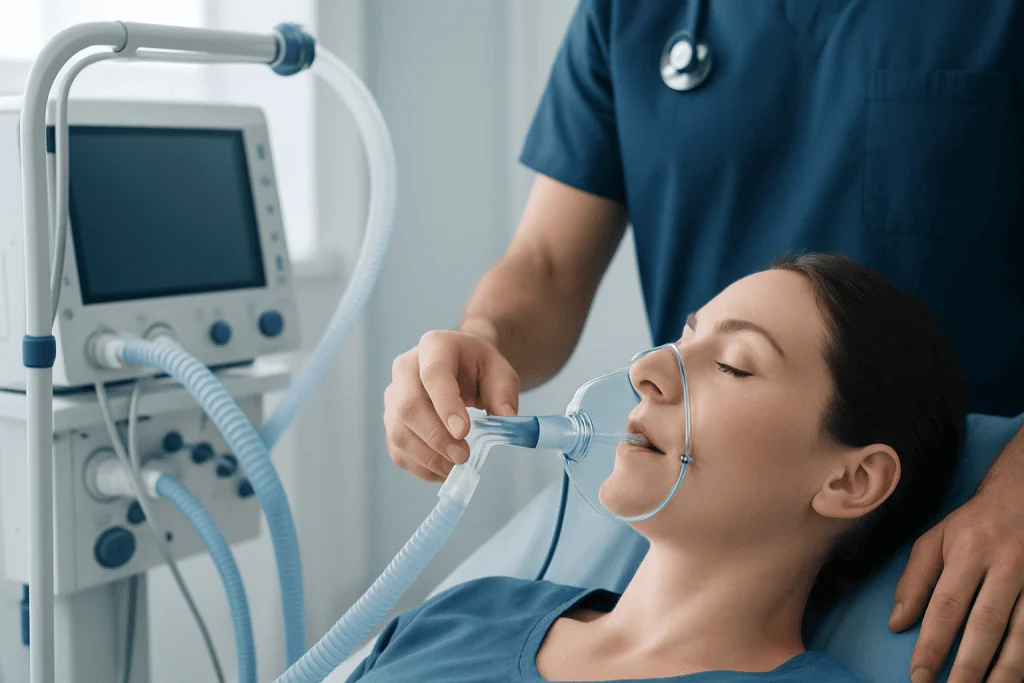
The airway does more than move air. The nose helps warm, humidify, and filter the air before it reaches the lungs. The throat and voice box support swallowing and speaking while protecting the lungs from food and liquid entering the windpipe. Farther down, the windpipe and bronchial tubes carry air to the tiny air sacs where oxygen enters the bloodstream.
Because several body systems work together during breathing, airway symptoms can overlap with nose and sinus problems, sleep issues, lung conditions, stomach acid reflux, or even vocal cord dysfunction. For example, nasal blockage may force mouth breathing at night, while inflammation in the lungs can cause cough and wheeze. A change in one part of the airway can affect the whole breathing experience.
Airway function can also vary depending on body position, physical activity, exposure to irritants, and time of day. Some people notice symptoms mainly during exercise, after viral infections, or while lying flat at night. These patterns often provide important clues for doctors.
Common Symptoms That May Affect My Airway

Airway problems do not always feel the same from person to person. Some people describe a tight chest, while others say their throat feels narrow, their nose feels blocked, or their breathing sounds noisy. Symptoms can be sudden and severe, or they can develop slowly over time.
Common symptoms include:
- Shortness of breath or trouble getting enough air
- Noisy breathing, including wheezing, stridor, or snoring
- Persistent cough
- Chest tightness
- Frequent throat clearing or hoarseness
- Nasal congestion or mouth breathing
- Pauses in breathing during sleep
- A choking sensation or feeling of blockage
Some symptom patterns suggest particular causes. Wheezing is often linked with narrowing of the lower airways, as seen in asthma. Loud snoring, daytime sleepiness, and witnessed pauses in breathing may point toward sleep apnea. Hoarseness, throat irritation, or a lump-in-the-throat feeling can sometimes be associated with reflux or irritation of the voice box.
Symptoms should also be considered in context. A child with noisy breathing may have a different cause than an adult with smoking-related cough, and an athlete with exercise-related breathing trouble may need a different assessment than a person with nighttime breathlessness. Keeping track of when symptoms happen can be very helpful.
What Can Affect the Airway?
Many conditions can affect airway comfort and airflow. Common causes include viral infections, allergies, asthma, chronic sinus inflammation, reflux, exposure to smoke or pollution, and structural narrowing in the nose or throat. Some airway problems are temporary and improve as inflammation settles, while others require longer-term management.
Risk factors depend on the cause but may include tobacco exposure, obesity, seasonal allergies, frequent respiratory infections, workplace irritants, and a personal or family history of asthma or allergic disease. Sleep position, alcohol use before bed, and enlarged tonsils can also contribute to nighttime airway symptoms in some people.
Doctors may also consider less common causes, such as vocal cord movement problems, benign or malignant growths, foreign body aspiration, or scarring after previous intubation or surgery. These are not the most common explanations, but they are important when symptoms are persistent, unexplained, or worsening.
Because symptoms can overlap, self-diagnosis is not always reliable. For example, wheezing does not always mean asthma, and a blocked-nose feeling does not always start in the nose itself. A structured medical evaluation helps identify whether the problem is inflammatory, infectious, structural, sleep-related, or linked to another condition.
How Doctors Evaluate Airway Problems
Assessment usually begins with a detailed history and physical examination. The doctor may ask when symptoms started, what triggers them, whether they occur during sleep or exercise, and whether there is cough, fever, allergy history, acid reflux, or voice changes. Information about smoking, occupational exposures, and prior airway procedures can also be relevant.
Depending on the symptoms, tests may include listening to the lungs, oxygen level measurement, chest imaging, sinus evaluation, allergy testing, or breathing tests such as spirometry. Spirometry can help show whether the airways are narrowed and whether airflow improves after medication. For some patients, sleep evaluation is recommended, especially if snoring and daytime tiredness are prominent. In that setting, testing for sleep apnea may be part of the workup.
In selected cases, doctors may use flexible endoscopy to look directly at the nose, throat, or voice box, or bronchoscopy to examine the lower airways. Imaging such as CT may be useful if a structural problem is suspected. The aim is not simply to label symptoms, but to identify the specific part of the airway involved and the reason it is affected.
Treatment Options for Airway Conditions
Treatment depends on the underlying cause. If symptoms are due to infection, supportive care or targeted treatment may help. If inflammation is the main issue, such as in allergies or asthma, medication may be used to reduce swelling and improve airflow. In people with nasal obstruction, treatment can include saline rinses, allergy management, or evaluation by an ENT specialist if a structural issue is suspected.
For lower airway conditions, inhaled therapies are often used when appropriate, especially in asthma or related bronchial inflammation. If testing confirms sleep-related airway collapse, treatments may include weight management, positional measures, oral appliances, or sleep apnea treatment. Structural or persistent airway narrowing may occasionally require procedural care, including airway endoscopy such as bronchoscopy for diagnosis or treatment planning.
Some people also benefit from treatment of contributing conditions. Managing reflux, stopping smoking, reducing exposure to dust or chemicals, and treating chronic sinus disease may reduce irritation throughout the airway. Breathing retraining, hydration, and voice care can help selected patients, especially when throat tension or vocal cord dysfunction is involved.
If a mass, advanced narrowing, or another serious structural problem is suspected, treatment is individualized and may involve specialists in ENT, pulmonology, thoracic care, or oncology. For related evaluations, doctors may coordinate advanced imaging or procedures such as lung cancer treatment when clinically indicated. The best plan depends on the exact diagnosis, symptom severity, and overall health of the patient.
Everyday Self-Care and Prevention
Not all airway symptoms can be prevented, but everyday habits can support easier breathing. Avoiding tobacco smoke is one of the most important steps for airway health. People who work around fumes, dust, or strong chemicals may benefit from occupational safety measures and protective equipment. Staying current with recommended vaccines can also reduce the risk of some respiratory infections.
For those with allergies or recurring congestion, reducing indoor triggers may help. Useful steps can include washing bedding regularly, controlling dust, improving ventilation, and discussing pet or mold exposure with a clinician if symptoms are ongoing. Nasal saline irrigation may help some people with congestion, but persistent symptoms should still be medically reviewed.
General health measures also matter. Maintaining a healthy weight, getting regular physical activity as tolerated, staying hydrated, and treating reflux can improve airway comfort for some patients. People with known chronic airway disease should follow their care plan, use prescribed medicines correctly, and attend routine follow-up visits.
When to Seek Medical Care
Urgent medical care is needed if a person has severe breathing difficulty, lips or face turning blue, chest pain with shortness of breath, sudden swelling of the tongue or throat, choking, confusion, or inability to speak in full sentences. These symptoms may signal a medical emergency and should not be watched at home.
A non-emergency medical review is important if airway symptoms are recurrent, worsening, disturbing sleep, limiting exercise, or lasting longer than expected after a cold or allergy episode. Persistent hoarseness, unexplained cough, repeated wheezing, or a feeling of blockage in the throat should also be evaluated, especially if symptoms keep returning.
People with chronic conditions such as asthma, severe allergies, or sleep apnea should seek advice if their usual management no longer controls symptoms. Near the end of the diagnostic process, some patients benefit from multidisciplinary evaluation. Acibadem International’s multidisciplinary specialists and JCI-accredited hospitals diagnose and treat airway-related conditions for international patients when more detailed assessment or coordinated care is needed.
Frequently asked questions
What does “my airway” mean medically?
Medically, the airway is the passage that moves air from the nose and mouth into the lungs. It includes the throat, voice box, windpipe, and the branching tubes inside the lungs. When people say “my airway,” they are often describing a concern about breathing, blockage, or irritation in one of these areas.
How do I know if my airway problem is in my throat or lungs?
Throat-related symptoms often include hoarseness, a choking sensation, noisy breathing on inhalation, or feeling that something is stuck. Lung-related symptoms more often include wheezing, chest tightness, cough, and shortness of breath. However, symptoms can overlap, so a doctor may need tests to find the exact cause.
Can allergies affect my airway?
Yes. Allergies can cause swelling and mucus in the nose and throat, and they can also worsen asthma in the lower airways. This may lead to congestion, cough, wheezing, or mouth breathing, especially during certain seasons or after exposure to triggers.
Is snoring a sign of an airway problem?
Snoring can be a sign that the airway becomes partly narrowed during sleep. It is sometimes harmless, but loud snoring with pauses in breathing, choking during sleep, or daytime sleepiness may suggest sleep apnea. A medical evaluation can help determine whether treatment is needed.
When is shortness of breath an emergency?
Shortness of breath needs urgent care if it is severe, sudden, or linked with blue lips, chest pain, confusion, facial or throat swelling, or inability to speak normally. These features may indicate a serious problem that should be assessed immediately. Mild but persistent or recurring shortness of breath still deserves medical attention.
What tests might be used to check my airway?
Doctors may use a physical exam, oxygen measurement, breathing tests, imaging, allergy evaluation, or sleep studies depending on the symptoms. In some cases, they may look directly at the airway with a small camera through the nose or with bronchoscopy. The choice of tests depends on whether the concern seems to involve the upper airway, lower airway, or both.
References
- World Health Organization
- American Lung Association
- National Heart, Lung, and Blood Institute
- American Academy of Otolaryngology–Head and Neck Surgery
- Centers for Disease Control and Prevention
This article is for general information only and is not a substitute for professional medical advice. Please consult a qualified doctor about your individual situation.
Explore treatments in Turkey — costs, top hospitals & a free quote
JCI-accredited · board-certified surgeons · reply within 24h
Add us as a Preferred Source to see more of our trusted health content across Google Search, AI Overviews and Discover.

More from the Health Library

Sleep Tea: A Complete Medical Overview

Adverse Childhood Experiences: What Patients Need to Know

Bouchard’s Nodes: What Patients Need to Know

Antihistamine — Explained by Medical Evidence, Not Myths

Asterixis: An Evidence-Based Guide for Patients