Do Trans Women Have Periods? Here Is What the Evidence Says

Trans women do not menstruate because menstrual bleeding requires a uterus. Some trans women report cyclical symptoms like bloating, cramps, mood changes, or fatigue while using hormone therapy.
Key Takeaways
- Trans women do not menstruate because menstrual bleeding requires a uterus.
- Some trans women report cyclical symptoms like bloating, cramps, mood changes, or fatigue while using hormone therapy.
- These symptoms are often not dangerous, but severe pain, new pelvic symptoms, or bleeding need medical review.
- Doctors assess symptoms by reviewing hormone use, timing, overall health, and possible non-hormonal causes.
- Treatment depends on the cause and may include adjusting hormone therapy, symptom relief, or evaluation for digestive, urinary, or other conditions.
Trans women do not have menstrual periods in the medical sense because menstruation requires a uterus and uterine lining. However, some people taking gender-affirming hormones report recurring symptoms such as cramps, bloating, mood changes, or fatigue that can feel period-like and are often harmless, though some symptoms should be checked by a doctor.
Overview: the short answer
Trans women do not have periods in the biological sense of menstruation. Menstrual periods involve shedding of the uterine lining, and that process requires a uterus. A trans woman who was assigned male at birth does not have a uterus unless she has undergone a very uncommon transplant procedure, so menstrual bleeding does not occur.
That said, some trans women describe recurring symptoms that feel similar to what many cisgender women experience before or during a period. These may include bloating, abdominal discomfort, mood changes, fatigue, breast tenderness, headaches, or changes in bowel habits. These symptoms can be distressing, but they are often harmless and may relate to hormone therapy, medication timing, stress, or another common health issue.
The most helpful way to approach this question is to separate menstruation from period-like symptoms. Menstruation means cyclical uterine bleeding. Period-like symptoms can happen without bleeding and do not necessarily mean the body is having a menstrual cycle. If symptoms are severe, persistent, or new, a clinician can help identify the cause and rule out other conditions.
Why some symptoms can feel period-like
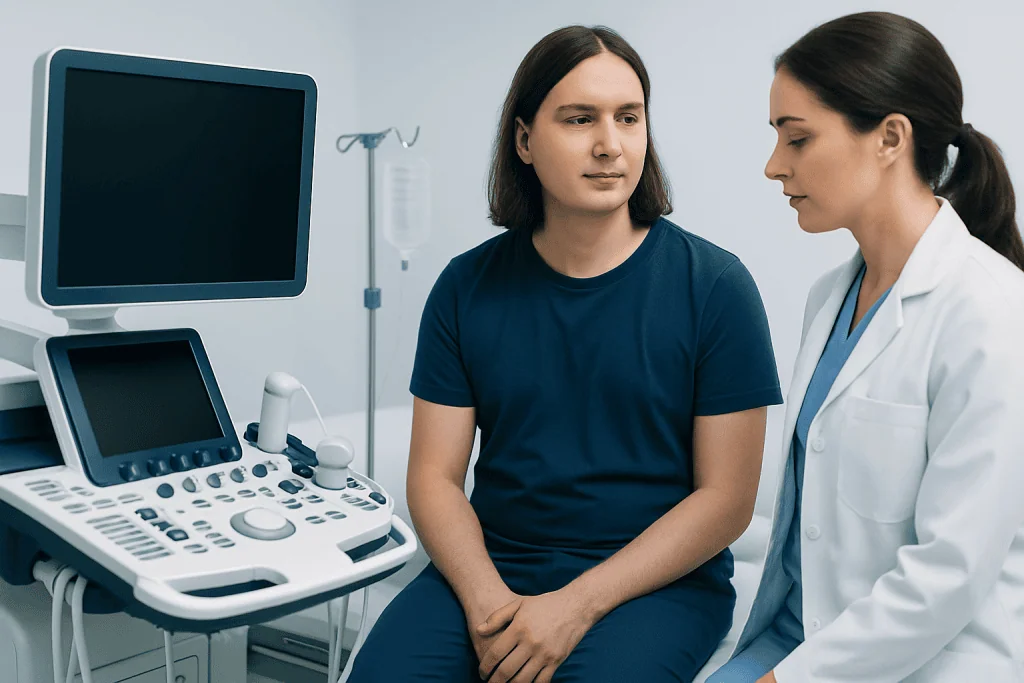
Gender-affirming hormone therapy can affect many body systems. Estrogen and medications that reduce testosterone may influence mood, fluid balance, breast tissue, bowel habits, and the way pain is felt. Some people notice symptoms at certain points in their medication schedule, especially if hormone levels rise and fall rather than staying steady.
For example, a person using injectable hormones may notice symptoms before the next dose, while someone taking daily medication may experience symptoms related to missed doses, dose changes, or interactions with other medicines. The body can be sensitive to hormone fluctuations even without a uterus or ovaries.
It is also important to remember that symptoms often linked with periods are not unique to menstruation. Bloating, cramps, diarrhea, constipation, lower abdominal pain, headache, and irritability are common and can result from stress, diet, irritable bowel syndrome, urinary issues, muscle tension, or anxiety. In some cases, symptoms may overlap with irritable bowel syndrome or other non-gynecologic conditions.
Common symptoms and what they may mean

People who describe period-like symptoms most often report abdominal cramping, bloating, mood shifts, breast tenderness, fatigue, headaches, and back pain. Some also notice changes in appetite, bowel movements, or sleep. These symptoms may happen regularly or only from time to time.
Because there is no uterine lining to shed, vaginal bleeding is not a normal sign of a menstrual period in a trans woman. If a trans woman has undergone genital surgery, any genital or urinary bleeding should not be assumed to be hormonal. It should be assessed to look for local irritation, urinary tract problems, infection, or another cause.
Symptoms deserve closer attention when they are intense, interfere with daily life, wake someone from sleep, or are accompanied by fever, vomiting, fainting, chest symptoms, significant urinary problems, or bleeding. A healthcare professional may also consider whether symptoms are more consistent with endometriosis-like pelvic pain patterns in other populations, digestive disease, urinary conditions, migraine, or medication side effects rather than anything resembling menstruation itself.
- Bloating or abdominal discomfort may relate to hormones, diet, or bowel function.
- Mood changes can be influenced by hormones, stress, sleep, and mental health.
- Breast tenderness may occur with hormone therapy, especially after changes in treatment.
- Headaches may be linked to hormone shifts, dehydration, stress, or migraine.
- Pelvic, genital, or urinary pain should be evaluated if persistent or severe.
Red flags and when to seek medical care
Many recurring symptoms are mild and not dangerous, but some signs should prompt medical review. Medical attention is appropriate if there is severe abdominal or pelvic pain, new or unexplained genital bleeding, blood in the urine, fever, persistent vomiting, fainting, painful urination, a new lump, or symptoms that are worsening rather than settling.
It is also wise to seek care if symptoms started soon after beginning or changing hormone therapy, if doses have been missed repeatedly, or if there are concerns about side effects such as leg swelling, chest pain, or shortness of breath. These symptoms are not signs of a period and should be assessed promptly.
A short, practical rule is this: mild cyclical bloating or mood changes can often be discussed at a routine appointment, but severe pain, bleeding, urinary symptoms, or systemic symptoms deserve earlier medical review. A clinician can check whether symptoms are related to hormone therapy, a digestive problem, a urinary issue, or another cause that needs treatment.
How doctors evaluate these symptoms
Diagnosis starts with a careful history. A doctor will ask what the symptoms are, when they started, whether they happen in a pattern, how long they last, and how they affect daily life. They will also ask about hormone treatment, dose changes, other medications, surgical history, bowel and urinary symptoms, sexual health, and general medical conditions.
A physical examination may be recommended depending on the symptoms. This might include checking the abdomen, blood pressure, hydration, and in some cases a genital or urinary assessment if there is bleeding, discharge, pain, or infection concerns. The goal is not to question someone’s identity, but to understand anatomy, current treatment, and the most likely medical explanation.
Tests are guided by symptoms. A clinician may order blood tests to look at hormone levels, electrolytes, thyroid function, inflammation, or anemia. Urine tests may be used if there is pain with urination or blood in the urine. Imaging such as MRI or ultrasound may be helpful if pain is persistent or if another abdominal or pelvic condition is suspected. If symptoms seem mainly digestive, evaluation may focus on bowel disorders rather than hormones alone.
Treatment and symptom relief
Treatment depends on the underlying cause. If symptoms appear related to hormone fluctuations, the prescribing clinician may review the type of medication, route, timing, and consistency of dosing. Sometimes symptoms improve when hormone levels are made more stable rather than cycling up and down.
If the cause is not hormonal, treatment may focus on the actual source of symptoms, such as constipation, irritable bowel syndrome, urinary tract infection, muscle spasm, migraine, or stress-related symptoms. This can involve lifestyle changes, symptom-relief medicines, or referral to another specialist. For persistent abdominal symptoms, tests such as colonoscopy may be considered when clinically appropriate to evaluate bowel causes.
Self-care can also help. Keeping a symptom diary, staying hydrated, maintaining regular meals, getting enough sleep, and noting the timing of medications can make patterns easier to identify. Over-the-counter pain relief may help some people, but it is best used according to a clinician’s advice, especially if symptoms are new, severe, or recurring often.
Living well with hormone therapy and symptom tracking
For many trans women, hormone therapy is an important part of gender-affirming care and can be used safely under medical supervision. New bodily sensations can understandably raise questions, especially when symptoms seem cyclical. A calm, structured approach usually helps more than assuming the body is having a menstrual cycle.
Tracking symptoms over several weeks can be very useful. Recording abdominal pain, mood changes, bowel symptoms, headaches, medication timing, diet, and stress can show whether symptoms align with hormone dosing or point toward another explanation. This information helps clinicians make decisions more accurately.
Regular follow-up with an experienced doctor is important for anyone using gender-affirming hormones. Monitoring can help with dose adjustments, side effects, and general health checks. Near the end of the care pathway, some people may benefit from multidisciplinary assessment; Acibadem International’s specialists in JCI-accredited hospitals diagnose and treat hormone-related and abdominal symptoms for international patients when further evaluation is needed.
Frequently asked questions
Do trans women have periods every month?
No. A menstrual period involves shedding of the uterine lining, which requires a uterus. Trans women may notice recurring symptoms that feel period-like, but this is not the same as menstruation.
Can hormone therapy cause cramps or bloating in trans women?
Yes, some trans women report cramps, bloating, breast tenderness, headaches, or mood changes while using hormone therapy. These symptoms may relate to hormone fluctuations, medication timing, or other common health issues rather than a menstrual cycle.
Is bleeding ever normal in a trans woman who thinks she is having a period?
No menstrual bleeding is expected without a uterus. Any genital or urinary bleeding should be evaluated by a healthcare professional, especially if it is new, persistent, or accompanied by pain.
How can someone tell if symptoms are caused by hormones or something else?
A doctor usually looks at the pattern of symptoms, current medications, hormone dosing schedule, surgical history, and any bowel or urinary symptoms. Blood tests, urine tests, or imaging may be used if needed to rule out other causes.
When should a trans woman seek medical care for period-like symptoms?
Medical review is important for severe or worsening pain, bleeding, fever, vomiting, fainting, chest pain, shortness of breath, or urinary symptoms. Mild recurring symptoms can often be discussed at a routine visit, but red-flag symptoms should not be ignored.
Can symptom tracking help?
Yes. Keeping a diary of symptoms, medication timing, sleep, stress, and diet can reveal patterns and help a clinician decide whether symptoms are linked to hormone changes or another condition. It also helps guide treatment more precisely.
This article is for general information only and is not a substitute for professional medical advice. Please consult a qualified doctor about your individual situation.
Persistent digestive symptoms? Get evaluated in Turkey
JCI-accredited · board-certified surgeons · reply within 24h
Add us as a Preferred Source to see more of our trusted health content across Google Search, AI Overviews and Discover.

Gynecology & Obstetrics Specialists at Acibadem

Assoc. Prof. Dr. Cevat Rıfat Cündübey
Gynecology & Obstetrics
Dr. Cevdet Hekimoğlu
Gynecology & Obstetrics
Dr. Ceyda Perçinoğlu
Gynecology & Obstetrics
Dr. Cihan Deniz Keleş
Gynecology & Obstetrics
Dr. Civan Kalafat
Gynecology & ObstetricsMore from the Health Library

Do Energy Drinks Cause Kidney Stones? A Doctor-Reviewed Answer

Blood Sugar Spike Symptoms Explained: Common Triggers and Red Flags

How Does Ubrelvy Work? Causes, Explanations, and Next Steps

Is BP High in Morning? A Doctor-Reviewed Answer

Low Estrogen Symptoms in Women: Possible Causes and When to Seek Care