Tlif Surgery: Benefits, Risks, and Recovery — A Complete Guide

TLIF surgery is a lower back fusion procedure that removes a damaged disc and stabilizes the spine with an implant, bone graft, and screws. It is usually considered after non-surgical treatments have not provided enough relief or when nerve compression or instability is significant.
Key Takeaways
- TLIF surgery is a lower back fusion procedure that removes a damaged disc and stabilizes the spine with an implant, bone graft, and screws.
- It is usually considered after non-surgical treatments have not provided enough relief or when nerve compression or instability is significant.
- Potential benefits include less leg pain, improved spinal stability, and better daily function, though recovery takes weeks to months.
- Risks include infection, bleeding, blood clots, nerve injury, nonunion, and persistent or recurrent pain.
- A careful diagnosis, realistic expectations, and structured rehabilitation are important for the best outcome.
TLIF surgery is a type of lumbar spinal fusion used to stabilize the lower back and reduce nerve compression, often for conditions such as degenerative disc disease, spondylolisthesis, or recurrent disc problems. It can improve pain and function in carefully selected patients, but it also involves a meaningful recovery period and the usual risks of major spine surgery.
Overview: What TLIF Surgery Is and Why It Is Done
TLIF surgery, short for transforaminal lumbar interbody fusion, is an operation used to treat certain causes of lower back pain and nerve-related leg symptoms. In simple terms, the surgeon reaches the spine from the back, removes a damaged disc between two vertebrae, relieves pressure on nearby nerves, and then stabilizes that spinal level so the bones can grow together over time.
This procedure is most often used in the lumbar spine, the lower part of the back. It may be recommended when a spinal segment is unstable, painfully worn, or compressing a nerve root. For some people, TLIF surgery can reduce leg pain more effectively than it reduces long-standing back pain, especially when nerve pressure is a major part of the problem.
TLIF is one of several spinal fusion techniques. It differs from other approaches because the disc space is reached from one side of the spine through the natural opening near the nerve root. This route may allow the surgeon to address both spinal instability and nerve compression in one procedure while limiting the amount of tissue disruption compared with some traditional methods.
Doctors usually consider TLIF surgery only after a careful review of symptoms, imaging, physical examination findings, and previous treatments. Conservative care such as medication, physical therapy, activity modification, or injections is often tried first unless there is severe weakness, progressive neurologic symptoms, or another urgent indication for surgery.
Who May Be a Candidate for TLIF Surgery
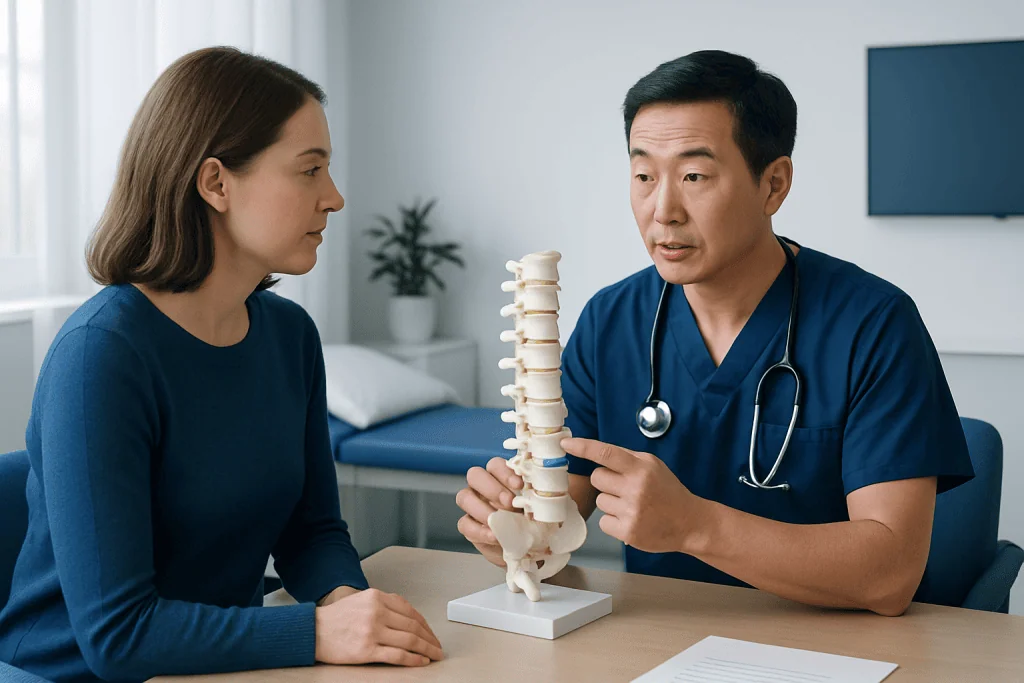
TLIF surgery is not the right choice for every type of back pain. It is generally considered for patients whose symptoms match a structural problem seen on imaging and whose quality of life remains significantly affected despite appropriate non-surgical care. Typical reasons include spinal instability, narrowing around the nerves, recurrent disc herniation, or painful degeneration at one or more lumbar levels.
Common conditions that may lead a specialist to discuss TLIF include herniated disc, degenerative disc disease, spinal stenosis, and spondylolisthesis. In some cases, it may also be used for revision surgery after a previous decompression procedure if instability develops or symptoms return.
A person may be a stronger candidate if symptoms include persistent leg pain, numbness, tingling, or weakness caused by nerve compression, especially when these symptoms match the level of spinal disease seen on MRI or CT scans. Fusion may also be considered when back pain is related to movement at an unstable spinal segment.
Not everyone with imaging changes needs surgery. Many age-related spinal findings are common even in people without pain. This is why a spine specialist looks at the full picture, including medical history, physical examination, smoking status, bone health, weight, activity level, and overall readiness for recovery before recommending a lumbar fusion.
How TLIF Surgery Works: Step by Step
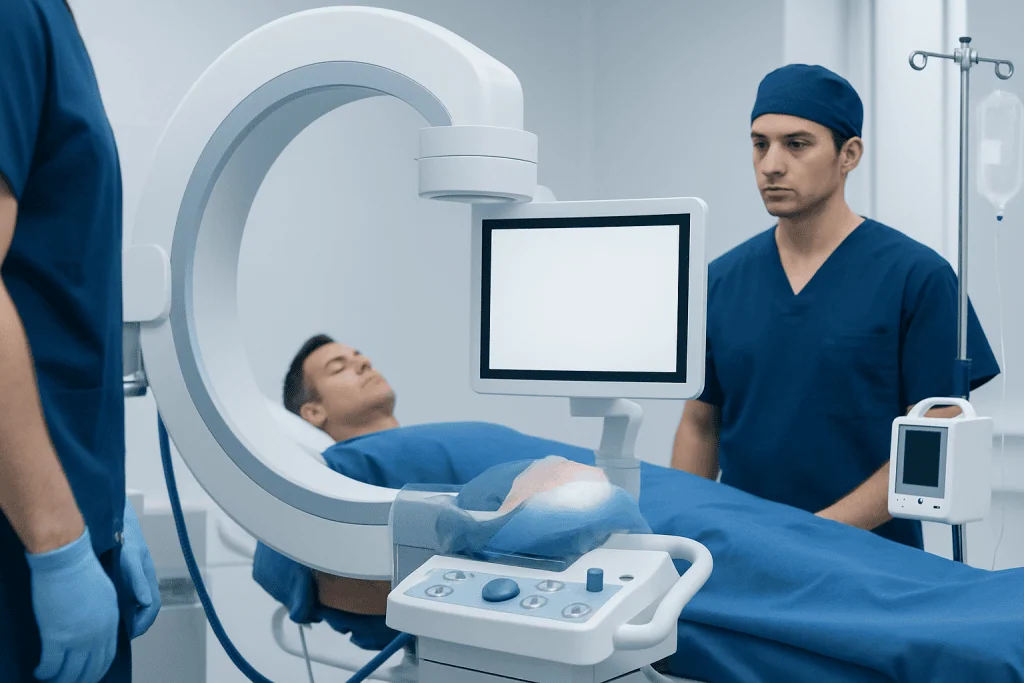
TLIF surgery is performed under general anesthesia. The exact technique varies, but the operation usually begins with the patient positioned face down while the surgical team prepares the lower back. The surgeon makes an incision and carefully moves muscles aside or uses less invasive tubular access techniques, depending on the planned approach and the anatomy involved.
Next, the surgeon removes part of the bone and soft tissue that are pressing on the nerve root. This decompression step can help relieve leg pain, numbness, or weakness. The damaged disc between the vertebrae is then removed from one side through the transforaminal corridor, creating space for an implant called an interbody cage.
The empty disc space is filled with bone graft material, and the cage is inserted to help restore disc height and support alignment. Pedicle screws and rods are then placed in the vertebrae to hold the spinal segment steady while the fusion heals. Over the following months, the goal is for new bone to grow across the treated level so that it becomes a solid, stable unit.
Depending on the case, the surgeon may use open or minimally invasive methods. When appropriate, minimally invasive spine surgery may reduce muscle disruption and blood loss, though the best approach depends on the patient’s anatomy, the number of levels involved, prior surgery, and the underlying spinal problem. Some patients who need nerve decompression without extensive instability may instead be considered for spine surgery tailored to their diagnosis.
Benefits and Expected Results
The main goal of TLIF surgery is to create a more stable spinal segment while relieving pressure on the nerves. For many patients, the clearest benefit is improvement in leg symptoms such as sciatica, tingling, or weakness. If instability is contributing to pain, fusion can also reduce painful motion at the treated level.
Possible benefits of TLIF surgery include:
- Reduced nerve-related leg pain
- Improved spinal stability
- Better walking tolerance and daily function
- Lower chance of recurrent disc collapse at the fused level
- Potential improvement in posture or alignment at the treated segment
Results vary from person to person. Factors that may influence outcome include the exact diagnosis, duration of symptoms, smoking status, diabetes control, bone quality, body weight, and whether the symptoms are mainly nerve-related or mainly diffuse mechanical back pain. A person with severe nerve compression and corresponding leg pain may notice more predictable relief than someone with non-specific back pain alone.
It is also important to have realistic expectations. Fusion can improve function and decrease pain, but it does not restore the spine to a completely normal state. Some stiffness at the fused level is expected, and improvement may continue gradually over several months rather than immediately after surgery.
Risks, Possible Complications, and Limits of the Procedure
Like any major operation, TLIF surgery has risks. Most people do not experience serious complications, but understanding the possibilities helps patients make informed decisions. General surgical risks include bleeding, infection, anesthesia-related problems, and blood clots in the legs or lungs.
There are also spine-specific risks. These include injury to a nerve root or the covering around the nerves, leakage of spinal fluid, hardware problems, persistent pain, or failure of the bones to fuse fully, known as nonunion or pseudarthrosis. In some cases, adjacent levels of the spine may develop added stress over time, which can lead to future symptoms.
Certain factors can increase risk, such as smoking, osteoporosis, poorly controlled diabetes, poor nutrition, and long-term steroid use. Previous spine surgery can also make the anatomy more complex. The surgeon may recommend imaging, bone health assessment, or medical optimization before the operation to improve safety and support healing.
Even when surgery is technically successful, pain may not disappear completely. Recovery can be slower than expected, and some symptoms, especially numbness or weakness present for a long time before surgery, may improve only partially. This is one reason why the decision for TLIF should be based on a clear match between the symptoms and the structural problem being treated.
Diagnosis and Planning Before Surgery
Before recommending TLIF surgery, a spine specialist usually completes a detailed evaluation. This starts with a medical history that explores the type of pain, its location, what worsens it, whether there are nerve symptoms, and how much it affects work, sleep, mobility, and daily life. A physical examination helps assess strength, reflexes, sensation, gait, and signs of nerve irritation or spinal instability.
Imaging plays a central role in planning. MRI is often used to show disc damage, nerve compression, and soft tissues. CT scans may provide more detail about bone structure, especially if prior surgery or complex anatomy is involved. Standing X-rays and sometimes flexion-extension views can help identify spondylolisthesis or abnormal motion between vertebrae.
Doctors may also review previous non-surgical treatment, including medications, physical therapy, exercise programs, or injections. The aim is to confirm that surgery addresses the true pain generator and that reasonable conservative options have already been considered. In selected cases, additional tests such as nerve studies or bone density assessment may be useful.
Surgical planning includes choosing the level or levels to be fused, the type of implant, the graft strategy, and whether a minimally invasive approach is suitable. If broader correction is needed, the team may discuss alternatives or related options such as spinal fusion techniques designed for the person’s specific anatomy and goals.
Recovery Timeline, Rehabilitation, and Self-Care
Recovery after TLIF surgery happens in stages. In the hospital, the team focuses on pain control, safe movement, walking, and monitoring for early complications. Some patients begin walking the same day or the day after surgery, depending on the extent of the operation and their general health. A hospital stay of a few days is common, though this varies.
During the first several weeks at home, activity is gradually increased. Patients are usually advised to avoid heavy lifting, repeated bending, and twisting while the tissues heal. Wound care, medication use, sleep positioning, and bowel support after anesthesia or pain medicines are important parts of early recovery. Some people wear a brace if their surgeon feels it is helpful, though this is not required in every case.
Over the next weeks to months, follow-up visits and imaging help assess healing. Physical therapy may begin when the surgeon advises, often focusing first on walking, posture, core support, and safe body mechanics. Return to desk work may happen sooner than return to physically demanding jobs. Full bone fusion takes time, and improvement in stamina and comfort often continues for many months.
Healthy habits can support recovery. These include stopping smoking, eating enough protein and nutrient-rich foods, controlling chronic conditions, and following the rehabilitation plan closely. Patients should contact their care team if they develop increasing wound drainage, fever, worsening leg weakness, severe uncontrolled pain, or new problems with bladder or bowel function.
When to Seek Medical Care
Medical care should be sought for back or leg symptoms that are severe, persistent, or getting worse despite rest and routine treatment. Evaluation is especially important if pain travels down the leg, there is numbness or weakness, walking becomes limited, or symptoms begin to interfere with work, sleep, or daily activities for an extended period.
Urgent medical assessment is needed for red-flag symptoms. These include new loss of bladder or bowel control, numbness around the groin or saddle area, rapidly progressing leg weakness, fever with severe back pain, or back pain after significant trauma. These symptoms do not always mean surgery is required, but they should not be ignored.
After TLIF surgery, patients should seek timely advice if they notice wound redness, drainage, chest pain, shortness of breath, calf swelling, or symptoms that suddenly worsen instead of gradually improving. Prompt communication with the surgical team can help identify complications early and guide the right next steps.
For people considering surgery, a consultation with an experienced spine team can clarify whether fusion is appropriate or whether other options may be better. Near the end of the treatment journey, some international patients choose centers such as Acibadem International, where multidisciplinary specialists in JCI-accredited hospitals evaluate and treat complex spine conditions using individualized surgical and rehabilitation plans.
Frequently asked questions
What does TLIF surgery stand for?
TLIF stands for transforaminal lumbar interbody fusion. It is a type of lower back surgery that removes a damaged disc, relieves pressure on nerves, and fuses two vertebrae together for stability.
How long does it take to recover from TLIF surgery?
Early recovery usually takes several weeks, but full healing is slower because the fusion needs time to become solid. Many people feel gradual improvement over several months, and complete fusion may continue developing for up to a year or longer.
Is TLIF surgery major surgery?
Yes, TLIF is generally considered major spine surgery. It involves anesthesia, decompression of nerves, placement of implants, and a period of structured recovery and rehabilitation.
Will TLIF surgery completely remove back pain?
It may reduce pain significantly, but it does not guarantee complete pain relief. Results depend on the underlying condition, the source of the pain, nerve involvement, and how well the spine heals after fusion.
What are the main risks of TLIF surgery?
The main risks include infection, bleeding, blood clots, nerve injury, spinal fluid leak, hardware problems, and failure of the bones to fuse properly. There is also a possibility that some pain or numbness may remain after surgery.
Who is not a good candidate for TLIF surgery?
A person may not be a good candidate if symptoms do not clearly match imaging findings, if non-surgical options have not been fully explored, or if serious health factors make surgery unusually risky. Smoking, poor bone quality, and uncontrolled medical conditions can also reduce the chance of a good outcome unless they are addressed first.
References
- American Academy of Orthopaedic Surgeons
- North American Spine Society
- National Institute of Arthritis and Musculoskeletal and Skin Diseases
- MedlinePlus
- National Institute for Health and Care Excellence
This article is for general information only and is not a substitute for professional medical advice. Please consult a qualified doctor about your individual situation.
Joint and spine care in Turkey — expert assessment & treatment
JCI-accredited · board-certified surgeons · reply within 24h
Add us as a Preferred Source to see more of our trusted health content across Google Search, AI Overviews and Discover.

More from the Health Library



Related Specialists

Dr. Caner Çam
Internal Medicine
Dr. Mehmet Can Şahin
Inpatient Clinic Physicians Clinical Service
Prof. Dr. Ayşe Sağduyu Kocaman
Neurology
Prof. Dr. Ercüment Yılmaz
Cardiology