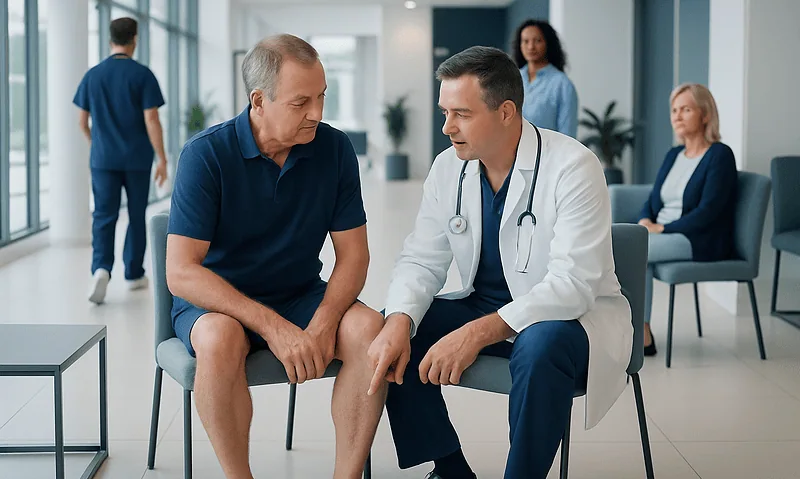
BP Low Remedy — Explained by Medical Evidence, Not Myths

The best bp low remedy depends on the cause, not just the number on a blood pressure monitor. Fluids, slow position changes, and avoiding triggers often help mild symptoms.
Key Takeaways
- The best bp low remedy depends on the cause, not just the number on a blood pressure monitor.
- Fluids, slow position changes, and avoiding triggers often help mild symptoms.
- Salt may help some people, but it is not appropriate for everyone and should be discussed with a clinician.
- Low blood pressure that causes fainting, chest pain, shortness of breath, confusion, or severe weakness needs prompt medical evaluation.
- Persistent or recurring hypotension should be assessed for dehydration, medication effects, heart rhythm problems, hormone disorders, anemia, or infection.
A useful bp low remedy is not a single drink, food, or home trick. The safest approach is to confirm whether blood pressure is truly low, ease symptoms with simple measures such as fluids and posture changes, and then find and treat the underlying cause.
Overview: What actually works as a bp low remedy?
The most reliable bp low remedy is to treat the reason blood pressure is dropping while using simple supportive steps to reduce symptoms. For many people, immediate relief comes from drinking water, sitting or lying down, raising the legs, and standing up more slowly. But if low blood pressure keeps happening, it is important to look beyond home remedies and check for causes such as dehydration, medications, prolonged bed rest, anemia, infection, hormonal problems, or heart conditions.
Blood pressure is considered low when it is lower than a person’s usual level and causes symptoms such as dizziness, weakness, blurred vision, nausea, or fainting. Some healthy people naturally have lower readings and feel completely well, so a number alone is not always a problem. What matters most is whether the blood pressure is low enough to reduce blood flow to the brain, heart, and other organs.
Many myths suggest that one food, coffee, or sugary drinks can “fix” low blood pressure. In reality, these may help only in specific situations or for a short time. A medical-evidence approach focuses on hydration, posture, trigger control, careful review of medicines, and proper testing when symptoms are frequent, severe, or unexplained.
Symptoms: When low blood pressure causes problems
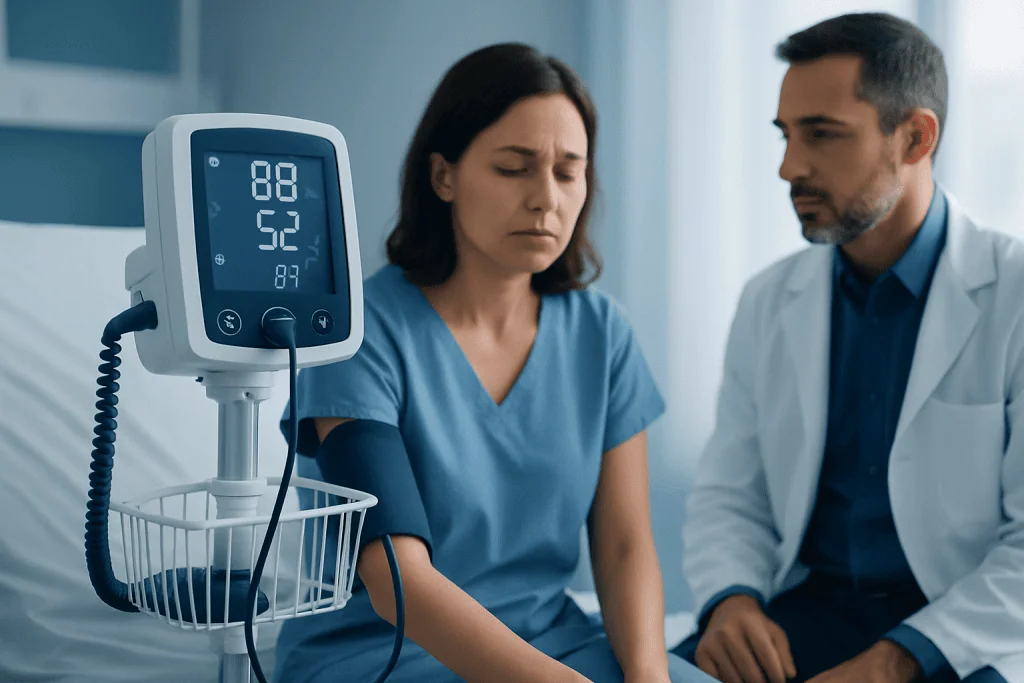
Low blood pressure can feel different from person to person. Mild symptoms may include lightheadedness when standing, fatigue, weakness, feeling unsteady, difficulty concentrating, nausea, or a sense that vision is dimming or becoming blurry. Some people notice symptoms after a hot shower, exercise, standing in one place for too long, or getting out of bed quickly.
More significant drops in blood pressure may cause near-fainting or fainting, cold clammy skin, palpitations, confusion, or unusual sleepiness. These symptoms happen because the brain and body are temporarily not getting enough blood flow. In older adults, even mild hypotension can increase the risk of falls and injury.
Low blood pressure is sometimes related to body position. This is called orthostatic or postural hypotension, meaning the pressure falls when a person stands up. In other cases, symptoms occur after meals, during illness, after blood loss, or as part of another condition such as an abnormal heart rhythm or endocrine disease.
- Common symptoms: dizziness, weakness, blurry vision, nausea, faint feeling
- Less common but important symptoms: fainting, confusion, chest discomfort, shortness of breath
- Pattern clues: after standing, after meals, in heat, during illness, or after medication changes
Causes and risk factors: Why blood pressure may drop
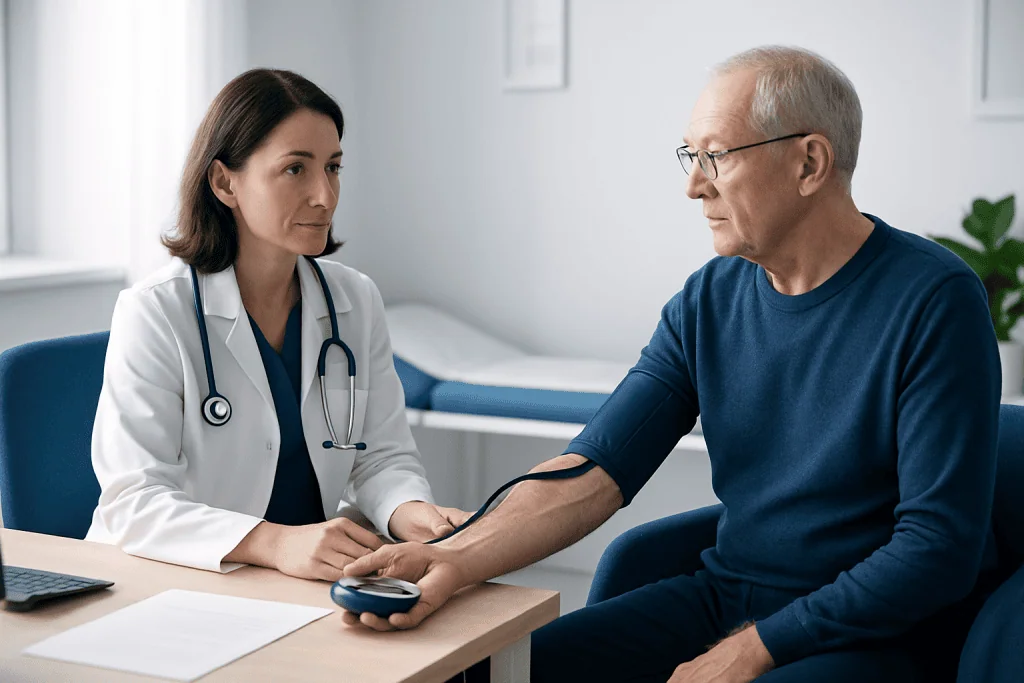
Low blood pressure has many possible causes. Dehydration is one of the most common. This can happen after vomiting, diarrhea, fever, heavy sweating, poor fluid intake, or use of diuretic medicines. Blood pressure can also fall after significant blood loss, severe infection, allergic reactions, or prolonged bed rest.
Medicines are another major reason. Blood pressure medicines, water tablets, some antidepressants, medicines for Parkinson’s disease, sedatives, and drugs that relax blood vessels can all contribute. Alcohol can also worsen symptoms by causing dehydration and widening blood vessels. In some people, the body’s automatic system for adjusting pressure with position changes does not work properly, leading to orthostatic hypotension.
Underlying medical conditions should also be considered. These include heart valve disease, heart failure, slow or fast heart rhythms, endocrine problems such as adrenal insufficiency or thyroid disease, diabetes-related nerve damage, and anemia. When symptoms are persistent or severe, clinicians may investigate whether there is a cardiovascular cause such as a heart rhythm disorder or reduced blood flow from another source.
Evidence-based self-care: Practical bp low remedy steps at home
For mild symptoms, simple steps often help quickly. A person should sit or lie down as soon as dizziness starts, especially if there is a risk of falling. Elevating the legs can improve blood return to the heart. Drinking water is often effective, particularly if the cause is dehydration or standing for a long time. Rising slowly from bed or a chair gives the body more time to adjust.
Regular fluid intake matters more than occasional rescue drinks. Some people benefit from smaller, more frequent meals if symptoms occur after eating, because large meals can redirect blood flow to the digestive system. Avoiding overheating, limiting alcohol, and taking care during hot weather can also help. Compression stockings may be recommended in selected cases to reduce blood pooling in the legs.
Salt is often mentioned as a home remedy, but it is not universally safe. Increasing salt may help some people with documented low blood pressure, especially when combined with fluids, yet it may be inappropriate for those with kidney disease, heart disease, or hypertension. Caffeine can raise blood pressure briefly, but it is not a dependable treatment and may trigger palpitations or dehydration in some individuals. If symptoms are recurrent, self-care should be paired with medical evaluation rather than repeated short-term fixes.
- Drink water regularly, especially during heat, illness, or exercise
- Stand up gradually and pause before walking
- Eat smaller meals if symptoms happen after eating
- Avoid excess alcohol and prolonged standing in hot places
- Discuss salt use or compression garments with a clinician first
Diagnosis: How doctors find the real cause
Diagnosing low blood pressure begins with a careful history. A doctor will ask when symptoms happen, whether they are related to standing, meals, illness, or medication changes, and whether there has been fainting, chest pain, black stools, heavy bleeding, or signs of infection. Blood pressure and pulse are often checked lying down, sitting, and standing to look for orthostatic changes.
Tests depend on the suspected cause. Blood tests may look for anemia, dehydration, infection, blood sugar problems, kidney function changes, or hormonal disorders. An electrocardiogram can check the heart’s rhythm. If symptoms suggest a structural heart problem or poor pumping function, clinicians may recommend echocardiography to assess the heart.
Some people need further cardiovascular testing if symptoms are unexplained, recurrent, or associated with fainting. This may include Holter monitoring to capture intermittent rhythm abnormalities or longer-term blood pressure assessment. The goal is not simply to confirm a low reading, but to understand why it occurs and whether it poses a larger health risk.
Treatment options: From trigger control to medical care
Treatment depends on the cause and the severity of symptoms. If dehydration is responsible, oral fluids or intravenous fluids may be used. If a medicine is contributing, the prescribing doctor may adjust the dose or switch to an alternative. If low blood pressure appears after meals, diet and meal timing strategies may help. When orthostatic hypotension is confirmed, clinicians often recommend hydration, compression garments, slow position changes, and specific physical maneuvers before standing.
When there is an underlying condition, treating that problem is the most effective long-term remedy. Examples include treating anemia, addressing infection, correcting hormone disorders, or evaluating a heart problem. If symptoms relate to a rhythm disturbance or conduction issue, a cardiology assessment and tests such as electrocardiography may be part of care.
In selected cases, doctors may prescribe medication to help raise blood pressure or reduce symptoms of orthostatic hypotension. This decision depends on the person’s overall health, the cause, and the balance between benefits and side effects. Because low blood pressure can have very different causes, treatment should be individualized rather than based on a one-size-fits-all remedy.
When to seek medical care
Medical care is important if low blood pressure is new, persistent, or severe, especially if symptoms keep returning despite fluids and rest. A person should seek prompt evaluation if there is fainting, repeated near-fainting, falls, chest pain, shortness of breath, severe weakness, confusion, a racing or very slow heartbeat, or signs of dehydration that do not improve.
Urgent assessment is also needed if low blood pressure happens during an infection, after an injury, with heavy bleeding, or together with black stools, vomiting, or severe diarrhea. These situations may signal blood loss, sepsis, or another acute problem that needs immediate treatment.
People who are older, pregnant, living with diabetes, or taking multiple medicines should not ignore recurrent dizziness or low readings. A clinician can review medications, check for complications, and decide whether specialist input is needed. Near the end of the care pathway, some patients may benefit from multidisciplinary evaluation; Acibadem International’s specialists in JCI-accredited hospitals diagnose and treat low blood pressure and its underlying causes for international patients.
Prevention and long-term outlook
Prevention focuses on understanding personal triggers and managing any underlying condition. Keeping well hydrated, especially during exercise, hot weather, or illness, is one of the most practical long-term strategies. People prone to dizziness on standing often benefit from getting up in stages: first sitting on the edge of the bed, then standing slowly, then beginning to walk.
Meal planning can help if symptoms occur after eating. Smaller meals, adequate hydration, and avoiding alcohol excess may reduce post-meal drops in blood pressure. For those taking medications that can lower pressure, it helps to have regular medication reviews rather than stopping treatment independently.
The outlook is usually good when the cause is identified and managed. Many episodes are mild and improve with hydration, trigger avoidance, or medicine adjustments. The key is not to rely on myths or repeated temporary fixes if symptoms are frequent, because low blood pressure can sometimes be a clue to a treatable medical problem.
Frequently asked questions
What is the fastest bp low remedy at home?
For mild symptoms, the fastest steps are usually to sit or lie down, raise the legs, and drink water. If symptoms improve quickly and there are no warning signs, the cause may be temporary, such as dehydration or standing up too fast. Recurrent episodes still deserve medical review.
Can salt help raise low blood pressure?
Salt can help some people with documented low blood pressure, but it is not right for everyone. People with heart disease, kidney disease, or high blood pressure may need to avoid increasing salt. A clinician can advise whether this approach is safe and appropriate.
Is coffee a good remedy for low blood pressure?
Coffee or other caffeinated drinks may raise blood pressure briefly in some people, but the effect is temporary and not always predictable. It should not replace hydration or medical evaluation. In some people, caffeine can worsen palpitations or contribute to dehydration.
When is low blood pressure dangerous?
Low blood pressure becomes concerning when it causes fainting, confusion, chest pain, shortness of breath, severe weakness, or signs of shock or dehydration. It is also concerning when it appears suddenly, follows blood loss, or happens during serious illness. In these situations, prompt medical care is important.
What blood pressure number is too low?
There is no single number that is dangerous for everyone. Some healthy people naturally have lower blood pressure and feel fine, while others develop symptoms at higher readings if their pressure drops from their usual baseline. Symptoms and the overall clinical situation matter more than the number alone.
Should a person stop blood pressure medicine if readings are low?
A person should not stop prescribed medicine without speaking to the prescribing doctor. Low readings may be due to dehydration, illness, timing of the dose, or another problem rather than the medicine alone. A doctor can review readings, symptoms, and medicines safely.
This article is for general information only and is not a substitute for professional medical advice. Please consult a qualified doctor about your individual situation.
Joint and spine care in Turkey — expert assessment & treatment
JCI-accredited · board-certified surgeons · reply within 24h
Add us as a Preferred Source to see more of our trusted health content across Google Search, AI Overviews and Discover.
Check your numbers in seconds
BMI, calories, due date, blood pressure and 30+ more clinical calculators — free, instant, doctor-reviewed ranges.

More from the Health Library

Bronchospasm: Symptoms, Causes, and Treatment — Complete Patient Guide
Pubic hair removal: A Complete Medical Guide for Patients

Penis Piercing: What Patients Need to Know

Sprained Ankle: An Evidence-Based Guide for Patients

Abdominal Aortic Aneurysm — Explained by Medical Evidence, Not Myths