Xyy Syndrome: Diagnosis, Outlook, and Modern Treatment Approaches

XYY syndrome is caused by an extra Y chromosome and is usually not inherited. Symptoms vary widely; some boys and men have very mild features or no obvious symptoms.
Key Takeaways
- XYY syndrome is caused by an extra Y chromosome and is usually not inherited.
- Symptoms vary widely; some boys and men have very mild features or no obvious symptoms.
- Diagnosis is confirmed with chromosome testing such as karyotyping or chromosomal microarray.
- Treatment focuses on individual needs, including speech, learning, behavioral, and medical support.
- Early intervention can improve communication, school performance, and daily functioning.
- Most people with XYY syndrome can lead healthy, productive lives with appropriate follow-up.
XYY syndrome is a genetic condition in which a male has one extra Y chromosome, usually written as 47,XYY. Many people with XYY syndrome have a normal life expectancy and can do well with early evaluation, educational support, and treatment for any related developmental, learning, or behavioral needs.
Overview: what XYY syndrome means
XYY syndrome is a genetic condition in males caused by an extra Y chromosome in some or all of the body’s cells. Instead of the usual 46 chromosomes, the person has 47, including two Y chromosomes. This is often written as 47,XYY. It is a naturally occurring chromosome difference that usually happens by chance when sperm cells are formed.
Many families first ask whether XYY syndrome is serious. In most cases, the outlook is good. Some boys and men have no clear symptoms and may never be diagnosed, while others may have speech delay, learning difficulties, motor coordination challenges, or behavioral concerns that benefit from early support.
XYY syndrome does not define intelligence, personality, or future potential. Older myths linking this condition to aggression or criminal behavior are not supported by modern evidence. Current care focuses on understanding each child’s strengths and challenges and building a practical support plan over time.
Signs and symptoms can vary widely
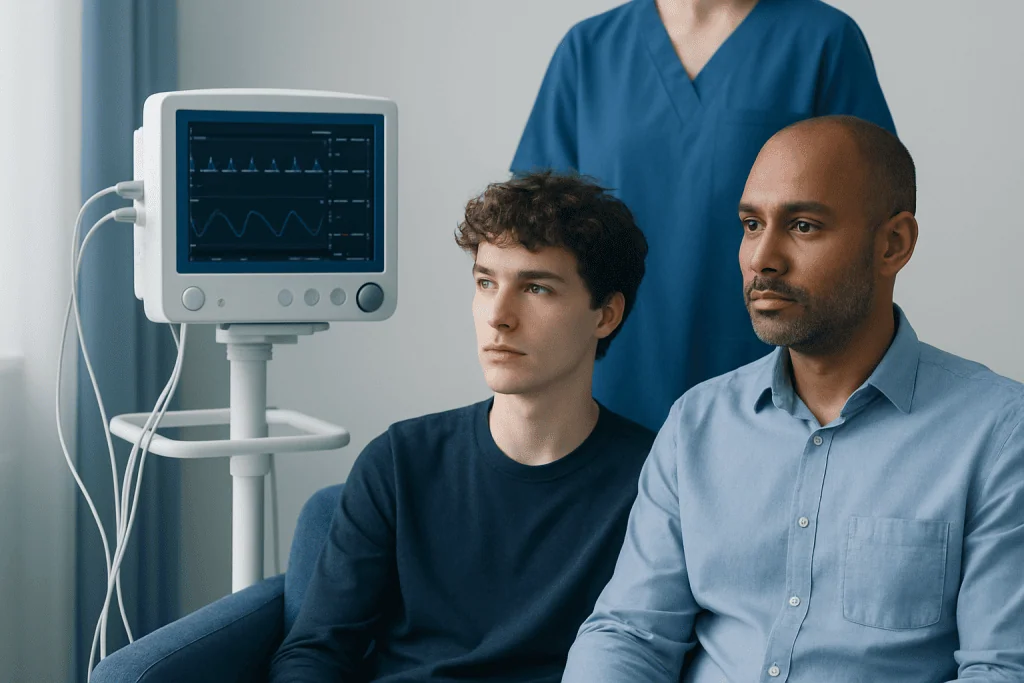
The features of XYY syndrome can be subtle. Affected boys are often taller than average for their age, especially in childhood and adolescence. Some may have low muscle tone, delayed motor milestones, hand tremor, or mild differences in coordination that make sports, handwriting, or other fine motor tasks more difficult.
Developmental and learning concerns are among the most common reasons for evaluation. These may include delayed speech and language, reading or writing difficulties, trouble with attention, or challenges with planning and organization. Some children may also have social communication differences, anxiety, or emotional regulation difficulties.
Physical examination is often normal, but some boys may have widely spaced eyes, curved fifth fingers, flat feet, or dental crowding. Puberty usually begins normally, and most males with XYY syndrome have typical sexual development. Fertility is often normal, although individual cases vary and a specialist may be needed if reproductive questions arise later in life.
- Tall stature
- Speech and language delay
- Learning difficulties, especially reading and writing
- Attention problems or hyperactivity
- Motor coordination challenges
- Social, behavioral, or emotional concerns
Causes and risk factors

XYY syndrome happens because of a random error in cell division called nondisjunction. This leads to an extra Y chromosome in the sperm or, less commonly, during early cell division after conception. It is important for families to know that this usually occurs by chance and is not caused by anything a parent did or did not do during pregnancy.
Most cases are not inherited. In other words, a father with a typical chromosome pattern does not usually pass on XYY syndrome in a predictable way. The condition can be present in every cell or in only some cells, which is called mosaicism. Mosaic forms can sometimes lead to milder or more variable features.
XYY syndrome is different from other chromosome conditions that may also affect growth, learning, or development. Doctors may compare it with Down syndrome or other chromosomal differences when discussing diagnosis, but the chromosome change, clinical pattern, and long-term support needs are not the same.
How XYY syndrome is diagnosed
XYY syndrome may be identified before birth through prenatal screening followed by confirmatory testing, or after birth when a child is evaluated for developmental delay, learning concerns, or unusual growth patterns. Because signs can be mild, many individuals are diagnosed later in childhood or even in adulthood.
The diagnosis is confirmed through chromosome analysis. Tests may include a karyotype, which looks at the number and structure of chromosomes, or chromosomal microarray, which can help evaluate broader chromosome changes. If the question arises during pregnancy, clinicians may discuss prenatal diagnostic tests such as chorionic villus sampling or amniocentesis with the family.
Diagnosis is only the beginning of care. Once XYY syndrome is confirmed, the next step is a thorough developmental and medical review. Depending on the child’s needs, doctors may recommend hearing assessment, speech-language evaluation, psychological testing, school-based assessment, and sometimes brain or body imaging if there are unrelated clinical concerns that need clarification through MRI or other tests.
Modern treatment approaches and supportive care
There is no treatment that removes the extra Y chromosome, so care is centered on the person’s specific symptoms and goals. This individualized approach is one reason outcomes can improve significantly with early recognition. A child with speech delay may benefit most from speech therapy, while another may need educational support, occupational therapy, or behavioral guidance.
Common supportive treatments include speech and language therapy, occupational therapy for fine motor or sensory issues, physical therapy for coordination or low muscle tone, and school accommodations for attention or learning differences. Some children also benefit from formal neurodevelopmental assessment if there are concerns about autism spectrum traits, attention-deficit/hyperactivity disorder, or executive functioning. When needed, specialists may evaluate related neurological symptoms through neurological rehabilitation programs tailored to daily functioning.
Behavioral and emotional health should not be overlooked. Counseling, parent coaching, and structured routines can help with anxiety, frustration, or social challenges. If there are seizures, severe headaches, or unusual neurological findings, a doctor may also consider assessment by specialists in pediatric neurology or developmental pediatrics to rule out coexisting conditions rather than assuming all symptoms are due to XYY syndrome itself.
For families seeking coordinated care, multidisciplinary specialists can be especially helpful. Near the end of the care pathway, some international patients may choose evaluation in centers such as Acibadem International, where JCI-accredited hospitals and multidisciplinary teams assess genetic, developmental, and neurological needs together.
Outlook and daily life
The long-term outlook for XYY syndrome is usually positive. Life expectancy is generally considered normal, and many boys and men grow up to study, work, form relationships, and live independently. The main differences in outcome often relate less to the chromosome pattern itself and more to whether learning, communication, or behavioral needs are recognized early and supported consistently.
Some challenges can continue into adolescence and adulthood. These may include attention difficulties, organization problems, mild social communication differences, or anxiety. However, these issues are manageable for many people, especially when families, schools, and healthcare teams work together and adjust support as needs change over time.
Puberty and sexual development are usually typical, though individual variation exists. If concerns arise about delayed puberty, hormone issues, or fertility, doctors may recommend assessment to check for unrelated endocrine or reproductive conditions. This kind of follow-up is similar to the individualized care used in other developmental conditions, rather than a one-size-fits-all plan.
Practical support at home and in school
Everyday support can make a meaningful difference for a child with XYY syndrome. Families often do best with clear routines, short instructions, visual schedules, and positive reinforcement. Breaking tasks into smaller steps can help with attention, organization, and confidence. Teachers may also notice that a child learns better when information is repeated and presented in more than one way.
School-based services are often important. A child may qualify for speech-language support, occupational therapy, individualized education planning, or classroom accommodations such as extra time, movement breaks, seating adjustments, and reading support. Regular communication between parents, teachers, and therapists helps keep goals realistic and consistent.
Healthy habits also matter. Good sleep, regular physical activity, balanced nutrition, and screen-time limits may improve attention, mood, and daily functioning. Families should also keep routine pediatric care up to date, including hearing, vision, dental, and developmental reviews, since common childhood issues can add to learning or behavior concerns if they are missed.
When to seek medical care
Medical evaluation is appropriate when a boy shows delayed speech, learning difficulties, unusual tall stature with developmental concerns, poor coordination, or ongoing attention and behavioral problems. Parents do not need to wait for severe symptoms; early assessment often leads to practical support that can help at home and at school.
A doctor should also be consulted if there are signs that suggest another condition may be present, such as seizures, significant muscle weakness, major regression in skills, severe anxiety, persistent social difficulties, or concerns about puberty and fertility. These symptoms do not always mean a serious problem, but they deserve proper medical review.
Families can start with a pediatrician, who may refer to genetics, child development, psychology, speech-language therapy, or neurology depending on the child’s needs. Prompt assessment is also important if prenatal testing suggests a chromosome difference, so parents can receive clear information, confirm the diagnosis, and plan follow-up confidently.
Frequently asked questions
Is XYY syndrome the same as autism or ADHD?
No. XYY syndrome is a chromosome condition, while autism and ADHD are neurodevelopmental diagnoses with different criteria. However, some boys with XYY syndrome may also have attention difficulties, social communication differences, or behaviors that overlap with those conditions.
Can a person have XYY syndrome and look completely typical?
Yes. Many boys and men with XYY syndrome have no obvious physical differences and may never be diagnosed. In some cases, the condition is only found during testing for learning, developmental, or fertility-related questions.
Does XYY syndrome affect life expectancy?
Most people with XYY syndrome have a normal life expectancy. The condition itself is usually managed through supportive care for developmental, educational, or behavioral needs rather than treatment for a life-threatening illness.
Is XYY syndrome inherited from the parents?
Usually not. Most cases happen by chance because of a random chromosome separation error during sperm formation or early embryonic development. Parents typically did nothing to cause it.
Can XYY syndrome be cured?
There is no cure that changes the chromosome pattern. Treatment focuses on the person's specific needs, such as speech therapy, school support, behavioral care, or management of any coexisting medical issues.
At what age is XYY syndrome usually diagnosed?
Diagnosis can happen before birth, in early childhood, during school years, or even in adulthood. It often depends on whether symptoms such as speech delay, learning difficulties, or behavioral concerns lead to chromosome testing.
References
- MedlinePlus Genetics
- National Organization for Rare Disorders
- Genetics Home Reference clinical resources
- American Academy of Pediatrics
- National Human Genome Research Institute
This article is for general information only and is not a substitute for professional medical advice. Please consult a qualified doctor about your individual situation.
Explore treatments in Turkey — costs, top hospitals & a free quote
JCI-accredited · board-certified surgeons · reply within 24h
Add us as a Preferred Source to see more of our trusted health content across Google Search, AI Overviews and Discover.