Hurt Tailbone Exercise: What Patients Need to Know
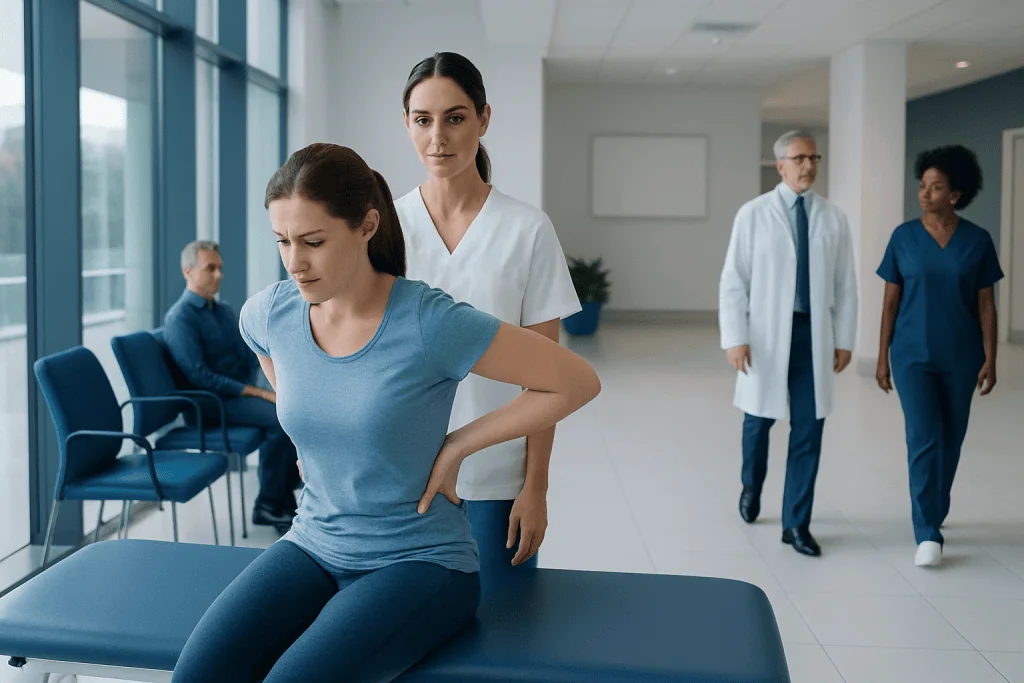
Gentle movement is often better than complete rest for tailbone pain, as long as exercises do not worsen symptoms. The safest early approach usually includes walking, breathing-based pelvic relaxation, and light hip mobility rather than high-impact workouts.
Key Takeaways
- Gentle movement is often better than complete rest for tailbone pain, as long as exercises do not worsen symptoms.
- The safest early approach usually includes walking, breathing-based pelvic relaxation, and light hip mobility rather than high-impact workouts.
- Pain that follows a fall, causes numbness, bowel or bladder changes, or does not improve should be assessed by a doctor.
- Tailbone pain may come from bruising, joint irritation, muscle tension, childbirth, prolonged sitting, or less commonly infection or other conditions.
- Supportive self-care such as a cushion, posture adjustment, and activity modification can make exercise more comfortable and effective.
Hurt tailbone exercise can be helpful, but it should focus on gentle movement, pressure relief, and gradual return to activity rather than intense stretching or core work at first. Many people improve with posture changes, seat cushioning, and carefully selected exercises, while persistent or severe pain needs medical evaluation.
Overview: Can exercise help a hurt tailbone?
In many cases, hurt tailbone exercise can help, but the right type of movement matters. A painful tailbone, also called coccydynia, usually responds best to gentle exercises that reduce pressure on the coccyx, relax tight pelvic and hip muscles, and improve tolerance for sitting and walking. Exercises that involve hard surfaces, repeated sit-ups, jumping, or heavy lifting may aggravate symptoms, especially early on.
The tailbone sits at the very bottom of the spine and helps support the body when sitting. Pain may develop after a fall, childbirth, prolonged sitting, cycling, or strain around the pelvic floor and surrounding muscles. Because several structures meet in this area, tailbone pain can feel local and sharp, or more diffuse and aching.
A practical approach is to think of exercise as part of recovery rather than a test of endurance. Movements should feel controlled and tolerable during and after activity. If pain clearly increases, the exercise may be too intense, too soon, or not suited to the underlying cause.
Common symptoms and how tailbone pain feels
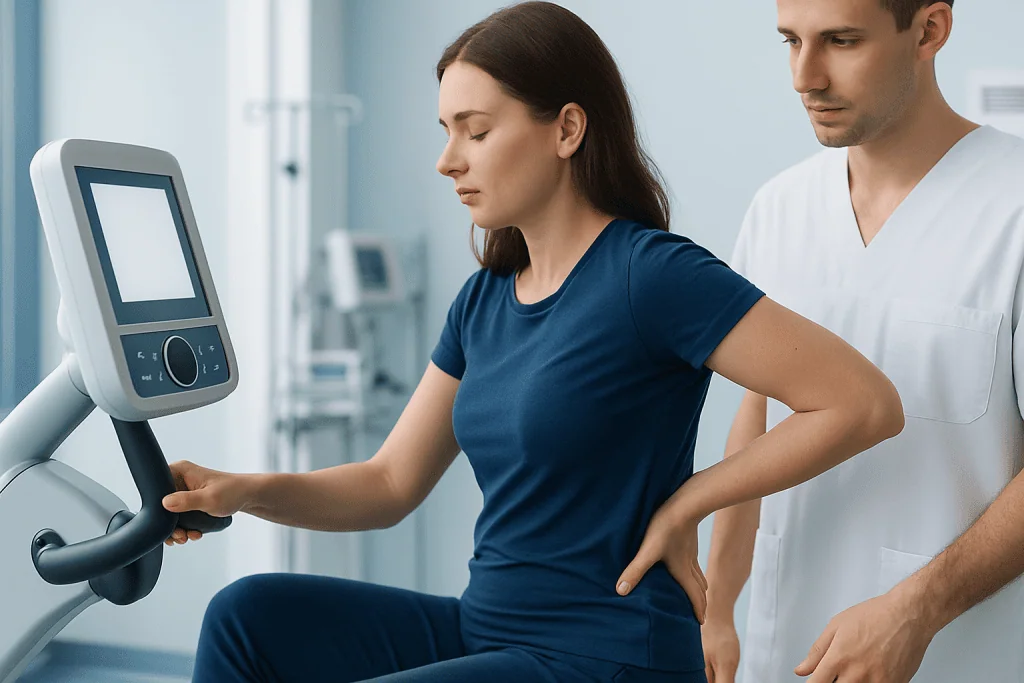
Tailbone pain is often felt directly at the bottom of the spine, especially when sitting down, leaning back in a chair, rising from a seated position, or sitting for a long time. Some people describe a bruise-like soreness, while others notice a stabbing discomfort with certain movements. The area may also feel tender to touch.
Symptoms can extend beyond the coccyx itself. Tightness in the buttocks, pelvic floor, low back, or hips may occur at the same time, which is one reason exercise plans often include nearby muscle groups. Pain can also flare during bowel movements or after activities that place repeated pressure on the area.
Although tailbone pain is commonly mechanical and not dangerous, symptoms vary. Pain with numbness, weakness, fever, unexplained weight loss, or changes in bowel or bladder control is not typical simple coccydynia and should prompt medical review.
Why the tailbone hurts: causes and risk factors

The most common causes are direct trauma, prolonged pressure, and irritation of the small joints and ligaments around the coccyx. A backward fall onto a hard surface is a classic trigger. Even without a major injury, sitting for long periods on firm seats can lead to ongoing inflammation and pain. Childbirth may also strain or injure the coccyx region.
Muscle tension can play an important role. Tight pelvic floor muscles, gluteal muscles, or hip rotators may pull on tissues near the tailbone and increase discomfort. In some people, pain is linked to posture, reduced mobility, or altered movement after a previous low back or pelvic problem. Related spinal issues can overlap with lumbar disc problems, which is one reason an accurate diagnosis matters when symptoms are not straightforward.
Risk factors include recent falls, pregnancy and childbirth, prolonged desk work, cycling, low or high body weight, and prior pelvic or spinal conditions. Less commonly, infection, inflammatory conditions, fractures, or tumors may be involved, particularly if symptoms are severe, unexplained, or accompanied by other warning signs.
Safe hurt tailbone exercises to try first
The safest starting point is usually low-impact movement that avoids direct pressure on the coccyx. Walking on level ground, done in short and comfortable intervals, often helps prevent stiffness and supports circulation without compressing the tailbone. It is usually better to build activity gradually than to stay in bed or remain completely inactive for long periods.
Gentle breathing and relaxation-based exercises may also help. Diaphragmatic breathing, performed lying on the side or stomach-free positions that do not press on the tailbone, can reduce guarding in the pelvic floor and buttock muscles. Light hip mobility work, such as easy knee-to-chest movements on one side at a time or gentle piriformis stretching, may be appropriate if it does not reproduce sharp coccyx pain.
Some patients benefit from guided rehabilitation focused on posture, pelvic alignment, and surrounding muscle control. A specialist in physical therapy and rehabilitation can adapt exercises to the exact pain pattern, daily activities, and physical findings. This is especially useful if symptoms have lasted more than a few weeks or have returned repeatedly.
- Short walks on flat ground
- Gentle diaphragmatic breathing
- Light hip and buttock stretching within comfort
- Careful pelvic relaxation rather than forceful tightening
- Gradual return to normal movement
Exercises and activities that may make it worse
Not every exercise is helpful during a flare. Movements that load the tailbone directly or repeatedly can prolong irritation. Sit-ups, rowing on hard seats, cycling, jumping, sprinting, and deep unsupported seated stretches may all worsen symptoms in some people. High-impact classes and heavy lower-body lifting can also be too much in the early phase.
Forceful core training is another common problem. People often assume they should strengthen the abdominal muscles aggressively, but repeated spinal flexion or hard bracing may increase pressure around the pelvis and coccyx. If the pelvic floor is already tense, repeated tightening can contribute to discomfort rather than relieve it.
Exercise should not cause steadily increasing pain for hours afterward. If a movement repeatedly triggers symptoms, it is sensible to stop and discuss alternatives with a clinician. This is particularly important when pain overlaps with low back pain, sciatica, or conditions such as scoliosis, where exercise selection may need to be individualized.
Diagnosis and treatment options
Diagnosis usually begins with a medical history and physical examination. A doctor may ask about falls, childbirth, bowel habits, time spent sitting, and the exact positions that trigger pain. The coccyx, nearby muscles, and lower back may be examined to identify tenderness, mobility restriction, or signs that the pain may be coming from another structure.
Imaging is not always required for short-lived, mild symptoms, but it may be recommended if the pain follows a significant injury, persists despite treatment, or raises concern for fracture or another underlying problem. Depending on the situation, evaluation may include MRI or X-ray to look at the coccyx and surrounding structures.
Treatment commonly combines pressure relief, activity modification, and symptom control. A wedge or coccyx cushion, careful posture changes, short standing breaks, and medication recommended by a physician can all help. If pelvic floor overactivity or movement dysfunction is contributing, a tailored rehabilitation program is often useful. In selected cases, doctors may discuss injections or other interventions, but these are typically considered only after conservative treatment has been tried.
Self-care, sitting tips, and prevention
Simple daily habits can make a meaningful difference. Many people are more comfortable sitting slightly forward on the sitting bones rather than leaning back directly onto the coccyx. A cut-out or wedge cushion can reduce pressure, and standing up every 20 to 30 minutes may prevent symptom build-up during work or travel.
At home, it helps to pace activities. Gentle movement is usually preferable to long periods of sitting still, but overdoing exercise can delay recovery. Applying cold or heat may provide temporary relief for some individuals, depending on which feels more comfortable. Supportive footwear and walking surfaces that do not jar the body can also help.
Prevention focuses on reducing repeated stress on the area and maintaining comfortable movement patterns. This may include improving workstation ergonomics, avoiding sudden increases in high-impact exercise, and addressing stiffness in the hips and lower back. For persistent or recurrent coccyx pain, a broader musculoskeletal assessment may be needed to identify contributing factors beyond the tailbone itself.
Near the end of a patient’s care journey, some may benefit from a multidisciplinary review. Acibadem International’s specialists in JCI-accredited hospitals diagnose and treat tailbone pain and related musculoskeletal conditions for international patients when more detailed assessment is needed.
When to seek medical care
Medical evaluation is important if tailbone pain follows a significant fall or accident, if sitting becomes extremely difficult, or if symptoms do not begin to improve with self-care and activity changes. Pain that lasts more than a few weeks, repeatedly returns, or limits normal function deserves professional attention.
Urgent assessment is recommended if pain is accompanied by numbness, leg weakness, fever, redness, drainage, unexplained weight loss, or changes in bowel or bladder control. These features can suggest a cause other than uncomplicated coccyx irritation.
It is also sensible to seek help if exercise is confusing or consistently makes pain worse. A doctor or rehabilitation specialist can identify whether the problem is isolated coccydynia or part of a broader spine, pelvic floor, or orthopedic issue and then guide the safest next steps.
Frequently asked questions
What is the best hurt tailbone exercise to start with?
The best starting exercise is usually a short, comfortable walk combined with gentle breathing and light mobility that does not put pressure on the tailbone. Early exercise should feel manageable and should not cause a clear increase in pain later the same day.
Should a person rest completely when the tailbone hurts?
Complete rest is usually not necessary and may increase stiffness. Most people do better with relative rest, meaning they avoid painful activities but keep moving gently within comfortable limits.
Can stretching make tailbone pain worse?
Yes, certain stretches can worsen symptoms if they place direct pressure on the coccyx or pull too strongly on irritated tissues. Stretching should be gentle, controlled, and stopped if it causes sharp or lingering pain.
How long does tailbone pain usually take to improve?
Mild tailbone pain may improve over days to a few weeks, especially if it is related to a bruise or temporary strain. Symptoms that persist beyond a few weeks or repeatedly return should be assessed by a clinician.
Is it safe to do abdominal or core exercises with tailbone pain?
Some core exercises are safe later in recovery, but forceful sit-ups, hard bracing, or movements that press on the tailbone may aggravate pain. A gradual program is usually better than intense strengthening at the beginning.
When should someone worry about tailbone pain?
Tailbone pain should be evaluated promptly if it follows major trauma or comes with numbness, weakness, fever, bowel or bladder changes, or unexplained weight loss. These signs are not typical of simple coccydynia and may require further testing.
This article is for general information only and is not a substitute for professional medical advice. Please consult a qualified doctor about your individual situation.
Joint and spine care in Turkey — expert assessment & treatment
JCI-accredited · board-certified surgeons · reply within 24h
Add us as a Preferred Source to see more of our trusted health content across Google Search, AI Overviews and Discover.

More from the Health Library

Lime Water: What Patients Need to Know

Hard Stool: What Patients Need to Know

Moca Test: An Evidence-Based Guide for Patients

Heart Attack Survival Rate: What Patients Need to Know

Parietal Lobe: A Complete Medical Overview