Body Temperature: An Evidence-Based Guide for Patients

Normal body temperature is a range, not a single exact value. A temperature reading should be interpreted along with symptoms, age, and how it was measured.
Key Takeaways
- Normal body temperature is a range, not a single exact value.
- A temperature reading should be interpreted along with symptoms, age, and how it was measured.
- Fever often signals infection or inflammation, but overheating and some medications can also raise body temperature.
- Low body temperature can occur in cold exposure, illness, and certain medical emergencies.
- Persistent, very high, or very low body temperature needs medical assessment.
Body temperature is not one fixed number. It normally changes through the day and can vary by age, activity, measurement method, and health conditions, so the meaning of a reading depends on the full clinical picture.
Overview: what body temperature means
Body temperature is the body’s way of showing how well it is balancing heat production and heat loss. In most healthy adults, a usual body temperature falls within a range rather than at one exact number, and many readings between about 97°F and 99°F (36.1°C to 37.2°C) can be normal depending on the person and the method used.
The body keeps temperature within a narrow range through a process called thermoregulation. The brain, especially the hypothalamus, helps coordinate this process by responding to signals from the skin, blood, hormones, and the environment. Sweating, shivering, changes in blood flow, and behavior such as seeking shade or extra clothing all help maintain balance.
For patients, the most important point is that one number alone does not always tell the whole story. A reading may be affected by the time of day, recent exercise, meals, menstrual cycle, room temperature, and where the thermometer was placed. This is why doctors consider both the temperature and the person’s symptoms.
What is a normal body temperature?
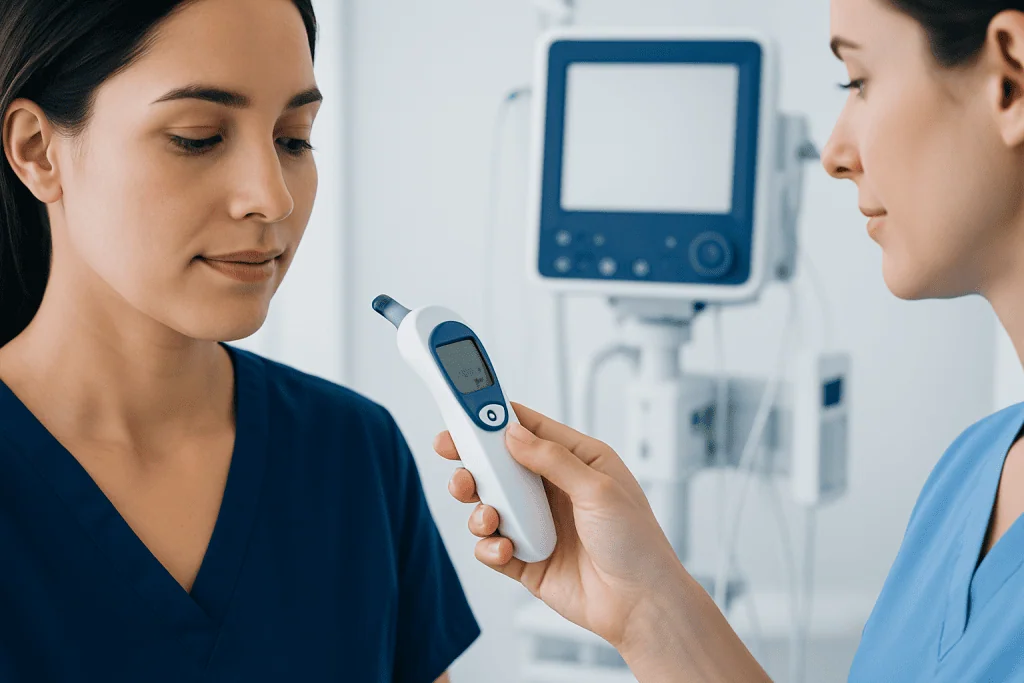
There is no single universal “normal” body temperature. The commonly cited 98.6°F (37°C) is a useful reference point, but many healthy people naturally run a little lower or higher. Body temperature is usually lowest in the early morning and slightly higher in the late afternoon or evening.
Normal ranges also depend on how the temperature is measured. Rectal temperatures tend to be slightly higher than oral readings, while armpit measurements are often a bit lower. Ear and forehead devices can be helpful, but results may vary if the device is not used correctly.
Age matters as well. Babies and young children may show faster temperature changes, while older adults may have a lower baseline temperature and may not develop a strong fever even with infection. For this reason, a modest rise above a person’s usual temperature can still be clinically important.
- Oral: often used in older children and adults
- Rectal: often considered the most accurate core reading, especially in infants
- Ear: convenient, but technique affects accuracy
- Forehead/temporal: quick and noninvasive
- Armpit: simple, though usually less accurate for core temperature
Why body temperature changes

Body temperature can rise or fall for many normal reasons. Physical activity increases heat production, and warm weather reduces the body’s ability to lose heat. Hormonal changes, especially around ovulation and pregnancy, can also slightly increase body temperature. Emotional stress may cause a temporary rise as well.
Illness is another common reason for temperature changes. Fever often occurs when the immune system responds to infection, inflammation, or certain autoimmune conditions. A low temperature may happen with prolonged exposure to cold, poor circulation, low blood sugar, severe infection, thyroid problems, or other metabolic issues.
Medications can also affect temperature regulation. Some drugs interfere with sweating or heat loss, while others may contribute to fever or lower body temperature indirectly. In some situations, a concerning temperature change may be linked to serious conditions such as sepsis or severe heat-related illness, which need prompt medical attention.
When body temperature is too high or too low
A fever generally means the body temperature is above the usual range because the body has reset its internal thermostat. In many cases, fever is a sign that the immune system is responding to a viral or bacterial infection. Fever itself is not always dangerous, but the cause and the person’s overall condition matter.
Very high body temperature can happen without a true fever as well. Heat exhaustion and heat stroke occur when the body cannot cool itself effectively, often during hot weather, dehydration, or strenuous activity. Heat stroke is a medical emergency because the body temperature can rise quickly and affect the brain, heart, kidneys, and other organs. Some patients with severe overheating may need urgent hospital assessment and supportive care, and advanced teams may use intensive care support when organ monitoring is required.
Low body temperature, called hypothermia when it drops significantly, may occur after exposure to cold environments, immersion in cold water, serious illness, trauma, or impaired thermoregulation. Symptoms can include shivering, confusion, slowed breathing, clumsiness, or extreme tiredness. In severe cases, hypothermia can become life-threatening and needs urgent treatment.
Symptoms that can go along with temperature changes
Temperature changes often come with other symptoms that help doctors identify the cause. Fever may be accompanied by chills, sweating, headache, muscle aches, sore throat, cough, fatigue, or digestive symptoms. The pattern can vary depending on whether the cause is a common viral infection, a bacterial infection, inflammation, or a reaction to medication.
Low body temperature may cause cold skin, shivering, slurred speech, weakness, poor coordination, slow thinking, or unusual sleepiness. In babies, symptoms may be more subtle and can include poor feeding, low energy, or a cool body. In older adults, confusion or reduced alertness may be the first sign of a serious problem rather than a high fever.
Doctors also watch for warning signs that suggest the temperature change is part of a broader illness. These include difficulty breathing, chest pain, severe dehydration, confusion, neck stiffness, rash, seizures, or signs of shock. In some cases, high temperature with widespread symptoms can overlap with serious infections such as pneumonia or bloodstream infection.
How body temperature is evaluated and diagnosed
Evaluation starts with how and when the temperature was measured. A doctor may ask what thermometer was used, whether the reading was repeated, and whether there were factors that could affect accuracy, such as recent hot or cold drinks, physical activity, or heavy clothing. Knowing the patient’s usual baseline temperature can also be useful.
The next step is to look at associated symptoms and the medical history. Recent travel, exposure to illness, medications, immune status, chronic conditions, and age all help guide the assessment. A physical examination may focus on the lungs, throat, skin, abdomen, or nervous system depending on the suspected cause.
Further testing is not always necessary for a short-lived mild fever in an otherwise well person. However, if symptoms are severe, prolonged, or unexplained, doctors may recommend blood tests, urine tests, or imaging to look for infection, inflammation, or organ problems. Depending on the situation, evaluation may include a medical check-up or MRI imaging if there are neurological concerns or complications that need closer investigation.
Treatment, home care, and prevention
Treatment depends on the cause, not just the number on the thermometer. Mild temperature changes often improve with rest, fluids, comfortable room temperature, and appropriate clothing. If fever is causing discomfort, a doctor may suggest standard fever-reducing medicines, but self-treatment should always follow medical advice, especially for children, older adults, or people with chronic illness.
For heat-related illness, cooling the body, moving to a shaded or air-conditioned place, and rehydration are key early steps. For cold exposure, gradual warming, dry clothing, blankets, and warm fluids may help in mild cases. However, severe overheating or significant hypothermia should not be managed at home alone because rapid medical care can be essential.
Prevention starts with practical habits. Staying hydrated, dressing for the weather, avoiding prolonged exposure to extreme temperatures, and taking breaks during exercise in hot conditions all support healthy thermoregulation. Vaccination, hand hygiene, and prompt treatment of infections also help reduce fever-related illness.
Near the end of the care pathway, some patients may benefit from specialist evaluation if temperature problems are frequent, unexplained, or linked to chronic disease. Acibadem International’s multidisciplinary specialists and JCI-accredited hospitals evaluate and treat international patients with complex medical conditions using coordinated diagnostic and treatment services.
When to seek medical care
Medical advice is recommended if body temperature remains outside the usual range, keeps returning, or comes with concerning symptoms. Patients should seek prompt care for a very high fever, a temperature that is unusually low, worsening weakness, confusion, breathing difficulty, severe headache, stiff neck, dehydration, chest pain, or a seizure.
Infants younger than three months with a fever need medical evaluation because even a small temperature rise can be important at that age. Older adults, pregnant patients, and people with immune suppression, cancer treatment, or major chronic diseases should also contact a healthcare professional earlier because symptoms may be less typical.
Emergency care is especially important if a person seems difficult to wake, has bluish lips, severe shortness of breath, persistent vomiting, signs of heat stroke, or possible hypothermia after cold exposure. When in doubt, it is safest to call a qualified doctor or emergency service for guidance rather than relying on the temperature reading alone.
Frequently asked questions
Is 98.6°F the only normal body temperature?
No. Body temperature normally varies from person to person and can change during the day. Many healthy adults have readings a little below or above 98.6°F and are still within a normal range.
What temperature counts as a fever?
Fever is generally defined as a body temperature above the usual normal range, but the exact cutoff can depend on how it is measured. Doctors also consider symptoms, age, and the person’s baseline temperature rather than relying on one number alone.
Why is my body temperature low?
A low reading can happen because of a cool environment, measurement method, or a naturally lower baseline. It can also be linked to medical conditions such as hypothyroidism, low blood sugar, infection, or significant cold exposure, especially if symptoms are present.
Which thermometer method is most accurate?
Rectal temperature is often considered the closest estimate of core body temperature, especially in infants. Oral, ear, and forehead measurements can also be useful when taken correctly, while armpit readings are generally less precise.
Should every fever be treated with medicine?
Not always. A mild fever may help the body respond to infection, and treatment is often aimed at comfort and hydration rather than the number itself. Medicines may be used when fever causes discomfort or when a doctor recommends them based on age and medical history.
When is body temperature an emergency?
Urgent medical help is needed if temperature changes come with confusion, trouble breathing, seizure, severe dehydration, collapse, signs of heat stroke, or suspected hypothermia. Very young infants and medically vulnerable people should be assessed sooner even if symptoms seem mild.
This article is for general information only and is not a substitute for professional medical advice. Please consult a qualified doctor about your individual situation.
Explore treatments in Turkey — costs, top hospitals & a free quote
JCI-accredited · board-certified surgeons · reply within 24h
Add us as a Preferred Source to see more of our trusted health content across Google Search, AI Overviews and Discover.
Check your numbers in seconds
BMI, calories, due date, blood pressure and 30+ more clinical calculators — free, instant, doctor-reviewed ranges.

More from the Health Library

Self Harm and Self Injury: What Patients Need to Know

Hypodermis: An Evidence-Based Guide for Patients

Urinalysis: An Evidence-Based Guide for Patients

Earring Is Infected: A Complete Medical Overview

Blood Drawn: What Patients Need to Know