Foot Bath — Explained by Medical Evidence, Not Myths

A foot bath may improve comfort, cleanliness, and temporary muscle relaxation. Medical evidence does not support detox claims made for ionic or herbal foot baths.
Key Takeaways
- A foot bath may improve comfort, cleanliness, and temporary muscle relaxation.
- Medical evidence does not support detox claims made for ionic or herbal foot baths.
- People with diabetes, poor circulation, neuropathy, open wounds, or active infection should be cautious and seek medical advice first.
- Water that is too hot, soaking for too long, or poor device hygiene can increase the risk of burns, dryness, or infection.
- Persistent pain, swelling, skin changes, numbness, or signs of infection need professional assessment.
A foot bath can help relax tired feet, soften skin, and support basic foot hygiene, but claims that it removes toxins or treats internal disease are not supported by medical evidence. Used correctly, it can be a simple self-care practice; used in the wrong situation, it may irritate skin or worsen existing foot problems.
What a Foot Bath Can and Cannot Do
A foot bath is a soak of the feet in warm water, sometimes with simple additives such as mild soap or Epsom salt. For many people, it can be a comfortable home-care routine that helps tired feet feel cleaner, softer, and more relaxed. It may also make it easier to trim nails or remove superficial dry skin after soaking.
What a foot bath cannot do is “detox” the body in the way some products claim. The body’s main detoxification systems are the liver, kidneys, lungs, digestive system, and skin. There is no good clinical evidence that ionic foot baths, color-changing water, or special additives pull toxins out through the feet or treat internal disease.
This distinction matters because a foot bath can be useful when it is seen as supportive self-care rather than a medical treatment. It may ease minor discomfort after a long day, but it is not a substitute for diagnosis or treatment when symptoms point to a foot condition, circulation problem, skin disease, or infection.
How a Foot Bath May Help
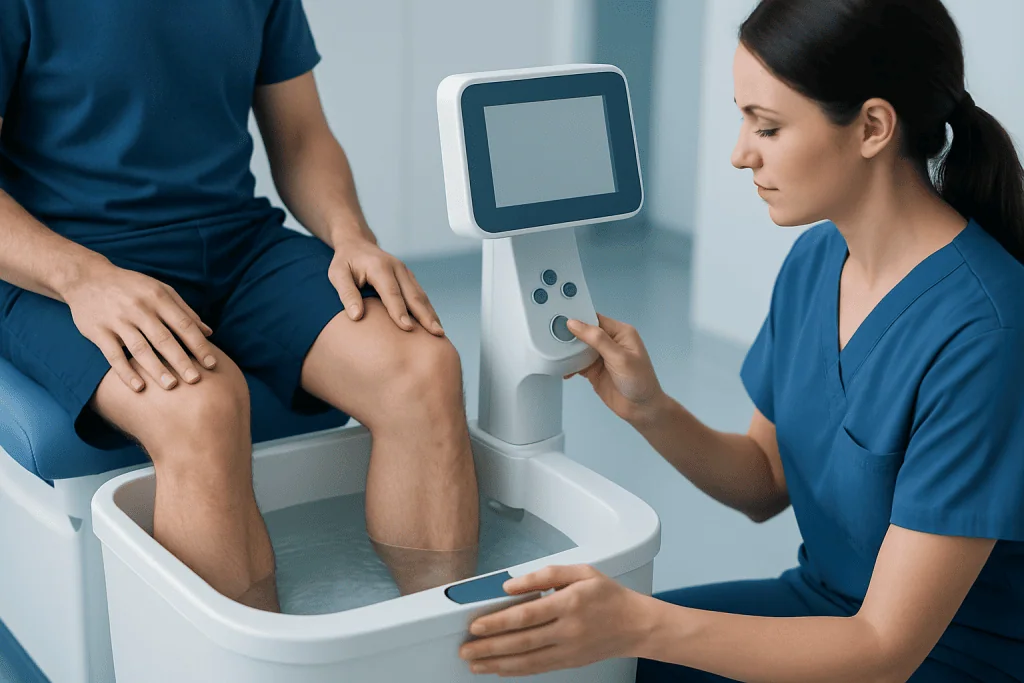
The main potential benefit of a foot bath is comfort. Warm water can temporarily relax the small muscles of the feet and may reduce the sensation of tiredness. Some people also find the routine calming, which may support general stress relief.
A soak can also help with hygiene. It may loosen dirt, soften thickened skin, and make basic foot care easier. In people without skin damage or medical risk factors, a short soak followed by careful drying and moisturizing can be part of a simple home foot-care routine.
Possible practical uses include:
- Refreshing feet after prolonged standing or walking
- Softening dry outer skin before gentle care
- Helping prepare toenails for trimming
- Providing temporary comfort for mild foot fatigue
These benefits are supportive rather than curative. A foot bath does not correct structural problems, nerve disorders, circulation disease, fungal infections, or inflammatory conditions, although it may make the feet feel better for a short time.
Myths and Misunderstandings About Foot Baths

One of the most common myths is that a foot bath removes toxins that can be seen in the water afterward. In many cases, water discoloration is explained by corrosion, additives, skin debris, or reactions in the device itself rather than toxins leaving the body. This visual change is not proof of detoxification.
Another misunderstanding is that natural ingredients are always safe. Herbal oils, fragrances, or strong salts can irritate sensitive skin and may worsen eczema, dermatitis, or cracks in the feet. “Natural” does not automatically mean low risk, especially in people with allergies or skin conditions.
It is also important not to use a foot bath as a home treatment for symptoms that need evaluation. Ongoing burning, numbness, swelling, severe heel pain, new discoloration, or a wound that is slow to heal can be signs of an underlying problem. For example, persistent skin scaling may reflect athlete’s foot rather than simple dryness.
Who Should Be Cautious or Avoid Foot Baths
A foot bath is not suitable for everyone. People with diabetes should be especially careful because reduced sensation can make it harder to notice overly hot water, small injuries, or worsening skin damage. Diabetes can also affect circulation and wound healing, raising the risk of complications from even minor foot problems.
People with poor circulation, nerve damage, open cuts, ulcers, active rashes, fungal infection, or signs of bacterial infection should avoid routine soaking unless a clinician specifically recommends it. Soaking can sometimes macerate the skin, meaning it becomes too soft and breaks down more easily. In that setting, germs may enter more readily.
Extra caution is also sensible for older adults, people with immune suppression, and those with significant swelling or unexplained pain. If there is concern about numbness, tingling, or loss of sensation, evaluation for conditions such as diabetic neuropathy may be more important than home remedies.
Risks, Side Effects, and Safety Points
The most common problems linked to a foot bath are minor but preventable. Water that is too hot can cause burns, especially in people with reduced sensation. Soaking for too long can dry the skin after the initial softening effect wears off, leading to irritation or cracks.
Poorly cleaned basins or shared spa devices may carry bacteria or fungi. This matters most when there are cuts, blisters, shaving nicks, or skin disease. Public or commercial foot spa systems require good hygiene standards because moisture and warmth can allow germs to grow.
To use a foot bath more safely:
- Check water temperature by hand or with a thermometer; keep it warm, not hot
- Limit soaking time, often around 10 to 15 minutes unless a clinician advises otherwise
- Use clean water and a clean basin or device every time
- Dry thoroughly, especially between the toes
- Apply a gentle moisturizer afterward, but not between the toes if moisture tends to collect there
- Stop if there is pain, dizziness, skin irritation, or worsening redness
If foot pain is related to a structural issue rather than simple fatigue, supportive measures may need to be combined with medical assessment and, in some cases, physical therapy and rehabilitation.
Foot Baths in People With Medical Conditions
For some conditions, a foot bath may feel soothing but still requires caution. In mild dry skin, brief soaking followed by moisturizer may help. However, with cracks, eczema, or inflammatory skin disease, repeated soaking can sometimes worsen irritation. A clinician may suggest targeted skin treatment instead of more soaking.
In fungal conditions, warmth and moisture can be a mixed picture. A short soak may clean the area, but leaving feet damp can encourage fungal growth. Proper drying, breathable footwear, and condition-specific treatment are often more important than soaking alone. If fungal nail changes are present, treatment may differ from care for skin infection.
For foot pain caused by overuse, footwear issues, or biomechanical strain, a foot bath can be one small part of symptom relief. Lasting management may involve rest, stretching, supportive shoes, and sometimes assessment by orthopedics or podiatry. When pain is linked to an injury, deformity, or severe inflammation, clinicians may consider imaging or more advanced care, including orthopedic rehabilitation in selected cases.
How to Use a Foot Bath at Home
A practical, evidence-based approach is simple. Start with a clean basin and comfortably warm water. Mild soap can be enough for hygiene, and additives should be used sparingly because fragrances and concentrated ingredients may irritate the skin.
After soaking, the feet should be dried carefully, especially between the toes. Nails can be trimmed straight across if needed, and rough skin can be handled gently. Aggressive scraping, cutting calluses at home, or using sharp tools is not advised because it can lead to injury.
A helpful home routine may include:
- Brief soaking rather than prolonged immersion
- Gentle cleansing without harsh chemicals
- Daily inspection of the skin for redness, blisters, cracks, or color changes
- Moisturizing dry areas while keeping toe spaces dry
- Clean socks and well-fitting footwear after the soak
For people with recurring skin problems, nail changes, or foot discomfort, professional advice is more reliable than trying multiple home products. If a clinician identifies an underlying disease, treatment may be directed at that cause rather than the foot bath itself.
When to Seek Medical Care
Medical care is appropriate when foot symptoms are persistent, worsening, or not clearly explained by simple fatigue. Important warning signs include spreading redness, warmth, pus, fever, severe pain, a wound that does not heal, black or blue discoloration, or sudden swelling in one foot. These symptoms need timely assessment rather than repeated home soaking.
Professional evaluation is also important for numbness, burning, recurrent cramps, thickened or discolored nails, or skin changes that keep returning. Some symptoms may relate to infection, circulation problems, nerve conditions, inflammatory disease, or pressure from footwear and walking mechanics. In selected cases, doctors may recommend imaging such as MRI to clarify deeper soft-tissue or joint problems.
People with diabetes, vascular disease, or reduced immune function should have a low threshold for asking a doctor before using a foot bath regularly. Near the end of the care pathway, if specialist assessment is needed, Acibadem International’s multidisciplinary specialists in JCI-accredited hospitals diagnose and treat foot-related conditions for international patients.
Frequently asked questions
Is a foot bath good for the feet?
For many healthy adults, a short foot bath can be a comfortable way to clean the feet and relieve temporary tiredness. It is most helpful as basic self-care, not as a treatment for disease. People with diabetes, numbness, poor circulation, or open skin should ask a clinician first.
Do foot baths detox the body?
Current medical evidence does not support claims that foot baths remove toxins from the body. The liver and kidneys are the body’s main detoxification organs. Changes in water color are not reliable proof that toxins have left through the feet.
How long should someone soak their feet?
A short soak is generally more appropriate than a long one. Many people use about 10 to 15 minutes of warm, not hot, water. Longer soaking can dry out the skin or make it too soft, which may increase irritation.
Can a foot bath help foot pain?
It may provide temporary comfort for mild fatigue or soreness after standing or walking. However, it does not treat the underlying cause of pain from injury, arthritis, nerve problems, or poor circulation. Pain that is severe, recurrent, or associated with swelling should be assessed by a doctor.
Is Epsom salt necessary in a foot bath?
No, plain warm water is often enough for comfort and hygiene. Some people like Epsom salt, but it is not essential and may irritate sensitive skin in some cases. Simpler is often better, especially for people prone to dryness or dermatitis.
Who should avoid a foot bath?
People with open wounds, active infection, severe swelling, burns, ulcers, or significant skin breakdown should usually avoid soaking unless a clinician advises it. Extra caution is also needed for those with diabetes, neuropathy, or circulation problems. In these situations, even small injuries can become more serious.
References
- American Academy of Dermatology
- American Diabetes Association
- Centers for Disease Control and Prevention
- National Institute of Diabetes and Digestive and Kidney Diseases
- National Health Service
This article is for general information only and is not a substitute for professional medical advice. Please consult a qualified doctor about your individual situation.
Explore treatments in Turkey — costs, top hospitals & a free quote
JCI-accredited · board-certified surgeons · reply within 24h
Add us as a Preferred Source to see more of our trusted health content across Google Search, AI Overviews and Discover.

More from the Health Library

Burning Feet — Explained by Medical Evidence, Not Myths

Galantamine: An Evidence-Based Guide for Patients

Parasite Cleanse: A Complete Medical Overview

Chadwick’s Sign — Explained by Medical Evidence, Not Myths

Stasis Ulcer — Explained by Medical Evidence, Not Myths