

Burning Feet — Explained by Medical Evidence, Not Myths

Burning feet are a symptom, not a diagnosis, and can have several possible causes. Nerve-related conditions such as peripheral neuropathy are a common reason for burning sensations in the feet.
Key Takeaways
- Burning feet are a symptom, not a diagnosis, and can have several possible causes.
- Nerve-related conditions such as peripheral neuropathy are a common reason for burning sensations in the feet.
- The pattern of symptoms matters: night-time burning, numbness, weakness, rash, or one-sided symptoms can help guide diagnosis.
- Treatment depends on the cause and may include footwear changes, skin care, blood sugar management, or targeted treatment for nerve or vascular problems.
- Medical assessment is important if symptoms are persistent, worsening, or associated with ulcers, weakness, fever, or sudden severe pain.
Burning feet describe a hot, tingling, stinging, or painful sensation in the feet that often relates to irritated nerves, inflammation, pressure, or skin and circulation problems. While it can sometimes be linked to simple triggers such as tight shoes or overheating, persistent burning feet deserve medical evaluation because the symptom may reflect an underlying condition that can be treated.
What burning feet usually means
Burning feet usually means that the nerves, skin, or blood vessels in the feet are being irritated. The feeling may be described as heat, stinging, tingling, prickling, or soreness, and it may affect the soles, toes, heels, or the whole foot. Some people notice it mainly at night, while others feel it after long periods of standing, walking, or wearing tight shoes.
This symptom is common, but it does not point to one single disease. In many cases, the sensation comes from nerve dysfunction, especially in people with diabetes, vitamin deficiencies, alcohol-related nerve injury, or compression of nerves in the lower back or ankle. In other cases, the cause may be a skin condition, fungal infection, inflammation, poor footwear, overheating, or less commonly a circulation problem.
Because burning feet are a symptom rather than a diagnosis, the most useful approach is to look at the full pattern: when symptoms began, whether one or both feet are involved, whether there is numbness or weakness, and whether there are skin changes such as redness, scaling, or wounds. This medical-evidence approach is more reliable than myths that blame all burning sensations on “poor circulation” or aging alone.
Symptoms that can occur with burning feet
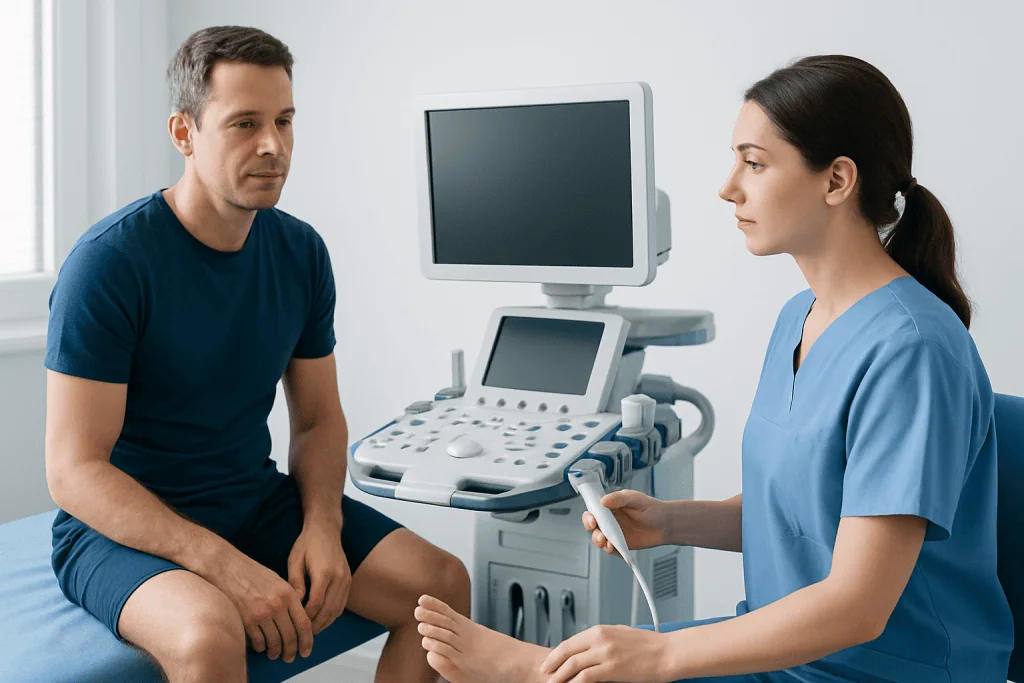
Burning feet can feel different from person to person. Some describe mild warmth, while others feel intense burning, pins and needles, electric-shock sensations, or pain that interferes with sleep. Symptoms may come and go or gradually become more constant over time.
Associated symptoms can help identify the cause. Nerve-related burning may occur with numbness, reduced sensation, hypersensitivity to touch, imbalance, or weakness. Skin-related causes may produce itching, peeling, cracking, blisters, or redness. Mechanical causes may feel worse in certain shoes or after activity. Vascular causes may bring color change, cramping, coldness, or pain with walking.
Common accompanying features include:
- Tingling or pins and needles
- Numbness in the toes or soles
- Sharp, shooting, or aching pain
- Redness or warmth of the skin
- Swelling
- Itching, scaling, or rash
- Sensitivity to bed sheets or touch at night
- Difficulty walking comfortably
If burning feet are associated with symptoms elsewhere, such as hand numbness, back pain, dizziness, or weight loss, this broader pattern can provide important clues. A clinician may consider disorders affecting the nerves more generally, including peripheral neuropathy, rather than focusing only on the feet themselves.
Common causes and risk factors

A leading cause of burning feet is peripheral nerve damage or irritation. Diabetes is one of the best-known reasons because high blood sugar over time can injure the small nerves in the feet. However, diabetes is not the only explanation. Vitamin B deficiencies, thyroid disorders, kidney disease, alcohol use, certain medications, autoimmune disease, infections, and inherited nerve disorders can also contribute.
Local problems in the feet are also common. These include athlete’s foot, contact dermatitis, dry cracked skin, overuse injuries, poorly fitting footwear, prolonged standing, and nerve compression. Conditions such as tarsal tunnel syndrome can trap a nerve near the ankle and cause burning, tingling, or numbness in the sole. In some people, lower back disorders may irritate spinal nerve roots and send burning pain into the foot.
Less common but important causes include circulation problems, inflammatory arthritis, and erythromelalgia, a condition in which episodes of burning, warmth, and redness are triggered by heat or activity. Risk factors that make burning feet more likely include older age, diabetes or prediabetes, obesity, alcohol misuse, nutritional deficiency, repetitive strain, and wearing tight or unsupportive shoes. Because nerve symptoms may overlap with circulation symptoms, a doctor may sometimes evaluate for conditions such as peripheral artery disease when the history suggests reduced blood flow.
Not every case has a serious cause. Temporary burning after exercise, heat exposure, or hours in tight footwear can happen even in otherwise healthy people. The key issue is whether the symptom settles promptly or becomes frequent, unexplained, or progressive.
How doctors diagnose burning feet
Diagnosis starts with a detailed history and physical examination. The clinician usually asks when the burning began, whether it affects one or both feet, whether it is worse at night, and whether there is numbness, weakness, swelling, rash, back pain, or trouble walking. Questions about diabetes, alcohol use, medications, diet, occupation, and family history can be highly relevant.
The examination often includes checking skin condition, temperature, pulses, reflexes, balance, muscle strength, and how the feet respond to light touch or vibration. This helps distinguish whether the main issue appears to be nerve-related, dermatologic, mechanical, or vascular. If there is concern about blood flow, the doctor may recommend vascular testing such as Doppler ultrasound to assess circulation.
Tests are chosen based on the likely cause rather than ordered routinely for everyone. They may include blood tests for blood sugar, vitamin levels, thyroid function, kidney function, or inflammation; fungal testing if infection is suspected; nerve studies if neuropathy is possible; or imaging if there may be a pinched nerve or structural problem. In selected patients, advanced evaluation with electromyography (EMG) and nerve conduction studies helps confirm whether the nerves are affected and how severely.
Careful diagnosis matters because treatment for burning feet depends on the underlying problem. For example, antifungal treatment helps athlete’s foot, but it will not treat diabetic neuropathy; similarly, neuropathic pain treatments do not fix poorly fitting shoes or contact allergies.
Treatment options based on the cause
There is no single treatment that works for all burning feet. The most effective plan targets the underlying cause and also aims to relieve symptoms. If diabetes or prediabetes is involved, improving blood sugar control is central. If a vitamin deficiency, thyroid disorder, fungal infection, or medication side effect is identified, treating that issue may reduce or resolve symptoms.
For nerve-related burning, doctors may recommend medicines used for neuropathic pain, along with foot protection and monitoring to prevent unnoticed injuries. In compression problems, treatment may include rest, activity changes, physical therapy, orthotics, or supportive footwear. If back-related nerve irritation is suspected, evaluation and management may overlap with care for sciatica treatment or other spine-related conditions.
Skin and soft-tissue causes often improve with practical steps such as keeping the feet clean and dry, using antifungal creams when indicated, moisturizing dry skin, and avoiding irritants. Footwear changes can make a major difference: shoes should be wide enough, breathable, and supportive, with socks that reduce friction and moisture buildup.
Persistent, severe, or complex symptoms may require a multidisciplinary plan involving neurology, endocrinology, dermatology, orthopedics, or vascular specialists. Near the end of a patient journey, some people seek evaluation at centers such as Acibadem International, where multidisciplinary specialists in JCI-accredited hospitals diagnose and treat underlying causes of burning feet for international patients.
Self-care, prevention, and everyday foot protection
Self-care can reduce discomfort and help prevent complications, especially when burning feet are linked to diabetes or nerve damage. It is generally safest to focus on foot protection rather than trying unproven remedies. Very hot or very cold foot soaks are not advisable because reduced sensation can increase the risk of burns or skin injury.
Helpful daily measures include wearing comfortable shoes with enough room in the toe box, changing damp socks promptly, and avoiding long periods in tight or non-breathable footwear. People who stand for many hours may benefit from cushioned insoles, scheduled breaks, and checking whether symptoms improve when pressure on the feet is reduced.
Practical prevention steps include:
- Checking the feet daily for cuts, blisters, redness, or swelling
- Keeping skin clean and dry, especially between the toes
- Moisturizing dry skin, but not applying cream between the toes unless advised
- Managing diabetes, blood pressure, and cholesterol as recommended
- Eating a balanced diet to support vitamin and nerve health
- Limiting alcohol if advised by a doctor
- Seeking prompt care for fungal infection, wounds, or shoe-related pressure points
If symptoms are recurrent, keeping a short diary can be useful. Recording the timing, triggers, shoe type, activity level, and associated symptoms may help identify patterns and guide a doctor toward the most likely cause.
When to seek medical care
Burning feet should be medically assessed if the symptom lasts more than a short time, keeps returning, or is getting worse. Evaluation is also important when burning comes with numbness, weakness, balance problems, or pain that disturbs sleep, because these features may suggest nerve involvement that benefits from early treatment.
Prompt medical attention is especially important if there is a foot wound, ulcer, spreading redness, fever, significant swelling, or signs of infection. Urgent assessment is also warranted for sudden one-sided weakness, sudden severe back pain with leg symptoms, a cold pale foot, or sudden severe pain with color change, since these patterns may reflect a more serious problem.
People with diabetes should be particularly cautious. Even mild burning can coexist with reduced sensation, making injuries easier to miss. Regular foot checks and timely medical review can help prevent complications and preserve mobility.
Frequently asked questions
Are burning feet always a sign of diabetes?
No. Diabetes is a common cause, but burning feet can also result from vitamin deficiencies, nerve compression, skin infections, footwear problems, alcohol-related nerve damage, thyroid disease, and other conditions. A proper evaluation is important because treatment depends on the cause.
Why are burning feet often worse at night?
Nerve-related symptoms often feel more noticeable at night because there are fewer distractions and the feet are not moving as much. Bed sheets touching sensitive skin can also make the sensation seem stronger. Night-time worsening does not confirm one specific diagnosis, but it is a useful clue for a clinician.
Can tight shoes cause burning feet?
Yes. Tight, narrow, or non-breathable shoes can increase pressure, friction, and heat, which may irritate nerves and soft tissues. If symptoms improve after changing footwear, that may be part of the explanation, although persistent symptoms still deserve attention.
What is the difference between burning feet and poor circulation?
Burning feet are a sensation, while poor circulation is one possible cause among many. Circulation problems more often involve cramping with walking, color change, coldness, slow-healing wounds, or reduced pulses. A doctor can help determine whether the problem is more likely related to nerves, skin, mechanics, or blood flow.
Can burning feet go away on their own?
Sometimes they can, especially if the trigger is temporary, such as overheating, prolonged standing, or tight shoes. However, symptoms that continue, worsen, or recur should not be ignored because early treatment of underlying conditions may prevent progression.
Should a person with burning feet exercise?
In many cases, gentle activity is still helpful, but the right plan depends on the cause and the condition of the feet. People with diabetes, numbness, ulcers, or significant pain should ask a clinician what activities are safest. Supportive footwear and gradual progression are generally important.
References
- American Diabetes Association
- National Institute of Neurological Disorders and Stroke
- National Institute of Diabetes and Digestive and Kidney Diseases
- Mayo Clinic
- Merck Manual Consumer Version
This article is for general information only and is not a substitute for professional medical advice. Please consult a qualified doctor about your individual situation.
Explore treatments in Turkey — costs, top hospitals & a free quote
JCI-accredited · board-certified surgeons · reply within 24h
Add us as a Preferred Source to see more of our trusted health content across Google Search, AI Overviews and Discover.

More from the Health Library

Pericholecystic Fluid — Explained by Medical Evidence, Not Myths

Pneumonic: An Evidence-Based Guide for Patients

Bypsee: Symptoms, Causes, and Treatment — Complete Patient Guide

Belsomra — Explained by Medical Evidence, Not Myths

Ttp Medical Abbreviation: An Evidence-Based Guide for Patients

Jellyfish Sting: What Patients Need to Know
Aesthetic Plastic & Reconstructive Surgery Specialists at Acibadem

Dr. Abdullah Etöz
Aesthetic Plastic & Reconstructive Surgery
Assoc. Prof. Dr. Ahmet Küçükçelebi
Aesthetic Plastic & Reconstructive Surgery
Dr. Ayşe İrem İskenderoğlu
Aesthetic Plastic & Reconstructive Surgery
Asst. Prof. Dr. Berkhan Yılmaz
Aesthetic Plastic & Reconstructive Surgery