Sutab: What Patients Need to Know

Sutab is a tablet-based bowel preparation used before colonoscopy, not a treatment for constipation. A clear colon helps improve colonoscopy accuracy and may reduce the need to repeat the test.
Key Takeaways
- Sutab is a tablet-based bowel preparation used before colonoscopy, not a treatment for constipation.
- A clear colon helps improve colonoscopy accuracy and may reduce the need to repeat the test.
- Common side effects include nausea, bloating, abdominal discomfort, and vomiting.
- People with kidney disease, heart conditions, dehydration risk, or certain medication use may need closer medical guidance.
- Following the exact timing for tablets and clear liquids is essential for safe and effective bowel cleansing.
Sutab is a prescription tablet bowel preparation used before a colonoscopy to empty and clean the bowel so the doctor can see the colon clearly. Patients commonly want to know how it is taken, what side effects to expect, and who should use extra caution before starting it.
Overview: What is Sutab?
Sutab is a prescription bowel preparation taken before a colonoscopy. It contains a combination of salts that draw water into the intestines, leading to frequent bowel movements that clear stool from the colon. This cleansing is important because even a small amount of leftover stool can make it harder for the doctor to examine the lining of the bowel.
Unlike some bowel preps that come as large-volume liquids, sutab is taken as tablets along with a required amount of water or other approved clear liquids. Many patients ask about sutab because they prefer tablets over drinking a large prep solution. Even so, adequate fluid intake remains a key part of the process, since the tablets are designed to work with specific hydration instructions.
Sutab is not a general digestive medicine and is not meant for routine constipation relief. It is used only for bowel cleansing before colonoscopy, a test that helps detect colon polyps, inflammation, bleeding sources, and colon cancer. A clinician will decide whether this preparation is appropriate based on the patient’s medical history, current medicines, and overall health.
How Sutab Works and Why Bowel Prep Matters
The active ingredients in sutab are osmotic salts. In simple terms, they pull water into the bowel, soften stool, and stimulate evacuation. The result is repeated loose stools over several hours, ideally leaving the colon clean enough for a careful examination during colonoscopy.
A thorough bowel prep is one of the most important parts of a successful colonoscopy. If the colon is not clean, small polyps or other abnormalities may be hidden. In some cases, inadequate preparation can mean the procedure takes longer, provides less reliable information, or has to be repeated on another day.
Most patients are advised to follow a clear-liquid diet for a period before the test and to avoid certain foods in the days leading up to it. The exact plan can differ between clinics, so the safest approach is to follow the instructions given by the prescribing doctor or endoscopy center rather than relying on a friend’s or family member’s experience.
- Sutab helps empty the bowel before colonoscopy.
- It works best when taken exactly as prescribed.
- Drinking the full recommended amount of clear liquids is essential.
- A clean colon improves the quality and accuracy of the exam.
How Patients Usually Take Sutab

Sutab is commonly used in a split-dose schedule, which means one part is taken the evening before the colonoscopy and the second part is taken the next day, several hours before the procedure. This timing often provides better cleansing than taking everything at once. Patients should use only the schedule provided by their doctor, because timing can vary depending on the appointment hour and other medical factors.
Each dose is taken with a set amount of water, followed by additional clear liquids. This is important not only for effectiveness but also for safety. Swallowing the tablets without enough fluid can increase discomfort and may make the preparation less effective.
Clear liquids may include water, clear broth, plain tea or coffee without milk, and certain electrolyte drinks, depending on the clinic’s instructions. Red or purple liquids are often avoided because they can sometimes affect how the bowel appears during the test. Patients should also ask whether and when to stop medications such as iron, diabetes medicines, blood thinners, or diuretics before the exam.
Because bowel movements can start quickly and become frequent, many people find it helpful to stay near a bathroom, wear comfortable clothing, and protect the skin around the anus with a barrier ointment or soft wipes. Planning ahead can make the prep more manageable and less stressful.
Common Side Effects and Possible Risks
The most common side effects of sutab are nausea, abdominal fullness, bloating, cramping, and vomiting. These symptoms are usually related to the bowel-cleansing process itself and often improve once the preparation is completed. Chilling allowed liquids, taking brief pauses between tablets if instructed, and staying close to the recommended schedule may help some patients tolerate the prep better.
Because sutab causes substantial fluid loss through diarrhea, dehydration is an important concern. Patients may feel weak, thirsty, dizzy, or develop a headache if they do not drink enough clear liquids. For this reason, following hydration instructions is just as important as taking the tablets themselves.
Sutab can also affect the body’s salt and fluid balance. People with kidney disease, heart failure, swallowing problems, bowel obstruction risk, severe colitis, or a history of electrolyte disturbances may need a different bowel prep or closer supervision. Caution is also important for older adults and for those taking medicines that affect the kidneys or fluid balance.
Less commonly, serious complications can occur, including severe dehydration, significant electrolyte abnormalities, or worsening kidney problems. These problems are not expected in most patients, but they are the reason a clinician should review the patient’s full medication list and health history before prescribing the preparation.
Who Should Use Extra Caution Before Taking Sutab
Sutab is not the best option for everyone. A doctor may recommend extra caution or an alternative prep for patients with impaired kidney function, congestive heart failure, major liver disease, active inflammatory bowel disease flare, or conditions that raise the risk of dehydration. Patients with trouble swallowing tablets may also need a different approach.
Medication review is especially important. Diuretics, some blood pressure medicines, nonsteroidal anti-inflammatory drugs, and certain antidepressants or seizure medicines can influence hydration or electrolyte balance. Diabetes medicines may also need temporary adjustment because food and fluid intake changes before colonoscopy.
People with digestive symptoms such as severe abdominal pain, persistent vomiting, constipation that is difficult to treat, or a prior incomplete bowel prep should mention this in advance. In some situations, the doctor may modify the diet, add another laxative, or choose a different bowel cleansing plan. Patients being assessed for concerns such as colon polyps or bleeding may especially benefit from a prep plan tailored to their history.
Pregnant or breastfeeding patients should seek individual medical advice before using any bowel prep. The prescribing clinician can weigh the need for the colonoscopy against possible risks and choose the most suitable regimen.
What to Expect on Colonoscopy Day
By the time the bowel prep is complete, bowel movements should usually become watery and much clearer, often yellow or light in color. If the output remains heavily brown or contains a large amount of solid stool close to the procedure time, the patient should contact the endoscopy center for guidance. A poorly cleaned bowel may limit what the doctor can see.
On the day of the procedure, patients are generally asked to stop drinking liquids a certain number of hours before sedation. Exact timing matters, because the stomach should be empty enough for the procedure to be done safely. It is also usually necessary to arrange for another adult to provide transportation home after sedation.
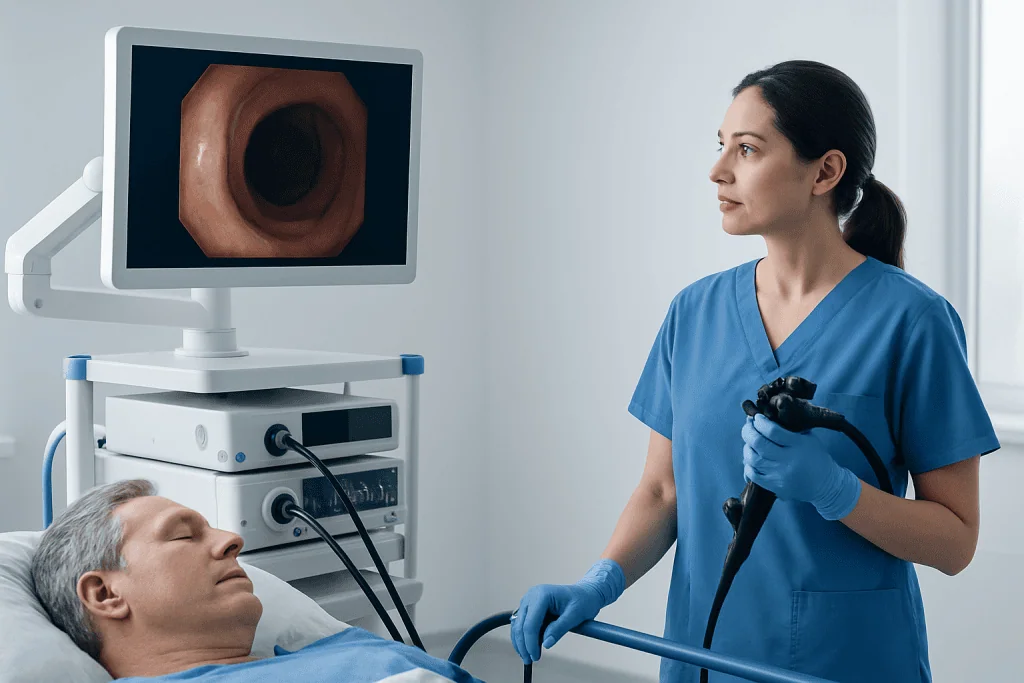
During the colonoscopy, the doctor examines the lining of the large intestine and may remove polyps or take biopsies if needed. If further evaluation or treatment is required, this may involve additional digestive care such as gastroenterology follow-up. A good prep helps the care team make the most of the procedure and reduces the chance that findings will be missed.
When to Seek Medical Care
Most side effects from sutab are temporary and manageable, but some symptoms should prompt medical advice. Patients should contact a healthcare professional if they cannot keep fluids down, have little or no urine output, feel faint, develop confusion, or have severe ongoing vomiting. These can be signs of dehydration or electrolyte imbalance.
Urgent medical attention is needed for severe chest pain, trouble breathing, signs of an allergic reaction such as swelling or hives, or severe abdominal pain with a swollen abdomen and no bowel movements. Heavy rectal bleeding, black stools unrelated to the prep, or sudden weakness also deserve prompt assessment.
Patients should also call the endoscopy center if they accidentally take the prep incorrectly, miss a dose, or are unsure whether the bowel is clean enough for the test. It is safer to ask for guidance than to proceed with an ineffective or poorly tolerated prep.
Practical Self-care Tips and Follow-up
Patients often do best when they prepare the day before the prep begins. Keeping approved clear liquids at home, arranging a light schedule, and staying near a bathroom can reduce stress. Soft toilet tissue, wet wipes without irritants, and a protective skin ointment may help with irritation from frequent bowel movements.
After the colonoscopy, patients can usually return to regular eating gradually unless the doctor advises otherwise. Mild bloating or gas may occur for a short time, especially if air was used during the procedure. If polyps were removed or biopsies were taken, the care team may give temporary diet or activity instructions.
Long-term colon health depends not only on the procedure but also on appropriate follow-up. The doctor will explain when another colonoscopy is needed based on age, symptoms, family history, and findings. If a patient has ongoing digestive symptoms, care may extend beyond the procedure to broader evaluation and management. Acibadem International’s multidisciplinary specialists in JCI-accredited hospitals diagnose and treat digestive conditions for international patients, including endoscopic assessment and related care such as endoscopy.
Frequently asked questions
Is sutab a laxative?
Sutab acts as a bowel-cleansing medicine and works in a laxative-like way before colonoscopy. However, it is not intended for everyday constipation treatment or regular use. It should be used only under medical guidance for bowel preparation.
Is sutab easier than drinking liquid bowel prep?
Some patients prefer sutab because it is taken as tablets rather than as a large-volume prep solution. Even so, it still requires drinking a substantial amount of clear liquids for it to work properly. Tolerance varies from person to person, so one option is not automatically easier for everyone.
What are the most common sutab side effects?
The most common side effects are nausea, bloating, stomach cramps, vomiting, and frequent watery stools. These are expected to some degree during bowel cleansing. Severe dizziness, inability to drink fluids, or signs of dehydration should be reported promptly.
Can patients take their usual medicines with sutab?
Some medicines can be continued, but others may need to be timed differently or temporarily adjusted before colonoscopy. This is especially true for diabetes medicines, diuretics, iron supplements, and blood thinners. Patients should follow the instructions of their prescribing doctor and endoscopy team.
What if the bowel movements are not clear before the colonoscopy?
If the stool remains thick, brown, or contains a lot of solid material close to the procedure time, the patient should contact the endoscopy center. The team may give additional instructions or decide whether the exam needs to be rescheduled. A clear bowel is important for an accurate test.
Who should avoid sutab or discuss alternatives?
Patients with kidney disease, significant heart problems, swallowing difficulties, severe dehydration risk, or certain digestive conditions should discuss whether sutab is appropriate. Older adults and those taking medicines that affect kidney function or body salts may also need extra caution. A doctor can recommend the safest bowel prep for the individual situation.
This article is for general information only and is not a substitute for professional medical advice. Please consult a qualified doctor about your individual situation.
Persistent digestive symptoms? Get evaluated in Turkey
JCI-accredited · board-certified surgeons · reply within 24h
Add us as a Preferred Source to see more of our trusted health content across Google Search, AI Overviews and Discover.

More from the Health Library

Enmeshment: What Patients Need to Know

C Auris: An Evidence-Based Guide for Patients

Pineapple — Explained by Medical Evidence, Not Myths

Permethrin Cream: What Patients Need to Know

Brand New Fitbit Charge 5 Smart Watch — Explained by Medical Evidence, Not Myths