Brand New Fitbit Charge 5 Smart Watch — Explained by Medical Evidence, Not Myths
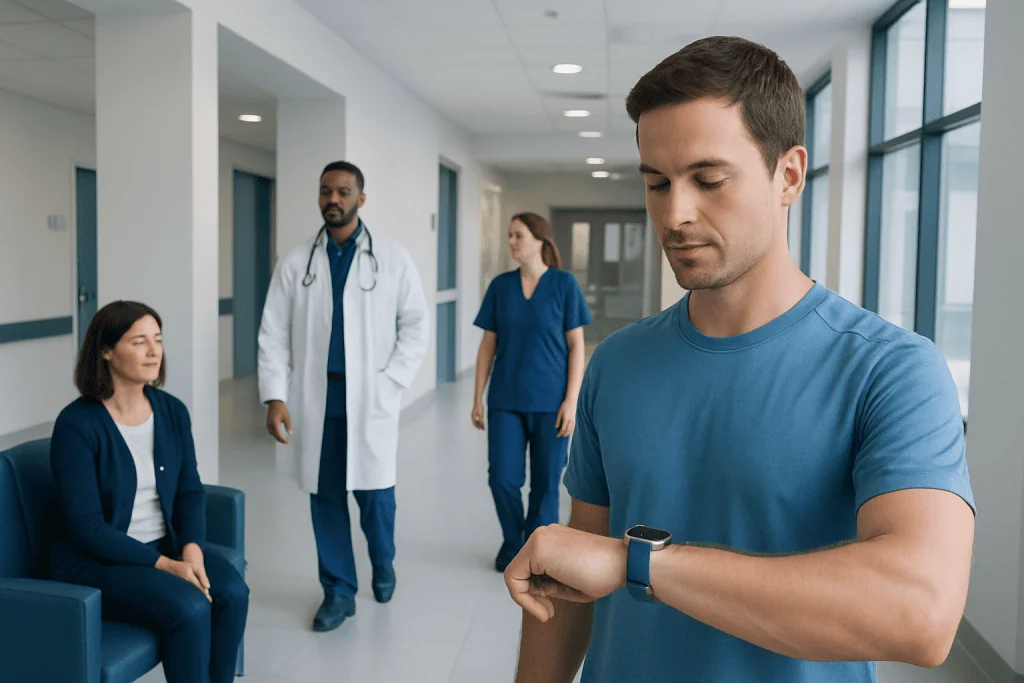
The Fitbit Charge 5 is a consumer wellness device, not a medical diagnostic device. Its heart rate, sleep, activity, and ECG-related features may be informative, but results can be affected by motion, skin contact, and individual factors.
Key Takeaways
- The Fitbit Charge 5 is a consumer wellness device, not a medical diagnostic device.
- Its heart rate, sleep, activity, and ECG-related features may be informative, but results can be affected by motion, skin contact, and individual factors.
- Wearable data can help people notice trends over time, especially for exercise, sleep routines, and recovery.
- Abnormal readings should not be ignored, but they should be confirmed by a qualified clinician.
- Urgent symptoms such as chest pain, fainting, severe shortness of breath, or stroke warning signs need prompt medical care regardless of smartwatch readings.
The brand new fitbit charge 5 smart watch can help people track activity, sleep, heart rate, and stress-related metrics, but medical evidence does not support using it as a stand-alone diagnostic tool. Its data may be useful for habits and conversations with a doctor when interpreted carefully and in context.
What the brand new Fitbit Charge 5 smart watch can and cannot do
The brand new fitbit charge 5 smart watch is best understood as a consumer health and wellness tracker. Medical evidence supports the idea that wearable devices can help many people pay closer attention to movement, sleep habits, heart rate patterns, and recovery. However, that is different from diagnosing a disease, confirming a dangerous heart rhythm, or ruling out a serious medical problem.
In practical terms, the device may be useful for building awareness. It can encourage regular exercise, show approximate heart rate trends during activity, and help users notice changes in sleep or daily routine. For some people, these insights support healthier choices and can provide helpful background information during a medical appointment.
At the same time, no smartwatch should be treated as a substitute for a doctor, an electrocardiogram performed in a clinic, blood pressure measurement with validated equipment, or laboratory testing. If a reading seems unusual, the safest approach is to interpret it as a signal to look more closely rather than as a definite diagnosis.
Features commonly linked to health monitoring
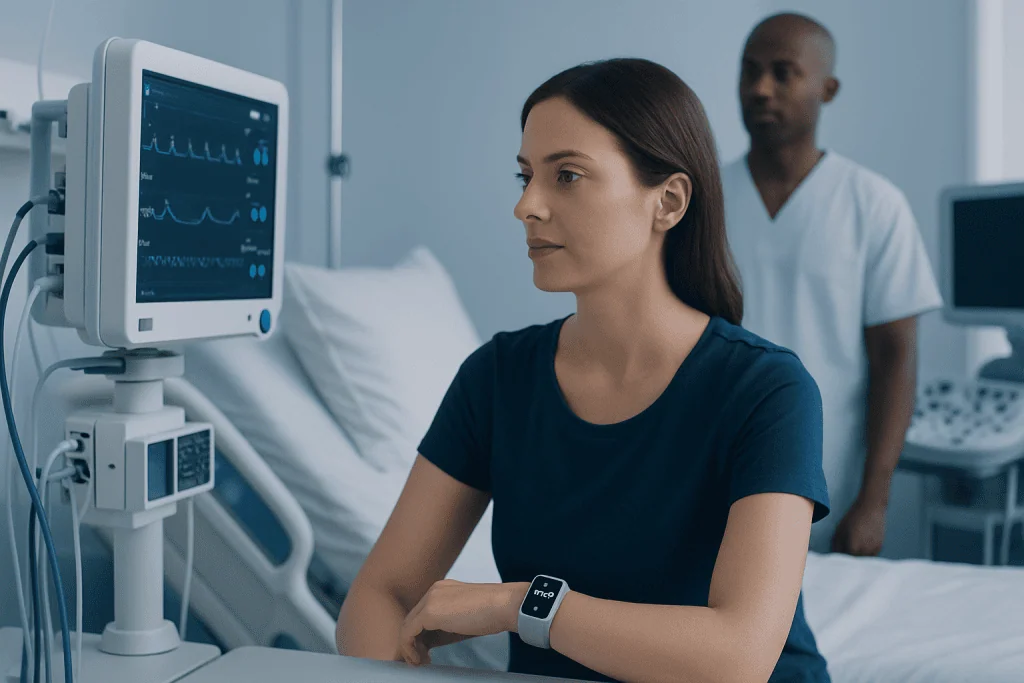
The Fitbit Charge 5 is commonly discussed in relation to several health-related features: heart rate monitoring, exercise tracking, sleep tracking, stress-related metrics, and an ECG function in supported settings. These tools are designed to estimate or detect patterns that may matter for everyday wellness. Their strength is trend monitoring over time rather than one-time medical decision-making.
Continuous or near-continuous heart rate tracking may help users understand resting heart rate, workout intensity, and changes during recovery. A lower or improving resting heart rate over time can sometimes reflect better cardiovascular fitness, although age, medications, fever, dehydration, stress, and thyroid conditions can all influence heart rate as well.
Sleep tracking may estimate sleep duration and stages using movement and heart rate patterns. This can be useful for identifying habits such as irregular bedtimes or frequent sleep disruption, but sleep staging from consumer wearables is not equivalent to formal sleep testing. If a person has symptoms such as loud snoring, gasping, severe daytime sleepiness, or pauses in breathing, medical assessment for conditions such as sleep apnea is more reliable than smartwatch data alone.
Some users are most interested in ECG or rhythm-related functions. These may help flag an irregular rhythm pattern in certain circumstances, but they do not detect every abnormal rhythm and cannot exclude heart disease. A normal smartwatch result does not rule out conditions such as arrhythmia or other heart problems when symptoms are present.
What medical evidence says about accuracy
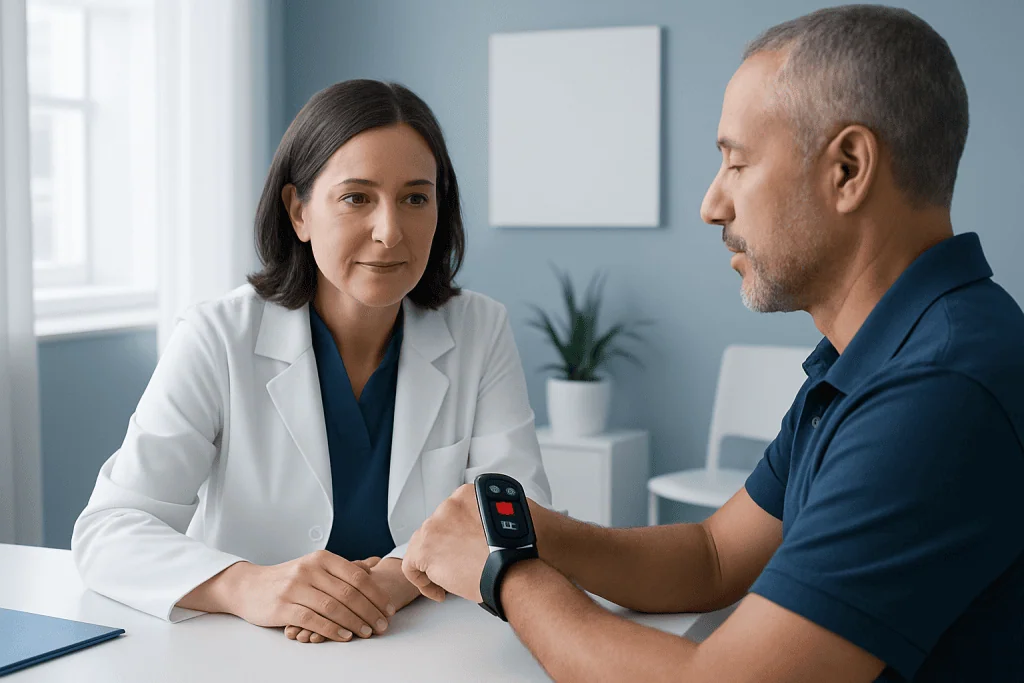
Research on consumer wearables shows that accuracy varies by feature and by the situation in which the device is used. Step counts are often reasonably useful for daily activity tracking, especially on level walking, but they may be less accurate during cycling, pushing a stroller, using walking aids, or moving the arms in unusual ways. Heart rate estimates are often more reliable at rest than during high-intensity exercise or activities with substantial wrist motion.
Optical heart rate sensors work by detecting blood flow changes in the skin. Because of this, readings can be influenced by device fit, skin temperature, perspiration, motion, tattoos, circulation differences, and how snugly the band is worn. This does not mean the device is unhelpful; it means the number should be viewed as an estimate, especially if it does not match how the user feels.
ECG-capable consumer devices may be able to detect patterns suggestive of atrial fibrillation in some adults, but they are not designed to identify every rhythm problem. They also cannot diagnose chest pain, blocked arteries, heart failure, or stroke risk on their own. Someone with palpitations, dizziness, or fainting may still need formal testing such as an office ECG, ambulatory monitoring, or a cardiology evaluation.
Sleep and stress-related scores are also approximations. They may be helpful for noticing routines and changes, but they should not be treated as definitive evidence of a sleep disorder, anxiety disorder, or hormonal problem. Medical interpretation remains important when symptoms persist.
How wearable data may support healthy habits
One of the most evidence-based benefits of a device like the Fitbit Charge 5 is behavior support. People often become more consistent with movement when they can see steps, active minutes, or exercise frequency. Even when the exact numbers are not perfect, regular feedback can reinforce habits that are known to improve health, such as walking more, sitting less, and keeping a steadier sleep schedule.
Heart rate trends may also help users pace workouts. For example, noticing whether a walk feels easy while heart rate stays in a moderate range can support safe exercise progression for many adults. This can be especially useful for people rebuilding fitness after a sedentary period, as long as they follow individualized advice if they have known heart, lung, or metabolic disease.
Sleep summaries may encourage practical changes such as reducing late caffeine, keeping a regular bedtime, or limiting screen use before sleep. Stress-related prompts can also remind users to pause and use breathing or relaxation techniques. These are wellness applications, not medical treatment, but they can complement clinician-guided care.
For people already being evaluated for symptoms, a log of heart rate trends, exercise tolerance, sleep timing, and symptom episodes may make clinical conversations more specific. In some cases, specialists may still recommend tests such as Holter monitoring or formal sleep studies when more precise data is needed.
Common myths and misunderstandings
A common myth is that a smartwatch can confirm that the heart is healthy if its readings appear normal. In reality, a normal heart rate or normal device rhythm message does not rule out blocked arteries, valve disease, intermittent rhythm abnormalities, or other cardiovascular conditions. Symptoms and clinical history still matter.
Another misunderstanding is that abnormal readings always mean something dangerous. Short-term changes in heart rate can happen with exercise, dehydration, poor sleep, fever, anxiety, alcohol, or certain medications. A single unusual value may not be significant, but repeating patterns or readings that occur along with symptoms deserve medical review.
Some people also assume sleep scores can diagnose insomnia or sleep apnea. Wearables may suggest a sleep problem is worth investigating, but they cannot replace a full assessment. If there is concern about poor-quality sleep, snoring, breathing pauses, or severe tiredness, a clinician may recommend a dedicated evaluation and, when needed, a sleep study.
Finally, wearable alerts should not create false reassurance or unnecessary fear. They are best used as supportive tools for observation and self-awareness, with decisions guided by symptoms, medical history, and professional advice.
How to use the device more safely and meaningfully
For the most useful readings, the device should be worn according to manufacturer instructions, with comfortable but secure skin contact. Readings are usually more consistent when the band is not overly loose and the sensor remains in good contact during rest and exercise. Keeping the device clean and charged also improves consistency.
It helps to focus on trends rather than isolated numbers. For example, changes in resting heart rate over weeks, repeated sleep disruption, or a steady decline in daily activity may be more meaningful than one unusual measurement. Writing down symptoms such as palpitations, breathlessness, dizziness, or poor sleep at the same time can make the data more clinically useful.
Users should be cautious about making medication changes or delaying care because of smartwatch readings. High-risk conditions such as atrial fibrillation, coronary artery disease, infection, and thyroid disease require proper evaluation. If a clinician is already involved, bringing device summaries to the appointment may help, but the clinician will interpret them alongside examination and standard tests.
Near the end of the care pathway, some people may benefit from specialist review if wearable data repeatedly suggests an issue or if symptoms continue. Acibadem International’s multidisciplinary specialists and JCI-accredited hospitals diagnose and treat related conditions for international patients when more detailed medical assessment is needed.
When to seek medical care
Medical care is appropriate if the device repeatedly shows irregular rhythm alerts, unexplained resting heart rate changes, or persistent low exercise tolerance, especially when these findings match symptoms. A clinician can decide whether formal tests are needed and whether the device data adds useful context.
Prompt medical attention is important for warning symptoms regardless of what the watch shows. These include chest pain, fainting, severe shortness of breath, one-sided weakness, difficulty speaking, blue lips, or a racing or irregular heartbeat that does not settle. In these situations, a smartwatch should never delay emergency assessment.
Medical review is also sensible when sleep data appears abnormal and the person has loud snoring, witnessed breathing pauses, morning headaches, daytime sleepiness, or poor concentration. These symptoms may point to a treatable sleep disorder rather than just poor sleep habits.
The bottom line on evidence and expectations
The brand new fitbit charge 5 smart watch can be a helpful wellness companion for many people. Its strongest value lies in encouraging healthier routines and showing trends in activity, sleep, and heart rate over time. For motivated users, that can support exercise consistency, sleep awareness, and more informed conversations with healthcare professionals.
What it cannot do is replace clinical judgment, validated medical testing, or emergency care. The most balanced, evidence-based view is that wearable data is useful when it is interpreted cautiously and paired with attention to symptoms and risk factors. When questions remain, a qualified doctor can determine whether findings are reassuring, need monitoring, or require more formal evaluation.
Frequently asked questions
Is the brand new Fitbit Charge 5 smart watch a medical device?
It is primarily a consumer wellness device, even though some features relate to health monitoring. It can provide useful estimates and alerts, but it does not replace diagnosis, examination, or standard medical testing.
Can Fitbit Charge 5 detect a heart problem?
It may help identify patterns such as changes in heart rate or possible rhythm irregularity in some situations. However, it cannot rule out heart disease, and abnormal or normal results should be interpreted together with symptoms and a doctor’s assessment.
How accurate is the heart rate reading on a smartwatch?
Heart rate readings are often reasonably useful at rest and during steady activity, but accuracy may fall during intense exercise or heavy wrist movement. Fit, skin contact, circulation, and motion can all affect the result.
Can sleep tracking diagnose sleep apnea or insomnia?
No. Sleep tracking can suggest patterns that may need attention, but it cannot confirm sleep apnea, insomnia, or other sleep disorders. If symptoms are significant, a clinician may recommend formal sleep evaluation.
Should a person worry about one unusual reading?
A single unusual value is not always a sign of disease. Hydration, stress, poor sleep, illness, exercise, and medications can all influence readings, but repeated abnormalities or symptoms should be discussed with a doctor.
When is smartwatch data most useful to a doctor?
It is most helpful when it shows trends over time and is paired with a symptom diary. Information such as when palpitations happened, how long they lasted, and what the heart rate was can support more focused clinical evaluation.
This article is for general information only and is not a substitute for professional medical advice. Please consult a qualified doctor about your individual situation.
Heart care in Turkey — expert evaluation and treatment
JCI-accredited · board-certified surgeons · reply within 24h
Add us as a Preferred Source to see more of our trusted health content across Google Search, AI Overviews and Discover.
Check your numbers in seconds
BMI, calories, due date, blood pressure and 30+ more clinical calculators — free, instant, doctor-reviewed ranges.

More from the Health Library

Schizoid — Explained by Medical Evidence, Not Myths

Y.u.z.u — Explained by Medical Evidence, Not Myths

Inattentive ADHD: A Complete Medical Overview

Eye Socket — Explained by Medical Evidence, Not Myths

Sugar Addiction: An Evidence-Based Guide for Patients