Stomach Swelled: What Patients Need to Know

A stomach that looks or feels swelled can come from gas, constipation, fluid buildup, inflammation, or enlarged organs. Temporary bloating after meals is common, but persistent, worsening, or painful swelling needs medical review.
Key Takeaways
- A stomach that looks or feels swelled can come from gas, constipation, fluid buildup, inflammation, or enlarged organs.
- Temporary bloating after meals is common, but persistent, worsening, or painful swelling needs medical review.
- Warning signs include severe pain, vomiting, fever, weight loss, blood in stool, or a hard, rapidly enlarging abdomen.
- Diagnosis may include a physical exam, blood tests, stool tests, ultrasound, CT, or endoscopy depending on the suspected cause.
- Treatment depends on the cause and may involve diet changes, constipation care, treating infection or inflammation, or other targeted therapies.
A stomach that feels swelled most often refers to bloating or abdominal distension. It is commonly linked to gas, constipation, indigestion, or food intolerance, but ongoing, painful, or sudden swelling should be assessed by a doctor.
Overview: what it means when the stomach is swelled
If a person says their stomach is swelled, they usually mean the abdomen feels full, tight, larger than usual, or visibly distended. In many cases, this is due to bloating from gas, constipation, slow digestion, or certain foods. It can also describe fluid buildup, inflammation, or enlargement of an organ inside the abdomen.
The feeling may be temporary and mild, especially after a large meal. However, stomach swelling is a symptom rather than a diagnosis. The pattern matters: whether it comes and goes, happens after eating, causes pain, or is associated with nausea, bowel changes, or weight loss.
Many people use the words bloating and swelling interchangeably, but they are not always the same. Bloating is often the uncomfortable sensation of fullness, while distension means the abdomen actually increases in size. A doctor considers both symptoms, along with the person’s medical history and examination findings, to identify the cause.
Common symptoms that can happen with a swollen stomach
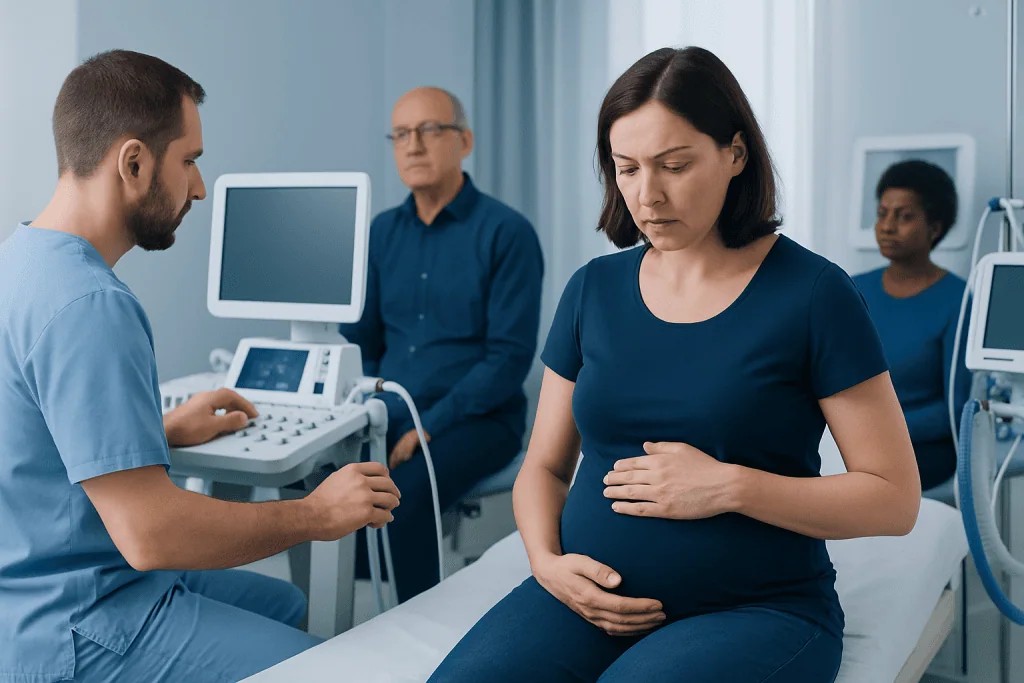
Stomach swelling can feel different from person to person. Some notice tight clothing by the end of the day, while others describe pressure, cramping, trapped gas, or a heavy sensation in the belly. The swelling may affect the whole abdomen or seem more noticeable in the upper or lower part.
Other symptoms often help narrow down the cause. Gas-related bloating may come with belching or passing gas. Constipation may cause infrequent bowel movements, straining, or a feeling of incomplete emptying. Indigestion can bring nausea, burning discomfort, or early fullness after meals.
A doctor may ask whether any of the following are present:
- Abdominal pain or tenderness
- Nausea or vomiting
- Diarrhea or constipation
- Loss of appetite or early satiety
- Heartburn or acid reflux
- Weight gain from fluid retention or unexplained weight loss
- Fever, fatigue, or blood in the stool
These associated features can suggest whether the cause is likely to be functional and temporary, or whether more urgent evaluation is needed.
Possible causes and risk factors

The most common reasons for a stomach that feels swelled are gas and constipation. Swallowed air, carbonated drinks, eating quickly, large meals, and high-fiber foods can all increase gas. Constipation can make the abdomen feel full and firm, especially when stool stays in the colon longer than usual.
Food intolerance is another frequent trigger. Some people react to lactose, certain fermentable carbohydrates, or gluten-containing foods. In other cases, the intestines are especially sensitive even without a structural disease, as can happen in irritable bowel syndrome. Hormonal changes, stress, and changes in routine can also affect bowel function and worsen bloating.
Sometimes swelling reflects a medical condition that needs treatment. Examples include indigestion, stomach inflammation, infection, bowel obstruction, liver disease with fluid buildup, ovarian problems, or inflammatory bowel conditions such as Crohn’s disease. A visible increase in abdominal size over time can also be due to weight gain, pregnancy, muscle weakness, or less commonly a mass.
Risk factors vary by cause but can include recent dietary changes, low fluid intake, low physical activity, certain medicines, prior abdominal surgery, chronic digestive disease, and liver or kidney problems. Because the causes are broad, persistent or unexplained stomach swelling should not be self-diagnosed for long periods.
How doctors evaluate a swollen stomach
Assessment usually begins with a careful history. The doctor may ask when the swelling started, whether it changes during the day, which foods seem to trigger it, and whether there is pain, vomiting, bowel changes, fever, or weight loss. They also review past digestive problems, medications, menstrual history if relevant, and prior surgeries.
A physical examination can offer important clues. The doctor checks whether the abdomen is soft or rigid, whether there is tenderness, increased bowel sounds, visible distension, or signs of fluid. They may also look for hernias or signs that point to liver, bowel, or gynecologic causes.
Tests are chosen based on the suspected cause. These may include blood tests, stool tests, an abdominal ultrasound, or a CT scan. If symptoms suggest a problem in the stomach or intestine, the person may need gastroscopy or colonoscopy to look directly at the digestive tract. Imaging such as abdominal ultrasound may be helpful when the concern is fluid buildup, organ enlargement, gallbladder disease, or a pelvic cause.
Not every episode of bloating needs extensive testing. Short-lived symptoms that clearly follow overeating or constipation may improve with simple measures. Testing is more likely if symptoms are severe, keep returning, or occur with warning signs.
Treatment options and symptom relief
Treatment depends on the underlying cause. If gas and bloating follow certain meals, dietary adjustments may help. Eating slowly, reducing carbonated beverages, identifying trigger foods, and spacing meals more evenly can lessen symptoms. For constipation, doctors often recommend more fluids, regular activity, and a bowel plan tailored to the person’s needs.
If a food intolerance is suspected, a clinician may advise a structured elimination approach rather than broad self-restriction. Indigestion, reflux, infections, or inflammation are treated differently, so professional guidance is important. Medicines may be used for constipation, acid-related symptoms, nausea, or intestinal spasms depending on the diagnosis.
When the swollen stomach is due to a more specific disease, treatment becomes targeted. This may include managing liver disease, treating bowel inflammation, addressing obstruction, or evaluating gynecologic causes. In selected cases, procedures or surgery are necessary if there is a structural problem rather than simple bloating.
Near the end of the care pathway, some patients benefit from multidisciplinary evaluation, especially when symptoms are recurring or difficult to explain. Acibadem International’s multidisciplinary specialists and JCI-accredited hospitals diagnose and treat digestive complaints for international patients when more detailed assessment is needed.
Self-care, prevention, and tracking triggers
Although not every cause can be prevented, many episodes of stomach swelling improve with practical daily habits. Smaller meals, slower eating, regular movement, and adequate hydration support normal digestion. Some people also feel better when they avoid lying down immediately after eating and limit very salty or heavily processed foods.
It can be useful to keep a simple symptom diary. Recording meals, bowel habits, stress levels, menstrual timing, and when the swelling occurs may reveal patterns. This information can help a doctor decide whether the issue is more likely related to gas, constipation, food intolerance, or another condition.
General self-care steps include:
- Eating at a steady pace and chewing thoroughly
- Drinking enough fluids unless a doctor has advised restriction
- Staying physically active
- Maintaining regular bowel habits
- Reviewing medicines with a doctor if symptoms began after a new prescription
- Seeking professional advice before using repeated over-the-counter remedies
Home measures are best for mild, occasional symptoms. If the abdomen is repeatedly swelling without a clear reason, or if self-care does not help, medical evaluation is the safest next step.
When to seek medical care
A person should arrange medical care if their stomach is swelled often, lasts for days, keeps returning, or is getting worse. Medical review is also important when swelling comes with poor appetite, ongoing constipation or diarrhea, heartburn that does not improve, or unexplained weight changes.
Prompt assessment is needed if there is severe or constant abdominal pain, repeated vomiting, fever, fainting, blood in the stool, black stools, a very hard abdomen, or sudden rapid enlargement of the belly. These symptoms can point to obstruction, infection, bleeding, or another urgent problem.
People with known liver disease, inflammatory bowel disease, cancer, recent abdominal surgery, or pregnancy should be especially cautious about new abdominal swelling. If symptoms feel different from usual or significantly limit daily activities, it is sensible to contact a qualified doctor rather than waiting for them to pass.
Frequently asked questions
Is a stomach swelled the same as bloating?
Often, yes, but not always. People commonly use the phrase to describe bloating, yet doctors distinguish between the sensation of fullness and true visible abdominal distension. Both can occur together, and the difference can help guide diagnosis.
Can constipation make the stomach look bigger?
Yes. When stool builds up in the bowel, the abdomen may feel tight, uncomfortable, and sometimes visibly enlarged. If constipation is persistent, painful, or associated with vomiting or inability to pass gas, medical advice is important.
When is a swollen stomach an emergency?
A swollen stomach needs urgent medical attention if it comes with severe pain, repeated vomiting, fever, fainting, blood in the stool, black stools, or a hard, rapidly enlarging abdomen. These signs may indicate a blockage, infection, bleeding, or another serious condition.
Can food intolerance cause a stomach to feel swelled?
Yes. Lactose intolerance and sensitivity to certain carbohydrates can lead to gas, cramping, and bloating after meals. A doctor or dietitian can help identify triggers safely without unnecessary dietary restriction.
How do doctors test the cause of stomach swelling?
Doctors start with symptom history and a physical examination. Depending on the findings, they may order blood tests, stool tests, ultrasound, CT, or procedures such as endoscopy or colonoscopy. The tests chosen depend on whether the cause seems functional, inflammatory, obstructive, or related to another organ.
Will a swollen stomach go away on its own?
Mild bloating from overeating, gas, or temporary constipation often settles with time and simple self-care. However, symptoms that recur, last several days, or are linked with pain or bowel changes should be professionally assessed. Persistent swelling should not be ignored.
This article is for general information only and is not a substitute for professional medical advice. Please consult a qualified doctor about your individual situation.
Persistent digestive symptoms? Get evaluated in Turkey
JCI-accredited · board-certified surgeons · reply within 24h
Add us as a Preferred Source to see more of our trusted health content across Google Search, AI Overviews and Discover.

More from the Health Library

Y 2.0 — Explained by Medical Evidence, Not Myths

Hormone Balancing Tea: An Evidence-Based Guide for Patients

Peeling Skin on the Pennis: An Evidence-Based Guide for Patients

Diphenoxylate Atropine: What Patients Need to Know

Impacted Tooth: A Complete Medical Overview
Healthy Teeth and Gums Through Daily Oral Care
Gastroenterology Specialists at Acibadem

Prof. Dr. Çetin Karaca (m)
Gastroenterology
Assoc. Prof. Dr. Diğdem Özer
Gastroenterology
Prof. Dr. Ebubekir Şenateş
Gastroenterology
Assoc. Prof. Dr. Emine Şatır
Gastroenterology