Hormone Balancing Tea: An Evidence-Based Guide for Patients

The phrase “hormone balancing tea” is a marketing term rather than a medical diagnosis or standardized treatment. Herbal teas may offer symptom comfort, but evidence that they meaningfully change hormone levels is limited.
Key Takeaways
- The phrase “hormone balancing tea” is a marketing term rather than a medical diagnosis or standardized treatment.
- Herbal teas may offer symptom comfort, but evidence that they meaningfully change hormone levels is limited.
- The safety and effectiveness of a tea depend on its individual ingredients, dose, preparation, and a person’s health conditions or medicines.
- Persistent menstrual changes, troublesome menopause symptoms, new hair growth, weight changes, or fatigue deserve medical assessment.
- Pregnant, breastfeeding, and people taking prescription medicines should ask a clinician or pharmacist before using herbal products regularly.
Hormone balancing tea is a popular wellness term for herbal teas marketed for menstrual, menopause, thyroid, stress, or fertility concerns. Some teas may help with comfort symptoms such as relaxation, mild digestive upset, or sleep, but no tea has been proven to “balance” hormones or treat an underlying hormonal condition.
What is hormone balancing tea?
Hormone balancing tea usually refers to an herbal tea or blend promoted for concerns linked to hormonal changes, including period symptoms, polycystic ovary syndrome (PCOS), menopause, stress, acne, sleep changes, or fertility. It is not a medical term, and there is no single tea formula, hormone test, or scientific standard that defines whether a tea “balances” hormones.
These products may contain one herb or a mixture of herbs such as peppermint or spearmint, chamomile, ginger, red clover, raspberry leaf, chasteberry, ashwagandha, licorice root, or green tea. Ingredients, quantities, and quality can vary substantially between brands. Therefore, a result seen with one preparation cannot be assumed for another.
For most people, an unsweetened herbal tea can be an enjoyable part of a daily routine. However, tea should be viewed as a beverage or complementary comfort measure—not as a replacement for evaluation and treatment of thyroid disease, diabetes, PCOS, menopause symptoms, menstrual disorders, or other health concerns.
What the evidence does and does not show
Research on herbal teas and hormone-related symptoms is often limited by small study sizes, short follow-up periods, varying preparations, and differences in participants’ health conditions. A few individual herbs have early or modest evidence for particular symptoms, but this does not establish that a commercial “hormone balance” blend changes hormones safely or predictably.
For example, chamomile tea may promote relaxation and may support sleep for some people. Ginger has evidence for easing nausea and may help some people with menstrual discomfort. Spearmint has been studied in small trials involving PCOS-related unwanted hair growth, but it is not an established treatment for PCOS and should not replace medical care. Red clover contains plant compounds called isoflavones, yet evidence for meaningful relief of hot flashes remains mixed.
It is important to separate symptom support from treatment of a cause. A warm caffeine-free drink may help a person wind down before bed, while adequate hydration and a regular routine may support general well-being. These benefits can be worthwhile, but they are different from correcting an endocrine disorder or restoring hormone levels to a particular target.
Claims that tea can “detox” hormones, reset the adrenal glands, cure infertility, or permanently normalize menstrual cycles are not supported by reliable evidence. Hormones are regulated through complex systems involving the brain, ovaries or testes, thyroid, adrenal glands, pancreas, liver, body fat, nutrition, sleep, medications, and many other factors.
Common ingredients and important cautions

Reading the complete label is essential. “Natural” does not automatically mean harmless, especially when herbs are concentrated, combined in multiple products, or used every day. A tea bag may contain a relatively small amount of an herb, but blends can still cause side effects or interact with medicines.
- Chamomile: Often used for relaxation. It may trigger allergic reactions in people sensitive to plants in the daisy family and may interact with certain medicines.
- Ginger: Commonly used for nausea and digestive comfort. People taking anticoagulant or antiplatelet medicines should seek advice before frequent or high-intake use.
- Licorice root: Can raise blood pressure and lower potassium levels when consumed regularly or in significant amounts. It may be unsuitable for people with heart, kidney, liver, or blood pressure conditions.
- Chasteberry: Used in some products for premenstrual symptoms. It may affect dopamine-related medicines and is not appropriate for everyone, including some people receiving fertility treatment.
- Red clover and other phytoestrogen-containing herbs: These may not be appropriate for people with hormone-sensitive cancers or those advised to avoid estrogen-like compounds.
Green tea and yerba maté contain caffeine unless labeled decaffeinated. Caffeine can worsen palpitations, anxiety, reflux, breast tenderness, or sleep problems in sensitive individuals. Some “detox” teas also contain stimulant laxatives, which are not a safe or effective way to manage weight, bloating, or hormones.
Hormonal symptoms deserve a broader view
Symptoms often attributed to “hormonal imbalance” can have many possible causes. Irregular periods may occur with pregnancy, PCOS, thyroid disease, substantial weight changes, intense exercise, chronic illness, some medicines, perimenopause, or stress. Fatigue, low mood, sleep difficulties, hair changes, and changes in weight can also result from anemia, nutritional deficiencies, depression, sleep disorders, or other conditions.
PCOS is a common hormonal condition that may involve irregular or absent periods, acne, excess facial or body hair, scalp hair thinning, weight changes, and difficulties with ovulation. Its management is individualized and can include lifestyle support, treatment for menstrual regularity or metabolic health, and targeted care for specific symptoms. Herbal teas should not delay assessment when PCOS is suspected.
Menopause transition can bring hot flashes, night sweats, sleep disruption, vaginal symptoms, mood changes, and cycle changes. Effective medical and non-hormonal options are available, depending on the individual’s symptoms, age, health history, and preferences. A clinician can help distinguish expected perimenopausal changes from symptoms that need further investigation.
Rather than trying to identify one drink that fixes every concern, it is more useful to consider the full pattern: when symptoms began, their relationship to periods or life events, medicines and supplements used, sleep, eating habits, stress, and relevant family history. This information helps guide appropriate testing and care.
How to use herbal tea more safely
For an adult without relevant medical conditions or medication interactions, choosing a simple, reputable, caffeine-free herbal tea and drinking it in normal beverage amounts is generally a reasonable approach. It may be most useful as part of a calming routine, particularly if it replaces sugary drinks or late-day caffeine. Avoid assuming that a stronger brew or a larger number of cups will provide greater benefits.
Select products with a clear ingredient list and avoid blends that make dramatic treatment claims. Be cautious with proprietary blends that do not state the amount of each ingredient. Keeping a short record of the product used and any changes in symptoms can be helpful, especially if side effects such as rash, stomach upset, headache, palpitations, dizziness, or cycle changes occur.
People should consult a doctor, pharmacist, or qualified dietitian before using herbal teas regularly if they are pregnant, trying to become pregnant, breastfeeding, have liver or kidney disease, have high blood pressure, have a history of hormone-sensitive cancer, or take prescription medicines. This is particularly important for anticoagulants, blood pressure medicines, diabetes medicines, thyroid medicines, antidepressants, seizure medicines, and hormonal contraception or hormone therapy.
A balanced approach to hormonal health also includes regular meals with adequate protein and fiber, physical activity suited to the person, sleep, stress support, and avoiding tobacco. These measures cannot prevent every hormonal condition, but they can support general health and may ease some symptoms alongside medical care.
What to expect from a medical evaluation
A clinician will usually begin by discussing symptoms, menstrual or reproductive history where relevant, medical conditions, medicines, supplements, and family history. A physical examination may include checking blood pressure, weight trends, skin and hair changes, thyroid findings, or other signs that help identify possible causes.
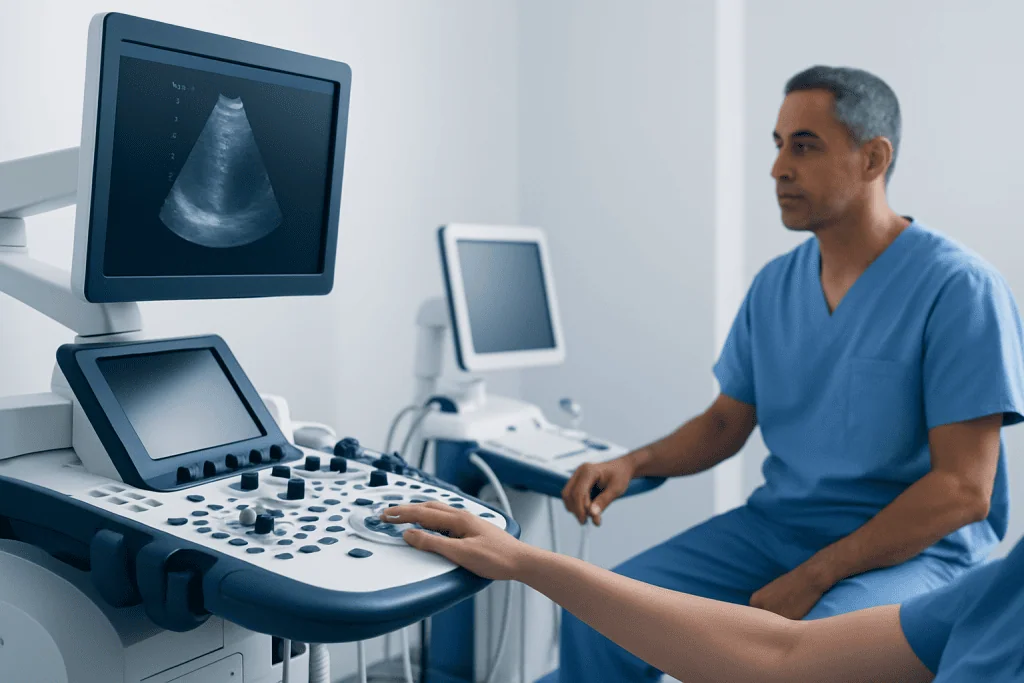
Testing is guided by the individual situation. Depending on symptoms, clinicians may consider a pregnancy test, blood count, thyroid function tests, glucose or cholesterol testing, or selected reproductive hormone tests. Pelvic ultrasound or other imaging is sometimes appropriate, but it is not necessary for every person with cycle changes or suspected hormonal symptoms.
Testing hormone levels without a clear clinical reason can be misleading. Many hormones naturally fluctuate during the day and across the menstrual cycle, while results can also be affected by hormonal medicines and supplements. A clinician can explain which tests are useful, the best timing for them, and what the results mean in context.
At Acibadem International, multidisciplinary specialists in endocrinology, gynecology, nutrition, and related fields can assess hormone-related symptoms and develop individualized care plans for international patients in JCI-accredited hospitals.
When to seek medical care
Medical advice is recommended for periods that become very irregular, stop unexpectedly when pregnancy is not the explanation, become unusually heavy, or cause significant pain. It is also sensible to arrange an appointment for persistent hot flashes, distressing sleep changes, new acne or excess hair growth, unexplained weight changes, ongoing fatigue, breast discharge, or symptoms that interfere with daily life.
Urgent medical assessment is needed for very heavy vaginal bleeding, fainting, severe pelvic or abdominal pain, chest pain, shortness of breath, sudden severe headache, or a possible pregnancy with pain or bleeding. These symptoms are not problems to manage with herbal tea alone.
A person should also seek prompt advice if they notice a reaction after drinking an herbal product, such as swelling of the lips or face, trouble breathing, widespread rash, severe vomiting, jaundice, or a fast or irregular heartbeat. Bringing the product packaging or a photo of the ingredient label can help the healthcare team identify possible causes.
Frequently asked questions
Can hormone balancing tea really balance hormones?
No tea has been proven to reliably balance hormones in the way this phrase is commonly used. Some ingredients may support comfort symptoms such as relaxation, mild nausea, or menstrual discomfort, but they do not replace diagnosis or treatment of a hormonal condition.
What tea is best for hormone balance?
There is no single best tea for hormone balance because the cause of symptoms differs from person to person. A simple caffeine-free tea that is safe for the individual may be enjoyable, but choosing treatment should depend on the specific symptom and medical history.
Can herbal tea help with PCOS?
Some herbs, including spearmint, have been studied for selected PCOS-related symptoms, but evidence is limited and they are not established PCOS treatments. Anyone with irregular periods, excess hair growth, acne, or fertility concerns should discuss evaluation and management with a clinician.
Is hormone balancing tea safe during pregnancy?
Not all herbal teas are safe during pregnancy, and safety can depend on the herb, amount, and stage of pregnancy. Pregnant people should ask their obstetric clinician or pharmacist before using herbal blends regularly, particularly products marketed for hormones, fertility, or detoxification.
Can menopause tea replace hormone therapy?
No. Herbal tea should not be considered a substitute for menopause hormone therapy or other evidence-based treatments. A healthcare professional can discuss the potential benefits and risks of different options based on the person’s symptoms and health history.
How long does hormone balancing tea take to work?
If a tea helps with relaxation or digestive comfort, a person may notice that effect soon after drinking it. There is no reliable timeline for hormonal changes because teas have not been shown to consistently correct hormone levels or treat endocrine conditions.
This article is for general information only and is not a substitute for professional medical advice. Please consult a qualified doctor about your individual situation.
IVF & fertility treatment in Turkey — success rates and costs
JCI-accredited · board-certified surgeons · reply within 24h
Add us as a Preferred Source to see more of our trusted health content across Google Search, AI Overviews and Discover.
Check your numbers in seconds
BMI, calories, due date, blood pressure and 30+ more clinical calculators — free, instant, doctor-reviewed ranges.

More from the Health Library

Grade 1 fatty liver: A Complete Medical Guide for Patients

Lateral Malleolus — Explained by Medical Evidence, Not Myths

Glute Bridges: A Complete Medical Overview

Baby Temp Is Low: A Complete Medical Overview

Advantages of Persimmon Fruit: A Complete Medical Overview