

Glute Bridges: A Complete Medical Overview
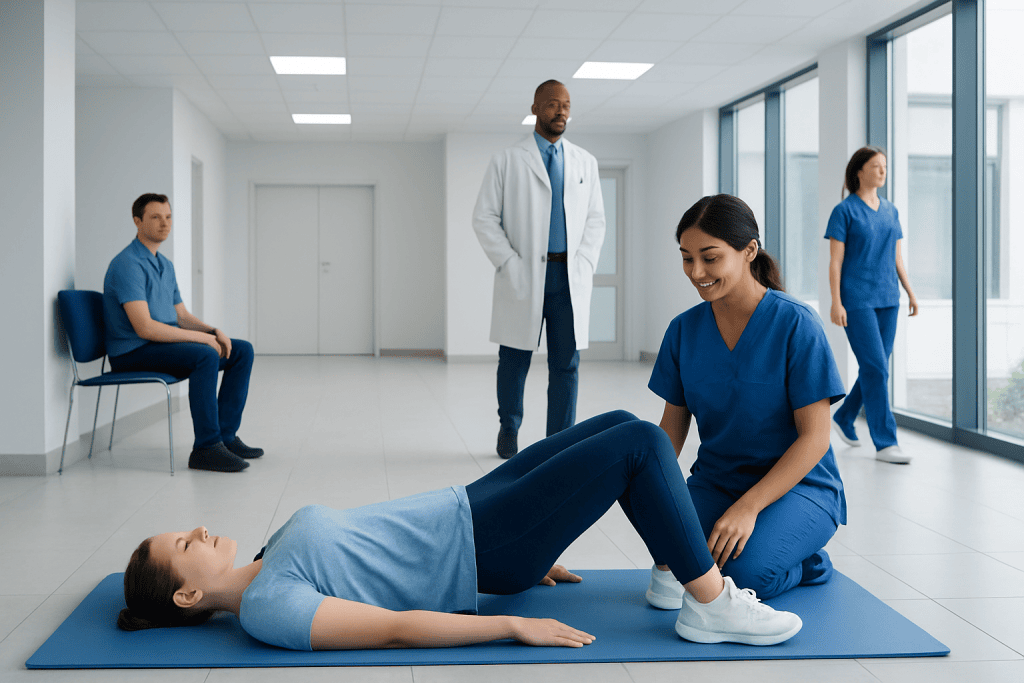
Glute bridges mainly strengthen the gluteal muscles, with support from the hamstrings and core. Proper technique matters more than height or speed during the movement.
Key Takeaways
- Glute bridges mainly strengthen the gluteal muscles, with support from the hamstrings and core.
- Proper technique matters more than height or speed during the movement.
- Glute bridges may help with hip stability, posture, and some rehabilitation plans.
- Pain during the exercise is not expected and should be assessed if it continues.
- Progressions and modifications can make glute bridges suitable for many activity levels.
Glute bridges are a simple strengthening exercise that primarily targets the buttocks while also engaging the hamstrings, hips, and core. When performed with good form, they can help improve lower-body function, support posture, and play a useful role in fitness or rehabilitation programs.
Overview: what glute bridges are and why they matter
Glute bridges are a bodyweight exercise performed by lying on the back with the knees bent and lifting the hips upward in a controlled motion. The main goal is to activate and strengthen the gluteal muscles, especially the gluteus maximus, while also involving the hamstrings, abdominal muscles, and hip stabilizers.
Although glute bridges are common in fitness settings, they are also widely used in rehabilitation and movement training. Clinicians and physiotherapists may recommend them to help restore strength after inactivity, support hip and pelvic control, or improve movement patterns that affect walking, climbing stairs, and other daily activities.
From a medical perspective, glute bridges are not a cure for pain or injury on their own. However, they can be a helpful part of a structured exercise program when weakness, deconditioning, or poor movement control contributes to symptoms. Their value depends on individual needs, technique, and whether the exercise is appropriate for the person’s health status.
Which muscles glute bridges work
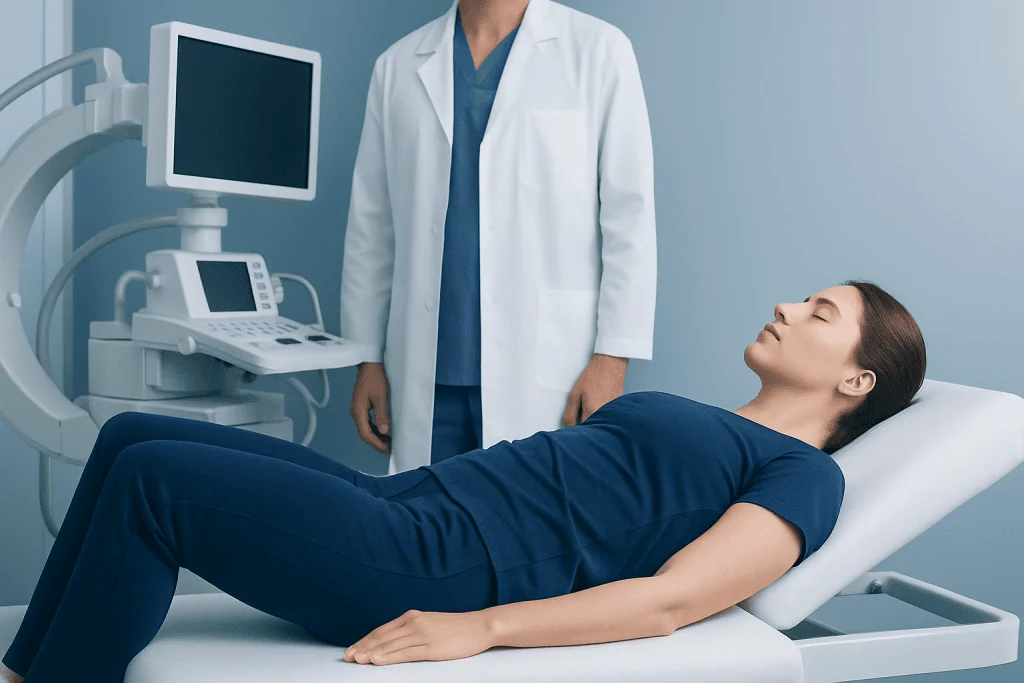
The primary muscles used in glute bridges are the gluteal muscles, which include the gluteus maximus, gluteus medius, and gluteus minimus. The gluteus maximus is the main hip extensor and is especially important for standing up, walking uphill, climbing stairs, and generating power during many movements.
The exercise also recruits the hamstrings at the back of the thighs and the core muscles that help stabilize the spine and pelvis. Depending on the variation, smaller hip and pelvic stabilizers may also work to maintain alignment. This combination is one reason glute bridges are often included in programs for posture, pelvic stability, and lower-body conditioning.
Muscle activity can shift depending on how the exercise is performed. Foot position, range of motion, tempo, and whether one or both legs are used all influence which structures work harder. For example, a bridge with the feet placed too far from the body may shift more effort to the hamstrings, while a well-aligned bridge often improves glute activation.
Potential benefits of glute bridges

Glute bridges may offer several benefits when used consistently and with proper technique. Stronger gluteal muscles can improve hip extension strength, pelvic stability, and control of lower-body movement. These functions are relevant not only in sports and exercise, but also in everyday tasks such as rising from a chair, carrying loads, and maintaining balance during walking.
Because the glutes help support the alignment of the pelvis and lower limbs, strengthening them may reduce strain in some people with movement-related discomfort. In selected cases, bridges may be included in care plans for problems involving the lower back, hips, or knees, especially when muscle weakness or poor control is part of the picture. Related concerns may overlap with lower back pain or hip pain, though the underlying cause should always be assessed individually.
Glute bridges can also be useful during rehabilitation because they are low-impact and easy to modify. For some people, they provide a practical starting point before progressing to more demanding exercises such as squats, step-ups, or resistance-based hip training. A broader physical therapy and rehabilitation program may use bridges alongside stretching, balance work, and movement retraining.
In addition, this exercise may help improve body awareness. Learning to move the pelvis and hips with control can be valuable for people who compensate with the lower back during exercise or who have difficulty activating the gluteal muscles during daily activities.
How to do glute bridges with proper form
To perform a standard glute bridge, a person lies on the back with the knees bent, feet flat on the floor, and arms relaxed by the sides. The feet are usually placed about hip-width apart, close enough that the fingertips can nearly touch the heels. Before lifting, it helps to gently tighten the abdominal muscles and keep the head, shoulders, and upper back relaxed on the floor.
The hips are then lifted slowly by pressing through the feet and squeezing the buttocks. The aim is to create a straight, comfortable line from the shoulders through the hips to the knees, without forcing the lower back into excessive arching. At the top of the movement, a brief pause can help improve muscle control before lowering back down in a smooth, controlled way.
Common mistakes include pushing mostly through the toes, flaring the ribs, over-arching the back, letting the knees fall inward or outward, and lifting too high in search of a larger movement. In many cases, a smaller, well-controlled bridge is more effective than a high bridge performed with poor alignment.
Breathing should remain steady throughout the exercise. If a person feels the movement mainly in the hamstrings or lower back rather than the buttocks, adjusting foot position, reducing the range, or seeking instruction from a qualified clinician or trainer may help.
Who may benefit, and when caution is needed
Glute bridges can be appropriate for many people, including beginners, older adults, and those returning to activity after a period of inactivity. They are often used to improve foundational strength before progressing to more advanced lower-body exercises. In some settings, they are also introduced after evaluation by rehabilitation professionals following orthopedic or spinal concerns.
However, not every exercise suits every person. Someone with a recent injury, significant back pain, hip pain, pelvic pain, or recent surgery should not assume that glute bridges are automatically safe. The best exercise choice depends on the diagnosis, symptom pattern, physical examination, and stage of recovery. In some cases, assessment by specialists in orthopedics and traumatology or sports injuries and arthroscopy may be appropriate.
Pregnant or postpartum individuals may also need modifications depending on comfort, abdominal separation, pelvic floor symptoms, or advice from their clinician. People with osteoporosis, severe arthritis, nerve symptoms, or balance limitations should discuss exercise plans with a healthcare professional, especially if symptoms increase during or after activity.
Any exercise that causes sharp pain, numbness, radiating discomfort, or loss of control should be stopped. Mild muscle effort or fatigue can be expected, but pain is a signal to review technique or seek medical guidance.
Variations, progressions, and self-care tips
One reason glute bridges are widely used is that they can be modified easily. A basic bridge may be enough for beginners, while others may progress to marching bridges, single-leg bridges, resistance band bridges, or weighted hip thrust variations. These progressions should be introduced gradually, with attention to alignment and symptom response.
Simple adjustments can make the exercise more comfortable and effective. Placing the feet slightly closer or farther from the hips may improve muscle engagement, and a folded mat can increase comfort for the spine. Moving slowly rather than bouncing helps maintain control and reduces the chance of compensating with the lower back.
For general self-care, it is helpful to combine glute bridges with broader movement habits rather than relying on one exercise alone. Walking, flexibility work, core strengthening, and posture awareness may all support healthier movement patterns. If a person has persistent pain or reduced function, a structured exercise plan tailored to the cause is more useful than repeatedly increasing repetitions without guidance.
At the multidisciplinary centers of Acibadem International, specialists in musculoskeletal care evaluate movement-related symptoms and design individualized treatment plans for international patients in JCI-accredited hospitals when needed.
When to seek medical care
Medical advice is recommended if glute bridges cause ongoing pain in the lower back, hips, groin, knees, or buttocks, especially if symptoms do not improve after correcting form or reducing intensity. Professional evaluation is also important when pain interferes with walking, sleeping, work, or daily activities.
Prompt assessment is warranted if exercise is followed by numbness, tingling, weakness, radiating leg pain, loss of balance, or new bowel or bladder symptoms. These features may suggest a problem beyond simple muscle fatigue and should not be ignored.
A clinician may ask about symptom timing, examine posture and movement, and determine whether imaging or rehabilitation is needed. In some cases, evaluation may include a musculoskeletal exam, gait assessment, or imaging such as MRI if there is concern for a structural issue. Seeking advice early can help identify the cause and prevent an unsuitable exercise program from prolonging symptoms.
Frequently asked questions
Are glute bridges good for beginners?
Yes. Glute bridges are often suitable for beginners because they are low-impact, do not require equipment, and can be learned gradually. Proper form is important, and anyone with pain or a medical condition should ask a healthcare professional whether the exercise is appropriate.
Should glute bridges cause lower back pain?
No. A person may feel muscle effort, but sharp or persistent lower back pain is not expected. Back discomfort can happen if the pelvis is not controlled, the lower back arches too much, or the exercise is not suitable for that individual.
What is the difference between a glute bridge and a hip thrust?
Both exercises train hip extension, but they are set up differently. A glute bridge is usually performed on the floor, while a hip thrust is commonly done with the upper back supported on a bench, allowing a larger range of motion and often more external resistance.
How often can glute bridges be done?
Frequency depends on the person’s overall activity level, goals, and recovery. Many people include them several times per week as part of a balanced strengthening plan, but exercise volume should be adjusted if soreness, fatigue, or symptoms build up.
Why do I feel glute bridges in my hamstrings instead of my glutes?
This can happen when the feet are placed too far from the hips, the movement is rushed, or the gluteal muscles are not activating well. Small technique changes, slower repetitions, and professional guidance can often improve muscle recruitment.
Can glute bridges help with knee or hip problems?
They may help in some cases because stronger gluteal muscles can improve lower-limb control and pelvic stability. However, knee or hip pain has many possible causes, so the exercise should be matched to the diagnosis rather than used as a one-size-fits-all solution.
References
- American Academy of Orthopaedic Surgeons
- National Institute of Arthritis and Musculoskeletal and Skin Diseases
- American College of Sports Medicine
- National Health Service
- World Health Organization
This article is for general information only and is not a substitute for professional medical advice. Please consult a qualified doctor about your individual situation.
Joint and spine care in Turkey — expert assessment & treatment
JCI-accredited · board-certified surgeons · reply within 24h
Add us as a Preferred Source to see more of our trusted health content across Google Search, AI Overviews and Discover.

More from the Health Library



Related Specialists

Prof. Dr. Ertuğrul Seyrek
Internal Medicine
Prof. Dr. Serdar Beken
Neonatal Intensive Care Unit
Dr. Buğra Alpan
Orthopedic Surgery & Traumatology
Dr. Tuncer Babür
General Surgery