Bone Pain: Possible Causes and When to Seek Care

Bone pain usually feels deeper and more localized than muscle or joint pain. Common causes include injury, overuse, arthritis-related changes, infection, and reduced bone strength such as osteoporosis.
Key Takeaways
- Bone pain usually feels deeper and more localized than muscle or joint pain.
- Common causes include injury, overuse, arthritis-related changes, infection, and reduced bone strength such as osteoporosis.
- Night pain, swelling, fever, unexplained weight loss, or pain after a minor injury may need prompt medical evaluation.
- Diagnosis may involve a physical exam, blood tests, X-rays, MRI, CT, or bone scan depending on the suspected cause.
- Treatment depends on the cause and may include rest, medicines, physical therapy, fracture care, or treatment of infection or cancer.
Bone pain is pain that seems to come from the bone itself rather than the surrounding muscles or joints, and it can have causes ranging from minor injury to infection or, less commonly, cancer. Persistent, severe, nighttime, or unexplained bone pain should be assessed by a doctor, especially if it occurs with swelling, fever, weight loss, or trouble bearing weight.
What bone pain can mean
Bone pain is pain that appears to come from the bone itself. It is often described as deep, aching, sharp, or constant, and many people notice that it feels more specific and harder to ignore than ordinary muscle soreness. In many cases, bone pain is related to an injury, overuse, or a problem affecting nearby joints. In other cases, it can signal infection, poor bone strength, or a condition that needs more urgent attention.
Not all pain felt near a bone is true bone pain. Pain from muscles, tendons, ligaments, or joints can spread and feel similar at first. A careful medical history, physical examination, and sometimes imaging are important because the treatment depends on the source. Looking at the pattern of pain—when it started, what makes it worse, and whether there are other symptoms—often provides the first useful clues.
For example, pain that begins right after a fall may point to a bruise or fracture, while pain that slowly worsens over weeks may suggest inflammation, stress injury, or another underlying condition. Pain that occurs mainly at night or without clear injury deserves closer review. The goal is not to assume the worst, but to identify the cause early and treat it appropriately.
How bone pain feels and where it may occur
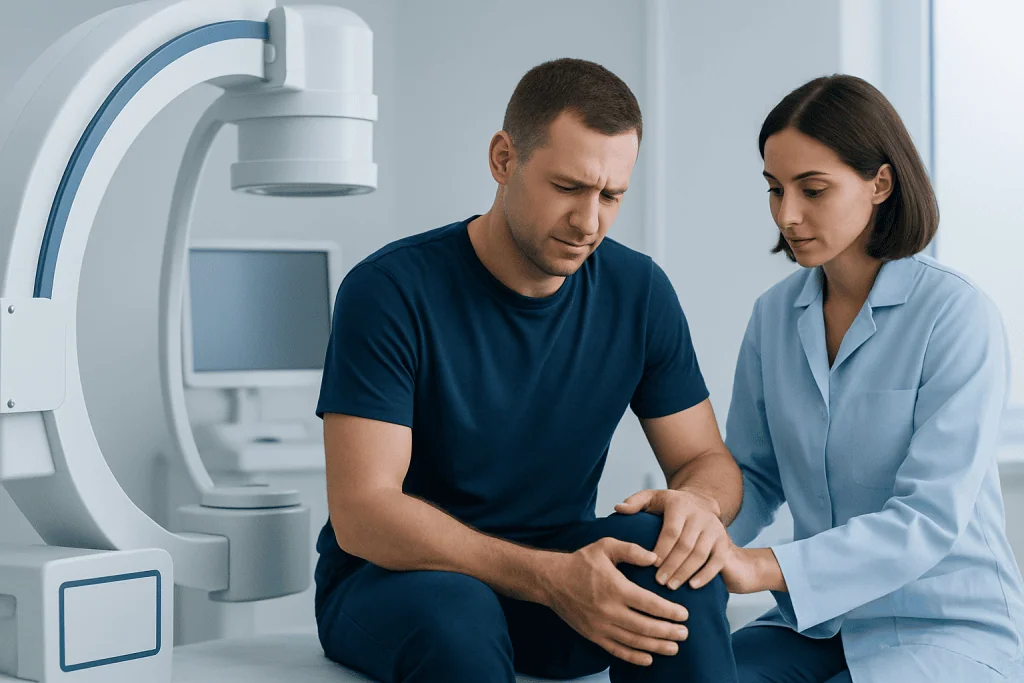
Bone pain can affect almost any part of the body, but it is common in the legs, arms, pelvis, ribs, and spine. It may be felt in one small area or in several places. Some people describe tenderness when pressing over the bone, while others feel pain only when standing, walking, lifting, or bearing weight. The pain may be steady or come and go.
A practical way to think about it is to compare bone pain with nearby tissue pain. Muscle pain often feels sore or tight and may improve with stretching or massage. Joint pain is frequently linked to stiffness, swelling, or pain with movement. Bone pain is more likely to feel deep, pinpointed, and less affected by simple stretching. If there is a fracture, even a small movement can be very painful.
Other symptoms can help narrow down the cause. Swelling, bruising, deformity, redness, warmth, numbness, fever, or fatigue may all matter. In children and older adults, changes in walking, reduced activity, or new limping can be important signs even if the person has difficulty explaining the pain.
- Deep, localized aching may suggest a bone-related source.
- Pain with activity can happen with stress injuries or fractures.
- Pain at rest or at night may need more detailed evaluation.
- Swelling, redness, or fever can raise concern for infection or inflammation.
Common causes of bone pain
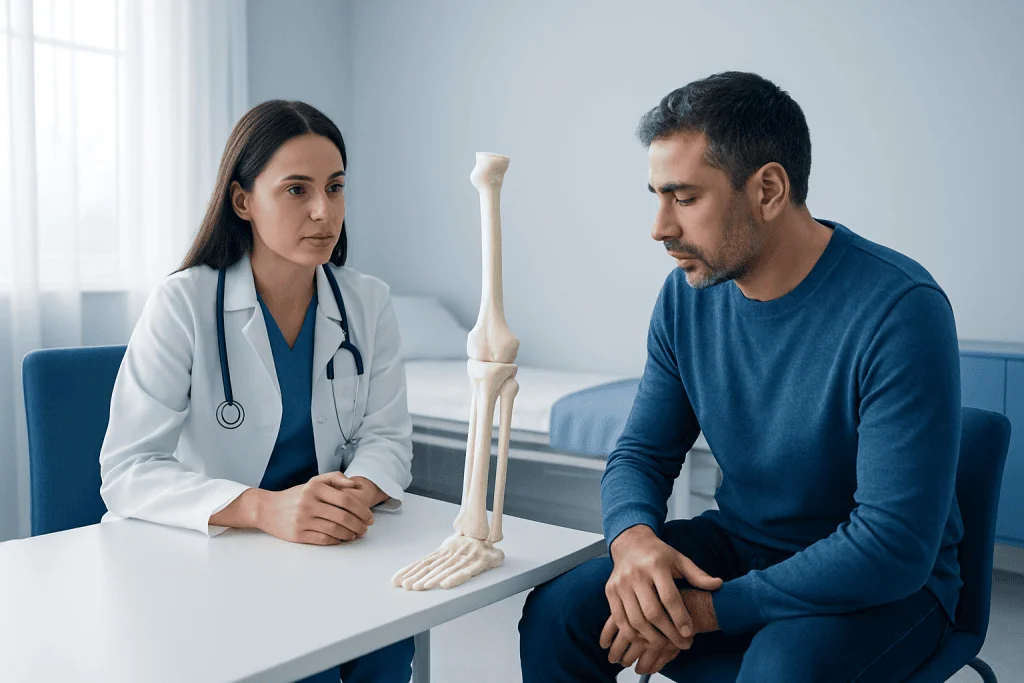
The most common causes of bone pain are mechanical or structural. These include bruises, fractures, stress fractures, and overuse injuries. A direct blow, sports injury, repetitive exercise, or sudden increase in physical activity can all irritate or damage bone. Older adults and postmenopausal women may also develop pain from fragile bones related to osteoporosis, sometimes after only a minor fall or even without a clear injury.
Joint and spine conditions can also create pain that feels as though it comes from the bone. Arthritis near the hip, knee, shoulder, or spine may cause deep aching, especially with movement. Some people with chronic back pain are eventually found to have compression fractures or other bone changes rather than simple muscle strain. In these situations, imaging helps separate a bone problem from a soft-tissue problem. Related conditions such as osteoporosis can increase the risk of fracture and persistent pain.
Less common but important causes include bone infection, reduced blood supply to the bone, and cancer involving the bone. Bone infection may follow surgery, an open wound, or spread from another infection in the body. Reduced blood flow, sometimes called avascular necrosis, can damage bone tissue over time. Cancer may start in the bone or spread there from another area. Most bone pain is not caused by cancer, but unexplained pain that persists, especially at night or with weight loss, should be evaluated. In some cases, doctors may also need to consider bone cancer among several possibilities.
Risk factors and warning signs
Certain factors make bone pain more likely to come from a significant underlying problem. These include recent trauma, repetitive sports training, older age, osteoporosis, long-term steroid use, smoking, poor nutrition, and low vitamin D. A history of cancer, recent infection, immune system problems, or previous bone surgery can also change the level of concern and influence the tests a doctor recommends.
The timing and pattern of pain matter. Pain that starts suddenly after an accident is different from pain that develops gradually over weeks. Pain that wakes a person from sleep, does not improve with rest, or continues to worsen deserves attention. So does pain that begins after only a minor twist or bump, particularly in someone known to have weak bones.
Some features are more urgent than others. These include inability to bear weight, visible deformity, fever, redness over the area, unexplained swelling, new numbness, severe weakness, or general symptoms such as weight loss and marked fatigue. These signs do not confirm a dangerous cause, but they are signals not to delay medical care.
How doctors diagnose bone pain
Diagnosis begins with a careful conversation and physical examination. The doctor will ask where the pain is, how long it has been present, whether there was an injury, what activities affect it, and whether there are symptoms such as fever or swelling. On examination, they may check for tenderness over a specific bone, range of motion of nearby joints, nerve function, and any signs of infection or fracture.
Imaging is often the next step when true bone pain is suspected. X-rays are useful for many fractures and some bone changes, but early stress fractures, infection, or certain tumors may not show clearly at first. In those cases, MRI can provide more detail, especially for bone marrow, stress injuries, and surrounding soft tissues. CT scans, ultrasound in selected cases, or a bone scan may also be used depending on the situation. Diagnostic imaging may help guide decisions about MRI or CT scan when plain X-rays are not enough.
Blood tests may be ordered to look for infection, inflammation, vitamin deficiencies, or other metabolic causes. If there is concern for a serious bone lesion, a specialist may recommend additional imaging or a biopsy. A biopsy is not needed for most cases, but it can be important when the diagnosis remains unclear or when cancer or unusual infection must be ruled out.
Treatment options for bone pain
Treatment depends on the cause rather than the pain alone. For minor injuries, stress-related pain, or overuse, the plan may include rest, activity modification, ice, temporary support, and pain-relieving medicine recommended by a doctor. Physical therapy may be advised to restore strength, mobility, and movement patterns that reduce stress on the affected area. When a fracture is present, treatment may involve a splint, cast, brace, or surgical repair if the bone is unstable or displaced.
If bone pain is linked to low bone density, the focus may include fall prevention, nutrition, vitamin D and calcium assessment, weight-bearing exercise when appropriate, and medicines that improve bone strength. If the pain comes from nearby joint disease, treatment may center on the underlying joint problem, such as targeted rehabilitation, medication, or in some cases orthopedic procedures. For persistent structural pain, an orthopedic team may consider options offered through orthopedics and traumatology.
When infection is causing bone pain, treatment usually requires antibiotics and sometimes surgery to remove infected tissue. If a tumor or cancer-related condition is found, care is planned by the relevant specialists and may include surgery, medical therapy, and other cancer treatments. In more complex cases, bone pain can also be part of conditions requiring coordinated care through oncology. The right treatment plan is individualized, and self-treatment should not replace medical assessment when pain is severe, unexplained, or ongoing.
Self-care, prevention, and daily habits that help
Many cases of bone pain related to strain or minor injury improve with simple, supportive measures. Resting the affected area for a short period, avoiding the activity that triggered the pain, and using cold packs during the first day or two may help reduce symptoms. It is usually best to return to movement gradually rather than pushing through pain, especially after a new exercise routine or sports training change.
Long-term bone health also matters. Adequate intake of calcium and vitamin D, regular weight-bearing activity, balance training, and not smoking all support stronger bones. Safe home habits—such as good lighting, supportive footwear, and removing tripping hazards—can lower the risk of falls. These steps are especially important for older adults and anyone with fragile bones.
Self-care has limits. Pain that lasts more than a short period, gets worse, or keeps returning should not be repeatedly treated at home without review. A qualified clinician can determine whether the problem is simple overuse, a hidden fracture, or another condition that needs a different approach.
When to seek medical care
Medical care is appropriate for bone pain that is severe, lasts more than a few days without clear improvement, or repeatedly returns. An appointment should also be arranged if the pain occurs at night, limits normal activity, or follows even a mild injury in someone who may have weak bones. New limping in a child, or any bone pain in an older adult after a fall, should be taken seriously.
Urgent assessment is needed for bone pain with inability to bear weight, visible deformity, major swelling, redness, warmth, fever, or an open wound. Prompt care is also important if there is numbness, weakness, loss of bladder or bowel control with back pain, or unexplained weight loss. These features do not always mean a serious condition, but they do need timely evaluation.
For people who need specialist assessment, multidisciplinary teams can help identify the cause and plan treatment. Acibadem International’s multidisciplinary specialists and JCI-accredited hospitals diagnose and treat bone-related conditions for international patients when further evaluation is needed.
Frequently asked questions
Is bone pain the same as joint pain?
Not always. Bone pain is usually felt as a deeper, more localized pain, while joint pain often comes with stiffness, swelling, or discomfort when the joint moves. Because these can overlap, a doctor may need to examine the area and order imaging if the source is unclear.
Can bone pain happen without an injury?
Yes. Bone pain can occur without a recent accident and may be related to stress fractures, infection, osteoporosis, reduced blood flow to bone, or less commonly cancer. Pain without obvious injury that persists or worsens should be assessed by a healthcare professional.
Is bone pain at night a warning sign?
Night pain is not always serious, but it deserves attention if it is new, persistent, or becoming stronger. Doctors pay particular attention to pain that wakes a person from sleep or continues even at rest because this pattern can point to causes other than simple overuse.
How is the cause of bone pain found?
Doctors usually begin with a history and physical exam, then choose tests based on the suspected cause. X-rays are common first tests, but MRI, CT, blood tests, or other studies may be needed if the pain is unexplained or if early changes are not visible on X-ray.
Can dehydration or vitamin deficiency cause bone pain?
Vitamin deficiencies, especially low vitamin D, can contribute to bone discomfort or weakness in some people. Dehydration more often causes muscle cramps than true bone pain, but symptoms can overlap. A doctor may suggest blood tests if nutritional or metabolic causes are suspected.
When should someone go to urgent care or the emergency department for bone pain?
Urgent care is appropriate if bone pain follows a major injury, if the person cannot bear weight, or if there is deformity, severe swelling, fever, redness, or an open wound. Emergency assessment is also important if bone pain is linked with numbness, weakness, or sudden severe back pain with bladder or bowel symptoms.
References
- American Academy of Orthopaedic Surgeons
- National Institute of Arthritis and Musculoskeletal and Skin Diseases
- MedlinePlus
- Mayo Clinic
- National Health Service
This article is for general information only and is not a substitute for professional medical advice. Please consult a qualified doctor about your individual situation.
Medical weight-loss options in Turkey — costs & eligibility
JCI-accredited · board-certified surgeons · reply within 24h
Add us as a Preferred Source to see more of our trusted health content across Google Search, AI Overviews and Discover.