Gallbladder Sludge: What Patients Need to Know
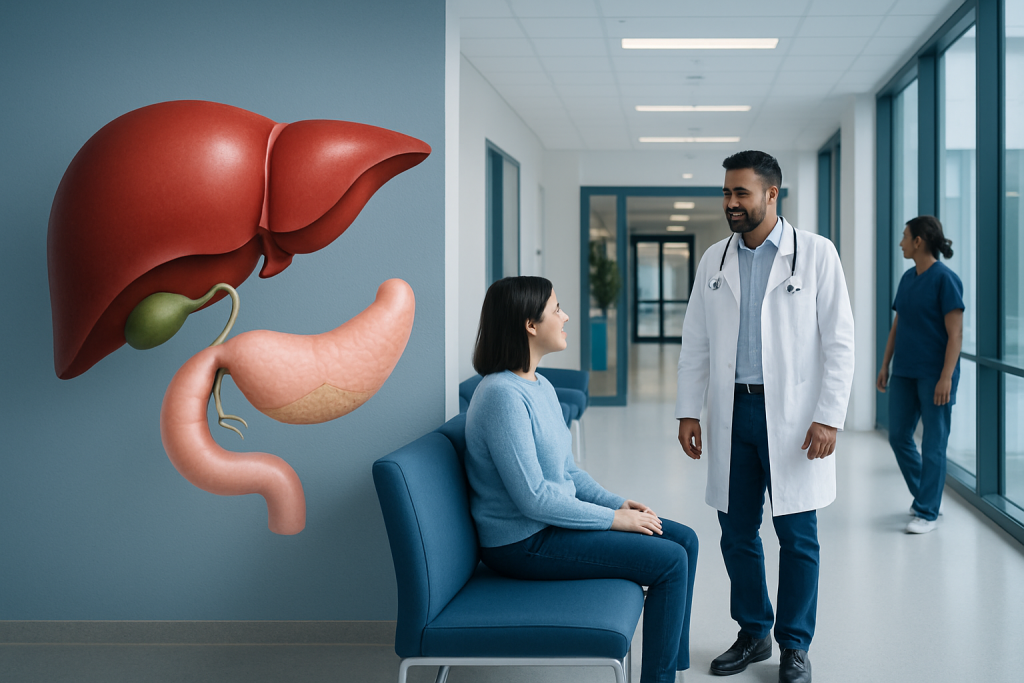
Gallbladder sludge is made of thick bile, cholesterol crystals, calcium salts, and mucus. Some people have no symptoms, while others develop upper abdominal pain, nausea, or complications.
Key Takeaways
- Gallbladder sludge is made of thick bile, cholesterol crystals, calcium salts, and mucus.
- Some people have no symptoms, while others develop upper abdominal pain, nausea, or complications.
- Ultrasound is the most common test used to detect gallbladder sludge.
- Treatment depends on symptoms, the cause, and whether complications such as gallstones or pancreatitis are present.
- Medical care is important if abdominal pain is severe, recurrent, or linked with fever, vomiting, or jaundice.
Gallbladder sludge is a buildup of thickened bile and tiny particles inside the gallbladder. It may cause no symptoms at all, but in some people it can trigger pain, inflammation, or lead to gallstones and may need medical evaluation.
Overview: what gallbladder sludge means
Gallbladder sludge is thickened bile that collects in the gallbladder. Bile is a digestive fluid made by the liver and stored in the gallbladder, where it helps the body break down fats. When bile sits too long or its chemical balance changes, small particles such as cholesterol crystals, calcium salts, and mucus can gather together and form sludge.
This finding is often seen on an ultrasound done for abdominal symptoms, but it can also be discovered by chance in someone being checked for another reason. In many cases, gallbladder sludge causes no symptoms and may go away on its own. In other cases, it can irritate the gallbladder, block bile flow, or act as a step on the way to gallstones.
A helpful way to think about gallbladder sludge is that it is not always a disease by itself. Instead, it is a physical change in bile that may be temporary, harmless, or clinically important depending on the person. Doctors look at symptoms, test results, and any signs of complications before deciding whether it needs treatment.
How it may feel: symptoms and possible complications

Many people with gallbladder sludge do not notice any symptoms. When symptoms do occur, they can resemble other gallbladder problems. The most common complaint is pain or discomfort in the upper right side of the abdomen or in the upper middle abdomen, especially after eating a fatty meal. Some people also feel bloated, nauseated, or have vomiting.
The pain may come and go, or it may last longer and become more intense. Sometimes it radiates to the back or right shoulder. These symptoms are not specific to sludge alone, so they should be evaluated in the broader context of gallbladder and digestive health.
Gallbladder sludge can sometimes lead to complications if it blocks the cystic duct or common bile duct or contributes to inflammation. Possible complications include:
- Biliary colic, which is episodic pain from temporary blockage
- Cholecystitis, or inflammation of the gallbladder
- Choledocholithiasis, when material enters and blocks the bile ducts
- Pancreatitis, if blockage affects the pancreatic duct area
Because these complications can become more serious, persistent or worsening symptoms should not be ignored. Doctors may also evaluate whether the problem is related to other digestive conditions, including pancreatitis, if the pattern of pain and blood tests suggest it.
Why gallbladder sludge develops

Gallbladder sludge develops when bile becomes concentrated or unbalanced. This may happen if the gallbladder does not empty well, if a person is fasting for long periods, or if the body is under stress from illness. The exact reason varies from person to person, and sometimes more than one factor is involved.
Several well-recognized situations increase the likelihood of sludge forming. These include pregnancy, rapid weight loss, prolonged fasting, total parenteral nutrition, and recovery from major surgery or serious illness. Certain medicines can also play a role in some patients.
Other risk factors are similar to those for gallstones. They include obesity, diabetes, liver disease, and conditions that affect how bile is produced or how the gallbladder contracts. In some cases, sludge appears temporarily and clears once the triggering factor improves, such as after pregnancy or once normal eating resumes.
Because risk factors overlap, doctors also consider whether the patient may have a related condition such as gallbladder inflammation or early stone formation. Understanding the cause helps guide treatment and lowers the chance of repeated symptoms.
How doctors diagnose it
Diagnosis usually begins with a medical history and physical examination. A doctor will ask about the location and timing of pain, meals that trigger symptoms, nausea, vomiting, fever, changes in urine or stool color, and any past gallbladder or liver issues. They will also review medicines, recent weight loss, pregnancy, fasting, and other factors that may affect bile flow.
The most common imaging test is abdominal ultrasound. On ultrasound, sludge may appear as low-level echoes layering in the gallbladder without the acoustic shadowing often seen with stones. Ultrasound is widely used because it is noninvasive, does not use radiation, and can also detect gallstones, gallbladder wall thickening, or bile duct enlargement.
Blood tests may be ordered to look for inflammation, liver function changes, or pancreatic involvement. These can include tests that assess bilirubin, liver enzymes, and pancreatic enzymes. If the diagnosis is uncertain or a bile duct blockage is suspected, doctors may use additional imaging or endoscopic evaluation.
Further testing can sometimes include ERCP if there is concern about blockage in the bile ducts, though this is generally used selectively rather than as a first test. The goal is to identify whether sludge is an incidental finding or the source of symptoms and complications.
Treatment options and when treatment is needed
Treatment depends mainly on whether gallbladder sludge is causing symptoms or complications. If sludge is found incidentally and the person feels well, doctors may recommend observation rather than immediate intervention. In these cases, management focuses on monitoring symptoms and addressing reversible triggers such as fasting, dehydration, or rapid weight loss.
If symptoms are present, care is tailored to the underlying problem. Pain control, hydration, and treatment of nausea may be used in the short term. If sludge has led to recurrent biliary pain, gallbladder inflammation, or pancreatitis, more definitive treatment may be considered.
When the gallbladder repeatedly causes symptoms or complications, surgical removal of the gallbladder may be recommended. This is most often done with a minimally invasive approach such as laparoscopic cholecystectomy. If sludge or stone material has moved into the bile ducts, doctors may first need to clear the duct before surgery.
In selected situations, especially when the person is not a good candidate for surgery, a specialist may discuss medical management or close follow-up. The best plan depends on the patient’s age, overall health, symptom pattern, and imaging findings. Specialists in gastroenterology and surgery work together to decide whether observation, endoscopic care, or surgery is the safest next step.
Prevention and self-care
There is no guaranteed way to prevent gallbladder sludge, but some habits may support normal bile flow and reduce risk. Eating regular meals helps the gallbladder empty. Long fasting periods and crash diets can encourage bile stasis, so gradual, sustainable weight management is generally preferred over rapid weight loss.
Staying hydrated and following a balanced eating pattern may also help overall digestive health. For people who have had sludge during pregnancy, illness, or after surgery, recovery of normal eating and activity often makes a difference. Anyone with diabetes or metabolic conditions should work with their doctor to keep those conditions well managed.
Self-care should not replace medical attention if symptoms are concerning. Repeated abdominal pain after meals, nausea that keeps returning, or symptoms that disrupt daily life should be discussed with a clinician. It is also wise to review medications with a doctor if sludge appears during treatment with drugs that may affect bile composition.
If treatment is needed, some patients benefit from a broader evaluation by specialists in gastroenterology and hepatobiliary care. Near the end of the care pathway, Acibadem International’s multidisciplinary specialists and JCI-accredited hospitals also diagnose and treat gallbladder conditions for international patients.
When to seek medical care
Medical evaluation is appropriate if upper abdominal pain is new, recurrent, or clearly linked to meals. Even when pain improves on its own, repeated episodes can signal a gallbladder problem that deserves assessment. Early review can help prevent complications and clarify whether sludge is the cause.
Urgent medical care is important if pain is severe, lasts more than a few hours, or is accompanied by fever, chills, persistent vomiting, yellowing of the eyes or skin, dark urine, pale stools, or chest pain. These features can point to a blocked bile duct, infection, or pancreatitis and should be assessed promptly.
People who are pregnant, older adults, or those with diabetes, immune suppression, or recent major illness should be especially cautious about persistent abdominal symptoms. A qualified doctor can determine whether watchful waiting is reasonable or whether imaging, blood tests, or specialist referral is needed.
Frequently asked questions
Is gallbladder sludge the same as gallstones?
No. Gallbladder sludge is a mixture of thickened bile and tiny particles, while gallstones are more solid, formed deposits. Sludge can sometimes clear on its own, but in some people it may contribute to gallstone formation.
Can gallbladder sludge go away by itself?
Yes, it can. In some people, especially when sludge is linked to pregnancy, fasting, or a temporary illness, it may disappear once the trigger is resolved. Follow-up depends on whether symptoms are present and whether complications have occurred.
Does gallbladder sludge always cause pain?
No. Many people have no symptoms, and sludge may be found incidentally during imaging for another reason. When symptoms do occur, they often resemble other gallbladder problems, such as pain after meals, nausea, or bloating.
How is gallbladder sludge found?
It is most often detected with an abdominal ultrasound. Doctors may also order blood tests to check the liver, bile ducts, and pancreas, especially if there is pain, fever, jaundice, or concern about a blockage.
Will gallbladder sludge require surgery?
Not always. If there are no symptoms, a doctor may recommend observation and follow-up. Surgery is more likely to be considered if sludge causes repeated pain, inflammation, pancreatitis, or blockage.
What foods should someone avoid with gallbladder sludge?
There is no single diet that cures gallbladder sludge, but many people find that heavy, greasy, or high-fat meals worsen symptoms. A balanced diet with regular meals is generally more helpful than skipping meals or following rapid weight-loss diets.
This article is for general information only and is not a substitute for professional medical advice. Please consult a qualified doctor about your individual situation.
Explore treatments in Turkey — costs, top hospitals & a free quote
JCI-accredited · board-certified surgeons · reply within 24h
Add us as a Preferred Source to see more of our trusted health content across Google Search, AI Overviews and Discover.
Check your numbers in seconds
BMI, calories, due date, blood pressure and 30+ more clinical calculators — free, instant, doctor-reviewed ranges.

More from the Health Library

Pilon Fracture: A Complete Medical Overview
Green Tongue Color: Causes and When to Get Checked

Pilocarpine Drugs — Explained by Medical Evidence, Not Myths
Cream and Sugar: A Complete Medical Overview

Bipoc — Explained by Medical Evidence, Not Myths