Pain One Side: Common Causes, Related Conditions, and When to See a Doctor

Pain on one side can affect the head, chest, abdomen, back, pelvis, or a limb, and each pattern suggests different causes. Many cases are due to muscle strain, posture, minor injury, or temporary digestive issues, but some need prompt medical evaluation.
Key Takeaways
- Pain on one side can affect the head, chest, abdomen, back, pelvis, or a limb, and each pattern suggests different causes.
- Many cases are due to muscle strain, posture, minor injury, or temporary digestive issues, but some need prompt medical evaluation.
- Warning signs include severe or sudden pain, chest pain, weakness, numbness, fever, blood in urine or stool, or trouble breathing.
- Doctors diagnose one-sided pain by asking where it hurts, how it feels, what triggers it, and whether other symptoms are present.
- Treatment depends on the cause and may include rest, physical therapy, medicines, imaging, or specialist care.
Pain one side of the body is a symptom rather than a diagnosis. It may come from muscles, joints, nerves, digestion, the urinary system, or other organs, and the exact location and associated symptoms often guide what it means and when medical care is needed.
Overview: What pain on one side can mean
Pain one side of the body can have many explanations, ranging from a strained muscle to a problem affecting an internal organ. In many people, the cause is not dangerous and improves with time, especially if it follows unusual exercise, poor posture, coughing, or a minor twist or injury. Still, one-sided pain should not be ignored when it is severe, persistent, or linked with other concerning symptoms.
A helpful way to understand one-sided pain is to think first about location. Pain in one side of the chest raises different questions than pain in one side of the abdomen, flank, lower back, pelvis, face, or leg. Doctors also look at the type of pain, such as sharp, cramping, burning, stabbing, throbbing, or aching, because these patterns can suggest whether the source is muscular, nerve-related, inflammatory, or organ-based.
Associated symptoms often provide important clues. For example, fever may point to infection, numbness may suggest nerve involvement, nausea may accompany digestive or kidney causes, and shortness of breath may signal a heart or lung problem. Because one-sided pain is a symptom with many possible causes, careful evaluation focuses on the whole picture rather than on the pain alone.
Common patterns of one-sided pain by body area
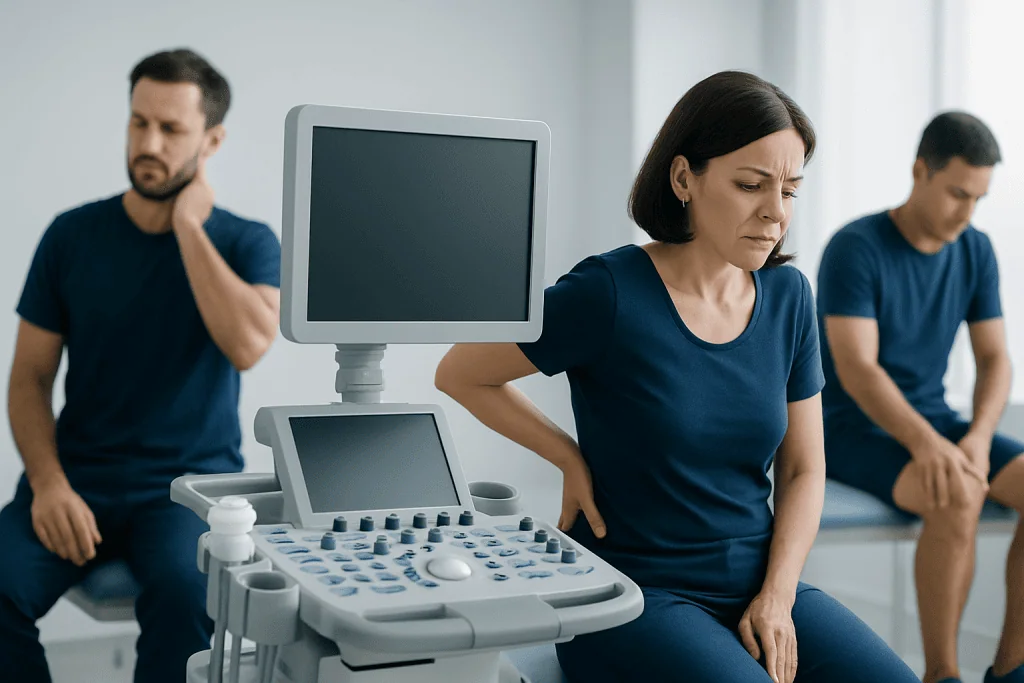
One-sided pain can appear almost anywhere in the body. Pain in the head or face may be related to migraine, sinus problems, dental issues, jaw joint strain, or nerve irritation. Pain in one arm, shoulder, or upper back may come from muscle tension, a pinched nerve in the neck, joint problems, or overuse. When the chest hurts on one side, possible causes include muscle strain, inflammation of the chest wall, acid reflux, lung conditions, or, less commonly, heart-related problems.
Pain in one side of the abdomen is especially important to assess by exact location. Right upper abdominal pain may involve the gallbladder or liver, while left upper pain may be linked with the stomach, spleen, or bowel. Lower abdominal or pelvic pain can be related to constipation, intestinal irritation, appendicitis, ovarian cysts, menstrual conditions, urinary issues, or other pelvic disorders. Pain in the flank, the area between the ribs and hip, may come from the kidneys, back muscles, or spine.
One-sided back, hip, or leg pain often points toward musculoskeletal or nerve causes. Sciatica, for example, can cause pain running from the lower back into one buttock or leg. Joint conditions such as arthritis may affect one side more than the other, and overuse injuries can localize pain to a single limb. If one-sided pain is accompanied by swelling, redness, weakness, or loss of function, it deserves medical attention.
- Head or face: migraine, dental problems, sinus issues, nerve pain
- Chest: muscle strain, inflammation, reflux, lung or heart causes
- Abdomen or pelvis: digestive, urinary, gynecologic, or surgical causes
- Back or flank: kidney stones, kidney infection, spine or muscle problems
- Arm or leg: nerve compression, joint disease, tendon injury, circulation issues
Possible causes and related conditions

Muscle and joint problems are among the most frequent explanations for pain on one side. These include strained muscles, inflamed tendons, poor posture, repetitive motion, sleeping in an awkward position, or arthritis affecting one area more than another. Pain may worsen with movement, lifting, coughing, or twisting and may improve with rest and gentle stretching.
Nerve-related pain often feels burning, shooting, tingling, or electric. It can happen when a nerve is compressed by a spinal disc problem, swelling, or tight muscles. Conditions such as sciatica may cause pain on one side of the lower back, buttock, and leg. In the face or chest wall, irritated nerves can also cause sharp one-sided pain. If pain is paired with weakness, numbness, or changes in bladder or bowel control, urgent assessment is important.
Internal organs can also cause one-sided pain. Kidney stones or a kidney stone may lead to intense flank pain that may radiate toward the groin and can be associated with nausea or blood in the urine. Gallbladder inflammation may cause right upper abdominal pain, sometimes after eating. Appendicitis often begins near the center of the abdomen and then shifts to the right lower side. Bowel conditions, ovarian cysts, testicular problems, hernias, and infections may also produce pain focused on one side.
Some less common but important causes include blood clots, lung inflammation, shingles, and certain vascular conditions. One-sided chest or upper back pain with breathing difficulty requires prompt medical evaluation. Severe headache on one side with neurological symptoms can also need urgent care, especially if it is sudden or unlike previous headaches.
Symptoms that help doctors narrow down the cause
Doctors often begin with a few practical questions: exactly where is the pain, when did it start, how strong is it, and what does it feel like? A dull ache may suggest muscles or joints, while cramping may point toward bowel or pelvic causes. Burning or tingling can suggest nerve irritation, and severe wave-like pain may be seen with kidney stones or some gastrointestinal problems.
What makes the pain better or worse also matters. Pain that increases with movement, lifting, pressing the area, or certain positions often has a musculoskeletal component. Pain related to meals, urination, bowel movements, or menstruation may point toward digestive, urinary, or gynecologic causes. Pain that wakes a person from sleep or steadily worsens over time deserves closer assessment.
Associated symptoms can change the urgency of the situation. Fever, vomiting, fainting, new rash, swelling, weakness, numbness, shortness of breath, coughing up blood, or blood in urine or stool are all important clues. If one-sided pain appears together with symptoms of stroke such as facial drooping, trouble speaking, or sudden arm or leg weakness, emergency help is needed right away.
How one-sided pain is diagnosed
Diagnosis starts with a medical history and physical examination. A clinician asks about the location, timing, quality, severity, triggers, recent activity, injuries, medical conditions, and family history. They also consider medications, because some treatments can affect the stomach, kidneys, or muscles and may contribute to pain.
The physical exam may include checking the abdomen, spine, muscles, joints, skin, chest, nerves, and circulation. Depending on the symptoms, the doctor may gently press on the painful area, assess range of motion, listen to the heart and lungs, or check for weakness, reflex changes, or tenderness over the kidneys or abdomen.
Tests are chosen based on the most likely causes rather than performed routinely in every person. Blood tests may look for infection, inflammation, anemia, or organ function changes. Urine tests can help identify kidney stones, infection, or blood. Imaging may include X-rays, ultrasound, or MRI when a nerve, soft tissue, joint, or organ problem is suspected. Some people may also need CT scans, electrocardiography, or specialist evaluation if symptoms suggest heart, lung, digestive, or neurological causes.
Treatment options depend on the cause
Because pain one side is a symptom, treatment is directed at the underlying problem. Muscle strain, mild back pain, or overuse injuries often improve with short-term rest, gradual return to activity, heat or cold, posture correction, and guidance on safe movement. In some cases, doctors may advise medicines for pain or inflammation, but the best choice depends on a person’s age, medical history, and the area affected.
Physical therapy can be useful when one-sided pain is related to the spine, joints, muscles, or movement patterns. Targeted exercises may improve flexibility, strength, and posture while reducing the chance of recurrence. If a spinal disc problem or nerve compression is suspected, evaluation by specialists in physical therapy and rehabilitation may help guide a safe recovery plan.
Organ-related pain may need more specific care. Kidney stones may require hydration advice, pain management, monitoring, or stone-focused treatment. Gallbladder, appendiceal, ovarian, testicular, bowel, or hernia-related causes may need surgical assessment. In selected cases, advanced imaging such as computed tomography (CT) helps define the cause quickly and accurately.
When pain is ongoing, recurring, or difficult to explain, a multidisciplinary approach can be helpful. Near the end of the evaluation pathway, some people may benefit from input from internal medicine, orthopedics, neurology, gastroenterology, urology, or gynecology. Acibadem International’s multidisciplinary specialists in JCI-accredited hospitals evaluate and treat international patients with symptoms such as persistent one-sided pain when further assessment is needed.
Self-care, monitoring, and prevention
When one-sided pain seems mild and is not accompanied by red-flag symptoms, simple self-care may help. Resting the affected area briefly, staying hydrated, using heat or cold appropriately, and avoiding activities that clearly worsen the pain can be reasonable first steps. Gentle movement is often better than prolonged bed rest for common muscle and back pain, unless a clinician advises otherwise.
Keeping track of the pain pattern can also be useful. People may note when the pain started, where it spreads, what foods or activities seem to trigger it, whether it changes with breathing or movement, and whether symptoms such as nausea, fever, urinary changes, or bowel changes are present. This information can make a medical visit more productive and may shorten the path to a diagnosis.
Prevention depends on the cause but often includes practical habits. Good lifting technique, core and flexibility exercises, regular physical activity, supportive footwear, hydration, balanced meals, and managing long periods of sitting can reduce some common musculoskeletal and urinary causes. Routine medical care also matters, especially for people with recurrent stones, digestive disorders, arthritis, or chronic nerve conditions.
When to seek medical care
It is sensible to contact a doctor if pain one side lasts more than a few days, keeps returning, interferes with normal activity, or has no clear explanation. A medical review is also appropriate when the pain is increasing, requires frequent pain medicine, or comes with symptoms such as vomiting, fever, urinary burning, constipation that does not improve, or menstrual or pelvic symptoms that are unusual for that person.
Urgent medical care is needed for sudden severe pain, chest pain, trouble breathing, fainting, confusion, new weakness, facial drooping, difficulty speaking, loss of bladder or bowel control, severe abdominal tenderness, or blood in urine or stool. These symptoms can indicate conditions that should be assessed quickly.
Emergency help is especially important if one-sided pain follows a significant injury or is accompanied by signs of circulation problems, such as a cold, pale, or swollen limb. When in doubt, it is safer to seek prompt professional advice rather than wait for symptoms to become more serious.
Frequently asked questions
Is pain on one side of the body always serious?
No. Many cases are caused by muscle strain, posture, overuse, mild digestive upset, or temporary nerve irritation. It becomes more concerning when the pain is severe, sudden, persistent, or accompanied by symptoms like fever, weakness, chest pain, or shortness of breath.
What does pain on the right side usually mean?
Right-sided pain can come from muscles, the spine, the bowel, the gallbladder, the appendix, the right kidney, or the reproductive organs, depending on the exact area. The location, type of pain, and associated symptoms are what help a doctor narrow the cause.
What does pain on the left side usually mean?
Left-sided pain may be related to muscles, nerves, the stomach, bowel, left kidney, spleen, chest wall, or heart and lung structures, depending on where it occurs. Left-sided chest pain should be assessed promptly if it is new, heavy, or associated with breathing difficulty, sweating, or nausea.
How do doctors figure out the cause of one-sided pain?
Doctors use the pain's location, timing, severity, quality, triggers, and associated symptoms to guide evaluation. They may also examine the abdomen, back, chest, joints, and nerves and order blood tests, urine tests, or imaging when needed.
Can stress cause one-sided pain?
Stress can contribute indirectly by increasing muscle tension, jaw clenching, headaches, or sensitivity to pain. However, persistent or unexplained one-sided pain should not automatically be blamed on stress without a proper medical assessment.
When should someone go to the emergency room for one-sided pain?
Emergency care is appropriate for sudden severe pain, chest pain, trouble breathing, signs of stroke, fainting, major injury, blood in urine or stool, or severe abdominal pain with vomiting or fever. These symptoms may signal conditions that need urgent treatment.
References
- National Institute of Diabetes and Digestive and Kidney Diseases
- Centers for Disease Control and Prevention
- National Health Service
- Mayo Clinic
- MedlinePlus
This article is for general information only and is not a substitute for professional medical advice. Please consult a qualified doctor about your individual situation.
Joint and spine care in Turkey — expert assessment & treatment
JCI-accredited · board-certified surgeons · reply within 24h
Add us as a Preferred Source to see more of our trusted health content across Google Search, AI Overviews and Discover.

More from the Health Library



Related Specialists

Dr. Eymen Aslan
Anesthesiology
Prof. Dr. Mehmet Uğur Özbaydar
Orthopedic Surgery & Traumatology
Prof. Dr. Mustafa Karaçelik
Cardiovascular Surgery
Dt. Kumru Çöteli
Dentistry