Meniscectomy: How It Works, Recovery, and What to Expect
Meniscectomy is most often performed arthroscopically through small incisions in the knee. A partial meniscectomy is more common than total removal because preserving meniscus tissue helps protect the joint.
Key Takeaways
- Meniscectomy is most often performed arthroscopically through small incisions in the knee.
- A partial meniscectomy is more common than total removal because preserving meniscus tissue helps protect the joint.
- Recovery varies, but many people walk soon after surgery and gradually return to daily activities over several weeks.
- The main goals are to reduce pain, improve knee motion, and relieve catching or locking symptoms.
- Not every meniscus tear needs surgery; age, tear pattern, symptoms, and activity level all matter in treatment decisions.
Meniscectomy is a surgical procedure that removes part or, less commonly, all of a torn meniscus in the knee. It is usually considered when symptoms such as pain, locking, or reduced movement continue despite rest, rehabilitation, and other non-surgical care.
Overview: what a meniscectomy is and how it works
A meniscectomy is an operation to remove damaged meniscus tissue from the knee. The meniscus is a C-shaped piece of cartilage that acts as a cushion between the thigh bone and shin bone. When it tears, it can cause pain, swelling, clicking, or a feeling that the knee is catching or locking. Meniscectomy aims to smooth or remove the unstable torn portion so the knee can move more comfortably.
In most cases, the procedure is a partial meniscectomy, meaning only the torn part is removed and as much healthy cartilage as possible is preserved. A total meniscectomy, in which the whole meniscus is removed, is now much less common because the meniscus helps protect the joint surface over time. Preserving tissue is important for long-term knee health.
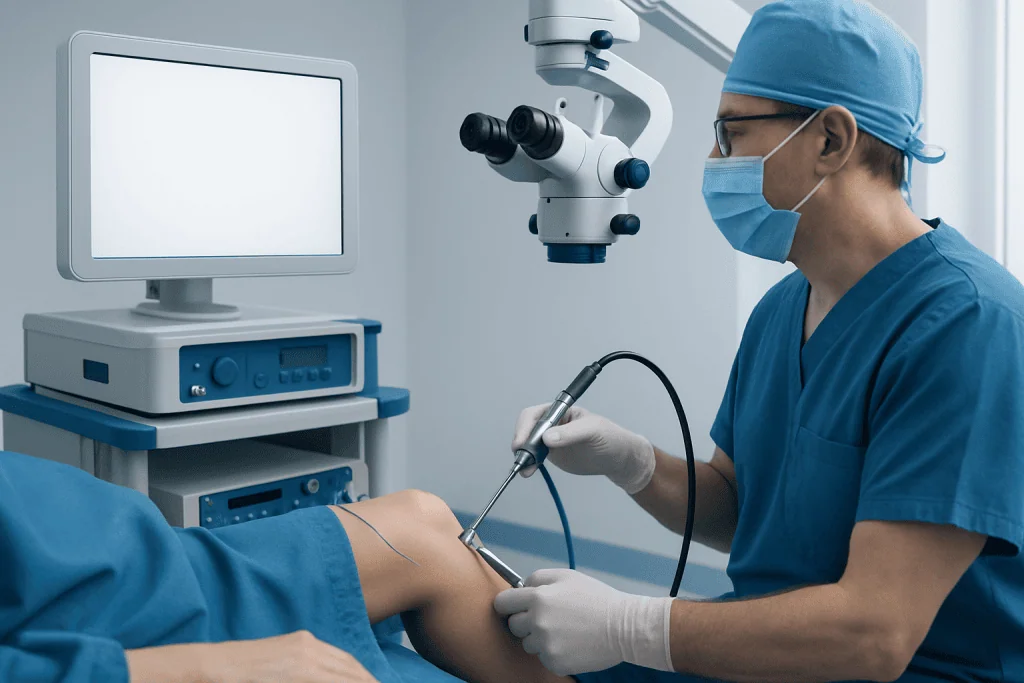
Meniscectomy is usually done with arthroscopy, a minimally invasive technique using a small camera and specialized instruments inserted through tiny cuts around the knee. Compared with open surgery, arthroscopy generally causes less soft-tissue disruption and often allows a faster recovery. Many people have the procedure as day surgery and go home the same day.
Who may need a meniscectomy
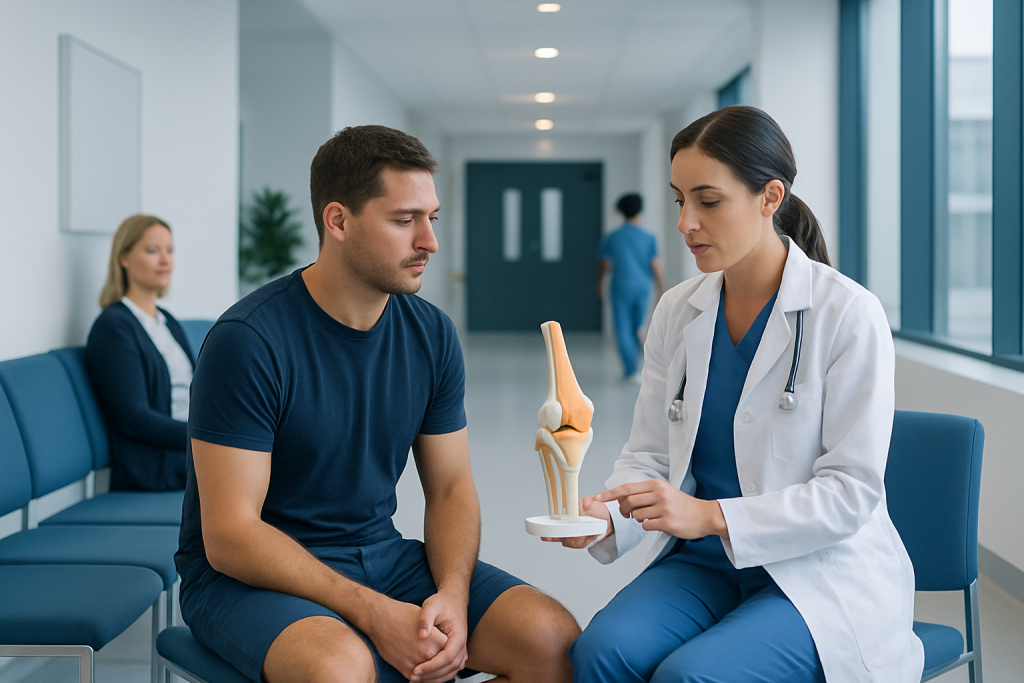
Not every meniscus tear requires surgery. Some tears improve with rest, ice, activity modification, physical therapy, and anti-inflammatory treatment recommended by a doctor. Meniscectomy is more likely to be considered when symptoms continue, especially if the knee repeatedly locks, catches, gives way, or remains painful despite conservative care.
Doctors also look at the type and location of the tear. Tears in areas with poor blood supply may be less likely to heal on their own or with repair. In those situations, trimming the damaged tissue may be more appropriate than stitching it. Meniscectomy may also be recommended when a tear is complex, frayed, or causing a loose fragment inside the joint.
Age, activity level, knee stability, and overall joint condition all matter. Younger patients with certain tears may be better candidates for repair rather than removal because keeping the meniscus is beneficial when possible. On the other hand, some degenerative tears in older adults are managed without surgery unless there are clear mechanical symptoms. A specialist may compare meniscectomy with knee arthroscopy treatment options and, in selected cases, with meniscus repair.
Before surgery: evaluation and diagnosis

Diagnosis begins with a medical history and physical examination. A doctor asks how the injury happened, whether the knee swells, and if symptoms include clicking, locking, or limited bending and straightening. During the exam, the knee is checked for tenderness, joint-line pain, swelling, range of motion, and signs of instability.
Imaging may be used to confirm the diagnosis and rule out other causes of knee pain. X-rays do not show the meniscus itself, but they can help identify arthritis, fractures, or alignment issues. MRI is commonly used when the diagnosis is uncertain or when surgery is being considered, because it gives more detail about soft tissues such as the meniscus, ligaments, and cartilage.
Doctors also consider whether symptoms are due to a simple meniscus tear or another knee problem. Sometimes a tear occurs together with ligament injury or cartilage damage. In some people, knee pain may relate more to wear-and-tear changes than to the tear itself, which can affect whether surgery is likely to help. Related conditions such as meniscus tear or knee pain may be part of the discussion during assessment.
Step by step: what happens during a meniscectomy
Meniscectomy is typically performed under regional or general anesthesia. After the knee is cleaned and prepared, the surgeon makes small incisions, called portals, around the joint. A tiny camera is inserted through one portal so the inside of the knee can be viewed on a screen, while instruments are inserted through another portal to perform the procedure.
The surgeon inspects the meniscus and the rest of the knee joint, including the cartilage surfaces and ligaments. If the tear is suitable for removal rather than repair, the torn and unstable piece is carefully trimmed away. The remaining meniscus is shaped to create a smooth, stable edge while preserving as much healthy tissue as possible. This is why the procedure is often described as a partial meniscectomy.
At the end of the operation, the instruments are removed and the small incisions are closed with dressings or stitches. The procedure itself is often relatively short, though the exact time varies depending on the tear and whether any additional arthroscopic treatment is needed. Many patients go home the same day with instructions about walking, pain control, exercises, and follow-up care.
Benefits, limitations, and possible risks
The main benefits of meniscectomy are symptom relief and improved function. Many people notice less catching, locking, or sharp pain from the torn fragment after surgery. The procedure can also help restore smoother knee movement and make rehabilitation easier when a torn piece is mechanically interfering with joint motion.
At the same time, meniscectomy does not restore the meniscus to its original form. Because some cushioning tissue is removed, the knee may have less shock absorption afterward than before the injury. This is one reason surgeons usually remove only the damaged portion. While many patients do well, meniscectomy may not fully relieve pain if symptoms are largely due to arthritis or widespread cartilage wear.
As with any operation, there are risks. These can include infection, bleeding, stiffness, swelling, blood clots, ongoing pain, or persistent symptoms if the knee has additional problems. There is also a longer-term concern that removing meniscus tissue may increase stress on the joint and contribute to later degeneration in some patients. A careful discussion with an orthopedic specialist helps balance likely benefits and risks for each individual.
- Potential benefits: less pain, less locking, better mobility, quicker return to daily activity than some other procedures
- Possible limitations: symptoms may persist if arthritis is a major cause of pain
- Possible risks: infection, stiffness, swelling, clotting, re-injury, or future joint wear
Recovery timeline and rehabilitation
Recovery after meniscectomy is often quicker than recovery after meniscus repair, but it still takes time for swelling to settle and strength to return. Many people can stand and walk with support shortly after surgery, sometimes on the same day. Crutches may be used for comfort for a short period, depending on pain, balance, and the surgeon’s advice.
During the first days, common recommendations include rest, ice, elevation, and gentle movement. Physical therapy or home exercises may begin early to improve range of motion, reduce stiffness, and rebuild the muscles that support the knee. Strengthening the quadriceps, hamstrings, and hip muscles is especially important for knee stability and function.
Return to work and activity depends on the person’s job, baseline fitness, and the amount of tissue removed. Desk work may be possible within days to a couple of weeks, while more demanding work or sports usually takes longer. Higher-impact activity is generally resumed gradually and only after swelling, pain, and strength have improved. A doctor may also recommend physical therapy and rehabilitation to support a safe recovery.
People should keep in mind that recovery is not only about wound healing. Regaining confidence in the knee, improving balance, and restoring normal movement patterns can take several weeks. Following the rehabilitation plan closely may improve comfort and help reduce the risk of future problems.
Self-care after surgery and protecting the knee long term
After meniscectomy, self-care focuses on reducing swelling, protecting healing tissues, and gradually rebuilding function. It helps to avoid twisting, deep squatting, or sudden pivoting until the knee is stronger and the doctor says these movements are safe. Supportive footwear and attention to walking mechanics may also reduce unnecessary strain.
Weight management, regular low-impact exercise, and ongoing muscle strengthening can help protect the knee over time. Activities such as cycling, swimming, and structured strengthening are often easier on the joint than repetitive jumping or sharp pivoting sports. The best long-term plan depends on age, previous injuries, and whether there is any cartilage wear or early osteoarthritis.
If symptoms return, it is important not to assume it is just part of healing. New swelling, repeated locking, or increasing pain may suggest another problem that needs review. Near the end of the treatment journey, some patients choose care at centers such as Acibadem International, where multidisciplinary specialists in JCI-accredited hospitals diagnose and treat knee conditions for international patients.
When to seek medical care
Medical care is advisable if knee pain follows a twist, sports injury, or sudden movement and does not improve with rest and basic self-care. An evaluation is also important when the knee repeatedly locks, catches, gives way, or cannot fully bend or straighten. These symptoms may suggest a meniscus tear or another joint injury that needs proper assessment.
After surgery, prompt medical advice is needed for warning signs such as fever, worsening redness around the incisions, severe calf pain, shortness of breath, or rapidly increasing swelling. Persistent drainage from the wound or pain that is getting worse rather than better also deserves attention. Early review helps identify treatable problems and supports safer recovery.
Even without urgent symptoms, patients should contact their doctor if progress seems slower than expected or if they are unsure when to return to work, driving, exercise, or sport. Individual guidance matters because recovery can vary from person to person.
Frequently asked questions
Is meniscectomy the same as meniscus repair?
No. Meniscectomy removes the damaged part of the meniscus, while meniscus repair stitches the tear to help it heal. Repair preserves more tissue, but it is only suitable for certain tear patterns and locations.
How long does it take to recover from a meniscectomy?
Initial recovery is often measured in days to weeks, but full recovery depends on swelling, strength, and activity goals. Many people return to everyday walking fairly quickly, while sports and heavier physical work usually take longer. The treating surgeon and physiotherapist provide the safest timeline.
Will a meniscectomy cure knee pain?
It can relieve symptoms caused by a torn, unstable meniscus, especially locking or catching. However, it may not fully resolve pain if the knee also has arthritis, cartilage damage, or other structural problems. Outcomes are best understood after a full orthopedic assessment.
Can someone walk after meniscectomy?
Many patients can walk soon after surgery, often the same day, although crutches may be used briefly for comfort and balance. The exact plan depends on the procedure performed, pain level, and the surgeon's instructions. Walking is usually increased gradually.
What are the long-term effects of removing part of the meniscus?
Removing meniscus tissue can reduce the knee's natural cushioning, which may increase stress on the joint over time. That does not mean everyone will develop major problems, but preserving as much healthy meniscus as possible is important. Strengthening, weight management, and joint-friendly exercise may help protect the knee long term.
When is surgery not usually the first choice for a meniscus tear?
Surgery may not be the first step when symptoms are mild, there is no locking, and the knee improves with rest, physical therapy, and activity changes. Some tears, especially degenerative ones, can often be managed without an operation. The decision depends on symptoms, tear type, age, and overall knee health.
References
- American Academy of Orthopaedic Surgeons
- National Institute of Arthritis and Musculoskeletal and Skin Diseases
- OrthoInfo
- National Health Service
- American Orthopaedic Society for Sports Medicine
This article is for general information only and is not a substitute for professional medical advice. Please consult a qualified doctor about your individual situation.
Joint and spine care in Turkey — expert assessment & treatment
JCI-accredited · board-certified surgeons · reply within 24h
Add us as a Preferred Source to see more of our trusted health content across Google Search, AI Overviews and Discover.