Glass Eye — Explained by Medical Evidence, Not Myths

A glass eye is usually an acrylic ocular prosthesis rather than actual glass. It improves appearance and helps support the eye socket, but it does not restore sight.
Key Takeaways
- A glass eye is usually an acrylic ocular prosthesis rather than actual glass.
- It improves appearance and helps support the eye socket, but it does not restore sight.
- Most people need regular follow-up for cleaning, polishing, and fit checks.
- Redness, discharge, pain, or a changing fit should be assessed by an eye specialist.
- Eye removal and prosthesis fitting are planned as part of a longer rehabilitation process.
A glass eye is an artificial eye, also called an ocular prosthesis, made to restore the appearance of an eye after the eye has been removed or is absent. It does not bring back vision, but when it is properly fitted and cared for, it can support comfort, confidence, and a natural-looking result.
Overview: what a glass eye really is
A glass eye is an artificial eye worn after a natural eye has been removed or is missing. In modern practice, the term often describes an ocular prosthesis made from medical-grade acrylic rather than true glass. Its main purpose is to restore the appearance of the eye and help maintain the shape of the eye socket.
A glass eye does not restore vision. Instead, it sits over an implant or within the socket and is custom painted to match the other eye as closely as possible. This can help many people feel more comfortable with facial symmetry and day-to-day social interaction.
Use of a prosthetic eye is usually one step in a broader care pathway. That pathway may begin after severe injury, painful blind eye, certain eye cancers, infection, or congenital absence of the eye. Evaluation by specialists in ophthalmology care helps determine the safest timing for surgery, healing, and prosthesis fitting.
How a glass eye is made and fitted
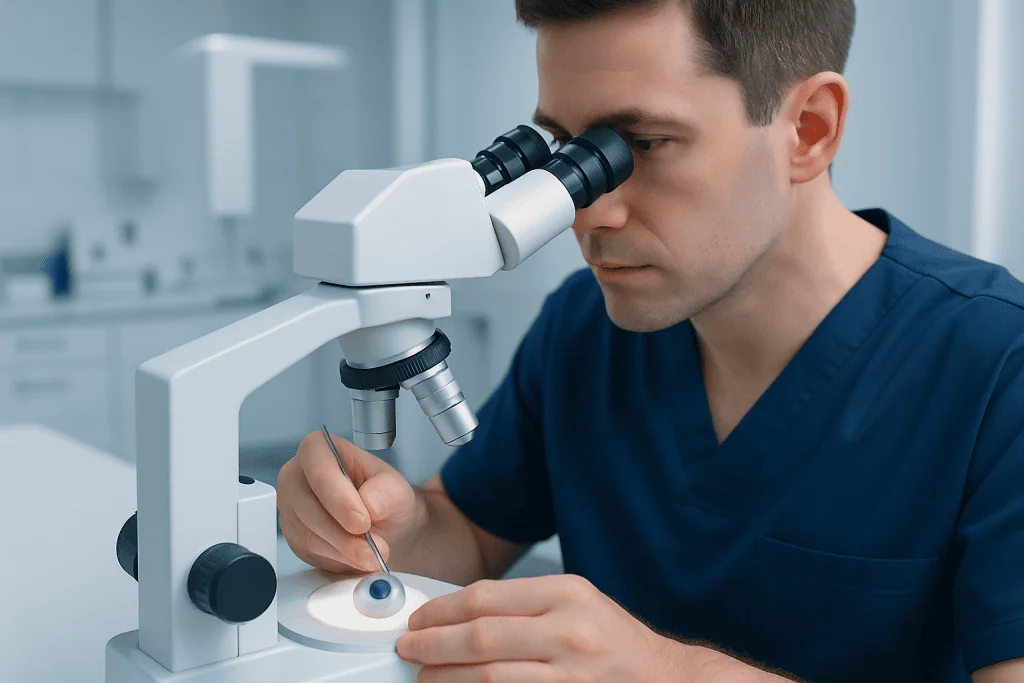
Each ocular prosthesis is custom made. After the socket has healed enough, an ocularist or eye prosthetics specialist takes an impression or measurements of the socket. The prosthesis is then shaped, colored, and polished to resemble the other eye, including the iris, white of the eye, and tiny surface details.
In many cases, the prosthesis is worn over an orbital implant placed during eye removal surgery. The implant helps support volume in the socket, while the outer prosthesis provides the visible appearance. Some movement is often possible because surrounding tissues and muscles can transmit motion to the prosthesis, although movement is usually less than that of a natural eye.
Several visits may be needed to refine comfort and appearance. A person may notice mild awareness of the prosthesis at first, but a well-fitted device should not cause ongoing pain. Good fit matters not only for appearance, but also for eyelid position, tear flow, and long-term socket health.
Why someone may need a prosthetic eye

There are several medical reasons a person may need a glass eye. These include severe trauma, an eye that has become blind and painful, certain tumors inside the eye, major infection, or serious structural damage that cannot be repaired. Some children are also born with an absent or very small eye and may need staged care as they grow.
Doctors may recommend eye removal when keeping the eye would not improve comfort or safety. Depending on the reason, this may involve removing the contents of the eye while leaving the outer shell, or removing the entire eyeball. The exact surgical approach is chosen by the treating eye surgeon.
Underlying conditions also affect planning and follow-up. For example, prosthetic eye care may be part of treatment after retinoblastoma or other serious eye disease. In some situations, doctors also evaluate nearby structures with MRI or other imaging to guide treatment and rehabilitation.
What to expect after eye removal surgery
After surgery, the socket needs time to heal before a final prosthesis is fitted. A temporary conformer, which is a clear shell that helps preserve the socket shape, is often used during the healing period. Swelling, bruising, and temporary discomfort are common early on and usually improve with routine postoperative care.
The timeline varies from person to person. A surgeon monitors healing, eyelid position, and the condition of the socket before the custom prosthesis is made. People are often advised to avoid rubbing the area and to follow instructions about cleaning, eye drops, and activity restrictions.
Emotional adjustment is also an important part of recovery. Losing an eye can affect self-image, confidence, and daily routines. Support from clinicians, family, and peer groups can be helpful while a person adapts to changes in appearance and depth perception.
Daily care, cleaning, and long-term maintenance
A glass eye usually does not need to be removed every day. In many cases, the prosthesis can remain in place for extended periods, with cleaning and removal done on the schedule advised by the ocularist or ophthalmologist. Over-handling can sometimes irritate the socket, so care should be individualized.
Routine maintenance often includes gentle cleaning, lubrication if recommended, and regular professional polishing. Over time, deposits can build up on the surface, or the socket tissues may change, affecting comfort and fit. Children may need more frequent reviews because the face and socket are still developing.
People should avoid using harsh household chemicals or unapproved products on the prosthesis. Helpful long-term habits often include:
- washing hands before touching the prosthesis or eyelids
- following the specialist’s instructions for removal and reinsertion
- attending regular follow-up visits for polishing and fit checks
- reporting new discharge, bleeding, or persistent irritation
- protecting the remaining eye with appropriate safety eyewear when needed
Possible problems and how doctors assess them
Most people do well with a prosthetic eye, but some problems can occur. These may include dryness, mucous discharge, irritation, poor fit, eyelid drooping, implant exposure, or socket inflammation. A prosthesis that once felt comfortable may become less stable over time as tissues change.
Assessment usually starts with an eye and socket examination. The doctor checks the eyelids, conjunctiva, implant position, tear function, and the prosthesis surface. If there is concern about infection, deeper inflammation, or a structural issue, further imaging may be needed, sometimes including CT scanning.
Many issues can be improved with cleaning, polishing, relining, medication, or adjustment of the prosthesis. More significant socket problems may need minor procedures or reconstructive surgery. Early review is important because persistent friction or inflammation can make treatment more complicated if ignored.
When to seek medical care
Medical review is important if there is persistent pain, increasing redness, swelling, bleeding, fever, or thick discharge from the socket. These symptoms can suggest infection, inflammation, a poor fit, or a problem with the implant or surrounding tissue. Sudden change should not be dismissed as a routine irritation.
A person should also seek care if the prosthesis repeatedly falls out, no longer sits correctly, or causes new eyelid changes. Children need prompt review if the socket appears not to be growing as expected or if facial asymmetry is increasing. Protecting and monitoring the remaining eye is especially important because it carries all functional vision.
Near the end of the care journey, ongoing support from experienced teams can make a practical difference. Acibadem International’s multidisciplinary specialists and JCI-accredited hospitals diagnose and treat conditions related to eye loss and prosthetic eye rehabilitation for international patients.
Frequently asked questions
Is a glass eye really made of glass?
Usually no. Most modern prosthetic eyes are made from medical-grade acrylic, even though many people still call them glass eyes. Acrylic is durable, can be carefully shaped, and allows detailed color matching.
Can a glass eye see?
No, a glass eye does not restore vision. Its role is cosmetic and structural, helping maintain the shape of the eye socket and the appearance of the eye area. Vision depends on the natural eye and the visual pathways, which a prosthesis cannot replace.
How long does it take to get a prosthetic eye after surgery?
The timing depends on healing, the type of surgery, and the condition of the socket. A temporary conformer is often used first, and the final custom prosthesis is fitted after enough healing has occurred. The surgeon and ocularist decide the safest schedule for each person.
Does wearing a glass eye hurt?
A well-fitted prosthetic eye should not cause ongoing pain. Some awareness, dryness, or mild irritation may occur at times, especially if the socket is inflamed or the fit has changed. Persistent discomfort should be checked by an eye specialist.
How often does a glass eye need to be cleaned or replaced?
Cleaning schedules vary, and many people do not need to remove the prosthesis every day. Regular polishing and review are usually recommended, and replacement may be needed if the surface wears down or the socket shape changes. Children often need more frequent adjustments as they grow.
Will a glass eye move like a natural eye?
It can move to some degree, especially when it is fitted over an orbital implant, but movement is usually less than that of the natural eye. The amount of motion depends on the surgery, implant, socket tissues, and prosthesis design. A custom fit helps achieve the most natural result possible.
This article is for general information only and is not a substitute for professional medical advice. Please consult a qualified doctor about your individual situation.
Explore treatments in Turkey — costs, top hospitals & a free quote
JCI-accredited · board-certified surgeons · reply within 24h
Add us as a Preferred Source to see more of our trusted health content across Google Search, AI Overviews and Discover.

More from the Health Library
Ketoconazole Shampoo: An Evidence-Based Guide for Patients

Duodenalulcus: A Complete Medical Overview

Misoprostol Uses: An Evidence-Based Guide for Patients
Blind Pimple: An Evidence-Based Guide for Patients

Chinese Fruits — Explained by Medical Evidence, Not Myths