Glymphatic System: An Evidence-Based Guide for Patients

The glymphatic system helps clear waste from the brain using cerebrospinal fluid. Its activity appears to be strongest during sleep, particularly restful sleep.
Key Takeaways
- The glymphatic system helps clear waste from the brain using cerebrospinal fluid.
- Its activity appears to be strongest during sleep, particularly restful sleep.
- Research links glymphatic function with aging, sleep quality, brain injury, and neurological disease.
- There is no routine clinical test for glymphatic function, but doctors may investigate related symptoms or conditions.
- Good sleep habits, management of vascular risk factors, and timely medical care may support brain health overall.
The glymphatic system is the brain’s fluid-based cleaning network. It helps move cerebrospinal fluid through brain tissue to clear metabolic waste, especially during sleep, and researchers believe it may play an important role in long-term brain health.
Overview: what the glymphatic system is
The glymphatic system is a recently described waste-clearance pathway in the brain. In simple terms, it is a network that helps cerebrospinal fluid move around blood vessels and through brain tissue, where it can collect and carry away byproducts of normal brain activity. Researchers named it the “glymphatic” system because it depends on glial cells, which support and protect nerve cells.
Patients often ask whether the glymphatic system is an organ or a disease. It is neither. It is a process or pathway that helps maintain the brain’s internal environment. This matters because the brain produces waste as it uses energy, and that waste needs to be cleared efficiently.
Unlike many other organs, the brain does not rely on a typical lymphatic drainage system within its tissue. Instead, the glymphatic system appears to serve a similar cleaning role. It works closely with cerebrospinal fluid and with recently recognized lymphatic vessels in the membranes around the brain, helping support overall brain function.
This is an active area of medical research. Scientists have learned a great deal in the last decade, but not every detail is fully understood yet. For patients, the main takeaway is that healthy sleep and general brain health may support the brain’s natural cleaning mechanisms.
How the glymphatic system works
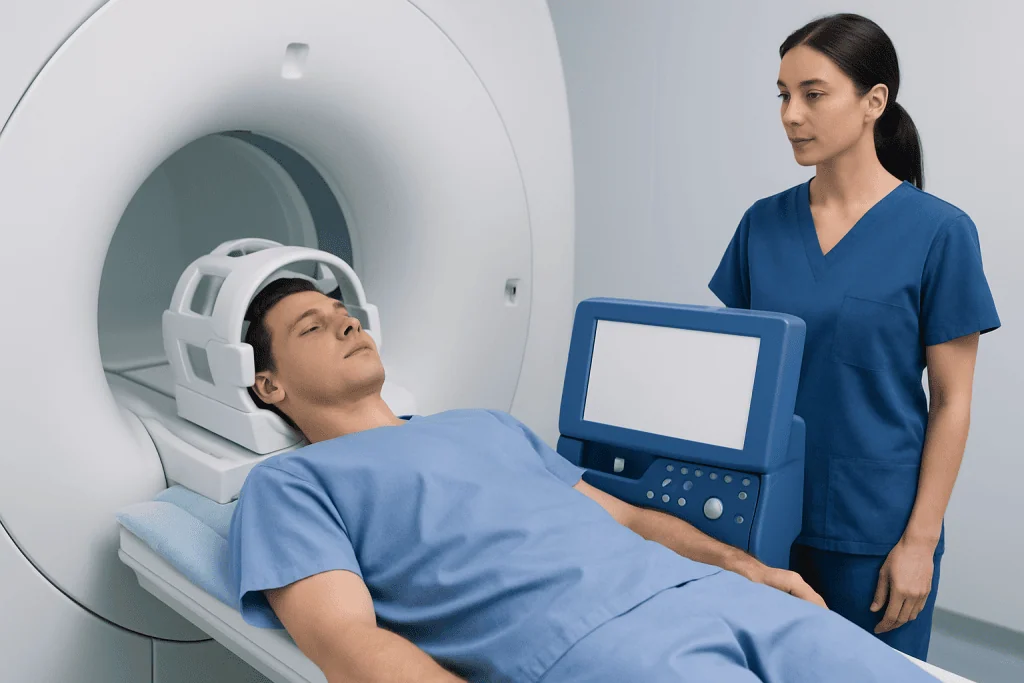
The brain is bathed in cerebrospinal fluid, a clear liquid that cushions the brain and spinal cord. In the glymphatic pathway, this fluid moves along spaces surrounding blood vessels, then enters brain tissue. There, it mixes with interstitial fluid, the fluid between brain cells, and helps wash away dissolved waste products.
Specialized glial cells called astrocytes are thought to be central to this process. Their end-feet wrap around blood vessels and contain water channels known as aquaporin-4. These channels appear to help regulate fluid movement in and out of brain tissue, making waste clearance more efficient.
After collecting waste, the fluid exits along venous pathways and drains toward lymphatic vessels outside the brain. This does not happen in a single burst but as part of a continuous fluid circulation process. Arterial pulsation, breathing, body position, and sleep state may all influence how effectively this movement occurs.
Because this process is dynamic, many factors can affect it. Researchers are studying how changes in blood vessel health, inflammation, head injury, and aging may alter flow through the glymphatic system and influence neurological health over time.
Why sleep matters for the glymphatic system
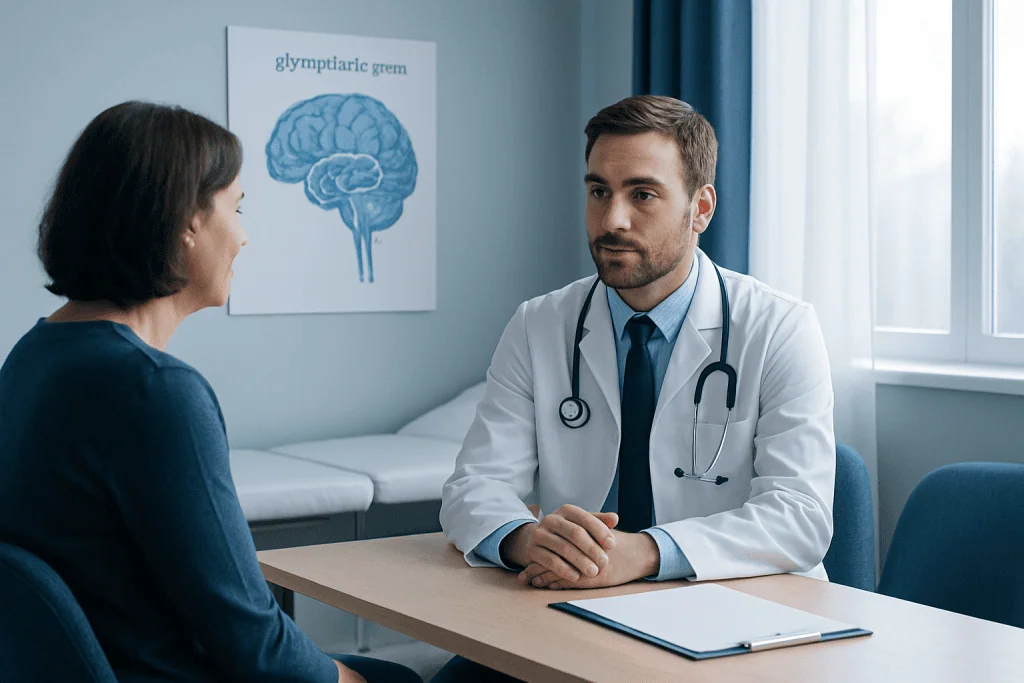
Sleep is one of the most important factors linked to glymphatic activity. Research suggests that the brain’s waste-clearance function becomes more active during sleep than during wakefulness. This may be one reason why sleep is so important for mental clarity, memory, and overall brain recovery.
During deeper stages of sleep, the spaces between brain cells may allow fluid to move more freely. As a result, waste products can be cleared more effectively. Poor sleep, fragmented sleep, and chronic sleep deprivation may reduce this benefit, although scientists are still working to define exactly how this affects health in the long term.
This does not mean that one bad night of sleep causes lasting harm. However, ongoing sleep problems deserve attention because they can affect concentration, mood, blood pressure, metabolism, and brain health. People with heavy snoring, pauses in breathing during sleep, or excessive daytime fatigue may need evaluation for sleep disorders.
When sleep concerns are significant, a doctor may assess for conditions such as sleep apnea. In some cases, further evaluation in a sleep laboratory assessment can help clarify whether disrupted sleep is contributing to symptoms and potentially affecting restorative brain processes.
What affects glymphatic function
Aging appears to influence the glymphatic system. As people get older, changes in blood vessels, sleep quality, and the distribution of aquaporin-4 channels may reduce the efficiency of fluid movement in the brain. This may be one reason researchers are interested in glymphatic function in age-related neurological conditions.
Sleep disorders are another important factor. Obstructive sleep apnea, insomnia, and highly fragmented sleep may interfere with the periods when glymphatic clearance is thought to work best. Vascular conditions such as hypertension, diabetes, and atherosclerosis may also play a role by affecting blood vessel pulsation and overall brain perfusion.
Head trauma is a major area of interest. After a concussion or more significant brain injury, swelling, inflammation, and altered fluid dynamics may disrupt the brain’s normal cleaning pathways. Patients recovering from traumatic brain injury may therefore need careful follow-up, especially if cognitive symptoms, headaches, or sleep problems persist.
Researchers are also studying links between glymphatic dysfunction and neurodegenerative diseases, including Alzheimer’s disease. These studies are important, but they do not mean that glymphatic changes alone cause dementia. Brain diseases are complex and usually involve many biological processes.
Symptoms, diagnosis, and what testing can show
The glymphatic system itself does not cause a unique set of symptoms that patients can easily recognize. There is currently no standard office test that directly measures glymphatic function in routine clinical practice. Instead, doctors focus on the symptoms a person is experiencing and on possible related conditions.
Symptoms that prompt medical assessment may include memory changes, persistent headaches, poor sleep, daytime sleepiness, difficulty concentrating, balance problems, or neurological changes after a head injury. These symptoms do not automatically mean there is a glymphatic problem, but they can signal a need for evaluation.
Diagnosis usually starts with a medical history, neurological examination, and review of sleep patterns, medications, and overall health. Depending on the situation, doctors may recommend brain imaging such as MRI or tests that assess sleep, cognition, or other neurological functions. Imaging may identify structural problems or signs of another condition, even though it does not serve as a simple routine “glymphatic scan” for most patients.
In research settings, advanced imaging techniques are being used to study fluid movement in the brain. These methods are helping scientists understand disease mechanisms, but they are not yet part of everyday care for most people. Patients should be cautious about claims that promise direct measurement or quick fixes for glymphatic health.
Treatment options and ways to support brain health
There is no single treatment prescribed specifically to “fix” the glymphatic system. Instead, treatment focuses on the medical issue that may be affecting brain health or sleep. For example, managing sleep apnea, controlling blood pressure, treating diabetes, or addressing recovery after a concussion may all be relevant depending on the person’s situation.
For patients with sleep-related symptoms, improving sleep quality is often a practical first step. This may include treating an underlying sleep disorder, reviewing sedating or stimulating medications with a clinician, and addressing nasal blockage, obesity, reflux, or other issues that worsen sleep. In selected cases, doctors may recommend neurology rehabilitation after brain injury or neurological illness to support recovery of daily function.
General vascular health is also important. Regular physical activity, a balanced eating pattern, smoking cessation, and treatment of hypertension can help support blood vessel function, which may indirectly benefit the brain’s fluid dynamics. Limiting excess alcohol and maintaining a consistent sleep schedule may also be helpful.
Near the end of a patient’s care journey, coordinated specialist input can be valuable. Acibadem International’s multidisciplinary specialists and JCI-accredited hospitals evaluate and treat neurological, sleep, and brain-health conditions for international patients when a broader assessment is needed.
Prevention and self-care habits
Although no lifestyle measure can guarantee optimal glymphatic function, several everyday habits support overall brain health. The most consistent advice is to protect sleep. A regular bedtime, a dark and quiet sleep environment, and reduced late-evening screen exposure may help improve sleep quality.
Patients should also pay attention to conditions that commonly disrupt healthy sleep and circulation. These include loud snoring, restless sleep, untreated depression or anxiety, chronic pain, obesity, and high blood pressure. Managing these issues can improve quality of life and may also support the brain’s natural restoration processes.
Helpful self-care habits include:
- Keeping a consistent sleep-wake schedule
- Getting regular physical activity most days of the week
- Managing blood pressure, blood sugar, and cholesterol
- Avoiding tobacco and limiting excess alcohol
- Seeking medical advice for persistent snoring, insomnia, or daytime fatigue
- Using helmets and safety precautions to reduce head injury risk
Patients should remember that social media advice about “detoxing the brain” is often oversimplified. The best-supported approach is not a special supplement or device, but a combination of healthy sleep, prevention of injury, and good management of chronic health conditions.
When to seek medical care
Medical care is important when symptoms suggest a sleep disorder, neurological problem, or possible brain injury. A person should speak with a doctor if they have ongoing memory difficulties, worsening headaches, persistent daytime sleepiness, loud snoring with witnessed breathing pauses, or concentration problems that interfere with daily life.
Prompt evaluation is especially important after a head injury if there is loss of consciousness, repeated vomiting, severe headache, confusion, weakness, seizure, or unusual drowsiness. These symptoms may signal a condition that needs urgent attention rather than a simple sleep-related issue.
People with progressive cognitive decline, personality change, balance problems, or new neurological symptoms should also seek assessment. In these situations, doctors may look for causes such as sleep disorders, medication effects, vascular problems, or neurological disease rather than assuming a glymphatic problem alone.
When in doubt, it is reasonable to ask a qualified clinician whether symptoms could be related to sleep, brain health, or another medical condition. Early evaluation often helps identify treatable causes and provides reassurance when serious disease is not present.
Frequently asked questions
What is the glymphatic system in simple terms?
The glymphatic system is the brain’s waste-clearing network. It uses cerebrospinal fluid to help wash away byproducts of normal brain activity, especially during sleep.
Can the glymphatic system be improved?
There is no proven treatment that directly boosts glymphatic function on its own. The most practical steps are to protect sleep, manage chronic health conditions, avoid head injury, and seek care for problems such as sleep apnea or persistent neurological symptoms.
Does poor sleep damage the glymphatic system?
Poor sleep may reduce the brain’s ability to clear waste efficiently, especially when sleep loss is chronic. Researchers are still studying the long-term effects, but good sleep is widely considered important for healthy brain function.
Is the glymphatic system related to Alzheimer’s disease?
Research suggests there may be a connection between glymphatic clearance and the buildup of certain brain proteins seen in Alzheimer’s disease. However, Alzheimer’s disease is complex, and glymphatic dysfunction is only one possible piece of a much larger picture.
Can doctors test the glymphatic system?
There is no standard routine clinical test that directly measures glymphatic function for most patients. Doctors usually evaluate symptoms, sleep quality, neurological findings, and brain imaging when needed to look for related conditions.
What symptoms might suggest a related problem?
Symptoms such as loud snoring, breathing pauses during sleep, excessive daytime tiredness, memory changes, persistent headaches, or ongoing symptoms after a head injury deserve medical attention. These symptoms do not prove a glymphatic disorder, but they can point to sleep or neurological conditions that need assessment.
References
- National Institute of Neurological Disorders and Stroke
- National Institute on Aging
- American Academy of Sleep Medicine
- Centers for Disease Control and Prevention
- Alzheimer's Association
This article is for general information only and is not a substitute for professional medical advice. Please consult a qualified doctor about your individual situation.
Explore treatments in Turkey — costs, top hospitals & a free quote
JCI-accredited · board-certified surgeons · reply within 24h
Add us as a Preferred Source to see more of our trusted health content across Google Search, AI Overviews and Discover.
Check your numbers in seconds
BMI, calories, due date, blood pressure and 30+ more clinical calculators — free, instant, doctor-reviewed ranges.

More from the Health Library

Kussmaul Respirations — Explained by Medical Evidence, Not Myths
Artificial Tears for Eye Twitching: What Patients Need to Know

Adenovirus: An Evidence-Based Guide for Patients

Dysrhythmia: What Patients Need to Know

Calf Stretch Stretch: What Patients Need to Know