Artificial Tears for Eye Twitching: What Patients Need to Know

Artificial tears may ease eye twitching if dryness or irritation is contributing to the problem. Most common eyelid twitching is benign and temporary, often linked to stress, fatigue, caffeine, or dry eye.
Key Takeaways
- Artificial tears may ease eye twitching if dryness or irritation is contributing to the problem.
- Most common eyelid twitching is benign and temporary, often linked to stress, fatigue, caffeine, or dry eye.
- Lubricating drops do not treat every cause of twitching, especially if symptoms are persistent, severe, or involve other facial muscles.
- Preservative-free drops are often preferred when tears are used frequently or when the eyes are sensitive.
- Medical assessment is important if twitching lasts for weeks, affects vision, or comes with pain, redness, or eyelid closure.
Artificial tears for eye twitching can be helpful when the eyelid spasm is linked to dry, irritated eyes. They soothe the eye surface and may reduce one trigger for twitching, but they are not a cure for all types of eyelid spasms.
Overview: Can Artificial Tears Help Eye Twitching?
Yes, artificial tears for eye twitching can help in some people, especially when the twitch is being triggered or worsened by dry eyes, eye strain, or mild surface irritation. These lubricating drops do not stop the eyelid muscle directly, but they can calm irritation on the surface of the eye, which may reduce the reflex tendency to blink or twitch.
Eye twitching usually refers to small, repetitive movements of the eyelid, often called eyelid myokymia. This is common, usually harmless, and often short-lived. Many episodes are linked to everyday factors such as lack of sleep, stress, heavy screen use, caffeine, or dry indoor air.
Artificial tears are one part of symptom relief rather than a complete treatment for every case. If dryness is not the main trigger, lubricating drops may offer little benefit. Persistent or unusual twitching should be assessed by an eye specialist to rule out other eye conditions or less common neurologic causes.
How Eye Dryness Can Trigger Eyelid Twitching
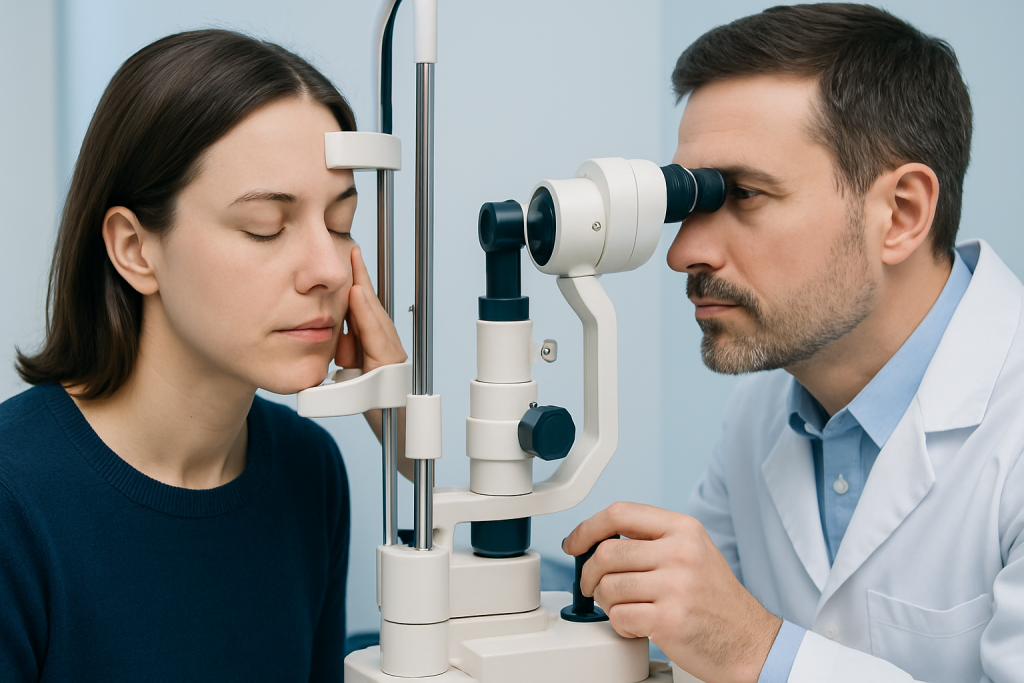
The front surface of the eye depends on a healthy tear film to stay smooth and comfortable. When the tear film is unstable, the eye may feel dry, gritty, burning, watery, or tired. Even though that sounds unrelated to muscle activity, surface irritation can increase blinking and make the eyelid feel jumpy or twitchy.
Dryness can develop for many reasons, including long hours looking at digital screens, air conditioning, heating, wind, contact lens wear, aging, and some medications. During screen use, people tend to blink less fully and less often, which can make evaporation worse and contribute to both eye strain and dryness-related twitching.
Artificial tears replace or support natural tears and help protect the ocular surface. For patients whose eye twitching happens alongside dry eye symptoms, this simple step may reduce irritation and improve comfort. If symptoms of dryness are prominent, a doctor may also evaluate for dry eye as an underlying condition rather than treating the twitch alone.
When Artificial Tears Are Most Likely to Help
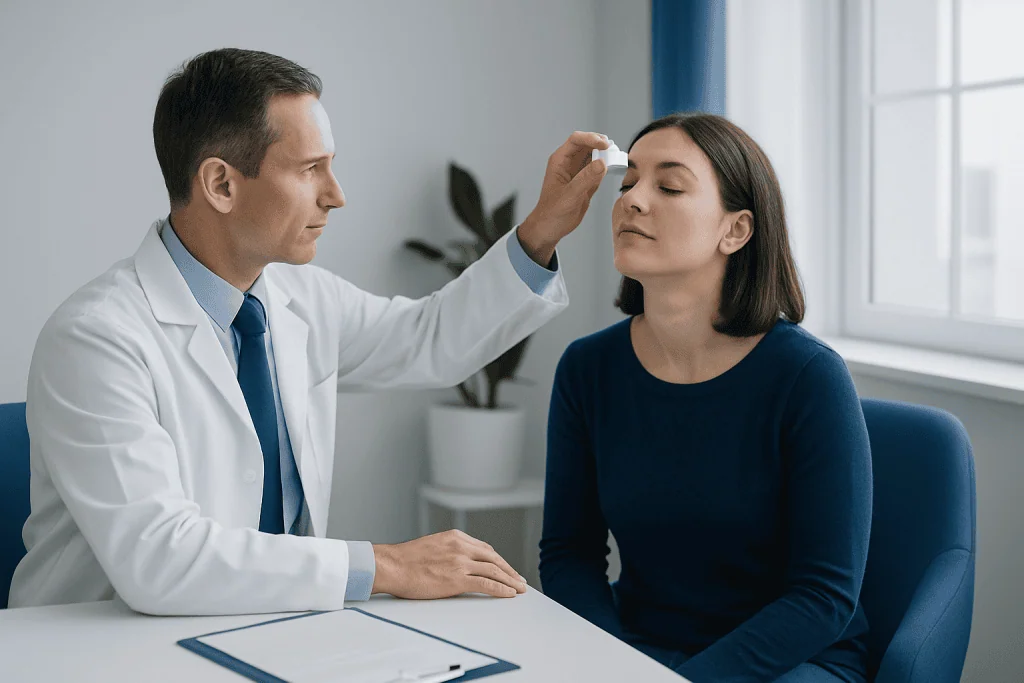
Artificial tears are most useful when eye twitching appears together with symptoms such as stinging, burning, a sandy sensation, redness, fluctuating blurry vision that improves after blinking, or discomfort during reading and screen time. In these situations, lubrication can be a practical first step because it targets one of the most common reversible triggers.
These drops may also help after prolonged visual tasks, travel in dry environments, or exposure to smoke, dust, or air conditioning. People who wear contact lenses may notice twitching when their eyes become dry late in the day; switching to lubricating drops approved for contact lens use may provide relief if advised by a clinician.
However, artificial tears are less likely to solve twitching caused mainly by fatigue, high caffeine intake, emotional stress, or certain medications. They also do not treat involuntary spasms that are strong enough to force the eyelid closed. If the twitching is frequent or troublesome, an eye examination can determine whether lubrication alone is enough or whether a broader assessment is needed.
Choosing and Using Artificial Tears Safely
Artificial tears are available in many forms, including standard drops, preservative-free single-use drops, gels, and thicker ointments used mainly at night. For occasional mild symptoms, regular lubricating drops may be enough. For frequent use or sensitive eyes, preservative-free products are often preferred because repeated exposure to preservatives can sometimes increase irritation.
It is generally best to choose simple lubricating drops rather than products marketed to “get the red out,” which may contain vasoconstrictors and are not intended for routine management of twitching. A pharmacist or eye doctor can help identify a suitable option, especially for people who wear contact lenses or already use prescription eye medications.
Good technique matters. Hands should be washed before using drops, and the bottle tip should not touch the eye or skin. If more than one eye medication is used, leaving time between products helps them work properly. For some patients, doctors may recommend a broader dry eye treatment plan if lubrication alone does not control symptoms.
- Use drops as directed on the product label or by a clinician.
- Consider preservative-free tears if using them several times a day.
- Avoid sharing eye drops with others.
- Discard products according to package instructions.
Other Common Causes of Eye Twitching
Not all eye twitching is due to dryness. In many adults, the most common cause is a temporary eyelid spasm related to stress, fatigue, or stimulant use. Too much caffeine, inadequate sleep, and prolonged concentration can all make twitching more noticeable. Alcohol use and nicotine may also contribute in some people.
Eye strain is another frequent factor. Long periods of reading, driving, or working on digital devices can tire the eyes and surrounding muscles. Uncorrected vision problems may worsen this, so some people benefit from an updated eye exam and appropriate vision correction options or glasses if refractive error is part of the problem.
Less commonly, twitching may be associated with irritation from allergies, inflammation of the eyelid margins, or corneal problems. Rarely, stronger or more persistent spasms can be caused by conditions such as benign essential blepharospasm or a neurologic disorder. These causes are uncommon, but they are important to consider if symptoms are not following the typical mild, short-term pattern.
Diagnosis: What a Doctor May Check
Most mild eyelid twitching does not require extensive testing, but an eye doctor can evaluate the pattern of symptoms and look for a treatable trigger. The visit often includes questions about how long the twitching has lasted, how often it occurs, whether one or both eyes are involved, and whether there are associated symptoms such as dryness, blurred vision, pain, redness, headache, or facial spasm.
The examination may assess the tear film, eyelid margins, cornea, and conjunctiva, as well as blinking and eyelid closure. Doctors may also ask about sleep, stress, medications, caffeine intake, contact lens use, and digital screen habits. If the twitching is severe or unusual, they may check whether the problem fits a condition such as blepharospasm.
Further investigations are not always needed. If symptoms suggest an underlying eye disease, vision issue, or neurologic problem, targeted testing may be recommended. The goal is to identify whether lubrication and lifestyle changes are enough or whether a different treatment pathway is more appropriate.
What Else Can Help Besides Artificial Tears?
When artificial tears provide only partial relief, simple lifestyle measures often help reduce twitching. Better sleep, regular breaks from screens, reduced caffeine intake, and stress management are common first-line strategies. Applying a warm compress to closed eyelids may improve comfort if eyelid margin irritation is present.
For digital eye strain, the patient may benefit from blinking more deliberately and taking frequent visual breaks. Adjusting room humidity, limiting direct airflow from fans or vents, and staying well hydrated can also support eye comfort. If contact lenses are contributing, reducing wear time or discussing alternatives with an eye doctor may help.
In selected cases, treatment focuses on the underlying cause rather than the twitch itself. That may include managing eyelid inflammation, allergies, or significant dry eye. If twitching is part of a broader eye problem, clinicians may recommend specialist evaluation, including a comprehensive eye examination to guide treatment choices.
When to Seek Medical Care
Short episodes of mild eyelid twitching often improve on their own, especially when triggers such as dryness, fatigue, or stress are addressed. Still, medical advice is important if the twitching lasts for several weeks, becomes stronger, or keeps returning despite lubrication and self-care.
A doctor should also assess twitching that affects vision, causes the eyelid to close completely, involves other parts of the face, or occurs with eye pain, significant redness, light sensitivity, discharge, or swelling. These features suggest that the problem may be more than a simple dryness-related twitch.
Prompt review is especially sensible if there is a new drooping eyelid, facial weakness, double vision, or a recent injury. International patients who need specialist evaluation can be assessed at Acibadem International, where multidisciplinary teams in JCI-accredited hospitals diagnose and treat eye conditions with an individualized approach.
Frequently asked questions
Do artificial tears stop eye twitching immediately?
Artificial tears may relieve twitching fairly quickly if dry eye or surface irritation is the trigger, but they do not directly switch off the eyelid muscle. Some people notice improvement within minutes to hours, while others need repeated use over several days along with rest and reduced eye strain.
Which artificial tears are best for eye twitching?
There is no single best product for everyone. Preservative-free lubricating drops are often a good choice for frequent use or sensitive eyes, while thicker gels may help longer-lasting dryness, especially later in the day. An eye doctor or pharmacist can advise based on symptoms and contact lens use.
Can dry eyes really cause eyelid twitching?
Yes, dry eyes can contribute to eyelid twitching in some people. When the eye surface is irritated, blinking may increase and the eyelid can feel jumpy or fatigued. Treating dryness can reduce one important trigger.
If artificial tears do not help, what does that mean?
It may mean that dryness is not the main cause of the twitching, or that the dryness is more significant than simple over-the-counter drops can manage. Other common causes include stress, lack of sleep, caffeine, eye strain, eyelid inflammation, or less common spasm disorders. A medical review can clarify the next step.
Is eye twitching usually serious?
Most eyelid twitching is benign and temporary. It often settles with sleep, hydration, less caffeine, stress reduction, and management of dry eyes. It becomes more concerning when it is persistent, severe, affects vision, or involves other facial muscles.
Should contact lens wearers use artificial tears for twitching?
Many contact lens wearers can use lubricating drops, but the product should be appropriate for contact lenses unless the lenses are removed first. Because lens-related dryness and irritation can mimic other problems, it is sensible to ask an eye care professional if symptoms continue.
This article is for general information only and is not a substitute for professional medical advice. Please consult a qualified doctor about your individual situation.
Explore treatments in Turkey — costs, top hospitals & a free quote
JCI-accredited · board-certified surgeons · reply within 24h
Add us as a Preferred Source to see more of our trusted health content across Google Search, AI Overviews and Discover.

More from the Health Library

Perforated Septum: An Evidence-Based Guide for Patients

Best Fruit for Diabetics: An Evidence-Based Guide for Patients

Cranberry Juice for UTI: An Evidence-Based Guide for Patients

Dying Stages of Lupus: An Evidence-Based Guide for Patients

Sphincter of Oddi Dysfunction: A Complete Medical Overview