

Werewolf Syndrome Hypertrichosis: Diagnosis, Outlook, and Modern Treatment Approaches
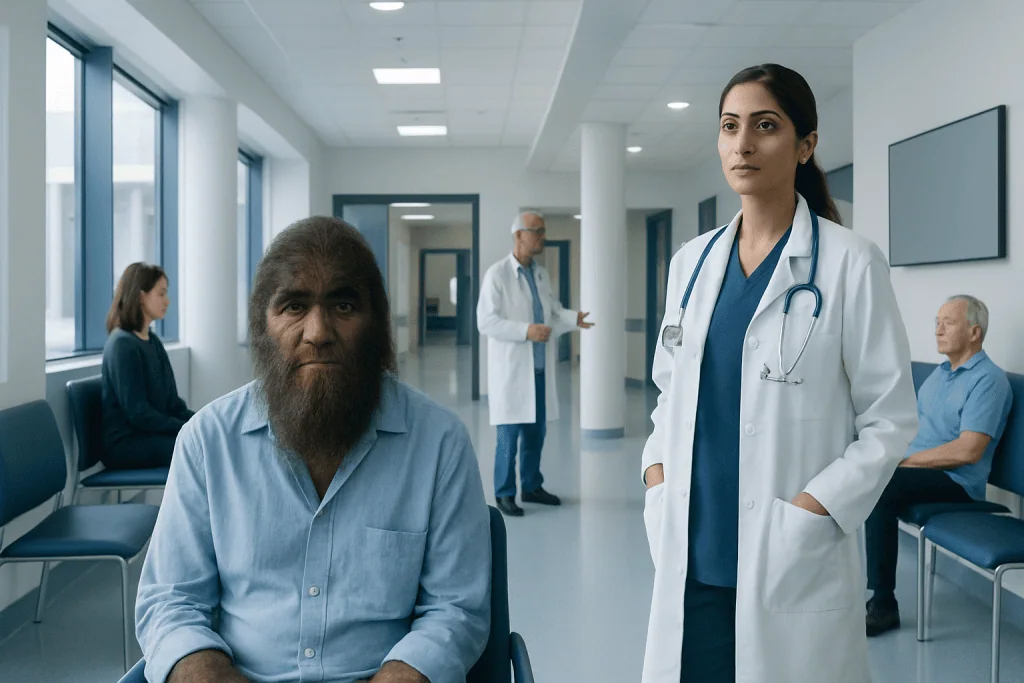
Werewolf syndrome hypertrichosis is a rare condition marked by excessive hair growth beyond what is expected for age, sex, and ethnicity. It may be congenital or acquired, so evaluation usually looks for genetic, medical, or medication-related causes.
Key Takeaways
- Werewolf syndrome hypertrichosis is a rare condition marked by excessive hair growth beyond what is expected for age, sex, and ethnicity.
- It may be congenital or acquired, so evaluation usually looks for genetic, medical, or medication-related causes.
- Diagnosis is mainly clinical and may include a skin examination, medical history, blood tests, or genetic assessment when appropriate.
- Treatment depends on the cause and may include hair-removal methods, management of an underlying condition, and specialist follow-up.
- New or rapidly increasing hair growth should be assessed by a doctor, especially if it occurs with other hormonal or systemic symptoms.
Werewolf syndrome hypertrichosis refers to unusually excessive hair growth on parts of the body where hair is normally minimal. It can be present from birth or develop later in life, and modern care focuses on identifying the cause, managing symptoms, and supporting quality of life.
Overview: what werewolf syndrome hypertrichosis means
Werewolf syndrome hypertrichosis is a non-medical nickname for hypertrichosis, a condition in which hair grows excessively in areas that are not usually so hairy for that person’s age, sex, or background. The term can sound dramatic, but medically it simply describes abnormal hair growth. The condition may affect a small patch of skin or larger parts of the face and body.
Hypertrichosis is different from more common patterns of increased hair, such as hormonally driven facial or body hair growth in women. In clinical practice, doctors first try to determine whether the hair pattern fits true hypertrichosis or another condition, because the causes and treatment approach may differ. Some cases are present at birth, while others develop later due to medications, endocrine changes, nutritional problems, or other illnesses.
Although the condition is rare, modern diagnosis is usually systematic and practical. Care often involves dermatology, endocrinology, pediatrics, or genetics, depending on the person’s age and symptoms. In many patients, treatment does not mean curing the hair growth completely, but rather understanding the cause and choosing safe, effective ways to reduce its impact on daily life.
Types and how the condition may appear

Doctors generally divide hypertrichosis into congenital and acquired forms. Congenital hypertrichosis is present at birth or becomes clear early in childhood. It may involve very fine lanugo hair that does not shed as expected, or thicker terminal hair on areas such as the face, ears, trunk, or limbs. Some inherited syndromes include hypertrichosis as one of several features.
Acquired hypertrichosis develops later in life. It can appear gradually or more suddenly, and may involve localized patches or widespread growth. Sometimes the excess hair is soft and fine; in other cases it is dark and coarse. The pattern often gives clues about the cause, which is why a detailed skin and hair assessment is important.
Hypertrichosis can also be described by its distribution:
- Generalized hypertrichosis: hair growth affects large areas of the body.
- Localized hypertrichosis: excess hair is limited to one area, sometimes after repeated irritation, inflammation, or injury.
- Associated hypertrichosis: the hair growth occurs along with a genetic, endocrine, or systemic condition.
Because excess hair growth may overlap with other disorders, doctors may consider related conditions such as polycystic ovary syndrome when the pattern is influenced by hormones rather than true hypertrichosis.
Symptoms, appearance, and daily impact
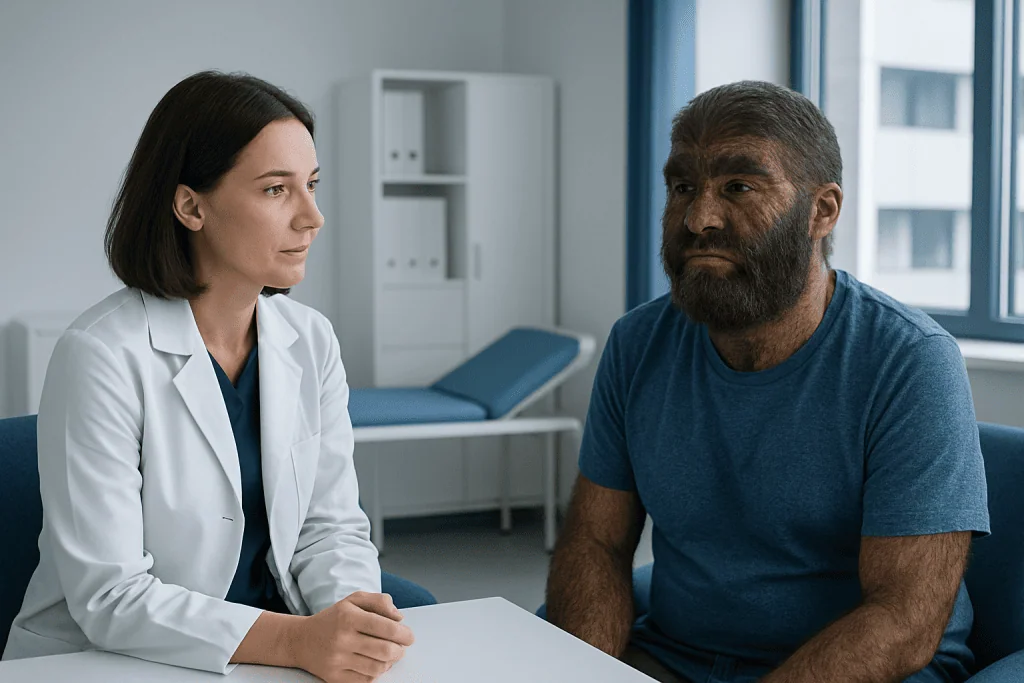
The main symptom of werewolf syndrome hypertrichosis is more hair than expected in a particular area or across the body. The hair may be longer, denser, darker, or thicker than usual. In congenital forms, families may notice unusual facial hair, back hair, or generalized body hair from infancy or early childhood. In acquired forms, people often notice a change over weeks or months.
Hypertrichosis itself usually does not cause pain, itching, or skin damage. However, the underlying cause may produce other symptoms. For example, hormonal disorders can bring acne, menstrual irregularity, scalp hair thinning, or weight changes. Medication-related hypertrichosis may appear after starting a new treatment. Nutritional disorders or systemic illness may also cause fatigue, weakness, or broader health changes.
The emotional and social impact can be significant, especially when visible areas such as the face are involved. Children, adolescents, and adults may feel self-conscious, avoid social situations, or spend a great deal of time on hair removal. A patient-centered care plan should take these concerns seriously and include discussion of practical cosmetic options as well as medical evaluation.
Causes and risk factors
Congenital hypertrichosis is often linked to rare genetic changes. In some people it appears as an isolated trait, while in others it is part of a broader syndrome affecting teeth, bones, development, or other organs. A family history of unusual hair growth can be an important clue, though not every child with congenital hypertrichosis has affected relatives.
Acquired hypertrichosis has a wider range of causes. Certain medications are known to trigger excessive hair growth in some patients. Endocrine and metabolic problems, chronic irritation of the skin, malnutrition, and some systemic illnesses may also play a role. In women, clinicians may also evaluate for androgen-related disorders if the pattern suggests excess male-type hair growth rather than generalized hypertrichosis.
Risk factors and associations may include:
- A family history of congenital excessive hair growth
- Use of medications linked with hair changes
- Hormonal or endocrine disorders
- Inflammation, friction, or repeated trauma to a skin area
- Rarely, underlying systemic disease that causes sudden new hair growth
It is important not to assume the cause based on appearance alone. A careful assessment helps separate true hypertrichosis from hirsutism, and may identify conditions such as Cushing syndrome or other treatable disorders when other symptoms are present.
How diagnosis is made
Diagnosis begins with a medical history and physical examination. The doctor usually asks when the hair growth began, whether it has changed over time, which body areas are affected, and whether there are symptoms such as acne, menstrual changes, weight gain, weakness, or medication use. Family history is especially helpful when congenital hypertrichosis is suspected.
The skin examination looks at the type of hair, the distribution, and whether there are associated birthmarks, irritation, or other skin findings. Doctors also consider whether the pattern is generalized or localized, and whether it fits hypertrichosis or hormonally driven hirsutism. In children, the broader developmental picture may guide whether genetic evaluation is needed.
Additional tests depend on the clinical picture and may include blood tests to look for endocrine or metabolic causes, and sometimes referral for genetic testing if an inherited syndrome is suspected. If there are signs of hormonal imbalance, an endocrinology workup may be recommended. Imaging is not routine for everyone, but it may be used when symptoms suggest a deeper underlying problem.
The most useful diagnosis is not only the label of hypertrichosis, but also the explanation behind it. Finding the cause helps doctors advise whether the condition is likely to remain stable, progress, or improve with treatment.
Modern treatment approaches and outlook
Treatment for werewolf syndrome hypertrichosis depends on its cause, extent, and effect on daily life. If the hair growth is linked to a medication, a doctor may review whether an alternative is appropriate. If an endocrine or systemic condition is present, managing that problem may reduce further hair growth, although existing hair may not disappear immediately.
Symptom control often relies on hair-removal methods. Temporary options include trimming, shaving, depilatory creams, waxing, and bleaching, though some methods can irritate sensitive skin. Longer-lasting approaches may include laser hair removal in suitable hair and skin types, or electrolysis for targeted permanent follicle destruction. The best option depends on the hair color, thickness, body area, skin tone, age, pain tolerance, and treatment goals.
Outlook varies by type. Congenital hypertrichosis may be long-term, but the pattern can change somewhat with age. Acquired hypertrichosis may improve if the trigger is identified and addressed. Even when the condition persists, many people achieve acceptable cosmetic control with a combination of medical follow-up and hair-management techniques.
Because visible hair changes can affect self-esteem, supportive care matters as much as the technical aspects of treatment. Counseling, age-appropriate education, and realistic expectations can help patients and families make decisions that feel manageable and respectful of personal preferences.
Self-care and skin-friendly management
Self-care begins with choosing hair-management methods that suit the skin and lifestyle. Gentle shaving and careful trimming are often practical options for larger areas. If creams, waxes, or bleaching products are used, patch testing and following product instructions may help reduce irritation. People with sensitive skin may benefit from advice from a dermatologist before trying stronger cosmetic methods.
Good skin care can make repeated hair removal more comfortable. Mild cleansers, fragrance-free moisturizers, and sun protection are helpful, especially after laser-based treatments or if the skin becomes red or dry. Avoiding repeated friction on a localized area may also help when hair growth is worsened by chronic rubbing or inflammation.
Families caring for a child with congenital hypertrichosis often need both practical and emotional support. School-aged children may benefit from simple explanations that reduce stigma and encourage confidence. Decisions about treatment can be revisited over time, balancing symptom relief with the child’s comfort and readiness.
Near the end of a diagnostic journey, some patients seek coordinated specialist care. Acibadem International’s multidisciplinary specialists in JCI-accredited hospitals evaluate rare skin and endocrine conditions for international patients and can help plan diagnosis, follow-up, and appropriate cosmetic or medical treatment.
When to seek medical care
Medical review is advisable any time new or unusual excessive hair growth appears without a clear reason. Evaluation is especially important if the change is rapid, involves large areas of the body, or starts together with acne, menstrual changes, deepening of the voice, weight changes, weakness, or other hormonal symptoms.
Children with generalized hair growth from birth, people with a strong family history, and anyone with additional developmental or physical differences should also be assessed. A doctor can determine whether the finding is isolated or part of a broader condition and can discuss whether referral to dermatology, endocrinology, pediatrics, or genetics is appropriate.
Prompt medical attention may be needed if excessive hair growth develops after starting a new medicine, or if it appears along with signs of serious illness such as unexplained weight loss, marked fatigue, or other systemic symptoms. Early assessment can help identify treatable causes and avoid unnecessary worry.
Frequently asked questions
Is werewolf syndrome hypertrichosis a real medical condition?
The phrase “werewolf syndrome” is an informal name for hypertrichosis. Hypertrichosis is a real medical condition that causes excessive hair growth in areas where that amount of hair is not usually expected.
What causes werewolf syndrome hypertrichosis?
Causes can be congenital or acquired. Some people are born with rare genetic forms, while others develop hypertrichosis later because of medications, hormonal disorders, skin irritation, nutritional problems, or other medical conditions.
How is hypertrichosis different from hirsutism?
Hypertrichosis refers to excessive hair growth that is not necessarily driven by male hormones and can affect many body areas. Hirsutism usually describes male-pattern hair growth in women and is more often linked to androgen excess or hormone-related conditions.
Can werewolf syndrome hypertrichosis be cured?
That depends on the cause. Acquired hypertrichosis may improve if the trigger is identified and treated, while congenital forms are often long-term. Even when it does not fully go away, many people can manage it effectively with hair-removal treatments and regular follow-up.
Which doctor should evaluate excessive hair growth?
A dermatologist is often the first specialist involved, especially when the main concern is skin or hair changes. Depending on the pattern and other symptoms, an endocrinologist, pediatrician, geneticist, or primary care doctor may also be part of the evaluation.
Is laser hair removal suitable for hypertrichosis?
Laser hair removal can be helpful for some people, particularly when the hair and skin type are appropriate for the technology used. It does not treat the underlying cause, so medical evaluation is still important, and multiple sessions are usually needed for lasting reduction.
References
- American Academy of Dermatology
- National Organization for Rare Disorders
- MedlinePlus
- Merck Manual Consumer Version
- National Institutes of Health
This article is for general information only and is not a substitute for professional medical advice. Please consult a qualified doctor about your individual situation.
Hair transplant in Turkey — costs, graft counts & a free assessment
JCI-accredited · board-certified surgeons · reply within 24h
Add us as a Preferred Source to see more of our trusted health content across Google Search, AI Overviews and Discover.

More from the Health Library



Related Specialists

Prof. Dr. Yusuf Serdar Sakın
Gastroenterology
Prof. Dr. Hüseyin Bayram
Orthopedic Surgery & Traumatology
Assoc. Prof. Dr. Suna Yapalı
Gastroenterology
Dyt. Nilsu Küçük
Nutrition & Diet