Blood Clotting in Skin: An Evidence-Based Guide for Patients
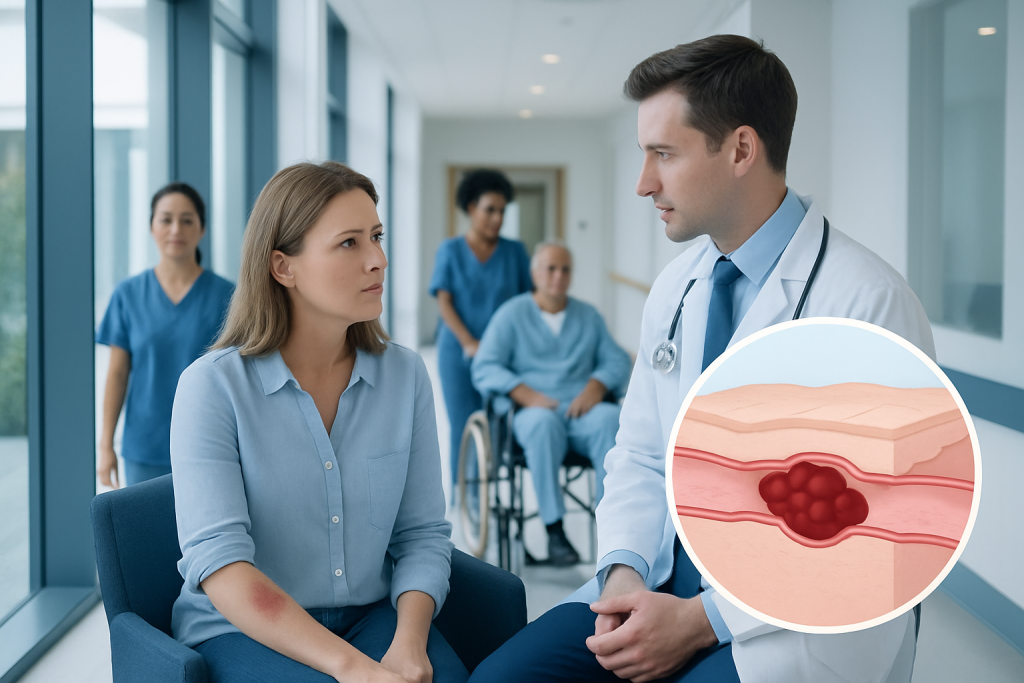
Blood clotting in skin can look like bruises, tiny red-purple dots, larger patches, or a tender cord-like vein near the skin surface. Many cases are caused by minor trauma, fragile blood vessels, medications, or superficial vein inflammation rather than a dangerous deep clot.
Key Takeaways
- Blood clotting in skin can look like bruises, tiny red-purple dots, larger patches, or a tender cord-like vein near the skin surface.
- Many cases are caused by minor trauma, fragile blood vessels, medications, or superficial vein inflammation rather than a dangerous deep clot.
- Sudden widespread spots, painful swelling, shortness of breath, fever, or skin breakdown need prompt medical assessment.
- Diagnosis may involve a physical exam, blood tests, and sometimes ultrasound to distinguish skin-level changes from deeper vein problems.
- Treatment depends on the cause and may range from observation and skin care to compression, anti-inflammatory measures, or treatment of an underlying clotting disorder.
Blood clotting in skin is not a single diagnosis. It is a general way people describe blood trapped under the skin, inflamed superficial veins, or skin changes linked to clotting or bleeding disorders, so the meaning depends on the appearance, symptoms, and overall health picture.
Overview: what blood clotting in skin means
Blood clotting in skin usually refers to visible or palpable changes caused by blood collecting in or just beneath the skin, or by clotting within small vessels or superficial veins. People may notice a bruise-like patch, clusters of red or purple dots, a tender lump, or a firm line along a vein. These changes can have very different causes, so the term is best understood as a description rather than a diagnosis.
In many cases, the explanation is simple and not dangerous, such as a minor bump that causes a bruise. In other cases, blood clotting in skin may be linked to fragile blood vessels, medication effects, inflammation of a vein, or a problem with platelets or clotting proteins. Less commonly, it can signal an infection, autoimmune condition, or a more serious vascular problem.
A useful distinction is whether the skin change is flat or raised, painful or painless, and isolated or widespread. A blue-purple bruise that changes color over days behaves differently from a warm, tender, cord-like area over a vein. Because the same skin color change can come from bleeding, clotting, or inflammation, proper evaluation matters when symptoms are new, recurrent, or unexplained.
How it can look and feel
Blood clotting in skin can appear in several patterns. Bruises, also called ecchymoses, are larger blue, purple, or yellow-brown patches caused by blood leaking from injured small vessels. Petechiae are tiny pinpoint red or purple spots, while purpura are somewhat larger spots or patches. These usually do not form a raised lump, although surrounding tissues may feel sore.
Another pattern is superficial thrombophlebitis, in which a vein close to the skin becomes inflamed and may contain a clot. This often causes a tender, warm, reddened, rope-like or cord-like area under the skin. It is more common in the legs but can also occur in the arms, especially after an intravenous line or local irritation. In some people, this overlaps with varicose veins, which can make superficial veins more prone to irritation.
Some skin findings are less specific but still important. A painful purplish area with swelling, a livedo or net-like pattern, blackened skin, blisters, or ulcers suggests reduced blood flow or vessel injury and should not be ignored. Widespread spontaneous bruising or clusters of spots without an obvious cause can point toward a systemic clotting or bleeding disorder rather than a simple skin problem.
- Flat red-purple dots: often petechiae or purpura
- Larger discolored patches: often bruising from vessel leakage
- Tender raised cord: suggests superficial thrombophlebitis
- Painful darkening with skin damage: can indicate reduced circulation or vessel inflammation
Common causes and risk factors
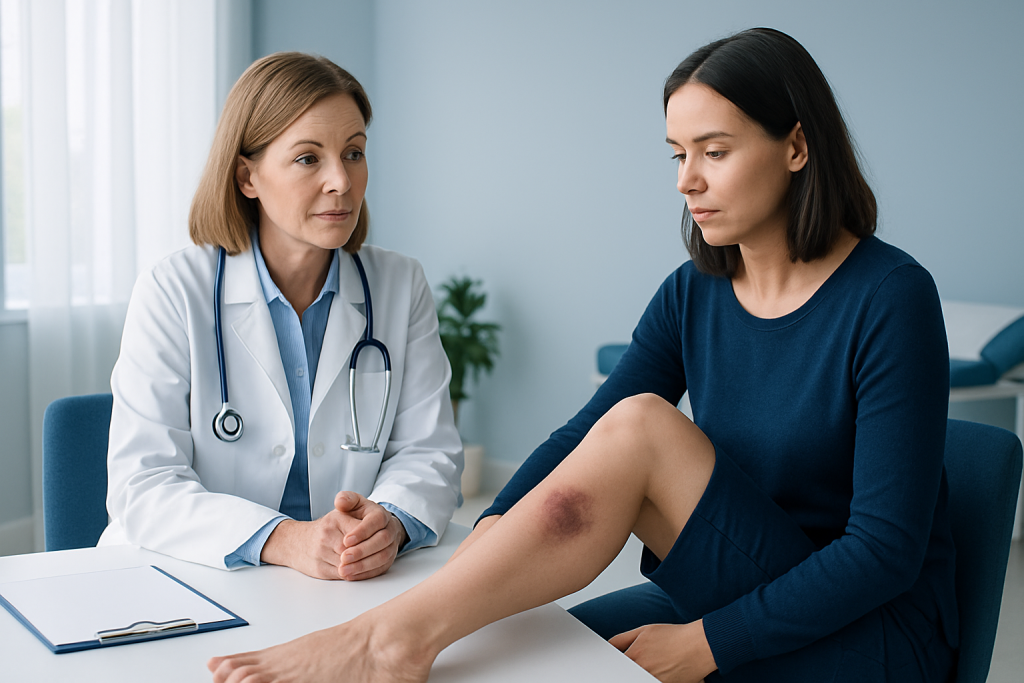
The most common cause of blood appearing trapped in the skin is minor trauma. A bump, pressure, exercise-related strain, or a blood draw can break tiny vessels and lead to bruising. Aging skin, long-term sun exposure, and certain medications can make vessels more fragile, so even a small knock may leave a noticeable mark. Blood thinners, aspirin, some anti-inflammatory drugs, and corticosteroids can also increase bruising.
Superficial thrombophlebitis is another common explanation, especially when there is pain or a palpable vein. Risk factors include varicose veins, recent IV cannulation, limited mobility, smoking, dehydration, pregnancy, recent surgery, and inherited or acquired clotting tendency. Sometimes a superficial clot is isolated, but sometimes it appears alongside deeper vein disease that may require imaging, including assessment for deep vein thrombosis.
Less common but clinically important causes include low platelet counts, platelet dysfunction, liver disease, vitamin deficiencies, vasculitis, connective tissue diseases, certain infections, and rarely medication-induced or cancer-associated clotting problems. Sudden or extensive skin changes, especially when combined with nosebleeds, gum bleeding, blood in urine or stool, fever, weight loss, or severe limb swelling, raise concern for a broader medical issue.
How doctors evaluate blood clotting in skin
Evaluation begins with the pattern of the rash or lesion and a focused medical history. A clinician will ask when the spots or swelling began, whether they are painful or itchy, whether there was any injury, and whether the person has fever, leg swelling, breathlessness, or unusual bleeding. Medication use is especially important, including blood thinners, hormone therapy, steroids, supplements, and recent antibiotics.
The physical examination helps sort out bleeding under the skin from inflammation in a vein or reduced circulation. The doctor may check whether the areas blanch with pressure, whether there is tenderness, warmth, or a firm vein beneath the skin, and whether the changes are limited to one limb or appear in multiple areas. Associated findings such as swollen calf muscles, enlarged veins, joint symptoms, or mouth ulcers can point toward the underlying cause.
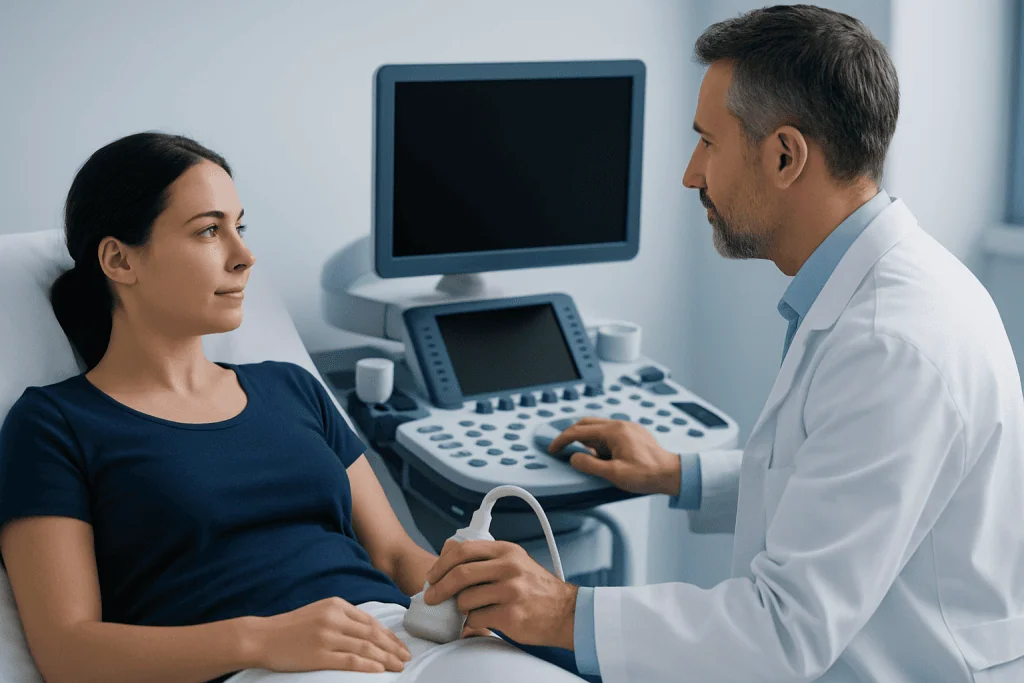
Testing is guided by the suspected diagnosis. Blood tests may include a complete blood count, platelet count, clotting studies, and tests for inflammation or autoimmune disease. If a superficial or deeper vein clot is possible, duplex vascular ultrasound may be recommended. When skin changes are unusual, persistent, or suggest vessel inflammation, doctors may also involve specialists in dermatology, hematology, or vascular medicine.
Treatment options depend on the cause
Treatment for blood clotting in skin is tailored to the diagnosis. Simple bruising from minor trauma often improves without specific treatment. Protecting the area, resting if needed, and using general comfort measures may be enough while the body gradually reabsorbs the trapped blood. If bruising is frequent or unexplained, however, self-treatment alone is not enough, because the main question is why it is happening.
For superficial thrombophlebitis, treatment may include walking, leg elevation, warm compresses, compression stockings when appropriate, and medicines for pain or inflammation if a doctor considers them safe. Some patients need further assessment to exclude extension toward deeper veins. If there is concern for a significant vein clot, doctors may recommend treatment for deep vein thrombosis or closer follow-up depending on the ultrasound findings and risk factors.
If tests show a clotting or bleeding disorder, treatment focuses on that condition. This might involve adjusting medications, correcting deficiencies, treating inflammation, or managing an underlying blood disorder. In selected situations, referral for hematology care is appropriate, especially when bruising is recurrent, laboratory tests are abnormal, or a complex clotting tendency is suspected. For vascular causes involving damaged or enlarged veins, varicose veins treatment may help reduce recurrence in suitable patients.
Self-care and prevention
Prevention starts with understanding the likely trigger. People who bruise easily may benefit from reviewing medications with a clinician, protecting exposed skin during physical activity, and maintaining good nutrition. Older adults often have more delicate skin and blood vessels, so prevention may also include reducing household fall risks and using protective clothing for gardening or other activities that can cause minor trauma.
When superficial vein inflammation is the issue, daily movement and hydration are helpful. Avoiding long periods of immobility, especially during travel or recovery after illness, can support healthy circulation. If a clinician has recommended compression stockings, wearing them consistently may reduce discomfort and help prevent recurrence in people with venous insufficiency or varicose veins.
Self-care should stay within safe limits. New bruises or spots that appear without injury, spread quickly, or are accompanied by illness should not be dismissed. Home remedies cannot rule out a deeper clot, low platelets, vasculitis, or a medication-related problem. Keeping a simple record of when the skin changes appear, where they occur, and what medicines are being taken can help the doctor identify patterns.
When to seek medical care
Prompt medical advice is important when blood clotting in skin is unexplained, recurring, painful, or associated with swelling. People should seek urgent care if they have sudden shortness of breath, chest pain, one-sided leg swelling, fainting, rapidly worsening discoloration, blackened skin, or a painful swollen limb. These symptoms can suggest a more serious clotting problem or reduced blood flow that needs immediate attention.
Medical review is also advisable when there are widespread bruises or tiny red-purple spots, bleeding from the gums or nose, blood in stool or urine, fever, or symptoms after starting a new medicine. Children, pregnant people, and older adults may need assessment sooner because the range of causes can differ and some conditions need early treatment.
If diagnosis is uncertain, a coordinated approach can be helpful. Acibadem International’s multidisciplinary specialists and JCI-accredited hospitals evaluate clotting, vascular, and skin-related conditions for international patients, using imaging and laboratory assessment to clarify the cause and guide treatment.
Frequently asked questions
Is blood clotting in skin the same as a blood clot in a vein?
Not always. Many people use the phrase to describe bruising or purple spots caused by small blood vessel leakage under the skin, which is different from a clot inside a vein. A tender, cord-like area over a superficial vein is more suggestive of a vein problem and may need medical evaluation.
Can blood clotting in skin go away on its own?
Yes, simple bruises often fade on their own over days to weeks as the body reabsorbs the blood. However, recurrent, unexplained, or painful skin changes should be checked by a doctor. Improvement over time does not always rule out an underlying issue.
What is the difference between petechiae, purpura, and bruises?
Petechiae are tiny pinpoint red or purple spots, while purpura are larger purple patches. Bruises are usually broader areas of discoloration caused by blood collecting under the skin after vessel injury. These terms describe appearance, but the underlying causes can vary.
Do medications cause blood clotting in skin?
Some medicines can make bruising or bleeding under the skin more likely, especially blood thinners, aspirin, certain anti-inflammatory drugs, and corticosteroids. Other medicines may rarely trigger clotting or inflammation in blood vessels. A doctor can review all prescription drugs, over-the-counter medicines, and supplements to look for a connection.
When is blood clotting in skin an emergency?
It needs urgent assessment if it is linked to chest pain, shortness of breath, fainting, severe one-sided leg swelling, rapidly worsening pain, or blackened skin. Widespread spots with bleeding, fever, or severe illness also need prompt care. These features may point to a serious clotting, bleeding, or circulation problem.
How do doctors test for the cause?
Doctors usually begin with a history and physical examination, then order tests based on what the skin changes look like. Blood tests may check platelets and clotting, while ultrasound may be used if a superficial or deep vein clot is suspected. Sometimes specialist input from dermatology, hematology, or vascular medicine is needed.
This article is for general information only and is not a substitute for professional medical advice. Please consult a qualified doctor about your individual situation.
Explore treatments in Turkey — costs, top hospitals & a free quote
JCI-accredited · board-certified surgeons · reply within 24h
Add us as a Preferred Source to see more of our trusted health content across Google Search, AI Overviews and Discover.

More from the Health Library

Cellulose — Explained by Medical Evidence, Not Myths
How many teeth do humans have? The Numbers, Explained by Clinicians

Electrocautery: An Evidence-Based Guide for Patients

Tactile Hallucinations: A Complete Medical Overview

Autosomala — Explained by Medical Evidence, Not Myths