Toxemia Postpartum: Diagnosis, Outlook, and Modern Treatment Approaches

Toxemia postpartum is another term often used for postpartum preeclampsia. It can begin days after delivery and sometimes up to several weeks postpartum.
Key Takeaways
- Toxemia postpartum is another term often used for postpartum preeclampsia.
- It can begin days after delivery and sometimes up to several weeks postpartum.
- Warning signs include severe headache, vision changes, swelling, shortness of breath, and high blood pressure.
- Diagnosis relies on blood pressure measurement, urine testing, blood tests, and symptom review.
- Treatment may include blood pressure medicines, magnesium sulfate, and close monitoring in hospital.
- Urgent medical care is needed for severe symptoms or if blood pressure is very high.
Toxemia postpartum usually refers to postpartum preeclampsia, a condition in which high blood pressure and signs of organ stress develop after childbirth, sometimes even after a normal pregnancy and delivery. With prompt medical evaluation and modern treatment, most women recover well, but early recognition is important to prevent complications.
Overview: What Toxemia Postpartum Means
Toxemia postpartum is an older, non-technical term most often used to describe postpartum preeclampsia. This condition happens when high blood pressure and related changes affect the body after a baby is born. It can appear within the first 48 hours after delivery, but it may also develop days or even weeks later, including after someone has already gone home and seemed to be recovering normally.
Although many people associate preeclampsia only with pregnancy, it can start after childbirth. In postpartum preeclampsia, blood vessels, the kidneys, the liver, the brain, and other organs may be affected. This is why symptoms such as headache, vision changes, or trouble breathing should not be dismissed as just part of the normal postpartum adjustment.
The good news is that modern treatment is effective when the condition is recognized early. Doctors focus on lowering blood pressure, preventing seizures, and checking for complications such as fluid in the lungs, kidney problems, or stroke. Early assessment is especially important because some symptoms may overlap with common postpartum experiences such as fatigue, swelling, or discomfort.
Symptoms and Warning Signs After Childbirth
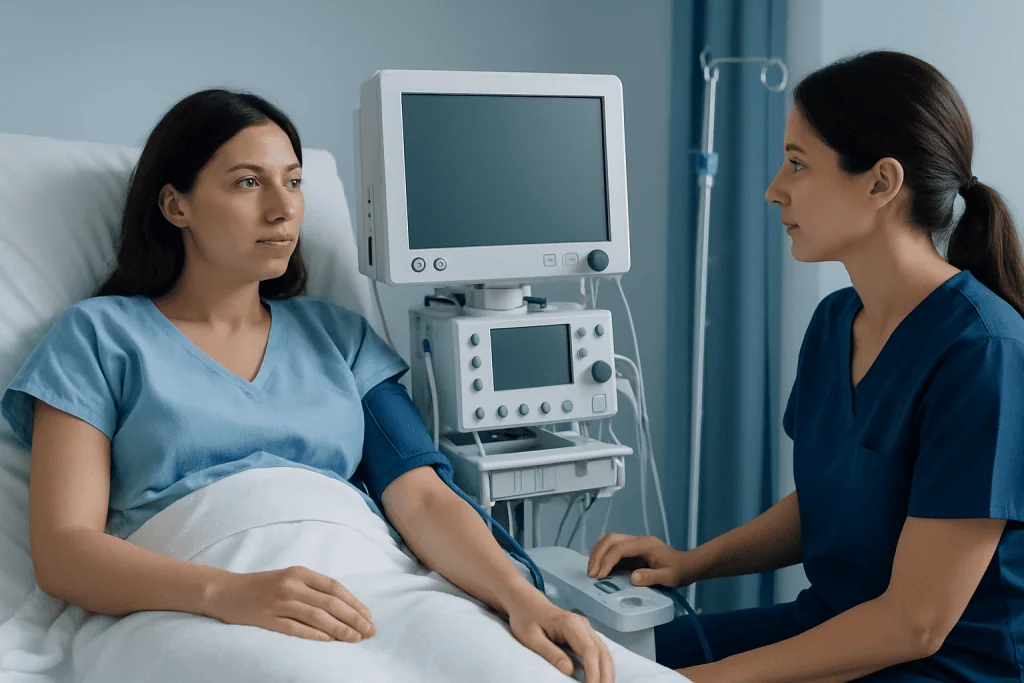
The symptoms of toxemia postpartum can vary from mild to severe. Some women have no obvious warning signs at first and are diagnosed because a blood pressure check is abnormal. Others notice symptoms that appear suddenly and become more intense over a short period of time.
Possible symptoms include a severe or persistent headache, blurred vision, seeing spots or flashing lights, nausea or vomiting, pain in the upper abdomen, sudden swelling of the face or hands, and shortness of breath. Some women also feel generally unwell, unusually anxious, or have chest discomfort. A rapid increase in blood pressure can cause symptoms that feel very different from ordinary postpartum tiredness.
Because swelling, headaches, and sleep disruption are common after delivery, it can be hard to know what is normal. The key difference is persistence, severity, or a symptom that feels out of proportion. Shortness of breath, severe headache, confusion, or visual changes should always be treated as medical warning signs.
- Severe headache that does not improve
- Vision changes such as blurring or spots
- Blood pressure readings higher than normal
- Swelling of the face, hands, or sudden generalized swelling
- Pain under the ribs or in the upper right abdomen
- Shortness of breath or chest pressure
- Nausea, vomiting, or reduced urination
Causes, Risk Factors, and Why It Can Happen After Delivery

The exact cause of postpartum preeclampsia is not fully understood, but it is thought to involve abnormal blood vessel function and changes in how the body regulates blood pressure and fluid balance. These changes may begin during pregnancy and only become obvious after delivery. In some women, the condition is linked to preeclampsia during pregnancy, while in others it develops unexpectedly after a pregnancy that seemed uncomplicated.
Risk factors include a history of high blood pressure, obesity, kidney disease, diabetes, autoimmune conditions, multiple pregnancy, and a personal or family history of preeclampsia. A first pregnancy and maternal age over 35 can also increase risk. However, postpartum preeclampsia can still happen without clear risk factors, so symptoms should never be ignored simply because a person was considered low risk.
Toxemia postpartum is closely related to pregnancy hypertension disorders such as preeclampsia and can overlap with severe complications including seizures, sometimes called eclampsia. Doctors also consider other causes of postpartum symptoms, such as infection, migraine, bleeding, heart problems, or blood clots, because these may need different treatment.
How Doctors Diagnose Toxemia Postpartum
Diagnosis starts with a careful clinical assessment. A doctor or midwife will ask about symptoms, review the pregnancy and delivery history, and measure blood pressure more than once. Postpartum preeclampsia is suspected when blood pressure is elevated after childbirth along with signs of organ involvement, such as protein in the urine, abnormal blood tests, or neurological symptoms.
Tests commonly include urine testing for protein, blood tests to assess kidney and liver function, platelet count, and sometimes imaging or heart and lung evaluation if symptoms suggest complications. If there is severe headache, confusion, or visual disturbance, brain imaging may be considered to rule out bleeding, stroke, or other urgent causes. If breathing is affected, chest imaging or oxygen monitoring may also be needed.
Doctors distinguish toxemia postpartum from other forms of hypertension and from postpartum conditions that can mimic it. This is important because treatment decisions depend not only on the blood pressure reading but also on symptom severity, timing after delivery, and whether there is evidence of organ stress. For some women, diagnosis occurs during a routine postpartum check; for others, it is made in the emergency department because symptoms have become severe.
Modern Treatment Approaches and Hospital Care
Treatment aims to protect the mother while blood pressure and organ function return to normal. If blood pressure is very high, doctors use medications to lower it safely. If there is concern about seizure risk, magnesium sulfate may be given for a limited period under close monitoring. The treatment plan depends on symptom severity, blood pressure levels, test results, and how recently the person delivered.
Many women need hospital observation, especially if symptoms are significant or if blood pressure is severely elevated. During admission, clinicians monitor urine output, breathing, reflexes, oxygen levels, and repeat blood tests as needed. In severe cases, care may involve intensive monitoring and collaboration between obstetric, internal medicine, cardiology, and critical care teams.
Some women can continue recovery at home after initial stabilization, with prescribed blood pressure medicines and a clear follow-up plan. In selected cases, advanced evaluation may be useful to assess related complications, and supportive services such as check-up and diagnostic services or specialist review in cardiology care can help guide ongoing management. If symptoms point to brain-related complications, urgent neurology assessment may also be appropriate.
At centers such as Acibadem International, multidisciplinary specialists in JCI-accredited hospitals diagnose and treat postpartum blood pressure disorders for international patients, with coordinated care tailored to obstetric recovery and overall health needs.
Outlook, Recovery, and Future Health Considerations
Most women recover well from toxemia postpartum when it is diagnosed and treated promptly. Blood pressure may improve within days, but for some women it stays elevated for weeks and requires continued medication or close outpatient follow-up. Recovery also includes monitoring kidney function, liver tests, and symptoms until the condition has clearly resolved.
Even after the immediate postpartum period, this diagnosis matters for future health. A history of preeclampsia or postpartum preeclampsia is linked with a higher long-term risk of chronic high blood pressure and cardiovascular disease. That does not mean complications are inevitable, but it does mean regular blood pressure checks and healthy lifestyle habits become especially important over time.
Future pregnancies may involve closer monitoring because recurrence is possible. Before becoming pregnant again, many women benefit from a pre-pregnancy consultation to review risks, medication safety, and preventive steps. Ongoing follow-up can help distinguish temporary postpartum blood pressure changes from longer-term cardiovascular health concerns.
Prevention, Self-Care, and When to Seek Medical Care
There is no guaranteed way to prevent every case of toxemia postpartum, but postpartum follow-up plays a major role in catching it early. Women at higher risk may be advised to check blood pressure at home, keep postpartum appointments, and report symptoms promptly rather than waiting for the routine six-week visit. Taking prescribed medicines exactly as directed and asking for guidance about safe pain relief, hydration, and activity can also support recovery.
Self-care after delivery should include rest when possible, gradual return to activity, attention to swelling or breathing changes, and practical support from family or caregivers. It can help to write down blood pressure readings and symptoms so that patterns are easier to share with a doctor. Any concern should be discussed with a qualified healthcare professional, especially during the first few weeks after birth.
When to seek medical care: Same-day medical advice is appropriate for new headaches, rising blood pressure, swelling that is getting worse, upper abdominal pain, or nausea that feels unusual. Emergency care is needed for severe headache, vision loss or major visual changes, shortness of breath, chest pain, confusion, seizure, fainting, or very high blood pressure. If symptoms feel sudden, intense, or alarming, it is safest to seek urgent assessment without delay.
Frequently asked questions
Is toxemia postpartum the same as postpartum preeclampsia?
In most modern medical use, yes. Toxemia is an older term that people often use to refer to preeclampsia, including cases that begin after childbirth. Doctors today usually prefer the term postpartum preeclampsia because it is more precise.
How long after delivery can toxemia postpartum develop?
It often appears within the first 48 hours after childbirth, but it can also develop several days later and sometimes up to six weeks postpartum. This is why new symptoms after going home should still be taken seriously. A normal delivery does not completely rule it out.
Can postpartum preeclampsia happen without high blood pressure during pregnancy?
Yes, it can. Some women have normal blood pressure throughout pregnancy and only develop symptoms after delivery. That is one reason postpartum blood pressure checks and symptom awareness are so important.
What blood pressure level is considered dangerous after childbirth?
A doctor should assess any clearly elevated reading in the postpartum period, especially if symptoms are present. Very high blood pressure is a medical emergency because it raises the risk of stroke and other complications. If there is uncertainty, urgent medical advice is the safest approach.
Will toxemia postpartum go away on its own?
It should not be assumed to resolve without medical care. Some mild cases improve with treatment and close monitoring, but untreated postpartum preeclampsia can become serious quickly. Proper evaluation helps prevent complications and guides safe recovery.
Does having toxemia postpartum increase future health risks?
A history of postpartum preeclampsia can be associated with a higher long-term risk of chronic hypertension and heart disease. This does not mean future illness is certain, but it does make routine health follow-up more important. Regular blood pressure checks and healthy lifestyle habits are often advised.
References
- American College of Obstetricians and Gynecologists
- Centers for Disease Control and Prevention
- National Heart, Lung, and Blood Institute
- World Health Organization
- National Institute for Health and Care Excellence
This article is for general information only and is not a substitute for professional medical advice. Please consult a qualified doctor about your individual situation.
Explore treatments in Turkey — costs, top hospitals & a free quote
JCI-accredited · board-certified surgeons · reply within 24h
Add us as a Preferred Source to see more of our trusted health content across Google Search, AI Overviews and Discover.
Check your numbers in seconds
BMI, calories, due date, blood pressure and 30+ more clinical calculators — free, instant, doctor-reviewed ranges.