

Fistula Surgery: Benefits, Risks, and Recovery — A Complete Guide

Fistula surgery aims to remove or close the fistula while protecting nearby tissues and normal function. Different procedures are used for simple and complex fistulas, including fistulotomy, seton placement, flap repair, and other sphincter-sparing techniques.
Key Takeaways
- Fistula surgery aims to remove or close the fistula while protecting nearby tissues and normal function.
- Different procedures are used for simple and complex fistulas, including fistulotomy, seton placement, flap repair, and other sphincter-sparing techniques.
- Recovery time varies, but many people improve steadily over several weeks with wound care, pain control, and follow-up visits.
- Benefits include less pain, drainage, and recurrent infection; risks can include bleeding, infection, recurrence, and bowel control problems in some cases.
- Prompt medical evaluation is important for fever, worsening pain, new swelling, or persistent drainage.
Fistula surgery is used to treat an abnormal tunnel between body structures, most often an anal fistula, when it causes pain, drainage, infection, or repeated abscesses. The best operation depends on where the fistula is, how complex it is, and how much surrounding muscle must be protected to preserve normal bowel control.
Overview: what fistula surgery is and why it is done
Fistula surgery treats a fistula, an abnormal tunnel that forms between two body parts. In everyday practice, the term most often refers to surgery for an anal fistula, which is a small tunnel between the inside of the anal canal and the skin near the anus. These fistulas often develop after an infection or abscess and may cause ongoing drainage, irritation, pain, or repeated swelling.
The main goal of fistula surgery is to remove or close the tunnel so infection can heal and symptoms can improve. At the same time, surgeons try to protect the anal sphincter muscles, which help control bowel movements. This balance is important because treatment should clear the disease while preserving quality of life.
Fistula surgery is not the same for every person. Some fistulas are short and simple, while others branch, pass through more muscle, or are linked to conditions such as Crohn’s disease. Because of this, treatment planning usually begins with careful mapping of the fistula and a discussion of the safest, most effective approach.
Symptoms and when surgery may be considered
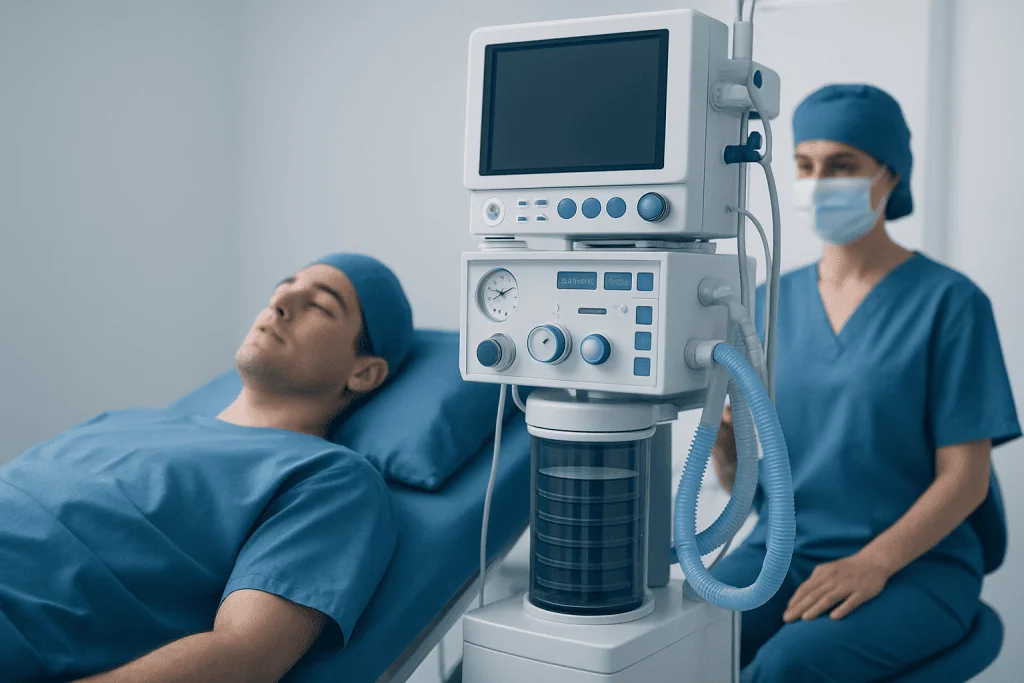
Not every fistula causes severe symptoms, but many become difficult to ignore. Common symptoms include persistent drainage of pus or blood, pain around the anus, skin irritation, a recurring lump or abscess, and discomfort when sitting or passing stool. Some people also notice an opening on the skin near the anus that repeatedly leaks.
Surgery may be considered when a fistula does not heal on its own, comes back after drainage of an abscess, or continues to cause repeated infections. In general, fistulas are unlikely to close permanently without treatment because the tunnel remains lined with unhealthy tissue. Recurrent abscesses are a common sign that a more definitive treatment plan is needed.
The timing of surgery depends on whether active infection is present. If there is a painful abscess, the first step may be to drain it before a definitive fistula procedure. Once inflammation is better controlled and the anatomy is clearer, the surgeon can choose the operation most likely to work well and safely.
Who may be a candidate and how doctors plan treatment

A person may be a candidate for fistula surgery if symptoms are ongoing, infections keep returning, or imaging shows a tract that is unlikely to heal without intervention. Candidacy is not based on symptoms alone. Doctors also consider where the fistula begins, whether it crosses the sphincter muscles, whether there are multiple branches, and whether the person has had previous surgery in the same area.
Underlying health conditions matter too. Crohn’s disease, diabetes, immune suppression, and a history of radiation or previous anorectal procedures can affect healing and influence the choice of operation. People with complex fistulas often need a more staged or sphincter-sparing plan than those with a simple fistula close to the skin.
Planning usually involves a physical examination and sometimes imaging such as MRI or endoanal ultrasound to define the tract. In some cases, the fistula is mapped under anesthesia because pain or swelling can make office assessment difficult. A colorectal surgeon may also recommend evaluation for related bowel disease if symptoms suggest inflammation higher in the digestive tract.
When treatment is needed, the most appropriate pathway may include fistula treatment, and in selected patients this is coordinated with care for related intestinal conditions through Crohn’s disease treatment. The best plan is individualized rather than based on a single standard operation.
How fistula surgery works: common procedures step by step
There are several types of fistula surgery, and the right one depends on the tract’s path and complexity. For a simple anal fistula, a fistulotomy is commonly used. In this procedure, the surgeon opens the tunnel along its length so it can heal from the inside out. This can be very effective when only a small amount of sphincter muscle is involved.
If more muscle is involved, surgeons often use sphincter-sparing methods to reduce the risk of bowel control problems. These may include a seton, which is a soft thread or loop placed through the tract to help drain infection and guide healing; an advancement flap, where healthy tissue is used to close the internal opening; or procedures such as LIFT, which targets the tract between muscle layers. In selected cases, other closure techniques may also be considered.
On the day of surgery, the patient usually receives anesthesia, and the surgeon first identifies the fistula’s external and internal openings. The tract is then gently probed or assessed, sometimes with dye, to confirm its course. Depending on the planned method, the surgeon may open the tract, remove unhealthy tissue, place a seton, or close the internal opening with a flap or other repair. The area is then dressed, and most people receive instructions for wound care, bathing, pain relief, and bowel management before going home.
Some people need more than one procedure, especially if the fistula is complex or linked to chronic inflammation. A staged approach can improve healing by treating infection first and completing definitive repair later. This is one reason recovery and outcomes vary from person to person.
Benefits, risks, and possible complications
The main benefits of fistula surgery are relief from ongoing drainage, fewer infections, less pain, and a lower chance of repeated abscesses. Successful treatment can also improve skin irritation, odor, sleep, comfort when sitting, and confidence in daily life. For many people, surgery addresses a problem that otherwise tends to persist or recur.
Like any operation, fistula surgery has risks. These can include bleeding, infection, delayed wound healing, recurrence of the fistula, scarring, and discomfort during recovery. The most important concern in anal fistula surgery is possible injury to the sphincter muscles, which can affect bowel control. For this reason, surgeons choose more conservative or sphincter-sparing techniques when the tract involves more muscle.
Recurrence is possible even after careful treatment, particularly with complex fistulas or when an underlying inflammatory condition is present. This does not always mean the first surgery failed; sometimes it reflects the difficulty of the disease itself. Follow-up visits are important so the care team can check wound healing, manage symptoms, and decide whether additional treatment is needed.
Patients can support safer recovery by following aftercare instructions closely, keeping the area clean, taking medicines as directed, and attending all scheduled reviews. If other digestive symptoms are present, evaluation in gastroenterology care may help identify factors that affect healing and long-term management.
Recovery timeline and self-care after fistula surgery
Recovery after fistula surgery depends on the procedure performed, the size and location of the fistula, and whether the treatment was done in one stage or several. Some people return to light daily activities within a few days, while complete healing of the wound may take several weeks. More complex repairs often require a longer healing period and closer monitoring.
It is common to have some pain, spotting, drainage, or mild swelling at first. Doctors often recommend warm sitz baths, gentle washing, soft dressings, and a bowel plan that helps avoid straining. Drinking enough fluids and eating fiber may help keep stools softer, though individual advice can vary depending on the person’s digestive health and the specific procedure used.
During recovery, the focus is on keeping the area clean, supporting wound healing, and preventing constipation. People are usually advised to avoid heavy lifting or activities that increase discomfort until the surgeon says it is safe. If a seton has been placed, drainage may continue for some time, and this can be part of the planned healing process.
Follow-up matters because healing cannot always be judged by symptoms alone. The surgeon checks whether the tract is closing, whether infection has settled, and whether any further care is needed. Near the end of the treatment journey, some international patients may choose centers such as Acibadem International, where multidisciplinary specialists in JCI-accredited hospitals diagnose and treat complex fistula conditions with individualized plans.
When to seek medical care
Medical evaluation is important if there is ongoing anal pain, repeated swelling, persistent drainage, or a lump that seems to return after an abscess has been drained. These symptoms can suggest an anal fistula or another anorectal problem that needs proper diagnosis rather than repeated home treatment.
After fistula surgery, a doctor should be contacted promptly for fever, chills, worsening redness, increasing pain, heavy bleeding, trouble passing urine, or drainage that suddenly becomes much worse or foul-smelling. These signs may point to infection, a new abscess, or another complication that needs attention.
Urgent assessment is also wise if bowel control changes, severe constipation develops, or the person feels generally unwell. Early review can often address problems before they become more difficult to manage. A qualified doctor or colorectal surgeon can explain whether symptoms are part of normal healing or need treatment.
Frequently asked questions
Is fistula surgery always necessary?
Not every fistula is treated in exactly the same way, but many anal fistulas do eventually need a procedure because they often do not heal permanently on their own. Surgery or another interventional treatment is usually recommended when there is persistent drainage, recurrent abscess, or ongoing pain.
How painful is fistula surgery recovery?
Some pain and discomfort are common after fistula surgery, especially in the first days. Most people can manage recovery with the aftercare plan given by their surgeon, and symptoms usually improve steadily as healing progresses.
How long does it take to recover from fistula surgery?
Initial recovery may take days to a couple of weeks, but full healing can take several weeks or longer depending on the procedure and the complexity of the fistula. A simple fistulotomy often heals faster than staged or sphincter-sparing procedures for complex disease.
Can a fistula come back after surgery?
Yes, recurrence is possible, especially with complex fistulas or when there is an underlying condition such as Crohn’s disease. Regular follow-up helps doctors identify delayed healing or recurrence early and decide whether more treatment is needed.
What is the safest type of fistula surgery?
The safest procedure is the one that fits the fistula’s anatomy while protecting normal function. For simple fistulas, fistulotomy may be very effective, while more complex tracts often require sphincter-sparing methods such as seton placement or flap-based repair.
What should someone eat after fistula surgery?
Many people are advised to drink enough fluids and choose foods that help prevent constipation, such as fiber-rich options, unless their doctor recommends otherwise. The goal is to reduce straining and make bowel movements easier during healing.
References
- American Society of Colon and Rectal Surgeons
- National Institute of Diabetes and Digestive and Kidney Diseases
- Mayo Clinic
- National Health Service
- Cleveland Clinic
This article is for general information only and is not a substitute for professional medical advice. Please consult a qualified doctor about your individual situation.
Persistent digestive symptoms? Get evaluated in Turkey
JCI-accredited · board-certified surgeons · reply within 24h
Add us as a Preferred Source to see more of our trusted health content across Google Search, AI Overviews and Discover.

More from the Health Library



Related Specialists

Prof. Dr. Emre Toğrul
Orthopedic Surgery & Traumatology
Dr. Anıl Doğan
Pediatrics
Dt. İdil Bavbek Karakaya
Dentistry
Assoc. Prof. Dr. Gülcan Seymen
Pediatric Endocrinology