Goitrogens: What Patients Need to Know

Goitrogens are compounds in foods such as cruciferous vegetables, soy, and millet that can affect thyroid hormone production. Most people can eat goitrogenic foods safely as part of a varied diet.
Key Takeaways
- Goitrogens are compounds in foods such as cruciferous vegetables, soy, and millet that can affect thyroid hormone production.
- Most people can eat goitrogenic foods safely as part of a varied diet.
- Risk is higher in people with iodine deficiency, existing thyroid disease, or very high intake of raw goitrogenic foods.
- Cooking often reduces the activity of goitrogens in food.
- Anyone with thyroid symptoms or thyroid medication questions should speak with a qualified doctor.
Goitrogens are natural substances found in certain foods that can interfere with how the thyroid uses iodine, especially when intake is very high or iodine levels are low. For most people, they are not harmful in normal portions, particularly when the diet is balanced and foods are cooked.
Overview: What are goitrogens?
Goitrogens are natural compounds found in some plant foods that can interfere with the thyroid gland’s ability to use iodine. The thyroid needs iodine to make hormones that help regulate metabolism, energy use, body temperature, and many other functions. When goitrogens are eaten in very large amounts, especially in someone who does not get enough iodine, they may reduce thyroid hormone production or contribute to thyroid enlargement, also called a goiter.
In everyday life, this usually matters less than many people fear. For most healthy adults, eating goitrogen-containing foods in normal portions is not a problem. These foods are often highly nutritious and provide fiber, vitamins, minerals, and plant compounds linked with overall health benefits.
The effect of goitrogens depends on the whole picture, not on a single food alone. Important factors include how much is eaten, whether the food is raw or cooked, iodine intake, personal thyroid health, and whether a person already has a condition such as thyroid cancer or hypothyroidism. This is why general advice on “avoiding all goitrogens” is rarely appropriate.
Which foods contain goitrogens?

Goitrogens are most commonly discussed in cruciferous vegetables, but they are present in a wider range of foods. Cruciferous vegetables contain glucosinolates, which can form compounds that may affect thyroid hormone production. Soy foods contain isoflavones, which may also influence thyroid function in some situations.
Common foods that may contain goitrogenic compounds include:
- Broccoli
- Cauliflower
- Cabbage
- Kale
- Brussels sprouts
- Bok choy
- Turnips and rutabaga
- Mustard greens
- Soybeans, tofu, tempeh, and soy milk
- Millet
These foods should not automatically be seen as harmful. Many are part of healthy dietary patterns and are regularly recommended for heart, digestive, and general health. The question is not whether a food contains goitrogens, but whether the amount, preparation method, and the person’s thyroid status make that meaningful.
Cooking can reduce goitrogenic activity in many vegetables. Steaming, boiling, sautéing, or roasting often lowers the amount of active compounds compared with eating large quantities raw. This does not mean raw vegetables must be avoided, but it helps explain why moderate intake in a balanced diet is usually well tolerated.
How goitrogens affect the thyroid
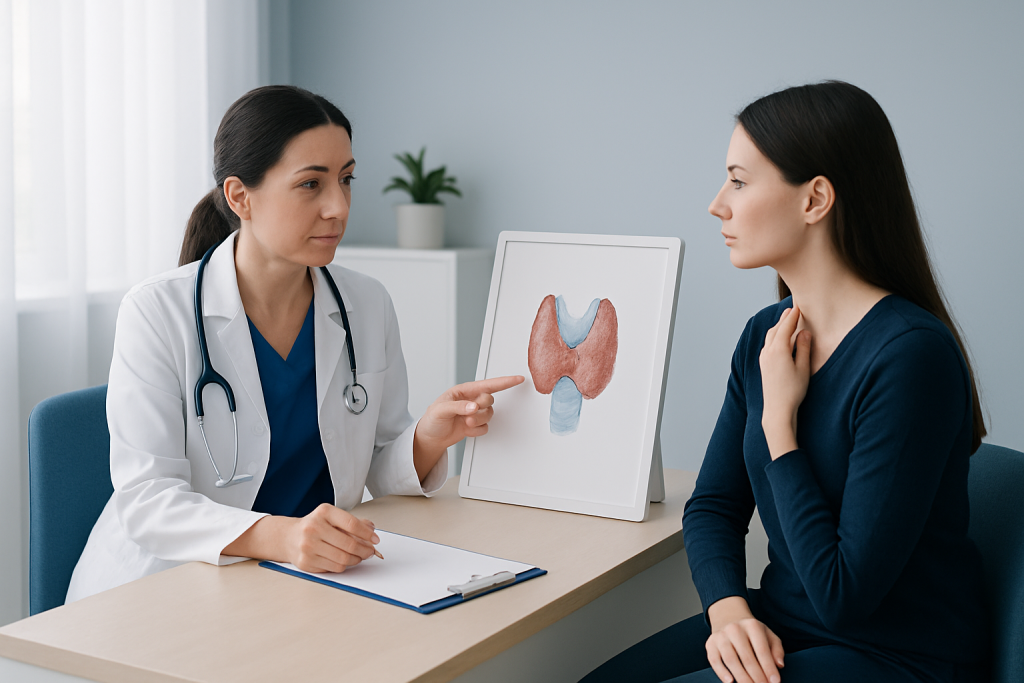
The thyroid gland uses iodine to produce the hormones thyroxine (T4) and triiodothyronine (T3). Some goitrogenic compounds may compete with iodine uptake or interfere with steps involved in thyroid hormone production. If this interference is strong enough and lasts long enough, the thyroid may work harder to maintain normal hormone levels.
In people with adequate iodine intake and normal thyroid function, the body can usually adapt well. In contrast, people who are iodine deficient or who already have thyroid disease may be more sensitive to these effects. In these cases, very high intake of certain raw foods or poorly balanced diets may contribute to thyroid dysfunction over time.
Goitrogens do not affect everyone in the same way. A person with no thyroid disorder may eat broccoli, cabbage, or soy without any measurable problem, while someone being evaluated for goiter or an underactive thyroid may need more individualized guidance. This is one reason diet advice for thyroid health should be tailored rather than based on internet myths.
It is also important to remember that food is only one part of thyroid health. Autoimmune disease, genetics, medications, iodine status, pregnancy, and prior thyroid treatment can all affect how the gland works. A doctor may recommend blood tests or imaging if there are signs of a thyroid problem.
Who may need to be more careful?
Most people do not need to avoid goitrogenic foods. However, some groups may benefit from discussing intake with a doctor or registered dietitian. This includes people with known hypothyroidism, autoimmune thyroid disease, thyroid nodules, a history of thyroid surgery, or an enlarged thyroid gland.
People with low iodine intake may also be more vulnerable. Iodine deficiency is an important reason goitrogens can become more relevant, because the thyroid has fewer resources to make hormones. In this setting, large amounts of goitrogenic foods may have more effect than they would in someone whose iodine intake is sufficient.
Those who regularly consume large quantities of raw green juices, raw cruciferous vegetables, or millet as a dietary staple may want personalized advice. The issue is usually the amount and pattern of intake rather than occasional servings. Soy may also deserve attention in people taking thyroid hormone replacement, because meal timing can affect how some medications are absorbed.
Anyone living with an underactive thyroid or another thyroid condition may already be under care for thyroid diseases. In these situations, the goal is not to remove healthy foods unnecessarily, but to support good nutrition while keeping thyroid treatment effective and monitoring symptoms appropriately.
Symptoms, diagnosis, and what doctors look for
Goitrogens themselves do not cause a unique set of symptoms. If they contribute to reduced thyroid function in a susceptible person, the symptoms are generally those of hypothyroidism or thyroid enlargement. Possible symptoms may include tiredness, feeling cold, dry skin, constipation, weight changes, slower thinking, hoarseness, or a feeling of fullness or swelling in the neck.
A doctor does not diagnose a “goitrogen problem” based on diet alone. Assessment usually starts with a medical history, medication review, and questions about symptoms and usual eating patterns. Blood tests often include thyroid-stimulating hormone (TSH) and thyroid hormone levels, and in some cases thyroid antibodies may be checked.
If the thyroid seems enlarged or a nodule is suspected, imaging such as a thyroid ultrasound may be used to examine the gland more closely. Ultrasound can help identify enlargement, nodules, or structural changes. In selected cases, other tests may be needed depending on the person’s symptoms and medical history.
Because symptoms of thyroid disease can overlap with many other conditions, self-diagnosis is not reliable. A professional evaluation is the best way to understand whether symptoms are related to the thyroid, diet, another endocrine issue, or a different health concern altogether.
Diet, treatment, and practical self-care
For most people, treatment is not about eliminating goitrogens. It is about maintaining a balanced diet and addressing any thyroid condition appropriately. If blood tests show hypothyroidism, the main treatment is usually thyroid hormone replacement prescribed by a doctor. If there is a structural thyroid problem, treatment depends on the cause and severity.
Practical diet steps may include eating cruciferous vegetables in moderate portions, varying food choices, and cooking these vegetables more often if intake is high. Adequate iodine intake is important, but iodine supplements should not be started without medical advice. Both too little and too much iodine can affect thyroid function.
People who take thyroid hormone should ask their doctor or pharmacist how to time medication around food, supplements, and soy products. This can help maintain stable absorption. If a nodule, large goiter, or another thyroid problem needs further evaluation, doctors may consider additional options, including thyroid biopsy or, in selected cases, thyroid surgery.
Near the end of the care pathway, some patients benefit from coordinated specialist input. Acibadem International’s multidisciplinary specialists in JCI-accredited hospitals evaluate and treat thyroid-related conditions for international patients, especially when symptoms, imaging findings, and laboratory results need to be reviewed together.
When to seek medical care
Medical advice is appropriate if a person has symptoms that could suggest a thyroid problem, especially if they are persistent. Examples include ongoing fatigue, unexplained weight change, constipation, sensitivity to cold, hair thinning, menstrual changes, or a visible or noticeable swelling in the front of the neck.
A doctor should also be consulted if there is trouble swallowing, a new neck lump, voice changes, or symptoms that are worsening over time. These symptoms do not always mean a serious illness, but they do deserve proper evaluation. People with a personal or family history of thyroid disease may need earlier assessment.
Anyone who is pregnant, planning pregnancy, or already taking thyroid medication should seek personalized advice before making major diet changes related to goitrogens. This helps protect both thyroid stability and overall nutritional balance. Professional guidance is safer than removing broad groups of healthy foods without a clear reason.
Frequently asked questions
Are goitrogens bad for everyone?
No. Most people can eat goitrogen-containing foods without harming their thyroid. Problems are more likely when intake is very high, foods are eaten mostly raw, iodine intake is low, or a person already has thyroid disease.
Should people with hypothyroidism avoid broccoli, cabbage, and kale?
Usually not completely. These foods can often remain part of the diet in moderate amounts, especially when cooked. A doctor or dietitian can give more specific advice based on thyroid test results and overall eating habits.
Does cooking remove goitrogens?
Cooking can reduce the activity of goitrogenic compounds in many vegetables, though it may not remove them entirely. This is one reason cooked cruciferous vegetables are often better tolerated when someone needs to be cautious.
Is soy unsafe for people with thyroid disease?
Soy is not automatically unsafe, but it may matter in certain situations. In some people, soy can affect thyroid medication absorption, so timing of meals and medication may need adjustment. A healthcare professional can explain what is appropriate for the individual.
Can goitrogens cause a goiter?
They can contribute in some cases, especially if iodine intake is low and exposure is prolonged. However, goiter has many possible causes, including autoimmune disease, nodules, and other thyroid disorders. A proper medical evaluation is important to find the actual reason.
How can someone support thyroid health without avoiding healthy foods?
A balanced diet, adequate iodine intake, and appropriate medical follow-up are the main steps. It also helps to avoid extreme diets and to seek advice before using supplements. People with symptoms or thyroid medication questions should speak with a qualified doctor.
References
- American Thyroid Association
- National Institute of Diabetes and Digestive and Kidney Diseases
- National Institutes of Health Office of Dietary Supplements
- Mayo Clinic
- British Thyroid Foundation
This article is for general information only and is not a substitute for professional medical advice. Please consult a qualified doctor about your individual situation.
Explore treatments in Turkey — costs, top hospitals & a free quote
JCI-accredited · board-certified surgeons · reply within 24h
Add us as a Preferred Source to see more of our trusted health content across Google Search, AI Overviews and Discover.

More from the Health Library

Snake Bite Pictures: An Evidence-Based Guide for Patients

Right Hand Itching: What Patients Need to Know

Blasts: An Evidence-Based Guide for Patients

Planters wart salicylic acid: Symptoms, Causes, and Treatment — Complete Patient Guide

Comprehensive Metabolic Panel — Explained by Medical Evidence, Not Myths