Snake Bite Pictures: An Evidence-Based Guide for Patients
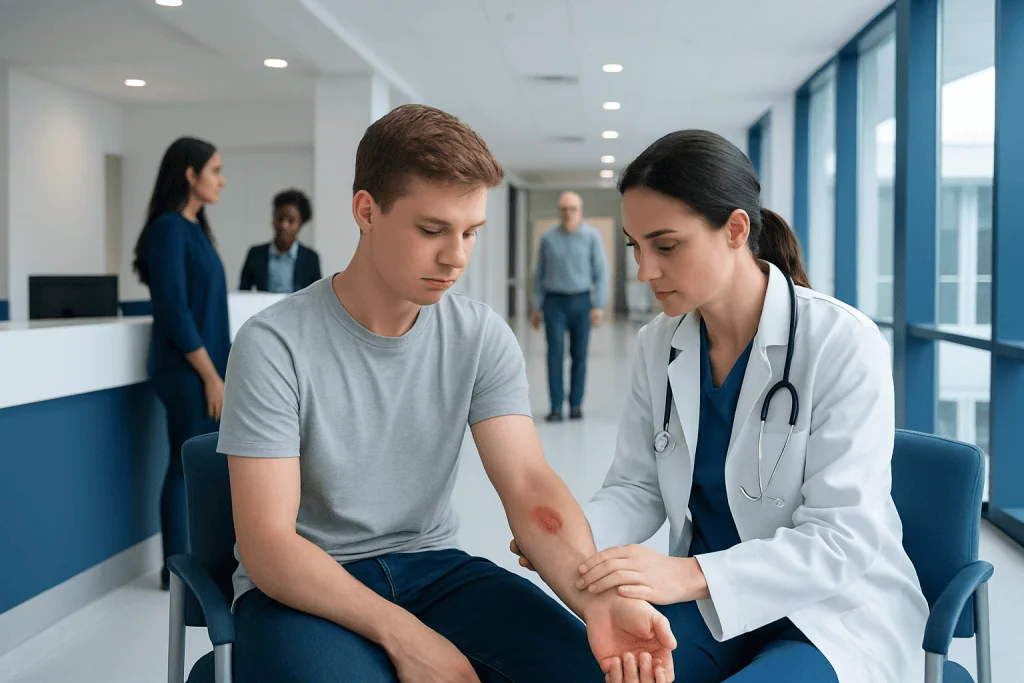
A photo of a bite cannot reliably determine whether venom entered the body or how serious the injury may become. Snake bites do not always leave two clear puncture marks; scratches, one puncture, or no obvious marks may occur.
Key Takeaways
- A photo of a bite cannot reliably determine whether venom entered the body or how serious the injury may become.
- Snake bites do not always leave two clear puncture marks; scratches, one puncture, or no obvious marks may occur.
- Call emergency services or seek urgent medical care after a suspected venomous snake bite, even if symptoms seem mild at first.
- Keep the person calm and still, remove tight items near the bite, and avoid cutting, sucking, icing, or using a tourniquet.
- A photo of the snake from a safe distance may help experts, but no one should try to catch or approach the snake.
Snake bite pictures may show puncture marks, swelling, bruising, or skin changes, but photographs alone cannot confirm whether a snake was venomous or whether venom was injected. After any suspected snake bite, the safest step is prompt medical evaluation, especially if symptoms develop or the snake cannot be identified safely.
What snake bite pictures can show
Snake bite pictures can be useful for understanding how a wound looks over time and for documenting visible changes for a healthcare professional. Images may show small puncture marks, scratches, localized redness, swelling, bruising, blistering, or bleeding. However, the appearance of a bite is highly variable and does not provide a reliable diagnosis on its own.
Some bites leave two punctures, but this familiar image is not present in every case. A snake may leave one visible fang mark, several small marks, shallow scratches, or marks that are difficult to see through swelling, dirt, clothing pressure, or naturally textured skin. Nonvenomous snake bites can also puncture the skin and may still need cleaning and assessment because of infection and tetanus concerns.
Most importantly, pictures cannot show whether venom was injected, which type of venom may be involved, or whether internal complications are developing. A person should not wait for a wound to “look serious” before seeking advice. Symptoms and medical examination are more informative than the number, depth, or pattern of visible marks.
How to interpret a suspected snake bite safely
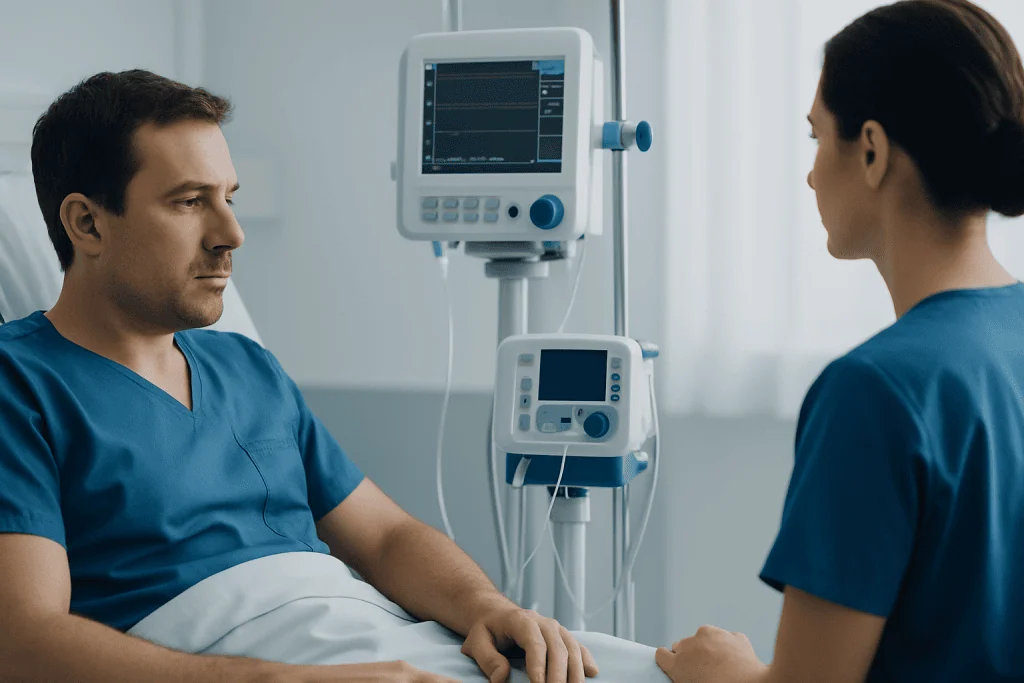
When reviewing snake bite pictures, it helps to focus on changes rather than trying to identify the snake from the wound. Worsening swelling, spreading bruising, blistering, increasing pain, oozing blood, or changes in skin color should be shared with clinicians. A photograph taken at a safe time can create a record, but it should never delay emergency care.
Photos can also be misleading. Lighting, camera angle, skin tone, image filters, and the time since the bite can change how redness, swelling, and bruising appear. Early after a bite, the skin may look nearly normal even when venom-related effects are beginning. Conversely, a dramatic-looking local injury does not by itself establish the severity of systemic illness.
If a snake can be photographed from a safe distance without moving closer, an image may assist local wildlife or poison experts with identification. The person should not attempt to handle, trap, kill, or transport the snake. This can lead to another bite and is not necessary for emergency clinicians to begin appropriate assessment.
Symptoms that matter more than the appearance of the wound
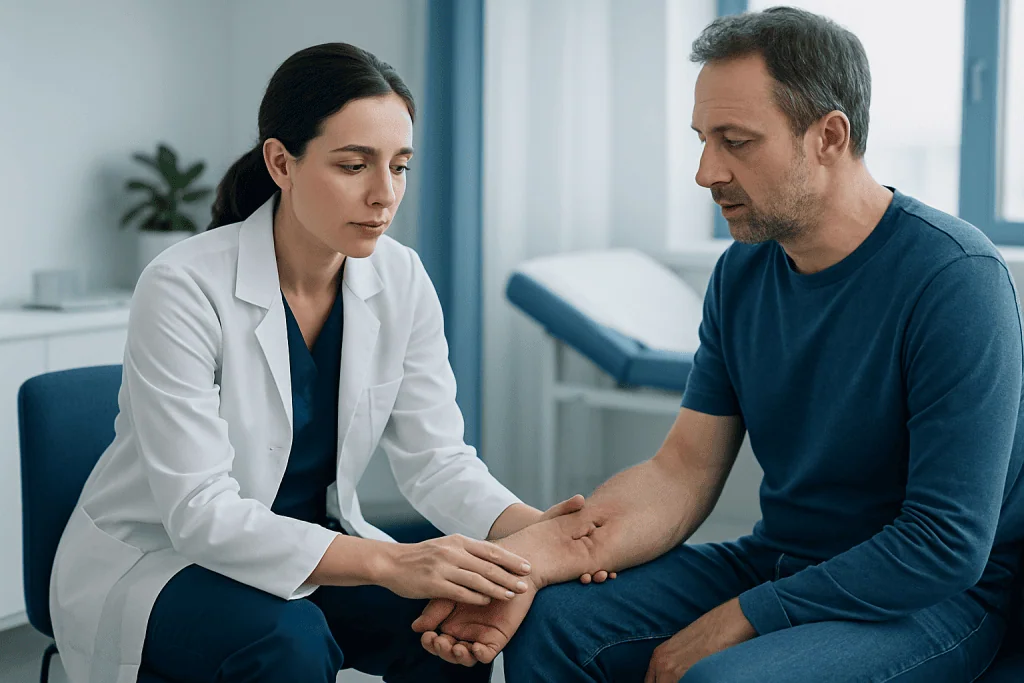
Symptoms after a snake bite may be local, whole-body, or both. Local symptoms can include pain, tenderness, swelling, warmth, bruising, bleeding, tingling, numbness, or blisters near the bite. Swelling can extend beyond the immediate area, particularly when a bite affects a hand, foot, arm, or leg.
Possible whole-body symptoms include nausea, vomiting, sweating, weakness, dizziness, fainting, abdominal pain, headache, difficulty breathing, drooping eyelids, blurred vision, muscle weakness, unusual bleeding, or changes in alertness. These symptoms require urgent assessment because they may indicate venom effects on the nervous system, blood clotting, circulation, muscles, or other body systems.
Not every snake bite injects venom. These are sometimes called dry bites, but this cannot be confirmed safely at home. Observation and testing in a medical setting may be needed because symptoms can be delayed. Children, older adults, pregnant people, and people with chronic medical conditions may be more vulnerable to complications and should be evaluated promptly.
Immediate first aid after a snake bite
The priority after a suspected snake bite is to move away from the snake and call local emergency services or arrange urgent medical transport. The bitten person should remain as calm and still as possible. Movement can increase circulation and may speed the spread of venom through the body.
Keep the bitten limb in a comfortable, neutral position and remove rings, watches, tight shoes, or restrictive clothing before swelling increases. If it can be done without delaying care, gently cover the area with a clean, dry dressing. Note the approximate time of the bite and any symptoms that develop, as this information can help the medical team.
Do not cut into the wound, try to suck out venom, apply ice, use electric shock, drink alcohol, or apply herbal substances or chemicals. Do not use a tourniquet, as it can damage tissue and worsen injury. People should also avoid taking aspirin or anti-inflammatory medicines unless a clinician advises them, because some snake venoms can affect bleeding.
- Move to a safe area away from the snake.
- Call emergency services or seek urgent medical care.
- Keep the person still and reassure them.
- Remove constricting items near the bite.
- Do not attempt to capture the snake.
How clinicians diagnose and monitor snake bites
Healthcare professionals assess a suspected snake bite by considering the location, time of exposure, symptoms, physical examination, and local snake species where relevant. They may measure swelling at intervals, examine the nerves and blood supply of the affected limb, and monitor vital signs such as blood pressure, pulse, breathing, and oxygen levels.
Blood and urine tests may be used to look for effects on blood clotting, kidney function, muscle injury, and other organ systems. Repeat testing can be important because venom effects may evolve over time. A clinician may also check tetanus vaccination status and assess whether wound care or antibiotics are appropriate.
Images of the bite can be helpful as part of the history, particularly when they show how swelling or bruising changed. They are not a substitute for examination or laboratory testing. If a person has been bitten while traveling, local emergency clinicians and poison information services can help determine the most appropriate monitoring and treatment pathway.
Treatment options and recovery
Treatment depends on the suspected snake species, symptoms, examination findings, and test results. Some people need observation, wound care, pain relief, tetanus prevention, and follow-up. Others may need hospital monitoring for swelling, blood abnormalities, nerve symptoms, breathing problems, or other signs of significant envenoming.
Antivenom may be recommended when there is evidence of clinically important venom effects. It is given in a monitored healthcare setting because it is a specialized treatment and can occasionally cause allergic reactions. Medical teams weigh the expected benefits and risks, while also treating complications such as bleeding, low blood pressure, breathing difficulty, or tissue injury when needed.
Recovery varies. Swelling and tenderness may take days or longer to settle, while more serious bites can require rehabilitation or specialist follow-up. Keeping appointments is important, particularly if there is persistent pain, reduced movement, numbness, worsening skin changes, fever, or problems with wound healing. Acibadem International’s multidisciplinary specialists and JCI-accredited hospitals diagnose and treat snake bite-related complications for international patients.
When to seek medical care
Any suspected bite from a venomous snake should be treated as an emergency. Immediate medical care is also appropriate when the snake cannot be identified, the bite breaks the skin, or there is any possibility that venom was injected. It is safer to be assessed early than to wait for a photograph or symptom pattern to become clearer.
Emergency care is especially important for rapidly increasing swelling, severe pain, bruising or bleeding, vomiting, dizziness, fainting, weakness, trouble speaking, eyelid drooping, breathing difficulty, confusion, or reduced urine output. A bite to the face, neck, torso, hand, foot, or near a major joint also deserves urgent evaluation because of location-related risks.
Even if the snake is believed to be nonvenomous, medical advice is sensible if the skin is punctured, the wound is deep or dirty, bleeding does not stop, infection is a concern, or tetanus vaccination may not be current. A clinician can advise on wound cleaning, vaccination, and whether further monitoring is needed.
Frequently asked questions
Can snake bite pictures tell if a bite is venomous?
No. A photograph cannot reliably show whether venom was injected or predict how the body will respond. Venomous bites may initially look mild, while nonvenomous bites can still leave noticeable punctures and swelling.
Do all snake bites leave two fang marks?
No. Two puncture marks are possible, but a bite may leave one mark, several marks, scratches, or no easily visible mark. The wound pattern should not be used to decide whether medical care is needed.
Should someone take a picture of the snake?
Only if it can be done from a safe distance without approaching or delaying care. The person should never try to catch, touch, kill, or transport the snake for identification.
What should be done immediately after a suspected snake bite?
Move away from the snake, call emergency services or seek urgent medical care, and keep the person calm and still. Remove tight jewelry or clothing near the bite, but do not cut, suck, ice, or tightly tie the area.
Can symptoms start hours after a snake bite?
Yes. Some effects may be delayed, which is why medical observation may be needed even when early symptoms are limited. Any new swelling, weakness, vomiting, bleeding, or breathing problem needs urgent attention.
Does a nonvenomous snake bite need medical care?
It may. A nonvenomous bite can still cause a puncture wound, bleeding, tissue injury, or infection risk, and tetanus vaccination may need review. Medical advice is particularly important for deep wounds, bites to the hand or face, or worsening symptoms.
References
- World Health Organization
- Centers for Disease Control and Prevention
- National Institute for Health and Care Excellence
- American College of Medical Toxicology
This article is for general information only and is not a substitute for professional medical advice. Please consult a qualified doctor about your individual situation.
Explore treatments in Turkey — costs, top hospitals & a free quote
JCI-accredited · board-certified surgeons · reply within 24h
Add us as a Preferred Source to see more of our trusted health content across Google Search, AI Overviews and Discover.