Svt vs Vtach: Key Differences and How Doctors Tell Them Apart

SVT starts above the ventricles; VT starts in the ventricles. Doctors often treat a wide-complex fast rhythm as VT first because missing VT can be dangerous.
Key Takeaways
- SVT starts above the ventricles; VT starts in the ventricles.
- Doctors often treat a wide-complex fast rhythm as VT first because missing VT can be dangerous.
- An electrocardiogram, symptom history, and the patient's overall condition help distinguish SVT from VT.
- SVT may cause palpitations, dizziness, or chest discomfort, while VT is more likely to cause fainting, low blood pressure, or collapse.
- Both conditions need medical assessment, but possible VT requires urgent care.
SVT and VT are both fast heart rhythms, but they are not the same. In simple terms, SVT usually begins in the upper chambers or electrical pathways above the ventricles, while VT begins in the ventricles and is generally treated as the more serious rhythm until proven otherwise.
Overview: SVT vs VTach at a Glance
When people compare svt vs vtach, the most important difference is where the fast rhythm starts. Supraventricular tachycardia (SVT) begins above the ventricles, usually in the atria or in an extra electrical pathway involving the upper part of the heart. Ventricular tachycardia (VT or VTach) begins in the ventricles, the heart’s lower pumping chambers.
That distinction matters because VT is more likely to interfere with blood flow and can sometimes progress to life-threatening rhythms. SVT can feel dramatic and uncomfortable, but many forms are less dangerous than VT, especially in otherwise healthy hearts. Still, symptoms can overlap, and some episodes are impossible to label safely without an ECG and medical evaluation.
The side-by-side comparison below summarizes the usual differences doctors consider first:
- Where it starts: SVT starts above the ventricles; VT starts in the ventricles.
- Typical ECG pattern: SVT often has a narrow QRS complex; VT often has a wide QRS complex.
- Usual urgency: SVT may be urgent depending on symptoms; VT is generally treated as urgent.
- Common symptoms: Both can cause palpitations, shortness of breath, dizziness, and chest discomfort.
- Higher-risk features: Fainting, very low blood pressure, severe chest pain, or collapse raise concern for VT or another dangerous rhythm.
- Who gets it: SVT can affect people with or without structural heart disease; VT is more common in people with prior heart damage or cardiomyopathy, though it can also occur in younger people with certain inherited or idiopathic rhythms.
Symptoms: How They Can Feel Similar and Different
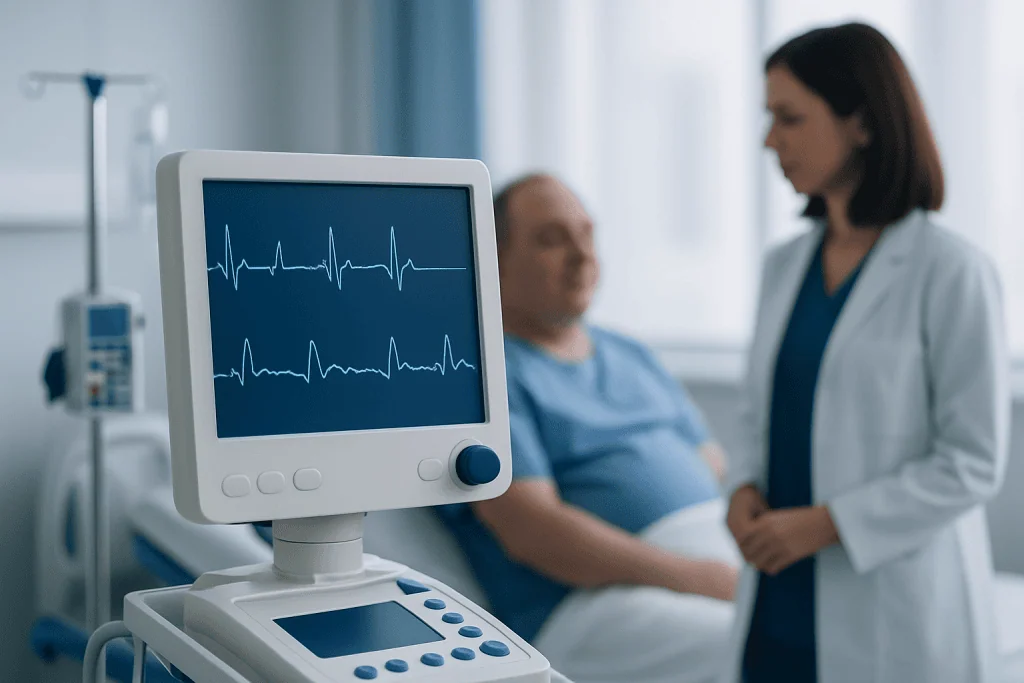
SVT and VT can both cause a suddenly racing heartbeat. Many people describe pounding in the chest, a fluttering sensation, breathlessness, lightheadedness, sweating, weakness, or chest pressure. Because the symptoms overlap so much, how an episode feels does not always reveal whether it is SVT or VT.
SVT often starts and stops abruptly. Some people notice a trigger such as stress, caffeine, alcohol, dehydration, or poor sleep, although episodes may also happen without a clear reason. In many cases, especially in younger adults with otherwise healthy hearts, the person remains alert and stable even though the pulse is very fast.
VT is more concerning because the ventricles are responsible for the main pumping action of the heart. If they beat too fast or in an uncoordinated way, blood pressure can fall quickly. This may cause marked dizziness, near-fainting, fainting, severe weakness, confusion, or collapse. However, VT does not always cause dramatic symptoms; some people only notice palpitations.
A symptom pattern can offer clues, but it cannot confirm the diagnosis. A stable person can still have VT, and an unstable person can occasionally have SVT. That is why clinicians combine symptoms with an ECG, vital signs, and the patient’s medical history before deciding what rhythm is most likely.
How Clinicians Tell Them Apart

Doctors first assess whether the patient is stable or unstable. Blood pressure, oxygen level, mental status, chest pain, and signs of poor circulation guide the urgency of treatment. If a fast rhythm is causing severe symptoms or low blood pressure, treatment begins immediately while the team identifies the rhythm.
The ECG is the main tool for distinguishing SVT from VT. In general, a narrow-complex tachycardia is more likely to be SVT because the electrical impulse still travels through the ventricles in the usual way. A wide-complex tachycardia raises concern for VT because the electrical impulse is starting in the ventricles or moving through them abnormally. As a safety rule, many clinicians assume a regular wide-complex rhythm is VT unless there is convincing evidence otherwise.
Doctors also look for more specific ECG clues. They assess heart rate, rhythm regularity, P waves, the width and shape of the QRS complexes, and whether the atria and ventricles seem to be beating independently. Findings such as atrioventricular dissociation, capture beats, or fusion beats support VT. Previous ECGs can help too, especially if the person already has bundle branch block or a known rhythm disorder.
Clinical context matters. VT becomes more likely in someone with a history of heart attack, heart failure, structural heart disease, or cardiomyopathy. SVT may be more likely in younger people without heart disease, but age alone is not enough to rule VT out. Depending on the situation, doctors may use continuous heart monitoring, blood tests, echocardiography, or an electrophysiology evaluation. Related heart rhythm problems may also need assessment, such as arrhythmia or underlying heart failure.
Causes and Risk Factors
SVT usually results from abnormal electrical circuits above the ventricles. Common mechanisms include AV nodal reentrant tachycardia, AV reentrant tachycardia involving an accessory pathway, and atrial tachycardia. Some episodes happen in otherwise healthy hearts, while others are associated with thyroid problems, stimulant use, medication effects, or other medical conditions.
VT often develops when the ventricles contain scar tissue or irritated heart muscle that disrupts normal electrical conduction. This may happen after a prior heart attack, in cardiomyopathy, with myocarditis, electrolyte imbalances, or certain inherited rhythm conditions. VT can also occur without visible structural disease, sometimes called idiopathic VT.
Shared triggers can include dehydration, infection, fever, excess alcohol, stimulant drugs, uncontrolled stress, and sleep loss. Electrolyte abnormalities, especially involving potassium or magnesium, can increase the risk of dangerous rhythms. Certain prescription and over-the-counter medicines may also affect the heart’s electrical system.
Because VT can be linked to underlying heart disease, doctors often look beyond the rhythm itself. Evaluating the overall heart structure helps guide treatment and future prevention. In some patients, the bigger question is not only what rhythm occurred, but why it happened.
What Doctors Do for Each Case
Treatment depends first on how the person is doing in the moment. If there is fainting, severe low blood pressure, ongoing chest pain, signs of shock, or reduced consciousness, emergency rhythm treatment is needed right away. In unstable tachycardia, synchronized cardioversion may be used to restore a safer rhythm.
For stable SVT, doctors may try simple measures such as vagal maneuvers, which briefly change pressure in the chest and can interrupt certain reentry circuits. If that does not work, medications may be used under medical supervision. For people with repeated episodes, longer-term options can include lifestyle measures, preventive medicines, or cardiac ablation to target the abnormal electrical pathway.
For VT, treatment is usually more urgent and more focused on preventing recurrence and complications. Depending on the type of VT and the patient’s heart condition, care may include antiarrhythmic medication, hospitalization, treatment of a triggering cause, and procedures such as electrophysiology study to map the rhythm source. Some patients may also need implantable cardioverter-defibrillator (ICD) implantation if there is a meaningful risk of dangerous recurrent ventricular rhythms.
After the immediate episode, doctors may arrange further testing to evaluate the heart muscle and blood supply. In selected patients, imaging or procedures that investigate possible coronary artery disease may be relevant, including coronary angiography. Near the end of the care pathway, multidisciplinary specialists at Acibadem International’s JCI-accredited hospitals also evaluate and treat international patients with complex heart rhythm disorders.
What Patients Can Do: Self-Care and Prevention
Self-care cannot replace diagnosis, but it can support heart rhythm health. People who have had episodes of rapid heartbeat may be advised to reduce known triggers such as excess caffeine, alcohol, nicotine, stimulant supplements, and recreational drugs. Good hydration, regular sleep, and stress management can also help reduce episodes in some forms of SVT.
It is helpful to note what happened before and during an episode. Recording the time, duration, pulse reading from a smartwatch or blood pressure monitor, associated symptoms, and any triggers can help a clinician interpret the pattern. This information may support decisions about ambulatory monitors, blood tests, or referral to a rhythm specialist.
People with known heart disease should take medicines exactly as prescribed and keep follow-up appointments. Managing blood pressure, diabetes, cholesterol, and other cardiac risk factors can reduce strain on the heart. If a doctor has recommended treatment for another heart condition, following that plan may also lower the risk of certain ventricular rhythms.
Most importantly, self-care should not delay urgent evaluation if symptoms are severe or unusual. A new fast rhythm, especially in someone with heart disease, deserves medical attention even if it stops on its own.
When to Seek Medical Care
Medical help is needed urgently if a fast heartbeat is accompanied by fainting, near-fainting, severe shortness of breath, persistent chest pain, confusion, bluish lips, or collapse. These signs may mean the heart is not pumping enough blood effectively. Emergency evaluation is especially important if the person has known heart disease or a history of serious rhythm problems.
A person should also arrange prompt medical review if fast heartbeats are new, happen repeatedly, last more than a few minutes, occur during exercise, or leave them feeling unusually weak afterward. Even when symptoms settle, an ECG or heart monitor may still be needed to identify the rhythm and decide whether treatment is necessary.
If someone has already been told they have SVT, they should still seek advice if episodes become more frequent, last longer, change in character, or no longer respond to previously recommended measures. For anyone with suspected VT, medical evaluation should not be postponed because the risks can be higher.
Frequently asked questions
Is VT always more dangerous than SVT?
VT is generally treated as more serious because it starts in the ventricles, which do most of the heart's pumping. It is more likely to reduce blood pressure and lead to collapse or more dangerous rhythms. However, any rapid rhythm can become urgent if it causes severe symptoms.
Can SVT turn into VT?
SVT and VT are usually different rhythm problems with different electrical origins. One does not typically "turn into" the other in a direct way. Still, a person can have more than one arrhythmia, so separate evaluation is important.
Why do doctors sometimes assume a wide-complex rhythm is VT?
A wide-complex tachycardia can be caused by SVT with abnormal conduction, but VT is a common and potentially dangerous cause. Because missing VT can have serious consequences, clinicians often manage it as VT unless tests clearly suggest another explanation. This is a safety-first approach.
Can an ECG always tell the difference right away?
Often it can, but not always with complete certainty at first glance. Some rhythms are straightforward, while others require expert interpretation, comparison with older ECGs, or additional monitoring. The patient's symptoms, vital signs, and heart history also help guide the diagnosis.
What should a person do during a sudden fast heartbeat?
If there is chest pain, fainting, severe breathlessness, or severe weakness, emergency care should be sought immediately. If the person is fully alert and has previously been taught a safe maneuver for known SVT, they may follow that plan while arranging medical advice. New or unexplained episodes should be assessed by a qualified clinician.
Do all people with VT need a defibrillator or ablation?
No. Treatment depends on the cause of VT, whether the heart has structural disease, how unstable the episode was, and the risk of recurrence. Some people need medication or treatment of an underlying cause, while others may benefit from an ICD, ablation, or both.
References
- American Heart Association
- National Heart, Lung, and Blood Institute
- European Society of Cardiology
- National Institute for Health and Care Excellence
- Heart Rhythm Society
This article is for general information only and is not a substitute for professional medical advice. Please consult a qualified doctor about your individual situation.
Explore treatments in Turkey — costs, top hospitals & a free quote
JCI-accredited · board-certified surgeons · reply within 24h
Add us as a Preferred Source to see more of our trusted health content across Google Search, AI Overviews and Discover.
Check your numbers in seconds
BMI, calories, due date, blood pressure and 30+ more clinical calculators — free, instant, doctor-reviewed ranges.

More from the Health Library



Related Specialists
Prof. Dr. Metin Ertem
General Surgery
Dr. Mehriban Allahverdiyeva
Inpatient Clinic Physicians Clinical Service
Dr. Burcu Aydemir Efelerli
Internal Medicine
Dr. Murat Alakuş
Physical Medicine & Rehabilitation