Small Blisters on Fingers: What Patients Need to Know
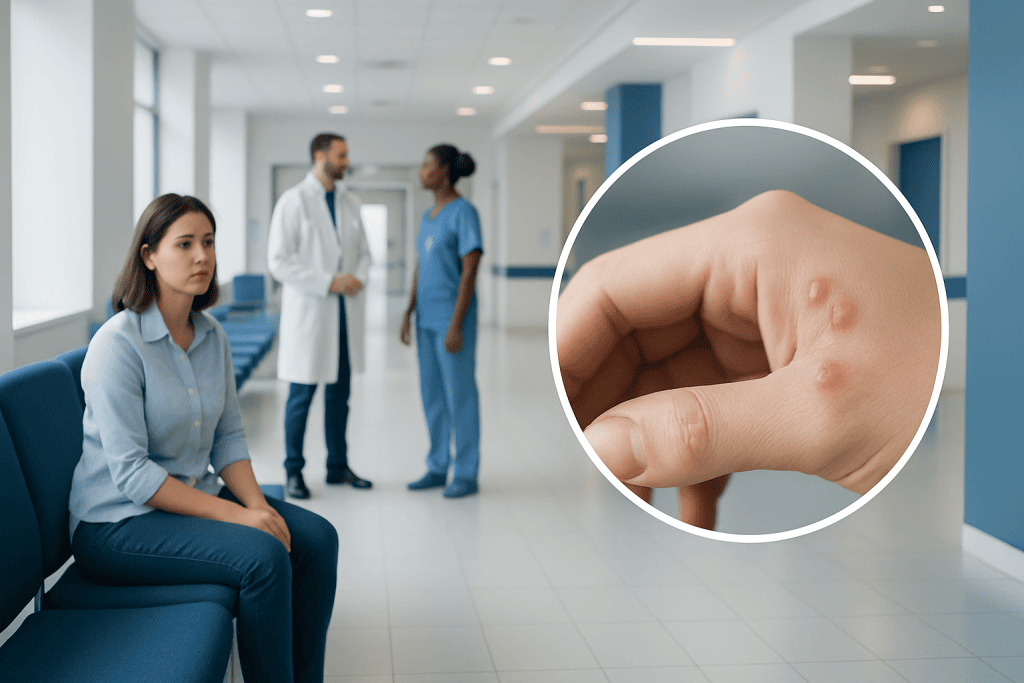
Small blisters on fingers can have several causes, including eczema, contact irritation, friction, and infections. Blisters that itch deeply are often related to dyshidrotic eczema, while painful grouped blisters may suggest a viral infection.
Key Takeaways
- Small blisters on fingers can have several causes, including eczema, contact irritation, friction, and infections.
- Blisters that itch deeply are often related to dyshidrotic eczema, while painful grouped blisters may suggest a viral infection.
- Do not pop finger blisters at home, as this can raise the risk of infection and slow healing.
- Medical review is important if blisters are spreading, very painful, infected, recurrent, or affecting daily hand use.
- Protecting the skin barrier and avoiding triggers can help prevent many finger blisters from returning.
Small blisters on fingers are common and are often linked to skin irritation, eczema, friction, sweating, or infections. Most are not dangerous, but the cause matters because treatment can range from simple skin care to prescription medicines.
Overview: what small blisters on fingers can mean
Small blisters on fingers are tiny fluid-filled bumps that may appear suddenly or develop over several days. In many people, they are caused by irritation, sweating, friction, or an inflammatory skin condition such as eczema. In other cases, they can be linked to infection or, less commonly, an allergic reaction.
The appearance of the blister can offer clues. Some are clear and very itchy, some are tender and red, and some form in clusters near the fingertips or around the nails. Because different conditions can look similar at first, the surrounding skin, associated symptoms, and a person’s recent exposures often help guide diagnosis.
Most finger blisters improve with skin protection and treatment of the underlying cause. However, persistent, severe, or recurring blisters deserve medical attention, especially if they interfere with daily tasks, become infected, or occur with fever, swelling, or significant pain.
How they may look and feel
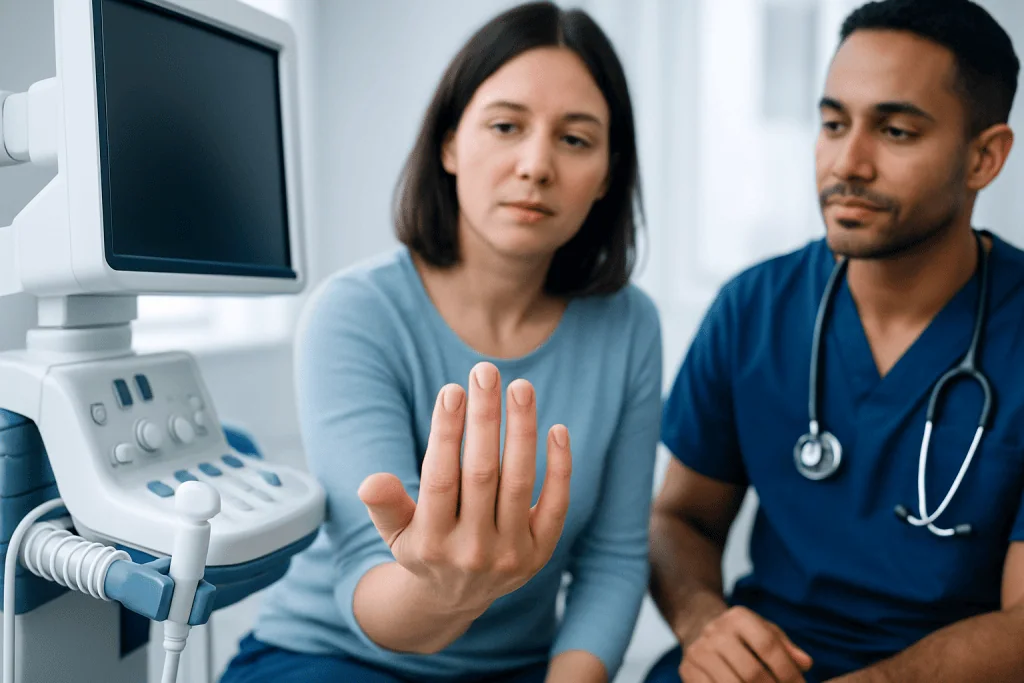
Small blisters on fingers can vary in size, number, and symptoms. Some are barely visible and feel like tiny tapioca-like bumps under the skin. Others are more obvious, with redness, peeling, cracking, or swelling around them. They may affect one finger, several fingers, or extend to the palms and sides of the hands.
Common symptoms include itching, burning, tenderness, tightness of the skin, or pain when bending the fingers. Blisters related to eczema often itch more than they hurt. Friction blisters tend to be sore in one localized spot, while infectious blisters may be painful, inflamed, and associated with warmth or pus.
It can help to note whether the blisters:
- are itchy, painful, or both
- contain clear fluid or cloudy fluid
- appear after handwashing, chemical exposure, sweating, or repetitive rubbing
- come back in the same area
- are accompanied by rash elsewhere on the body
- develop near the nails or mouth sores, fever, or general illness
These details can help a clinician distinguish among common causes and recommend the right treatment.
Common causes and risk factors

One of the most common causes of small blisters on fingers is dyshidrotic eczema, also called pompholyx. This condition usually causes very itchy, deep-seated blisters on the sides of the fingers, palms, or both. Flares may be triggered by stress, sweating, warm weather, frequent handwashing, metal exposure such as nickel, or a history of eczema or allergies. Patients with recurring hand symptoms may benefit from evaluation for eczema.
Contact dermatitis is another frequent cause. This happens when the skin reacts to irritants or allergens such as soaps, detergents, hand sanitizers, cleaning products, gloves, fragrances, or occupational chemicals. The skin barrier becomes inflamed, leading to redness, dryness, itching, and sometimes blistering. People whose hands are often wet or exposed to repeated cleaning agents may be at higher risk.
Friction can also produce finger blisters. Repetitive rubbing from tools, sports equipment, musical instruments, or tight gloves may create a localized fluid-filled area that protects deeper skin while it heals. These blisters usually occur exactly where pressure or rubbing is greatest.
Infections are another possibility. A painful cluster of blisters on one finger may be caused by herpetic whitlow, a herpes virus infection. Bacterial infection can occur if skin is broken, while fungal conditions can irritate the skin and lead to scaling or secondary blistering. Less often, finger blisters may appear with hand-foot-and-mouth disease, autoimmune blistering conditions, scabies, or severe allergic reactions.
How doctors diagnose the cause
Diagnosis usually begins with a careful history and skin examination. A doctor will ask when the blisters started, whether they itch or hurt, if they recur, and what products, activities, or work exposures may be involved. They may also ask about sweating, recent illness, cold sores, contact with sick children, or a personal history of eczema, asthma, or allergies.
The pattern of the rash is often very informative. For example, clear itchy blisters along the sides of the fingers may suggest dyshidrotic eczema, while painful grouped blisters on a red base may raise concern for a viral infection. Signs such as pus, crusting, spreading redness, or swollen lymph nodes may suggest a secondary bacterial infection.
Sometimes extra tests are helpful. A swab may be taken if infection is suspected, especially to look for herpes or bacteria. Patch testing can help identify allergic contact dermatitis. In unusual or severe cases, a dermatologist may consider a skin scraping, fungal testing, or rarely a skin biopsy to rule out less common blistering disorders.
Treatment options for small blisters on fingers
Treatment depends on the cause, so self-diagnosis is not always reliable. For eczema- or irritation-related blisters, the main goals are to reduce inflammation, relieve itching, and restore the skin barrier. Doctors often recommend thick fragrance-free moisturizers, avoiding irritants, and short courses of topical anti-inflammatory treatment. If symptoms are persistent or severe, specialist dermatology care may be appropriate.
If a contact trigger is suspected, reducing exposure is an important part of treatment. This may include switching soaps, wearing protective gloves for wet work, using cotton liners under gloves, and moisturizing after handwashing. When allergy is involved, identifying the specific trigger can prevent repeated flares.
Friction blisters are usually managed by protecting the area and reducing rubbing while the skin heals. A clean dressing may be used if needed. It is generally best not to pop a blister unless a clinician advises otherwise, because the blister roof helps protect against infection.
Infectious causes need different treatment. Viral finger blisters may require antiviral management, while bacterial infection may need prescription medicine and wound care. If the diagnosis is uncertain, or if blisters are painful, spreading, or recurrent, doctors may refer patients for further evaluation. For broad evaluation of persistent skin symptoms, a dermatology check-up can help clarify the cause and next steps.
Self-care and prevention
Simple skin-protective habits can reduce symptoms and lower the chance of new blisters. Hands should be washed with lukewarm rather than hot water when possible, using mild fragrance-free cleansers. After washing, applying a rich moisturizer while the skin is still slightly damp can help seal in moisture and support the skin barrier.
For people who notice blisters after cleaning, dishwashing, or work exposures, barrier protection matters. Nitrile or similar protective gloves may help during wet work, but hands should not stay sweaty inside gloves for long periods. Cotton liners can improve comfort and reduce trapped moisture. Jewelry or metal exposures may need review if a metal allergy is suspected.
To prevent friction blisters, it helps to adjust the fit of gloves or tools, cushion pressure points, and take breaks during repetitive activities. Nails should be kept trimmed, and scratching should be avoided because it can break the skin and lead to infection.
When blisters are linked to chronic or recurring skin inflammation, patients may need a longer-term management plan. This can include trigger avoidance, regular emollient use, and follow-up for recurring dermatitis or eczema flares. Near the end of the care pathway, some patients choose assessment at centers such as Acibadem International, where multidisciplinary specialists in JCI-accredited hospitals evaluate and treat skin conditions for international patients.
When to seek medical care
Many small finger blisters improve with gentle skin care, but some situations should be assessed by a doctor. Medical review is important if blisters are very painful, spreading, returning often, or making it hard to use the hands normally. Care is also advised if there is significant swelling, redness, warmth, pus, or crusting, which may suggest infection.
Urgent assessment is more important if a person has fever, feels generally unwell, has a weakened immune system, or develops a painful blistering finger after exposure to a cold sore or herpes infection. Blisters around the nails, severe hand swelling, or rapidly worsening symptoms should not be ignored.
Children, older adults, and people with diabetes or poor circulation may need earlier review because healing problems and infection risk can be greater. If over-the-counter skin care does not help, or if the diagnosis is unclear, a qualified doctor or dermatologist can provide a safer, more targeted treatment plan.
Frequently asked questions
Are small blisters on fingers usually serious?
Most small blisters on fingers are not serious and are often caused by irritation, eczema, sweating, or friction. They should still be assessed if they are very painful, infected, spreading, or keep coming back.
What causes itchy tiny blisters on the sides of the fingers?
A common cause is dyshidrotic eczema, which often creates small, deep, very itchy blisters on the sides of the fingers or palms. Triggers can include sweating, stress, frequent handwashing, metal exposure, and a history of allergies or eczema.
Should a person pop a blister on a finger?
It is usually best not to pop a finger blister at home. The blister roof protects the skin underneath and lowers the risk of infection while healing takes place.
Can small blisters on fingers be contagious?
Some can be, but many are not. Blisters caused by eczema, irritation, or friction are not contagious, while certain viral causes such as herpetic whitlow or hand-foot-and-mouth disease can spread to others.
How long do finger blisters take to heal?
Healing time depends on the cause. Simple friction or irritation blisters may improve within days to a couple of weeks, while eczema-related blisters can last longer or recur if triggers are not controlled.
What is the difference between eczema blisters and an infection?
Eczema blisters are often very itchy and may appear in clusters with dry or peeling skin. Infectious blisters are more likely to be painful, inflamed, warm, or associated with pus, fever, or swollen lymph nodes.
This article is for general information only and is not a substitute for professional medical advice. Please consult a qualified doctor about your individual situation.
Explore treatments in Turkey — costs, top hospitals & a free quote
JCI-accredited · board-certified surgeons · reply within 24h
Add us as a Preferred Source to see more of our trusted health content across Google Search, AI Overviews and Discover.

More from the Health Library

Casein: What Patients Need to Know

Tetanus: An Evidence-Based Guide for Patients

Muehrcke’s Lines: An Evidence-Based Guide for Patients

Dysarthria — Explained by Medical Evidence, Not Myths

Lump in Palate of Mouth: An Evidence-Based Guide for Patients