Are Chiropractors Doctors? A Doctor-Reviewed Answer

Chiropractors are licensed healthcare professionals with a Doctor of Chiropractic degree. They are not the same as medical doctors, and they do not attend medical school.
Key Takeaways
- Chiropractors are licensed healthcare professionals with a Doctor of Chiropractic degree.
- They are not the same as medical doctors, and they do not attend medical school.
- Chiropractic care mainly focuses on back, neck, joint, and muscle-related symptoms.
- Many causes of back or neck pain are minor and improve, but some symptoms need prompt medical review.
- A doctor may use a history, physical exam, and sometimes imaging or lab tests to rule out serious causes before treatment.
Yes. Chiropractors are doctors of chiropractic (DCs), which is a licensed healthcare profession, but they are not medical doctors (MDs) or doctors of osteopathic medicine (DOs). Their education, scope of practice, and treatment approach focus mainly on the musculoskeletal system, especially the spine, joints, muscles, and related pain.
Overview: Are chiropractors doctors?
In short, yes: chiropractors are doctors in the sense that they earn a professional doctoral degree called a Doctor of Chiropractic (DC). They are licensed healthcare professionals in many countries and are trained to assess and manage certain musculoskeletal problems, especially back pain, neck pain, and some headache patterns related to the neck.
However, chiropractors are not medical doctors. They do not hold an MD or DO degree, do not attend medical school, and do not practice the full scope of medicine. This distinction matters because their training, licensing, and treatment tools differ from those of physicians. Understanding that difference can help patients choose the right kind of care for their symptoms.
For many people, aches and pains in the back, neck, or joints are common and often improve with time, activity changes, exercise, and conservative treatment. Still, certain warning signs should not be ignored. Severe pain after an injury, weakness, numbness, fever, unexplained weight loss, loss of bladder or bowel control, chest pain, or symptoms that keep worsening call for medical evaluation rather than self-treatment alone.
What training do chiropractors have?

Chiropractors typically complete university-level education followed by a professional chiropractic degree. Their training commonly includes anatomy, physiology, neurology, biomechanics, physical examination, diagnostic imaging basics, and non-surgical treatment of musculoskeletal conditions. They also receive hands-on training in spinal manipulation and other manual therapies.
Even so, chiropractic education is not the same as physician training. Medical doctors and osteopathic doctors complete medical school, broad clinical rotations across many specialties, and postgraduate residency training. This broader pathway prepares them to diagnose and treat a much wider range of illnesses, prescribe medications, manage emergencies, and perform surgery if appropriately trained.
Because of these differences, chiropractors usually work within a narrower scope focused on spine and joint-related complaints. In many settings, they may collaborate with physicians, physiotherapists, pain specialists, and orthopedic teams when symptoms suggest a problem outside standard chiropractic care or when a patient needs further testing.
What can chiropractors treat, and what is outside their role?
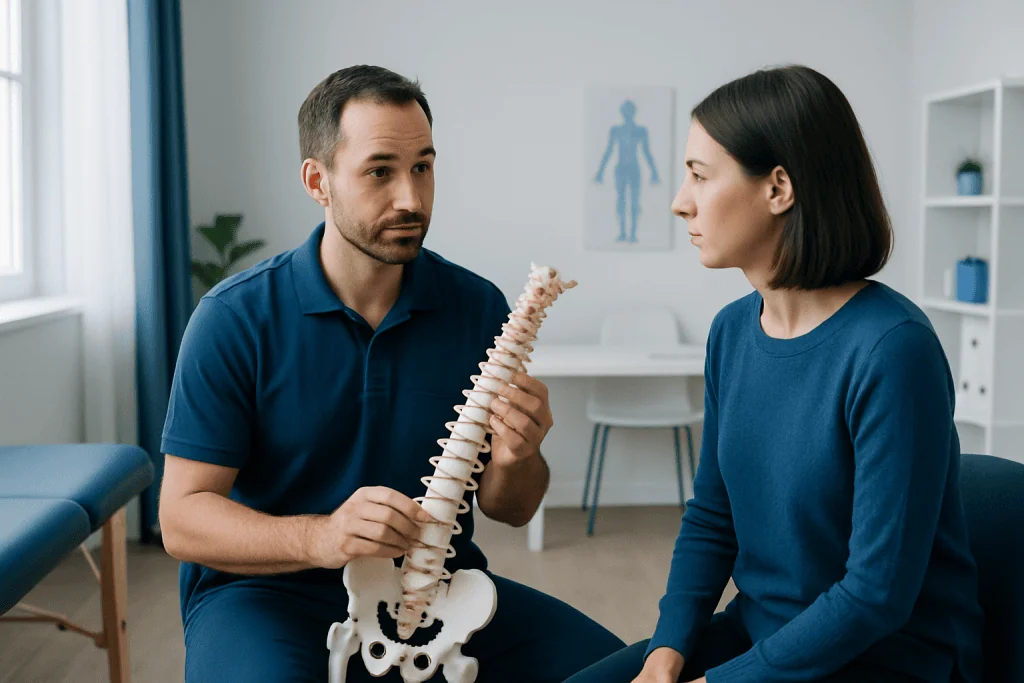
Chiropractic care is most often used for mechanical musculoskeletal symptoms. These may include lower back pain, neck pain, stiffness, some posture-related discomfort, and certain headaches that begin in the neck. A chiropractor may use spinal manipulation, joint mobilization, soft tissue techniques, exercise advice, posture guidance, and activity modification.
Some people find this approach helpful, especially when pain is short-term and not linked to a serious underlying disease. But not every symptom is suitable for chiropractic care. Pain can sometimes come from fractures, infection, inflammatory disease, nerve compression, vascular problems, or internal organ disease. Those conditions need medical assessment and may require imaging, medication, procedures, or surgery.
For example, persistent pain shooting down the leg may relate to a herniated disc, while ongoing structural problems in the neck or back may need review by a spine specialist. If symptoms suggest major nerve pressure, instability, or another serious cause, a doctor may discuss options such as spine surgery or a structured rehabilitation plan rather than manipulation alone.
How are chiropractors different from medical doctors?
The clearest difference is scope of practice. Medical doctors diagnose and treat diseases affecting the whole body. They can prescribe medications, order a full range of lab tests and imaging, admit patients to hospital, coordinate specialist care, and provide emergency treatment. Chiropractors focus mainly on musculoskeletal assessment and conservative manual care.
Another difference is how complex symptoms are approached. A physician is trained to ask whether pain may be a sign of something more serious, such as infection, autoimmune disease, fracture, cancer, or nerve injury. That broader perspective is especially important when symptoms do not follow a typical pattern or when other body systems are involved.
This does not mean one profession replaces the other. Instead, each has a role. A person with straightforward, mild mechanical back pain may seek conservative care, while someone with significant weakness, numbness, trauma, fever, severe headaches, or balance problems should first be medically assessed. In some cases, care is coordinated across several disciplines, including physical therapy and rehabilitation and specialist evaluation.
When to seek medical care
Most back or neck pain is not dangerous, especially if it started after awkward lifting, poor posture, overuse, or a minor strain and begins to improve within days to weeks. Even so, prompt medical care is important when symptoms suggest something more than routine musculoskeletal pain.
Medical review is recommended if pain follows a fall, accident, or direct injury; if it is severe and sudden; or if it comes with fever, night sweats, unexplained weight loss, or a history of cancer. It is also important to seek care for pain with chest pressure, shortness of breath, new trouble walking, numbness in the groin area, or loss of bladder or bowel control.
Urgent assessment is also wise for progressive arm or leg weakness, persistent tingling, major balance problems, or severe headache with neck pain. These signs may point to nerve, spinal cord, vascular, or systemic causes that need medical diagnosis. When symptoms involve ongoing neurologic changes, doctors may investigate for conditions affecting the spine or brain and sometimes involve services such as neurology.
How a doctor evaluates back or neck pain
A doctor usually begins with a careful history. They ask where the pain is, when it started, what makes it better or worse, whether it spreads into an arm or leg, and whether there are related symptoms such as numbness, weakness, fever, recent infection, weight loss, or injury. This first step often helps separate common mechanical pain from conditions that need faster investigation.
The physical examination may include checking posture, range of motion, tenderness, reflexes, sensation, strength, gait, and signs of nerve irritation. Depending on the findings, the doctor may decide that no testing is needed right away, especially if symptoms are mild and fit a common strain pattern.
If red flags are present, tests may be needed. These can include X-rays for suspected fracture or alignment problems, MRI for nerve compression or spinal cord concerns, and blood tests if infection or inflammatory disease is possible. If symptoms suggest a more specialized problem such as scoliosis or significant disc disease, referral to an orthopedic, neurosurgical, or rehabilitation team may follow.
Treatment options and self-care
Treatment depends on the cause. For uncomplicated muscle or joint pain, doctors often recommend staying gently active, avoiding prolonged bed rest, using heat or cold as advised, improving workstation setup, and beginning stretching or strengthening exercises. Short-term medication may sometimes be considered by a physician when appropriate, alongside a gradual return to normal activities.
Conservative therapies can also be useful. These may include supervised exercise, posture training, manual therapy, and rehabilitation. Some people choose chiropractic care as part of a broader plan when symptoms are clearly musculoskeletal and no warning signs are present. What matters most is having the right diagnosis first and adjusting treatment if symptoms do not improve.
If pain is persistent, recurrent, or linked to nerve symptoms, more structured care may be needed. This can include orthopedic evaluation, pain management, rehabilitation, or other specialist treatment. Near the end of the care pathway, if a complex spinal condition is found, Acibadem International’s multidisciplinary specialists in JCI-accredited hospitals can help evaluate and treat international patients using an evidence-based approach.
Frequently asked questions
Are chiropractors real doctors?
Chiropractors are real healthcare professionals who hold a Doctor of Chiropractic degree. But they are not medical doctors, so their training and scope of practice are different from those of MDs and DOs.
Can a chiropractor diagnose medical conditions?
A chiropractor can assess musculoskeletal complaints and identify when symptoms may need referral. However, they do not replace a physician for evaluating broad medical problems, emergencies, or illnesses outside their scope.
Do chiropractors prescribe medicine?
In most healthcare systems, chiropractors do not prescribe medications in the same way medical doctors do. Their care usually focuses on manual treatment, exercise advice, and conservative symptom management.
Should someone see a chiropractor or a medical doctor first for back pain?
If back pain is mild, recent, and clearly related to strain, conservative care may be reasonable. If there is trauma, fever, weakness, numbness, weight loss, severe pain, or bowel or bladder changes, a medical doctor should assess the problem first.
Is chiropractic care safe?
Chiropractic care may be safe for some people when used appropriately for mechanical musculoskeletal pain. It is not suitable for everyone, which is why diagnosis and screening for red flags are important before treatment begins.
Can chiropractors treat slipped or herniated discs?
They may help manage some symptoms conservatively in selected cases, but disc problems vary widely in severity. Significant nerve symptoms, worsening weakness, or spinal cord concerns need medical evaluation and sometimes specialist treatment.
References
- World Health Organization
- National Center for Complementary and Integrative Health
- MedlinePlus
- American Academy of Family Physicians
- National Institute of Neurological Disorders and Stroke
This article is for general information only and is not a substitute for professional medical advice. Please consult a qualified doctor about your individual situation.
Joint and spine care in Turkey — expert assessment & treatment
JCI-accredited · board-certified surgeons · reply within 24h
Add us as a Preferred Source to see more of our trusted health content across Google Search, AI Overviews and Discover.

More from the Health Library



Related Specialists

Assoc. Prof. Dr. Emre Bozkurt
General Surgery
Dt. Gonca Katmer
Oral & Dental Health
Dr. Belinda İrem Ardal
Acibadem Life Clinical Service
Dr. Fatih Pehlivan
Inpatient Clinic Physicians