Liver Is Good: A Complete Medical Overview
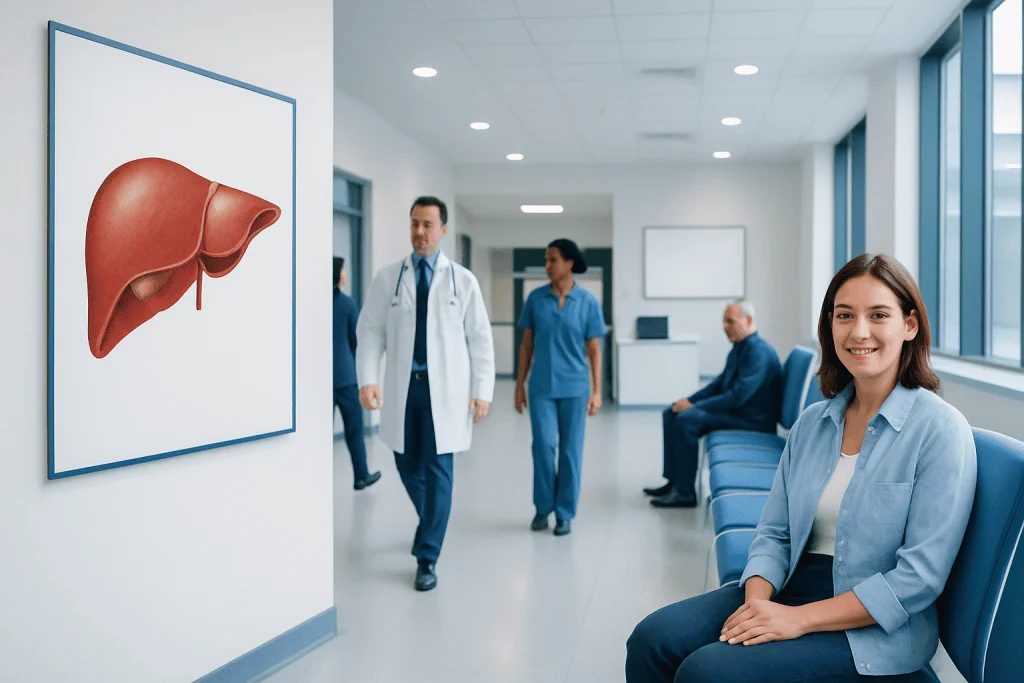
Liver is nutrient-dense and especially rich in iron, vitamin A, vitamin B12, copper, and protein. Moderate portions are important because liver contains very high amounts of vitamin A and cholesterol.
Key Takeaways
- Liver is nutrient-dense and especially rich in iron, vitamin A, vitamin B12, copper, and protein.
- Moderate portions are important because liver contains very high amounts of vitamin A and cholesterol.
- People who are pregnant, have gout, hemochromatosis, or some liver conditions should ask a doctor before eating liver regularly.
- How liver is prepared, stored, and cooked affects food safety and nutritional balance.
- A balanced diet matters more than any single food, even one as nutrient-rich as liver.
Liver is good for many people when eaten in moderation because it provides highly absorbable iron, vitamin B12, protein, and other essential nutrients. At the same time, it is not the right choice for everyone, and safe amounts depend on age, pregnancy status, overall diet, and certain medical conditions.
Overview: Is liver good to eat?
In general, liver is good to eat for many healthy adults because it is one of the most nutrient-dense foods available. It provides high-quality protein and large amounts of iron, vitamin B12, vitamin A, folate, copper, and other micronutrients that support blood formation, energy metabolism, immunity, and normal body functions.
However, “good” does not mean it should be eaten in unlimited amounts. Liver is very concentrated in certain nutrients, especially vitamin A, and this is why portion size and frequency matter. For some people, including those who are pregnant or who have specific medical conditions, regular liver consumption may need to be limited or avoided.
This topic is often confusing because the word “liver” can refer both to the food and to the organ in the body. Eating liver does not automatically improve a person’s own liver function. Overall liver health depends more on alcohol intake, body weight, metabolic health, infections, medications, and underlying conditions such as fatty liver disease.
What nutrients does liver provide?
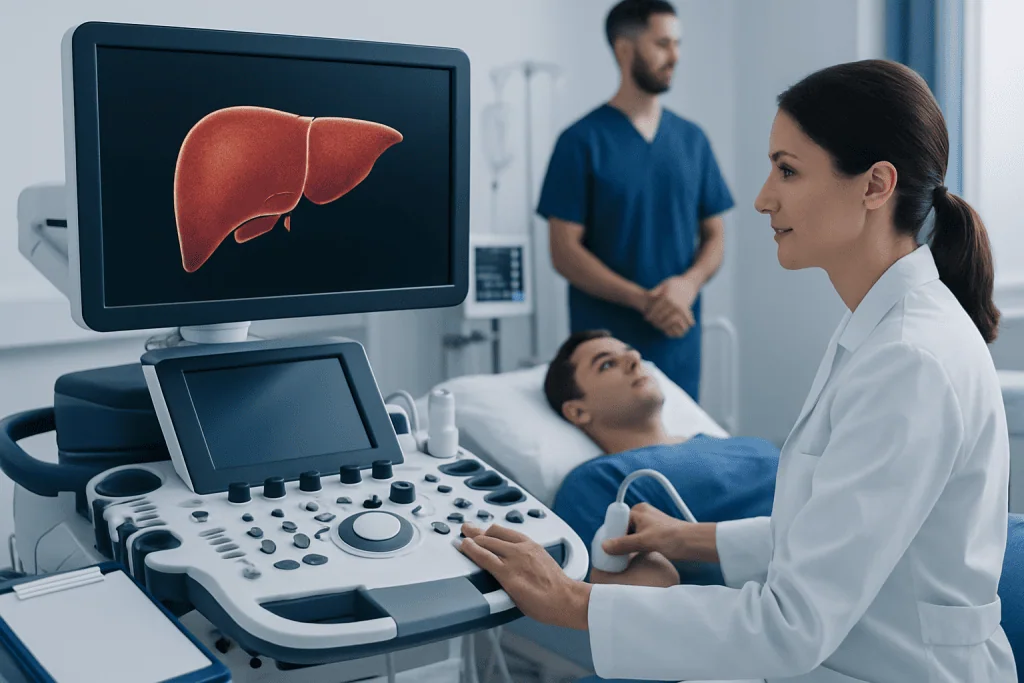
Liver is often described as a nutrient-dense food because it delivers many vitamins and minerals in a relatively small serving. Compared with many other animal proteins, it contains especially high levels of vitamin B12, preformed vitamin A, iron, copper, riboflavin, niacin, and folate. These nutrients play important roles in red blood cell production, nerve function, vision, skin health, and energy use.
One of liver’s best-known advantages is its iron content. The iron in animal foods is heme iron, which the body generally absorbs more efficiently than the non-heme iron found in many plant foods. This can make liver helpful for some people with low iron intake, although it should not replace medical advice or testing when anemia is suspected.
Liver also provides protein, which supports muscles, tissues, enzymes, and hormones. In addition, it contains choline and other micronutrients that help normal cell function. Because the nutrient mix is so concentrated, even a modest portion can contribute meaningfully to daily nutritional needs.
- Vitamin B12 for nerve function and blood cell formation
- Iron for oxygen transport in the blood
- Vitamin A for vision and immune health
- Folate for cell growth and DNA synthesis
- Copper for iron metabolism and enzyme activity
- Protein for tissue repair and maintenance
Potential health benefits of eating liver

For people who tolerate it well, liver can be a practical way to improve nutrient intake. Its iron and vitamin B12 content may support the body’s ability to make healthy red blood cells, while its protein can help with satiety and muscle maintenance. In a balanced eating pattern, liver may be especially useful for people who need more nutrient-dense foods in smaller portions.
Some people choose liver because it may help fill gaps in diets that are low in iron, B vitamins, or other micronutrients. This can be relevant for those with restrictive diets, poor appetite, or increased nutritional needs. Still, symptoms such as fatigue, weakness, or dizziness should not be self-diagnosed as a vitamin deficiency without proper medical evaluation.
It is also important to understand that eating liver is not a treatment for liver disease. A healthy diet can support overall wellness, but liver conditions require medical assessment and targeted care. If a person has abnormal liver tests or symptoms such as jaundice, abdominal swelling, or long-term fatigue, evaluation by a qualified clinician is more important than relying on any specific food.
Possible downsides, risks, and who should be careful
Although liver is nutritious, it is not ideal for everyone. Its very high vitamin A content is the main reason moderation matters. Excessive vitamin A intake over time can be harmful, and this risk is especially important during pregnancy because too much preformed vitamin A may affect fetal development. Pregnant people or those trying to conceive should ask their doctor or dietitian about safe choices.
Liver also contains purines, which the body breaks down into uric acid. For people with gout or recurrent kidney stones related to uric acid, frequent liver consumption may not be advisable. In addition, people with hemochromatosis or other iron overload disorders should be cautious because liver is rich in highly absorbable iron.
Some people also need individualized advice if they have high cholesterol, chronic kidney disease, or existing liver problems. While dietary cholesterol does not affect everyone in the same way, it can still be reasonable to discuss intake with a clinician, especially when liver is eaten often. People living with chronic liver disease, including hepatitis, should not make major dietary changes without medical guidance.
Food safety matters too. Like other animal products, liver should be stored properly and cooked safely to reduce the risk of foodborne illness. Undercooked organ meats may carry harmful bacteria or parasites, particularly if the source and handling are uncertain.
How much liver is reasonable, and how can it fit into a balanced diet?
There is no single amount that is right for everyone, but moderate, occasional intake is generally the most sensible approach. Because liver is so concentrated in vitamin A and other nutrients, small portions can be enough. Eating it every day is usually unnecessary for most people who already have a varied diet.
A practical approach is to think of liver as one nutrient-rich food among many rather than a daily “superfood.” It can be paired with vegetables, whole grains, legumes, and other protein sources to create balance. This helps prevent overreliance on a single food while improving overall dietary quality.
Preparation can also make a difference. Cooking methods that use less added saturated fat and salt may be preferable for some people. Gentle cooking and proper storage are important for both food safety and taste. If symptoms such as indigestion or nausea occur after eating liver, a person may wish to reduce the portion or discuss it with a clinician.
People who think they may have anemia, vitamin deficiencies, or digestive absorption problems should seek diagnosis rather than self-treating with liver alone. Depending on the situation, a clinician may recommend blood tests, nutrition counseling, or targeted therapy such as iron infusion when appropriate.
When liver may matter in medical care
The question “liver is good” sometimes comes up in the setting of symptoms like tiredness, pale skin, poor concentration, or weakness. These symptoms can have many causes, including iron deficiency, vitamin B12 deficiency, thyroid disorders, chronic disease, sleep problems, or depression. Nutrient-rich foods may help support health, but medical assessment is the safest way to identify the real cause.
If blood tests show low iron, low vitamin B12, or anemia, treatment depends on the reason. Some people improve with dietary changes and oral supplements, while others need further investigation for bleeding, poor absorption, or chronic illness. In certain cases, doctors may also evaluate the digestive system with tests such as endoscopy or colonoscopy if there is concern about gastrointestinal blood loss.
For people with known liver-related symptoms or abnormal liver enzymes, the focus is usually not on eating liver but on understanding the underlying condition. Doctors may assess alcohol use, viral hepatitis, fatty liver, medication effects, autoimmune disease, or bile duct problems. Imaging and blood tests are often more important than dietary changes alone in reaching a diagnosis.
When to seek medical care
Medical advice is important if a person has ongoing fatigue, weakness, unexplained weight loss, abdominal pain, yellowing of the skin or eyes, dark urine, persistent nausea, or swelling in the abdomen or legs. These symptoms may point to anemia, liver disease, gallbladder problems, digestive disorders, or other health issues that need proper evaluation.
A doctor should also be consulted before eating liver regularly if a person is pregnant, has gout, has iron overload, has chronic kidney disease, or has been told they have high vitamin A intake from supplements. This is also sensible for anyone with known liver disease or abnormal liver blood tests.
If signs of food poisoning occur after eating liver or any meat product, such as vomiting, severe diarrhea, fever, or dehydration, prompt medical attention may be needed. Care is especially important for young children, older adults, pregnant people, and those with weakened immune systems.
Supporting liver health overall
Whether or not a person eats liver, the best way to support the body’s own liver is through overall healthy habits. These include limiting or avoiding excess alcohol, maintaining a healthy weight, being physically active, using medicines only as directed, and staying up to date with recommended vaccines and medical checkups.
A balanced diet rich in vegetables, fruits, whole grains, legumes, and appropriate protein sources helps support metabolic and digestive health. For people with overweight, diabetes, or high triglycerides, improving diet quality and activity can be especially important because these factors are closely linked to fatty liver disease.
People who need specialized evaluation may benefit from multidisciplinary care. Acibadem International’s specialists and JCI-accredited hospitals diagnose and treat liver, digestive, and blood-related conditions for international patients, with treatment plans based on individual medical needs.
Frequently asked questions
Is liver good for you?
Liver can be good for many people because it is rich in iron, vitamin B12, vitamin A, and protein. It is best eaten in moderation, since it contains very high levels of some nutrients and may not be suitable for everyone.
Can eating liver improve a person’s own liver health?
Not directly. Eating liver does not treat liver disease or automatically improve liver function. The health of the body’s liver depends more on factors such as alcohol use, body weight, infections, medicines, and medical conditions.
Who should avoid or limit liver?
People who are pregnant, have gout, have iron overload disorders such as hemochromatosis, or have been advised to limit vitamin A should speak with a doctor before eating liver regularly. People with chronic liver or kidney disease may also need individualized dietary guidance.
Is liver better than other meats?
Liver is more nutrient-dense than many other meats, especially for iron, vitamin B12, and vitamin A. However, it is not automatically “better” for every person, because its concentrated nutrients mean smaller, less frequent portions are usually more appropriate.
Can liver help with iron deficiency?
Liver contains heme iron, which is generally well absorbed, so it may help increase iron intake in some people. But suspected iron deficiency should still be confirmed by a healthcare professional, because the cause may need treatment beyond diet alone.
How often can someone eat liver?
The right frequency varies depending on age, health status, pregnancy status, and the rest of the diet. For most people, occasional moderate portions are a more balanced choice than eating liver very frequently.
References
- World Health Organization
- National Institutes of Health Office of Dietary Supplements
- Centers for Disease Control and Prevention
- American Liver Foundation
- Academy of Nutrition and Dietetics
This article is for general information only and is not a substitute for professional medical advice. Please consult a qualified doctor about your individual situation.
Explore treatments in Turkey — costs, top hospitals & a free quote
JCI-accredited · board-certified surgeons · reply within 24h
Add us as a Preferred Source to see more of our trusted health content across Google Search, AI Overviews and Discover.

More from the Health Library

Clay Mask — Explained by Medical Evidence, Not Myths

Resistance Training for Testosterone — Explained by Medical Evidence, Not Myths
Ligament of Treitz: What Patients Need to Know

Sinus Massage: What Patients Need to Know

Blood Clot in Arm: A Complete Medical Overview